Tag Archives: Cherry

Boxes for every occasion…

Building customized storage solutions is one of the joys of being a woodworker. I never seem to have enough storage at home or in the shop. On days when I don’t have a lot of time in the shop, when I have some nice scraps I want to use or when I want a quick warm-up, I often find myself making boxes and other storage solutions for items I want to take care of. Below are three posts I recently made for Popular Woodworking on their ‘Woodworking Daily’ blog to explore some of my thoughts on this topic. I hope that they will inspire you to get out into the shop and make something today.

Aging 100 Years in a Day
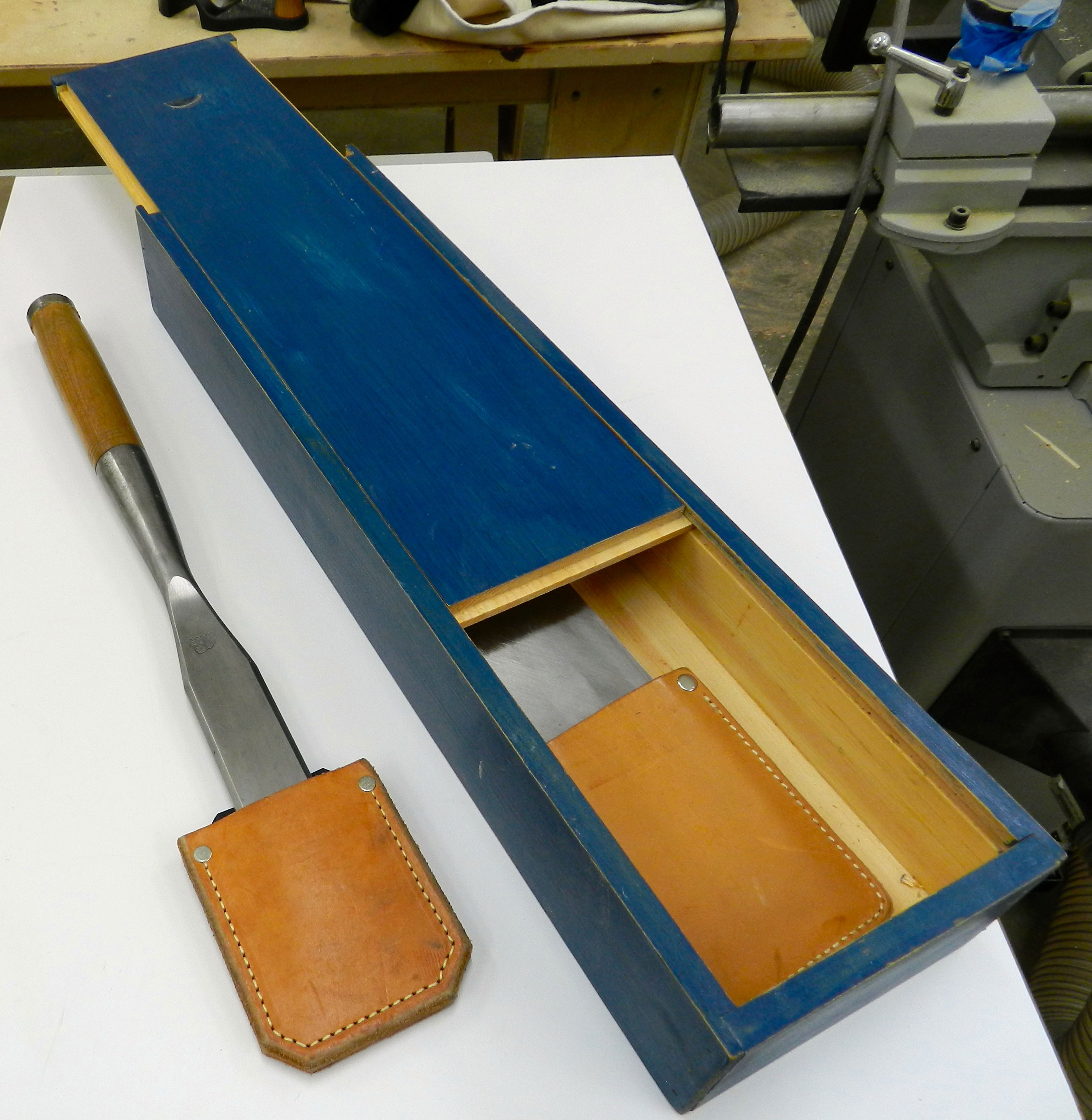
Sliding top timber framing chisel box

You can check out this post on making a sliding top timber framing chisel box from eastern white pine, simple rabbet joints and cut nails. It features a weathered finish made from milk paint and wax that will only look better with age and use. You can read the post here.

Working in the Round
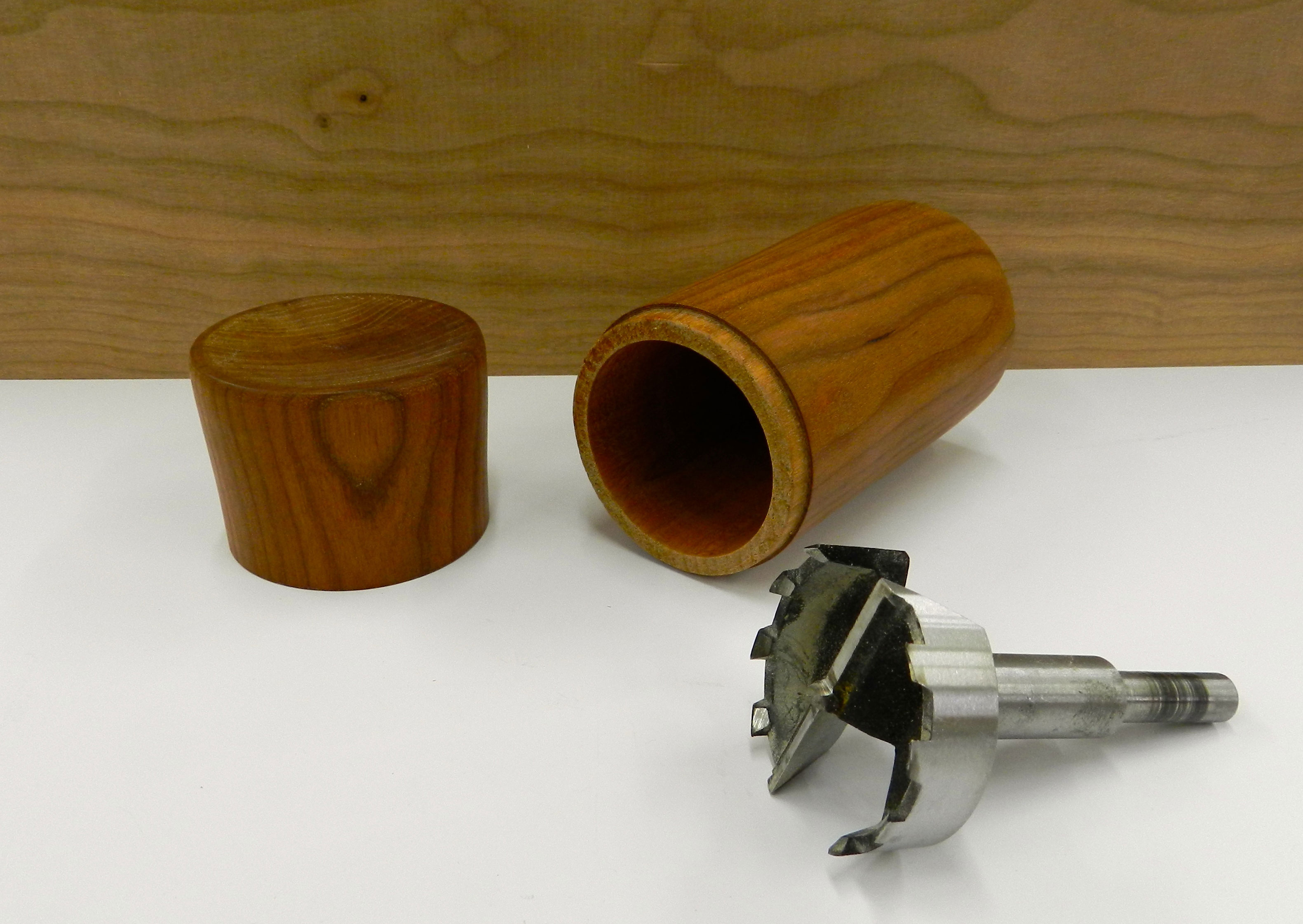
Turned Box
Turned Box

This turned cherry box is a great way to start turning round boxes. The hollowing is done via a large Forstner bit. You can learn more about how to do this here.

A Great Box to Have Dinner With
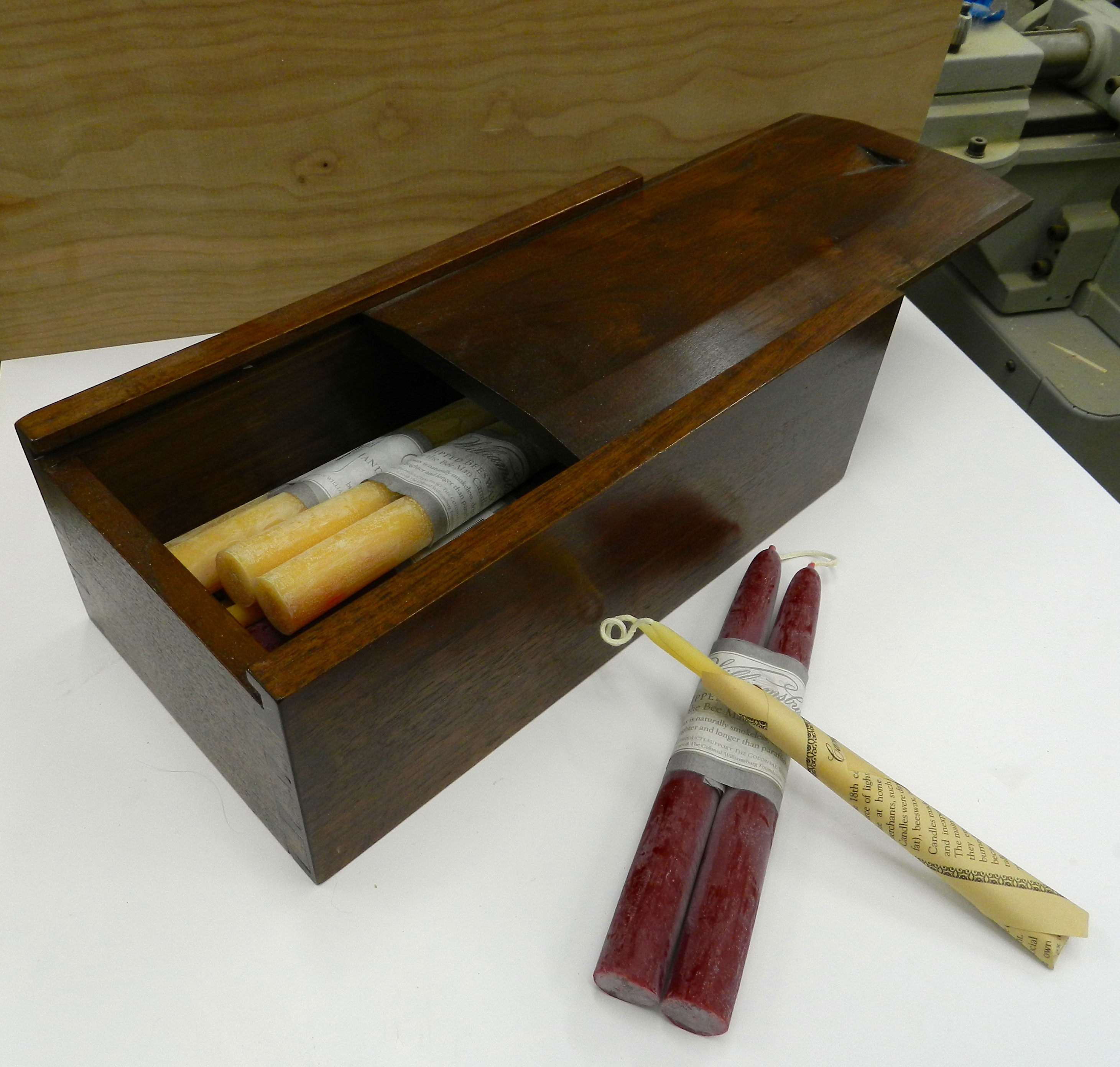
Dovetailed Candle Box

This walnut candle box was one of the first projects I built as a student at NBSS and we still use it today. I’ve seen similar boxes for sale at Colonial Williamsburg (Prentis Store) and various Shaker Villages, so even in our modern times there is apparently still some demand for candle boxes. Learn about some of the details you can apply to your own shop built version. You can read more about it here.

Take care,
-Bill
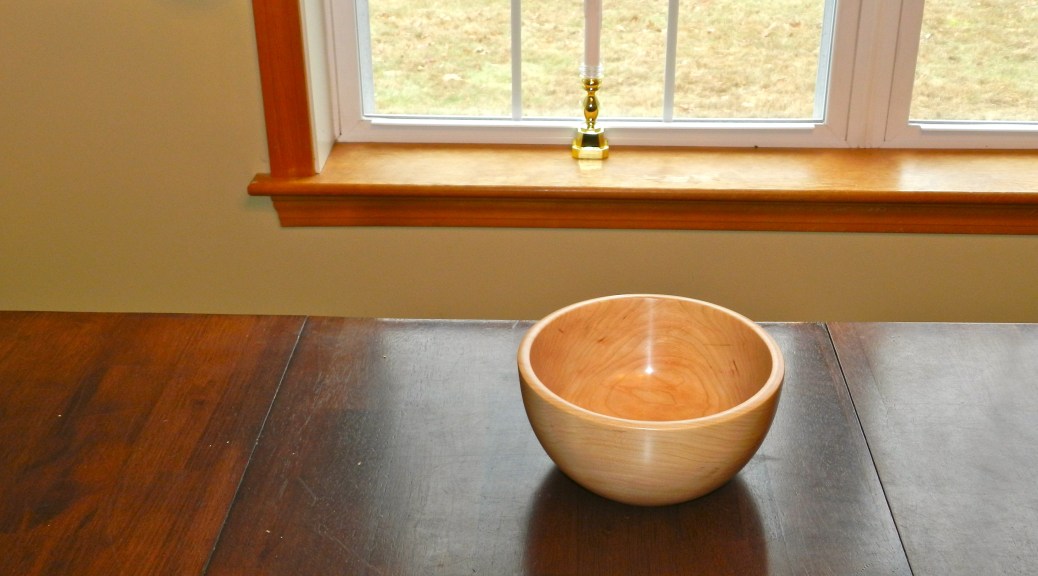
Turned Cherry Bowl

In woodworking we often spend an incredible amount of time and energy trying to make things rectilinear. Most trees I see do not have a lot of square edges on them to start yet many woodworkers have trouble thinking in the round.  Lately I’ve been doing some more green woodworking and wood turning and have been enjoying the explorations of different forms and techniques. When turning free form work I love how the wood speaks to me and tells me what shape it would like to be.

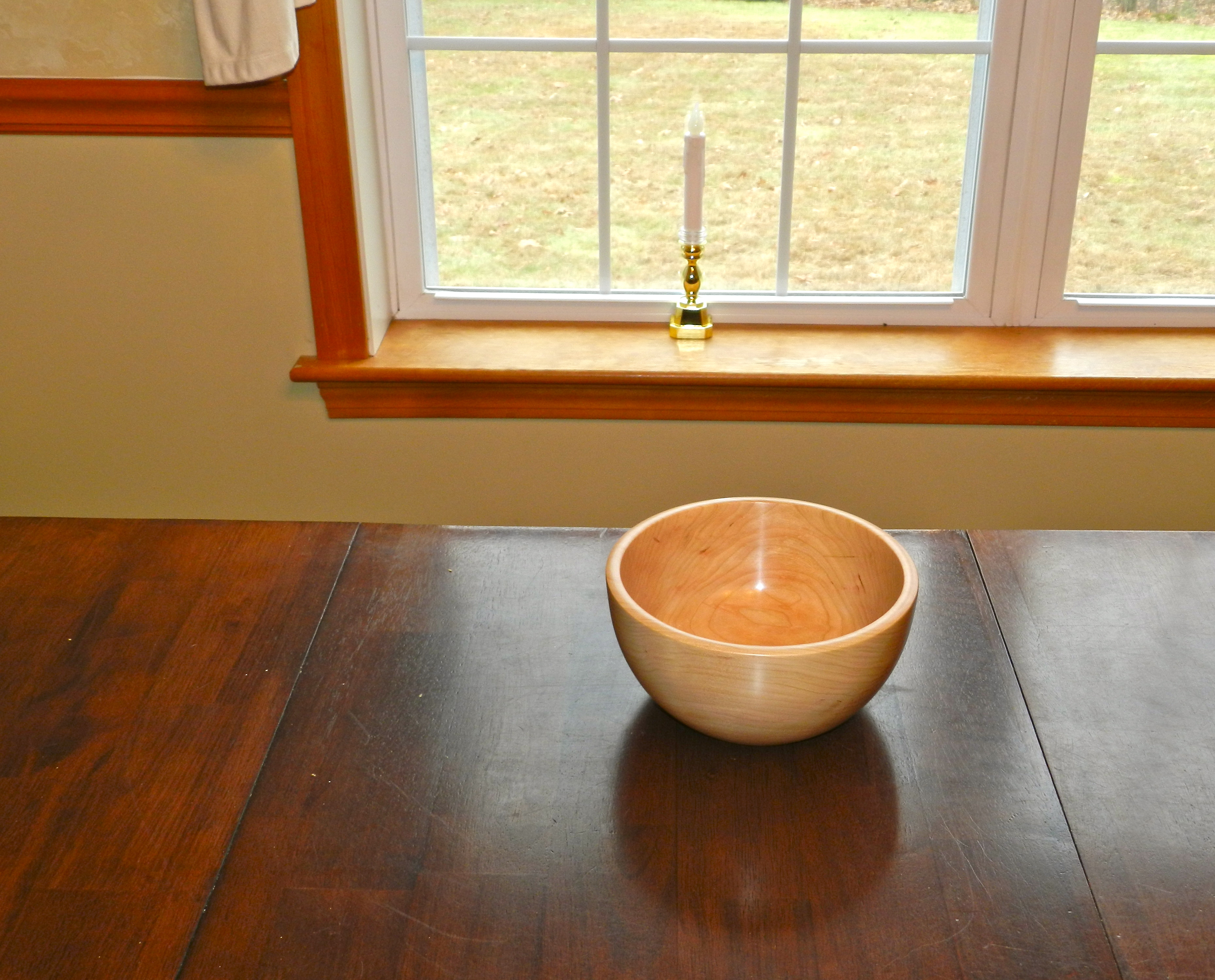
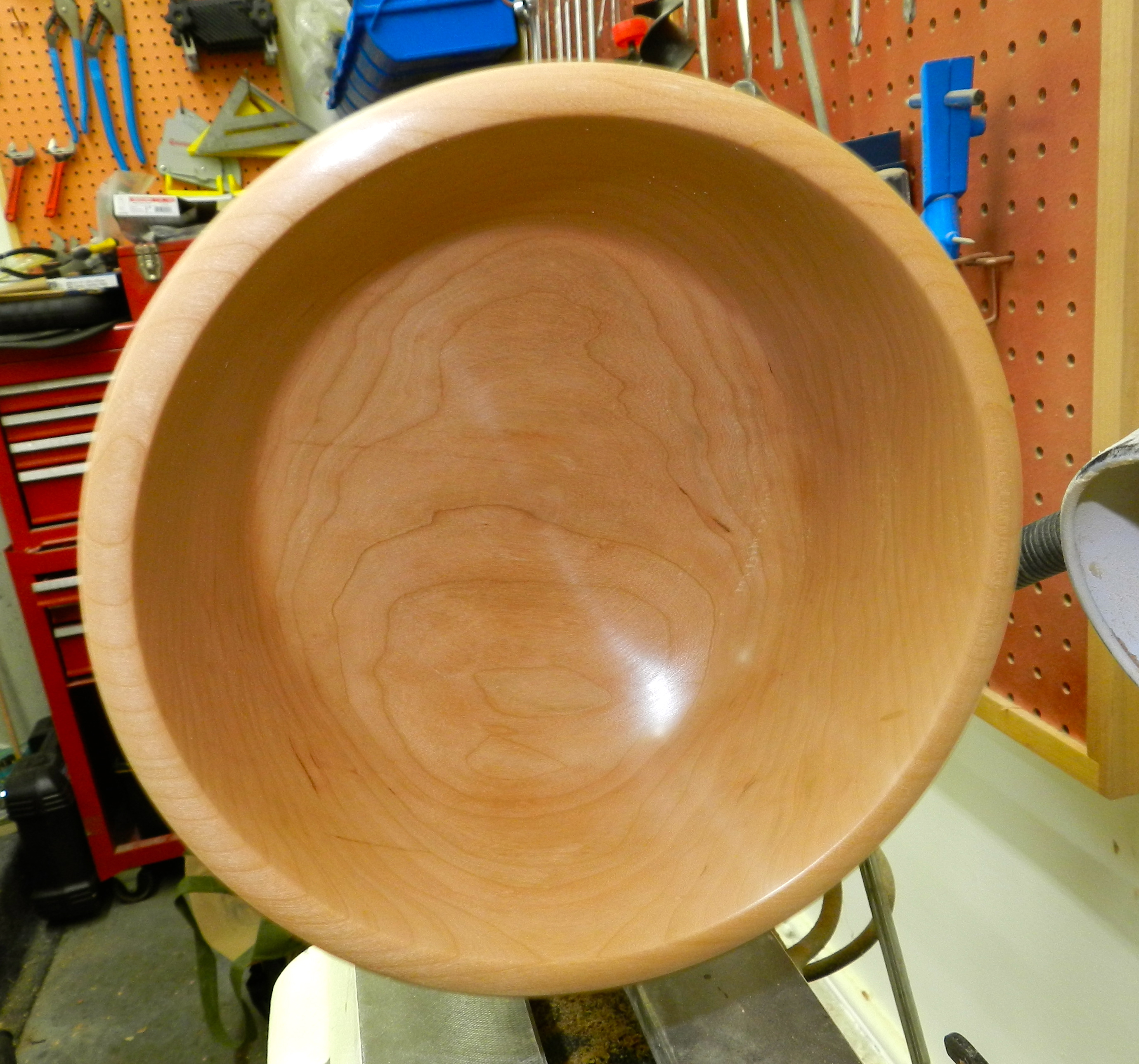
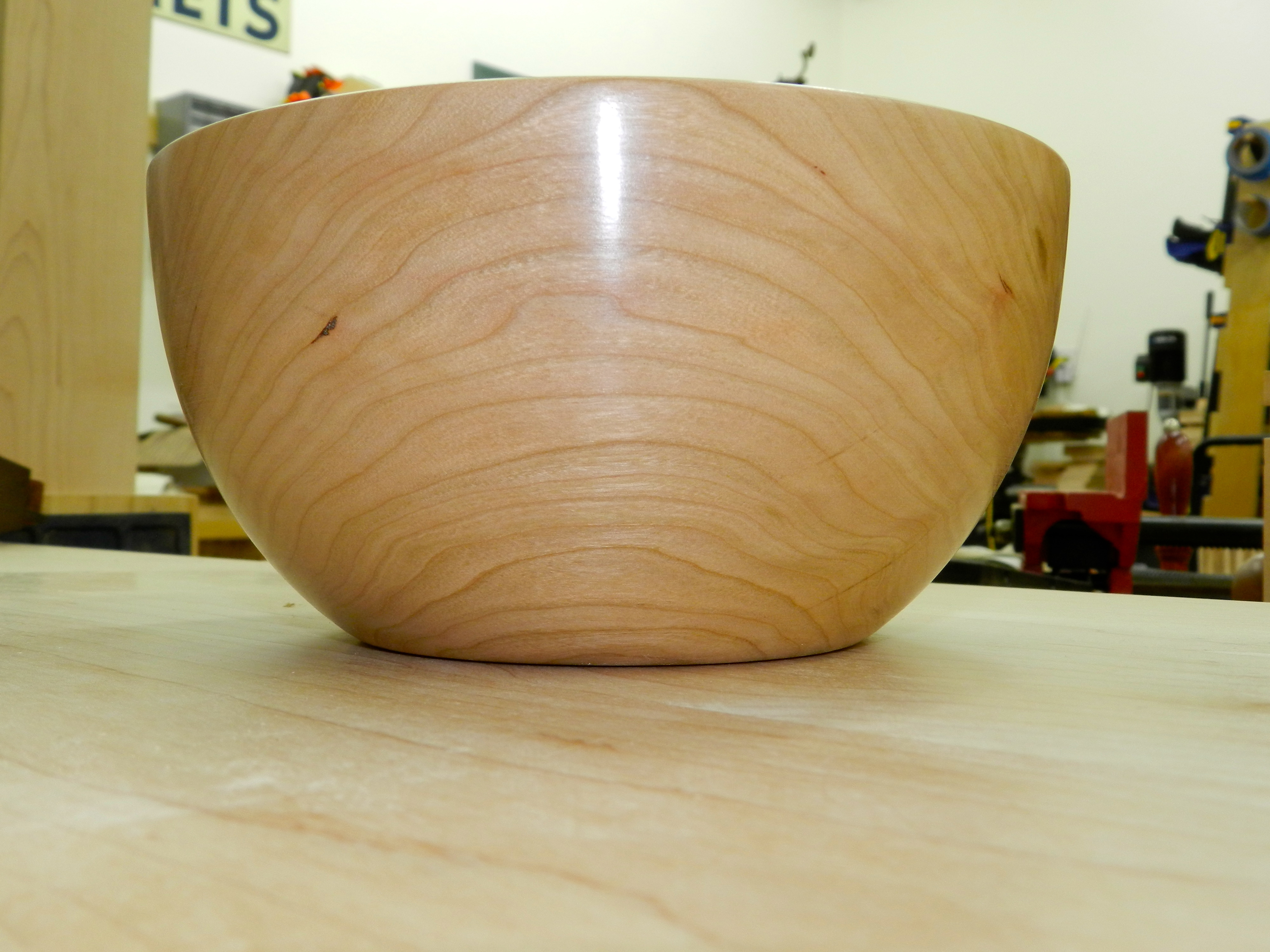
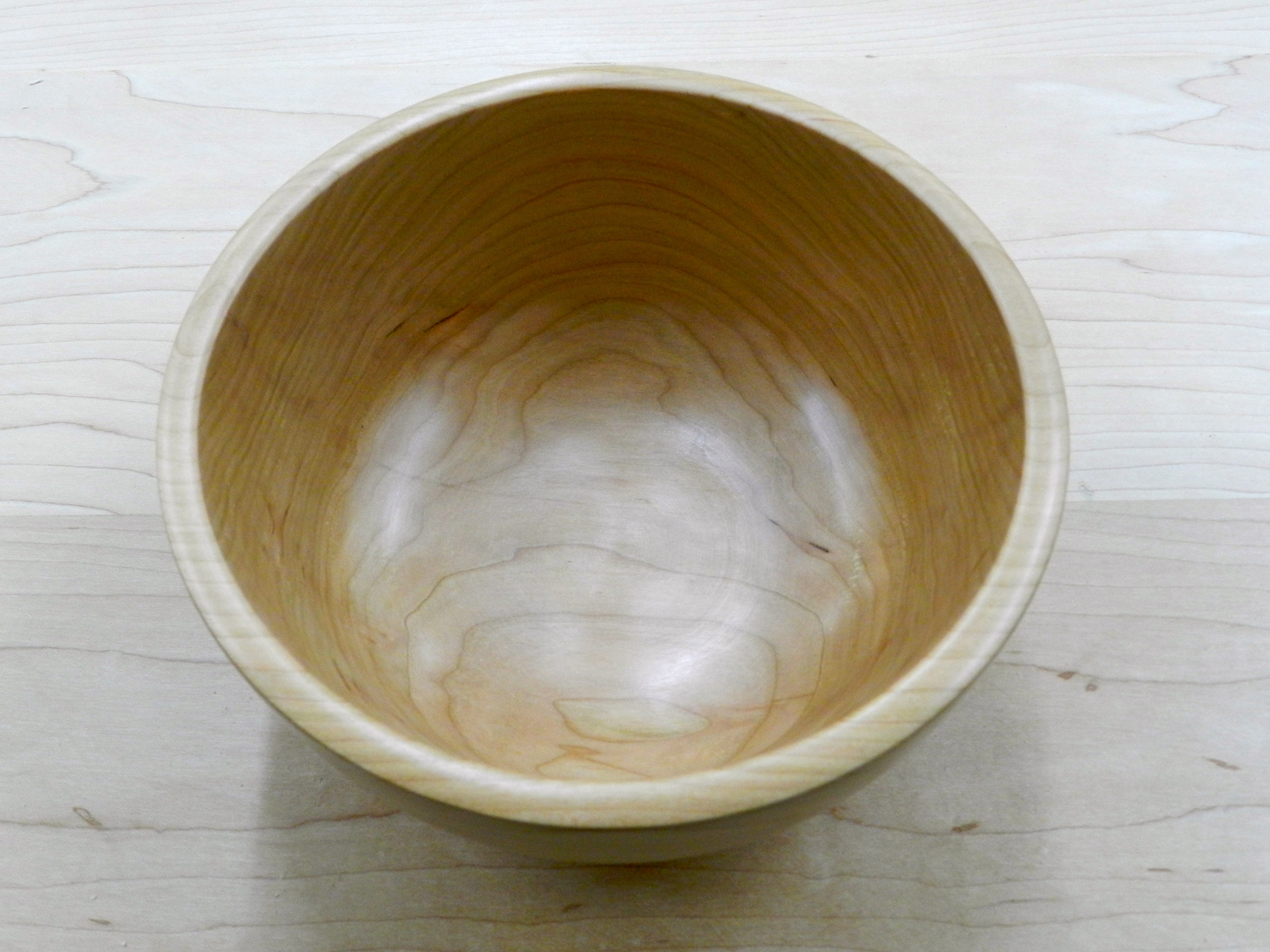
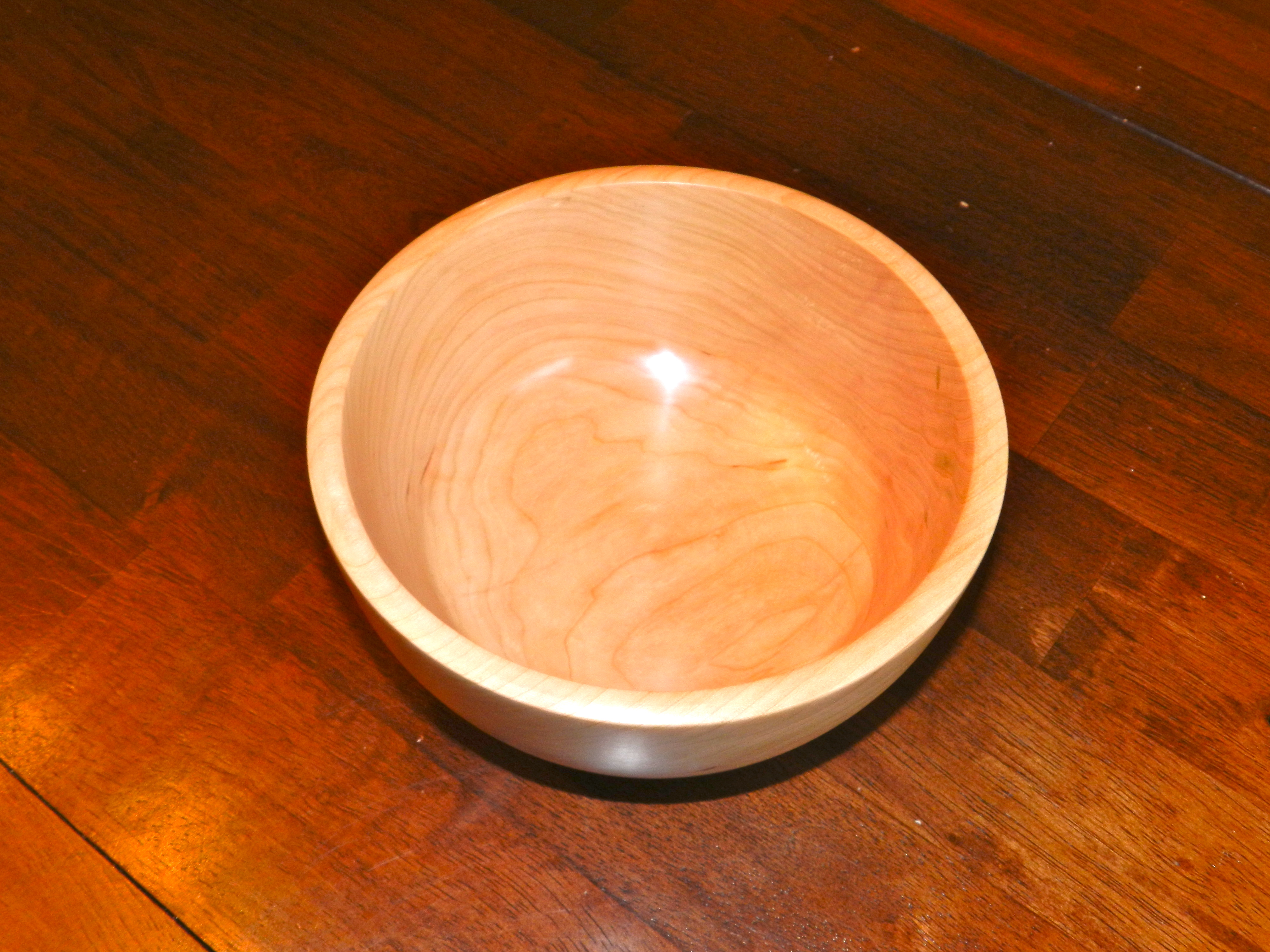
The cherry bowl below was a change from the very traditional colonial forms and delicate/thin shapes I spend a lot of time working with. I wanted to make a deep bowl with simple lines to let the grain and color speak for itself. I think mentally I was picturing something Asian inspired, though this piece could be at home on a very traditional table.

Completed bowl
Completed bowl

Recently I had a weekend out in the shop and turned this bowl as a thank-you gift for a good friend. Below is a quick chronicle of the process:

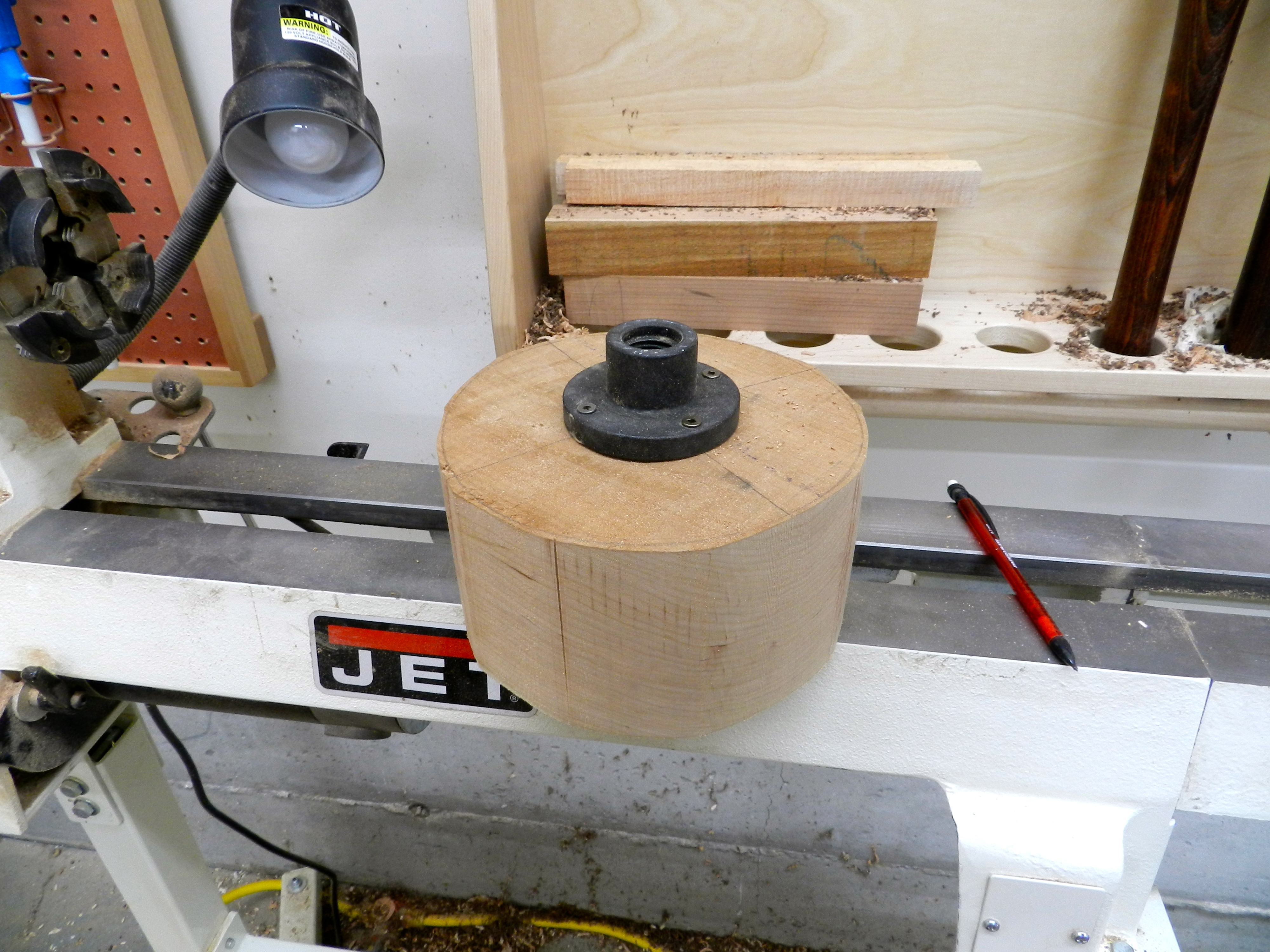
Bowl blank cut out on band saw and mounted to faceplate

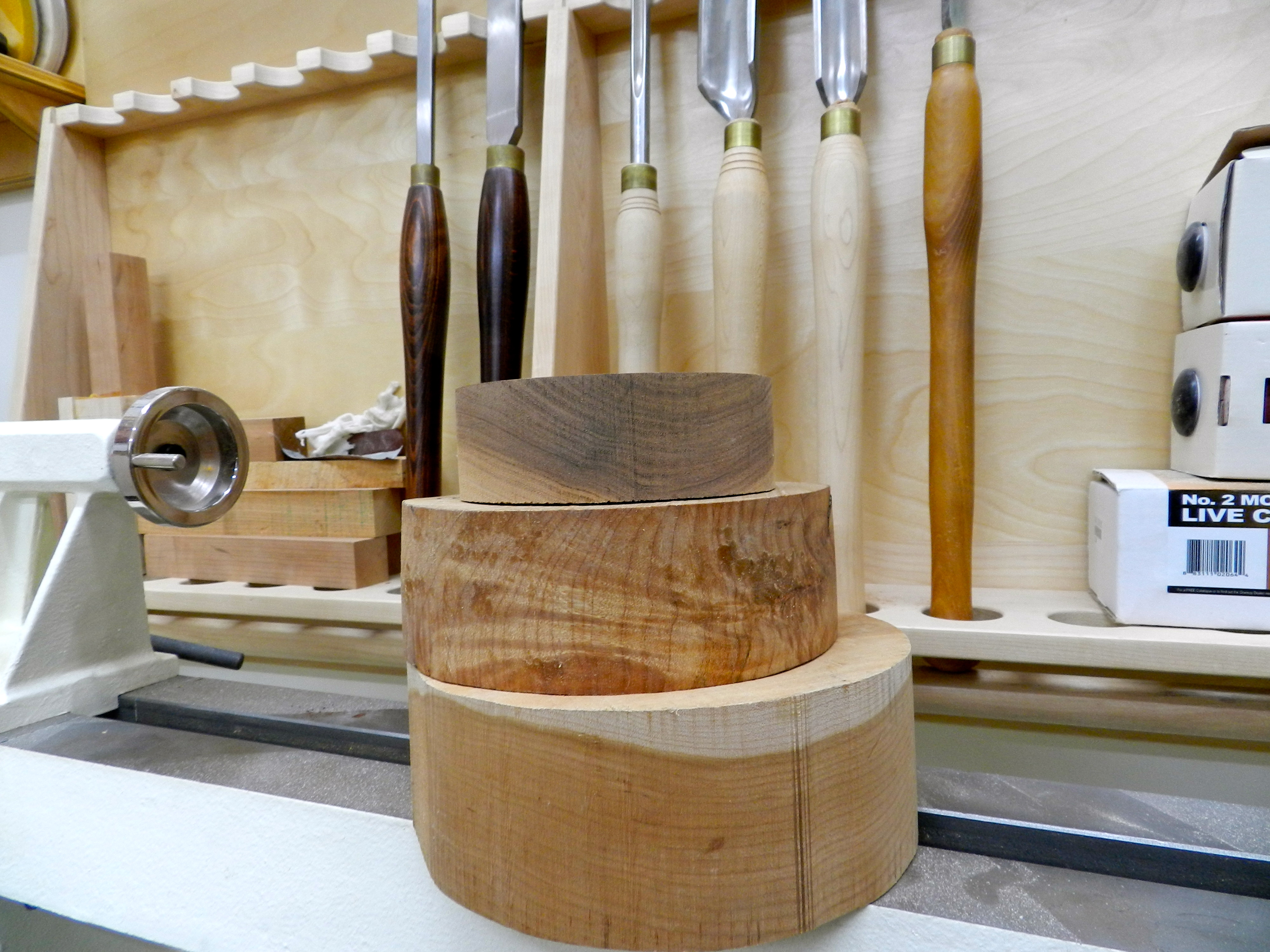
I had a nice bit of 16/4 Cherry in my shop for a long waiting for it’s time to transform into a bowl. Using a compass I marked out the largest circle I could get out of the blank, cut it roughly round on the band saw and mounted it to a faceplate for the lathe.

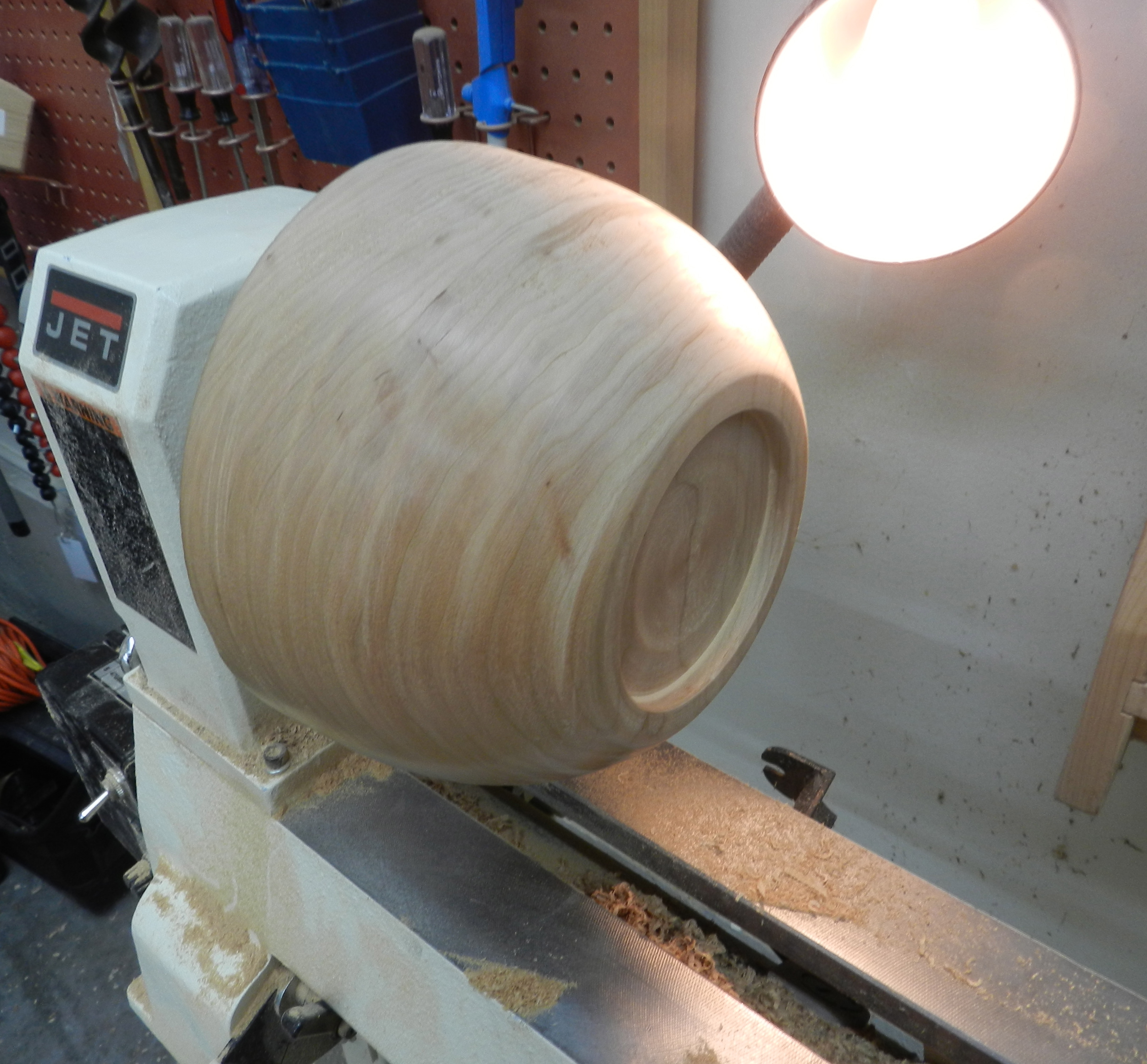
Turned outside of the bowl.

Once mounted on the headstock I turned the bowl round and formed the exterior shape of the bowl. For this bowl I wanted to try something different, so rather than turning a tenon which would decrease the external depth of bowl I could get from the blank I relieve the bottom of the bowl so that the bowl chuck could expand to hold the bowl rather than clamping down on a round tenon.

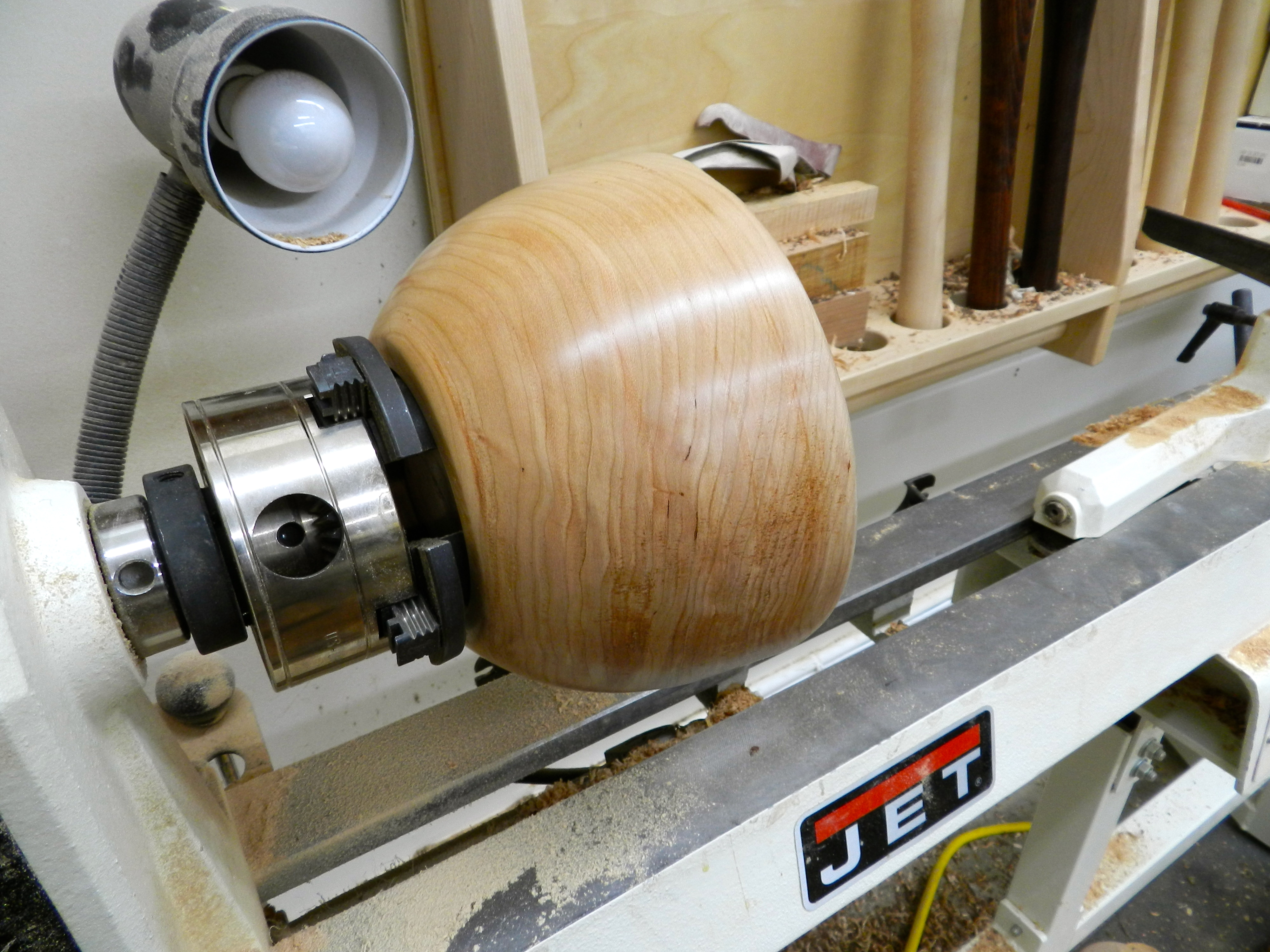
Bowl reversed and in the bowl chuck

Once I got the outside of the bowl shaped the way I wanted it, I reversed the bowl and mounted it in the bowl chuck. Next I  hollow out the bowl being careful to not go too deep and blow out the bottom or sides of the bowl.

Applying the finish while on the lathe

With the bowl still on the lathe I was able to apply finish to the bowl which helps speed up the process. As the bowl gets polished up, you can really see how the figure of the wood pops.

Close up detail
Close up detail

This bowl is finished with tung oil and wax.

Grain detail of the turned Cherry Bowl

Freshly turned the cherry looks pretty light on top of my maple bench, but with time and exposure to daylight it will darken up nicely and take on the warmer color you expect from cherry.

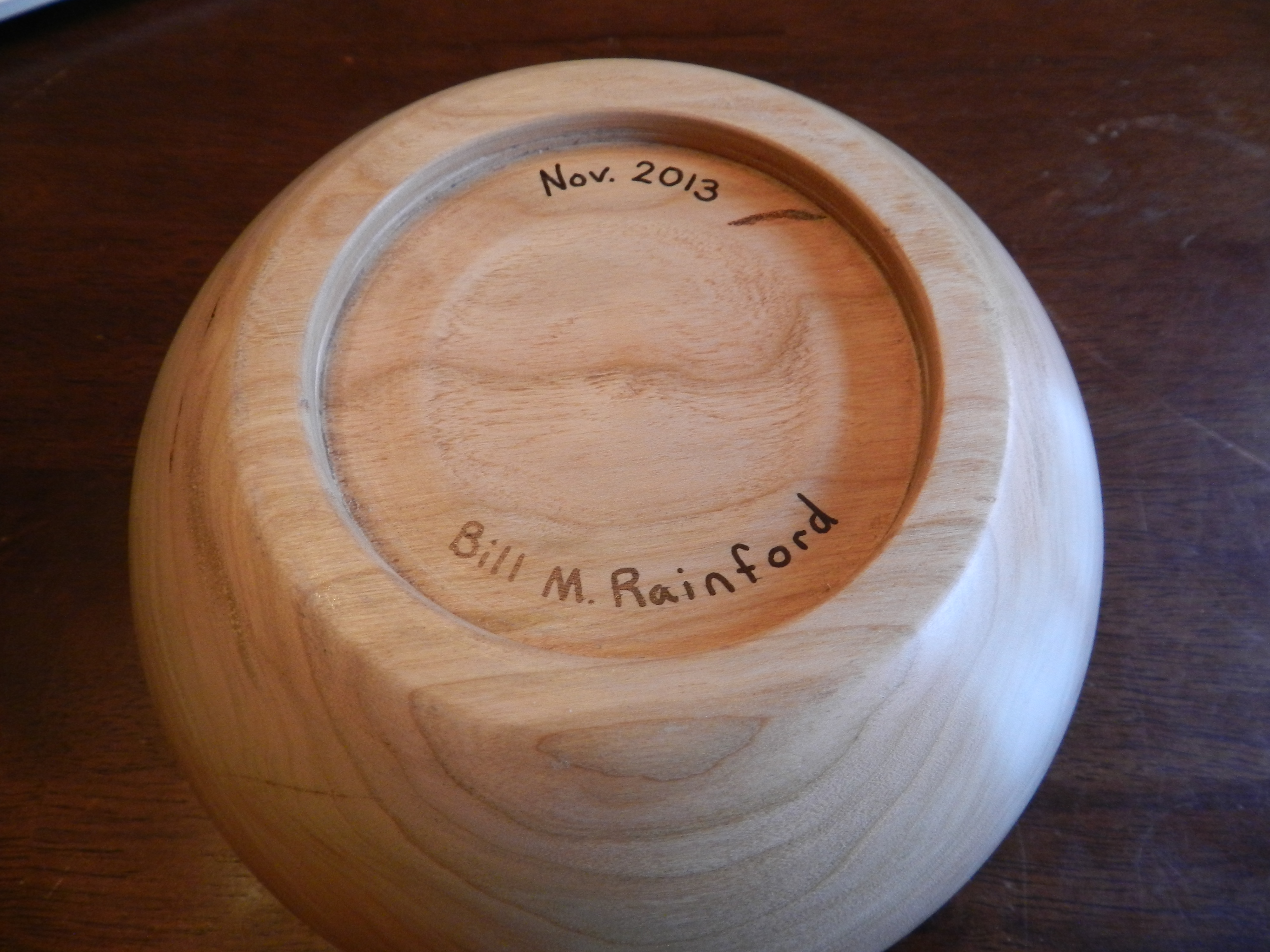
Bottom Detail
Bottom Detail

I learned to turn from Alan Lacer and Rich Friberg and one thing they both taught me was to add little details to surprise or delight folks who took the time to inspect what you made. On the bottom of this bowl I varied the surface under the bowl to give more visual and tactile interest.

Turned Cherry Bowl
Turned Cherry Bowl

I  am happy with the results and hope this sturdy little bowl has a good life.

Take care,
-Bill
Working in the round…

Bowl blanks waiting to be turned

Yesterday I had a rare day off and some time to work in my shop. With the holidays and cold weather fast approaching I am trying to get through my mile long TODO list. One of the items on my list was to make good use of some turning blanks I had on hand. (Last weekend I cleaned up the basement and organized my wood rack so now things are nice and neat)

Mallet blank
Mallet blank

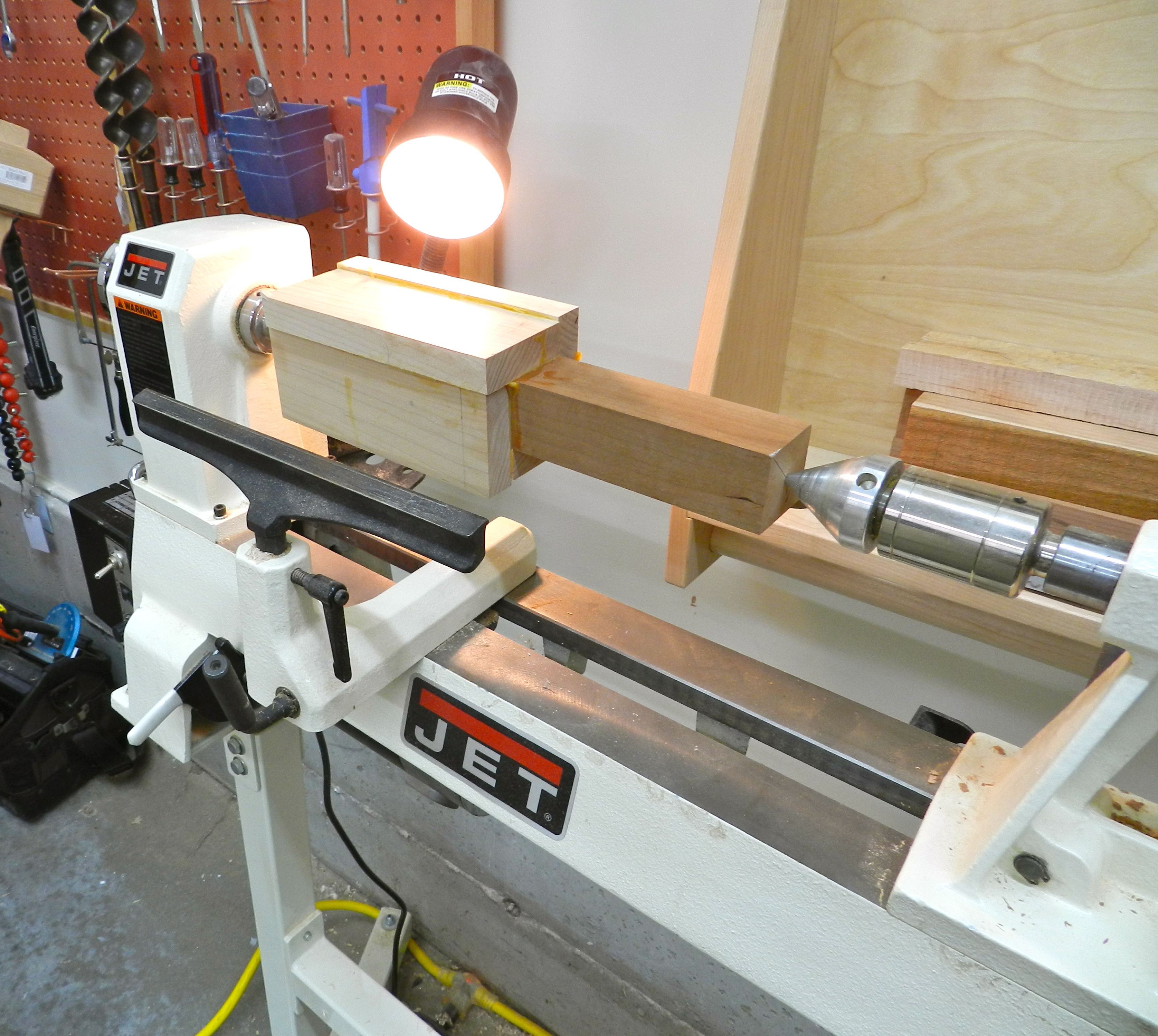
Before tearing into a bowl blank I wanted to warm up with a spindle project and I’ve had a nice mallet blank sitting in my tool rack for the last year (literally).

Turning the mallet
Turning the mallet

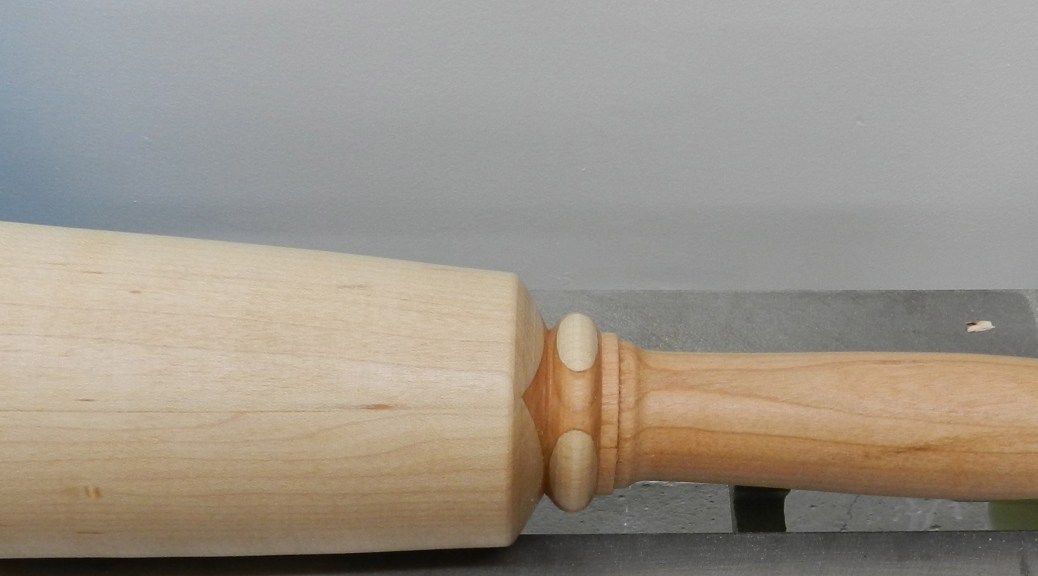
You may recognize this style mallet from an earlier post I made last year on my blog here. The handle is made from cherry and the striking face is quarter-sawn hard maple. The concept here is that a mallet made from a single piece of wood usually loses some of the long grain sections that come flying off over its service life. By using quarter-sawn wood on all 4 sides you are not exposing any of the grain that is likely going to fly off. This also assumes that the Titebond glue joint is stronger than any movement in the handle.  We’ll see how well this one lasts in my own shop. (The first one was a gift for a friend)

Finished Mallet
Finished Mallet

A few changes I made in the design is I made the top a tiny bit concave so I can stand the mallet on its end and I simplified the handle a bit as it will likely have a hard life in the shop. I do however really like how the bead makes a pattern with the contrasting wood species.

Turning tools in the rack

Now that the tools are all warmed up, it’s time to start making some bowls.

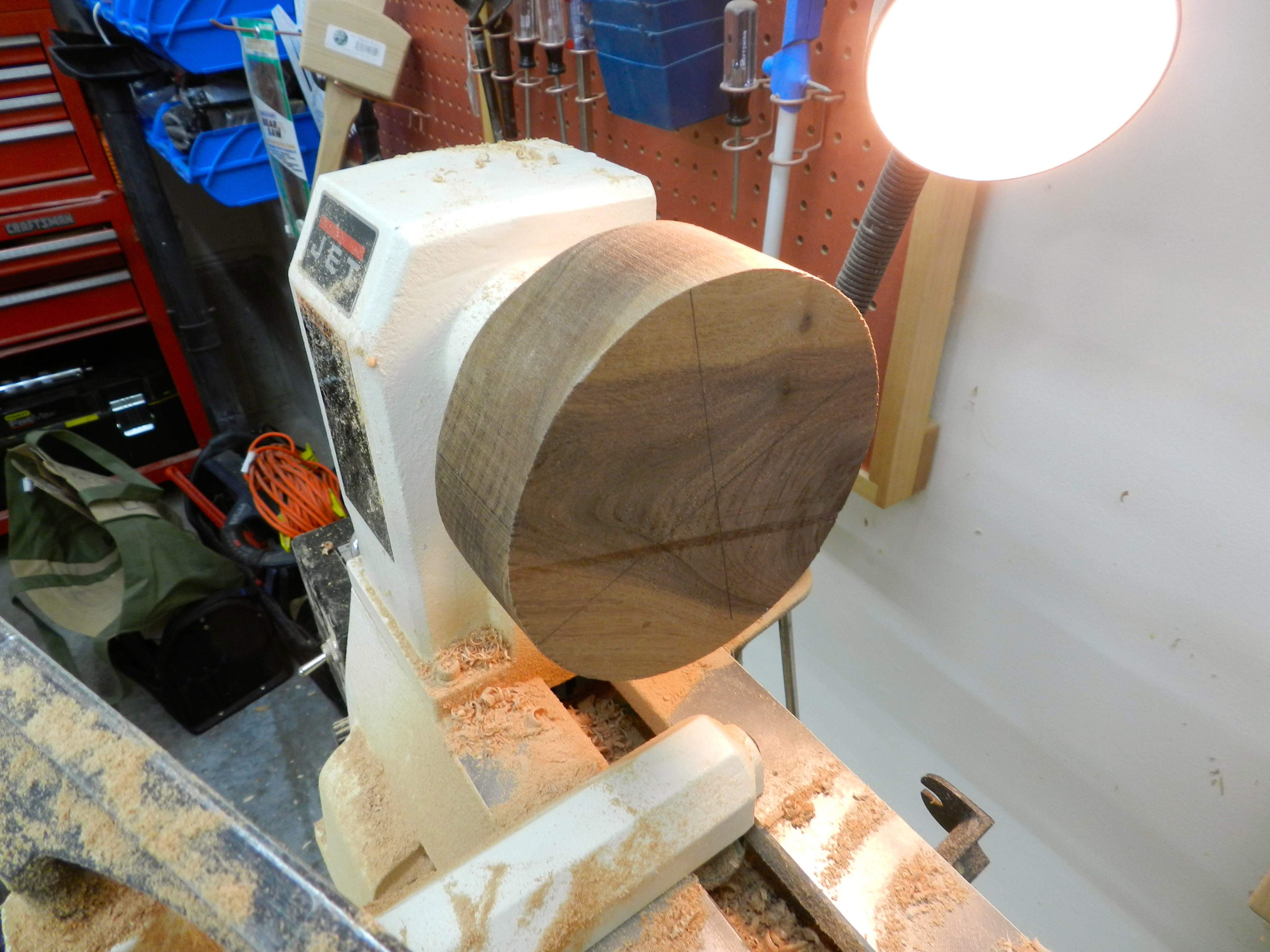
Bowl blank mounted on a face plate

After roughing the blanks round on the band saw I secure the blank to a faceplate using good quality wood screws. (The screw holes disappear as that wood is removed from the inside of the bowl)

Bowl blank ready for turning

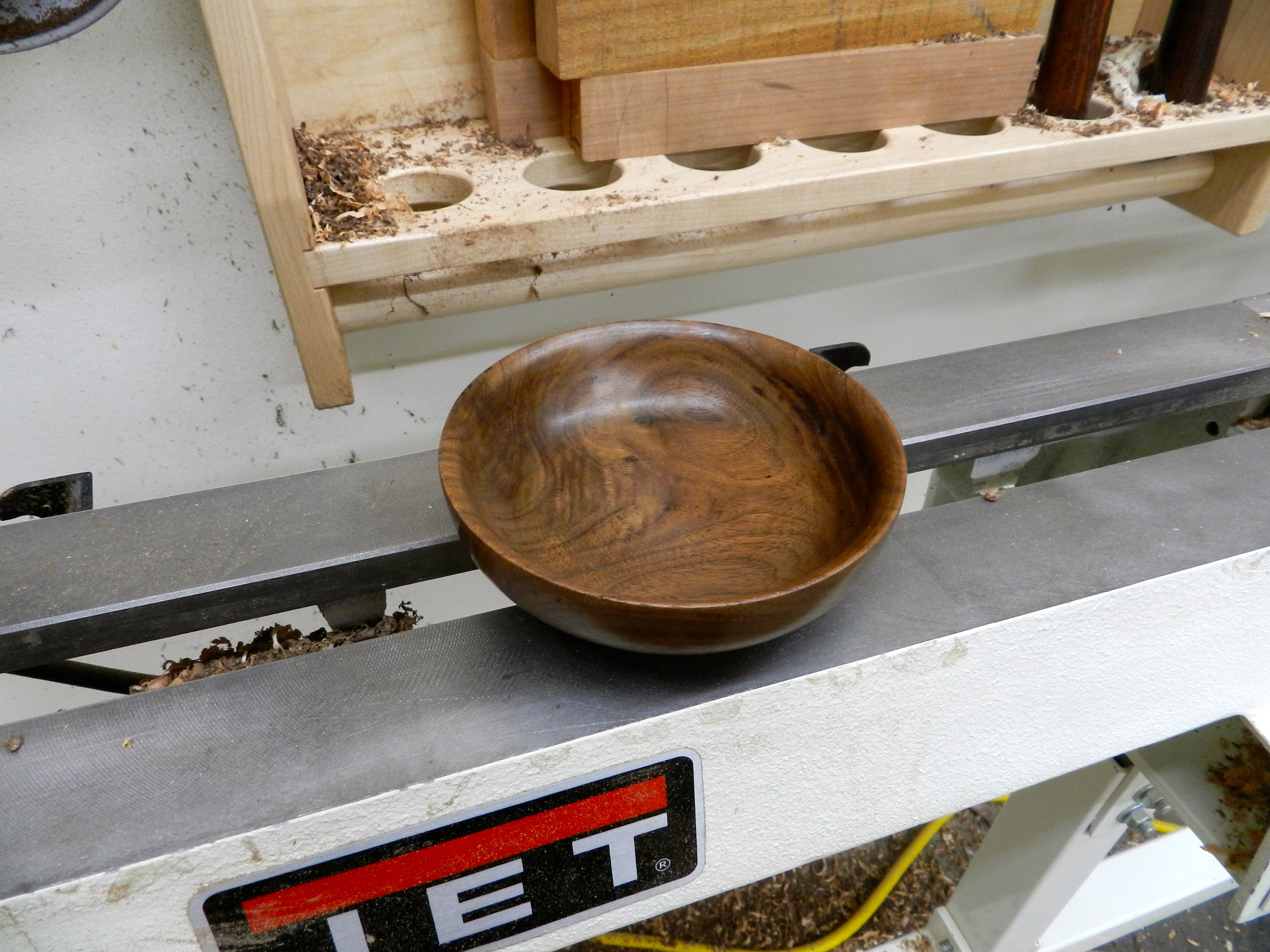
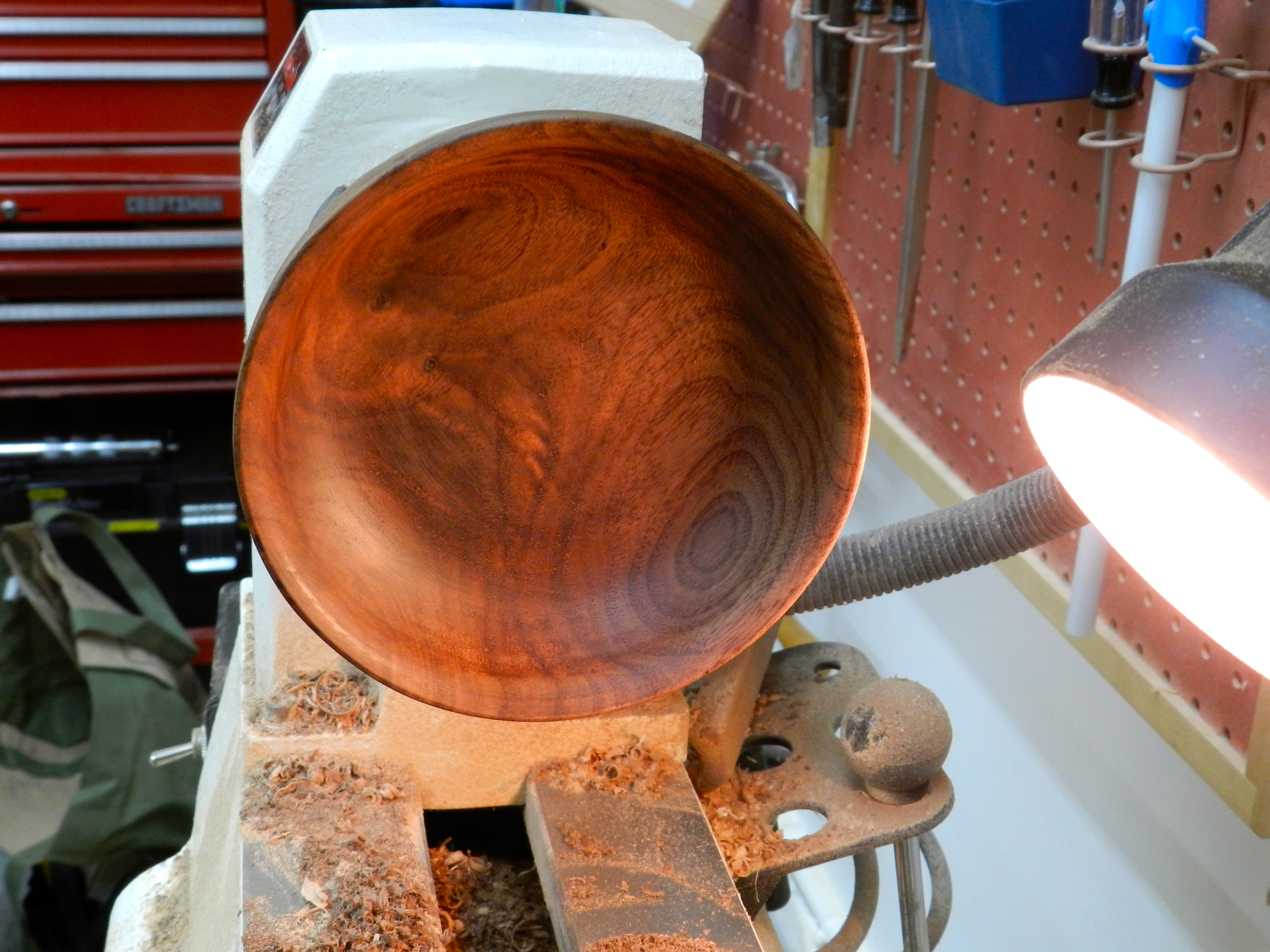
The first step is to turn the bottom of the bowl. I elected to make a chunky Asian feeling bowl from a small walnut blank I had on hand.

Turning the bottom and making a foot for the bowl chuck to grab onto

The bowl chuck grabs onto the foot (or base) of the bowl and allows me to hollow out the inside of the bowl.

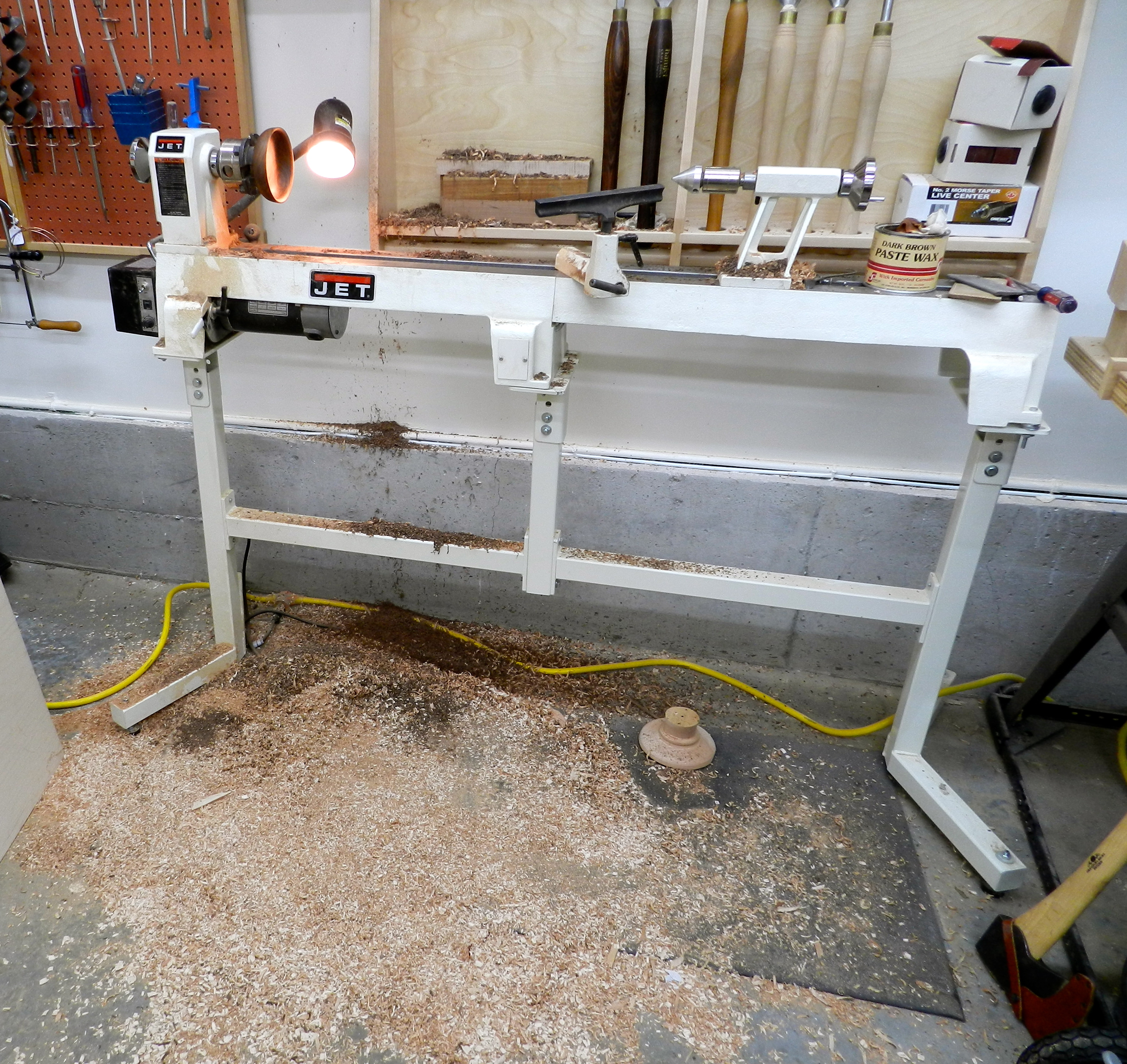
Hollowing the bowl, knee deep in shavings
Hollowing the bowl, ankle deep in shavings

You know it’s a good day at the lathe when you are completely covered in shavings and standing ankle deep in shavings.

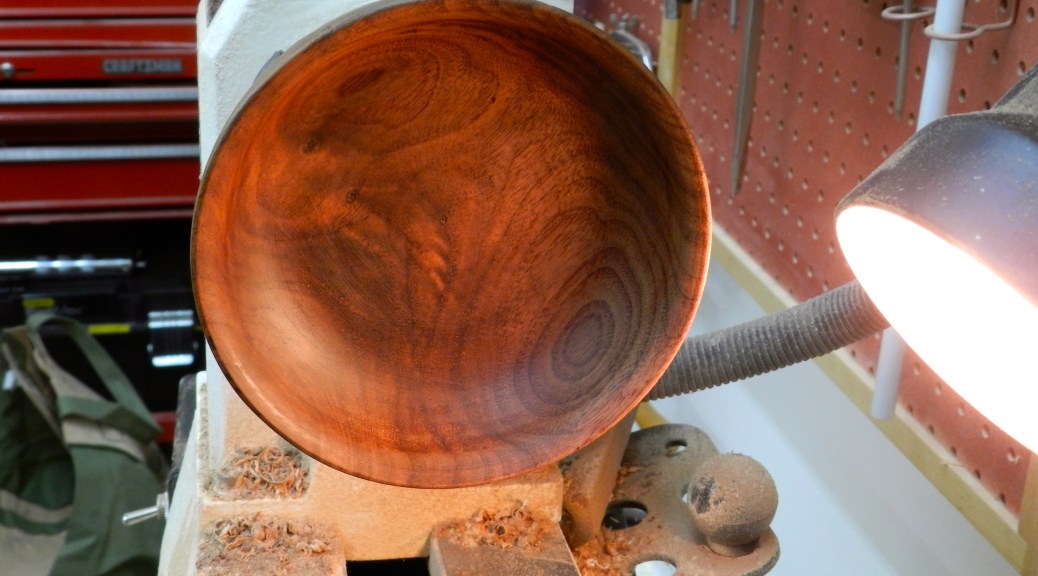
Hollowed out bowl, finishing the edge detail

Once I got the wall thickness and profile into a form I liked, I apply the finish right on the lathe. This allows for easier buffing etc.

Finished bowl
Finished bowl

I liked the figure of this piece and how it came out.

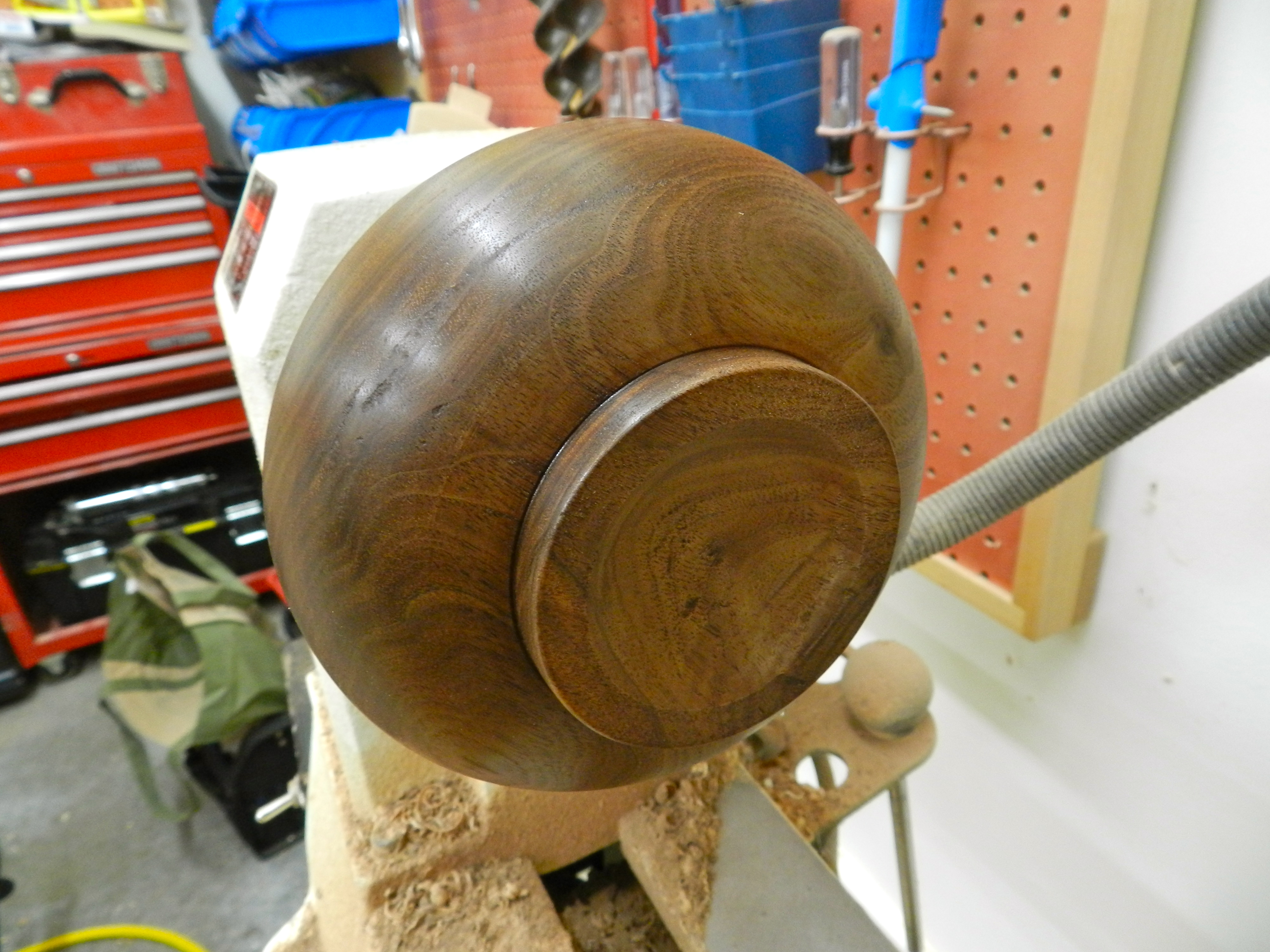
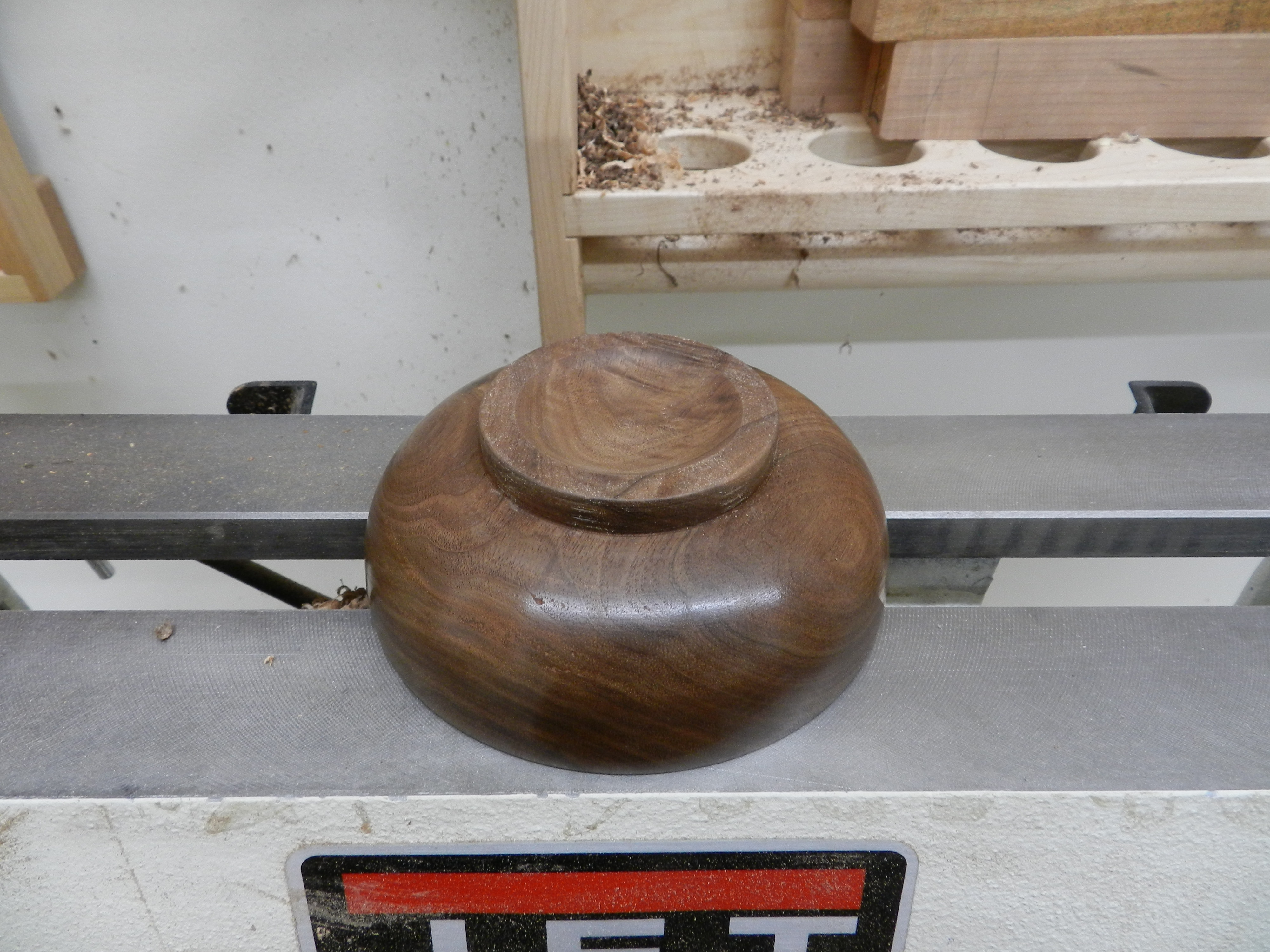
Underside of bowl
Underside of bowl

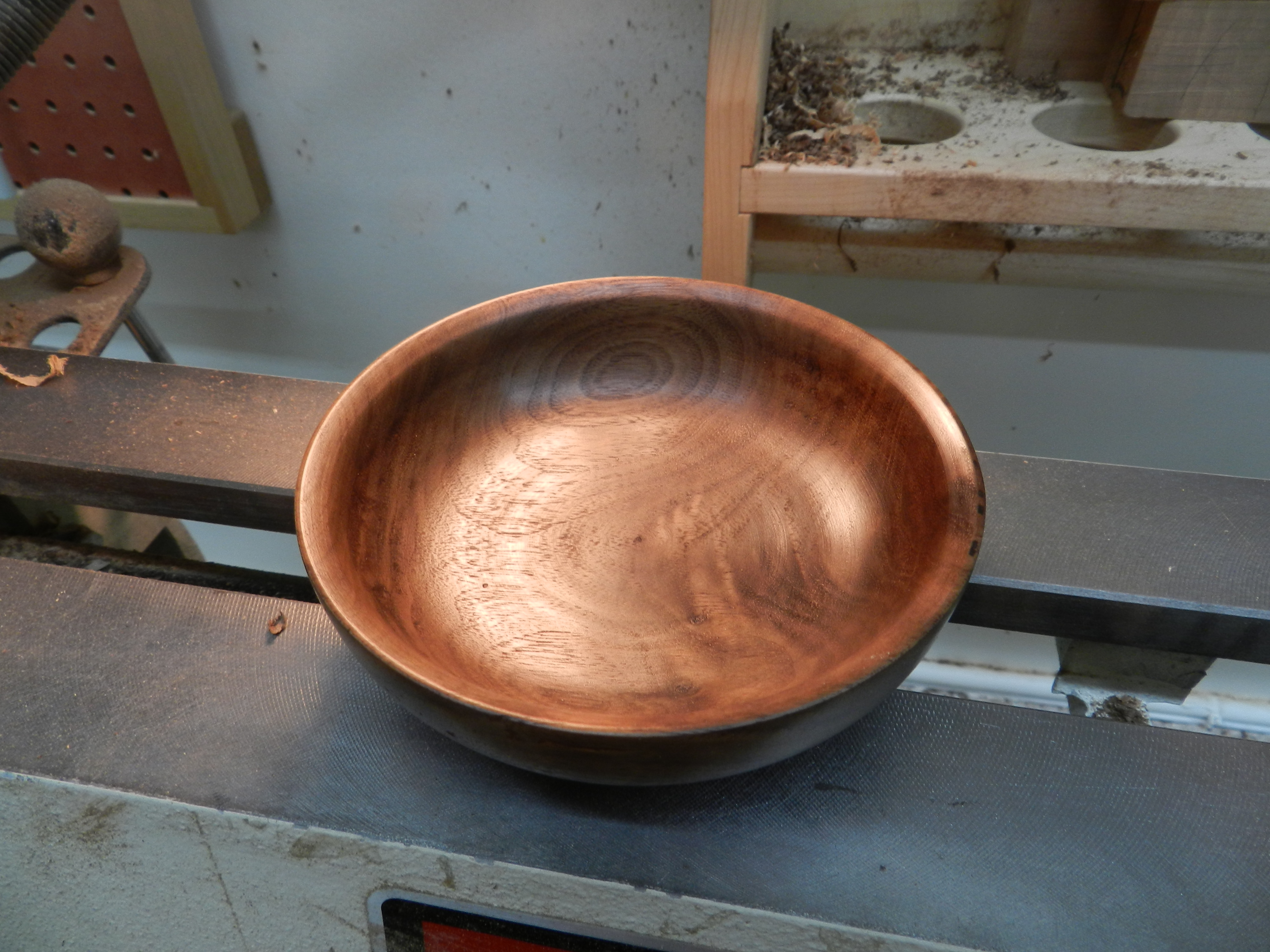
The bowl is finished with Tung Oil and Wax and likely will be a place for my wife to put her keys or watch or similar items at the end of a day.

Turned walnut bowl. Finished with tung oil and wax

On a cold day like today, I hope that you will get out to the workshop and make something new.  Time for me to get back into the shop myself….

Take care,
-Bill
Getting a grip on a solid mallet

A good mallet of often overlooked. All too often we settle for a store bought carving mallet or crude instrument we fashioned in a hurry and then live with for years. Before the holidays I decided is was time to make a nice larger mallet for myself and one for a friend. I wanted a mallet that was a little larger and heavier than the average.

You can never have too many clamps, especially when clamping up a blank wherein you do not want to see any glue lines.
You can never have too many clamps, especially when clamping up a blank wherein you do not want to see any glue lines. Plus it takes on the look of some modern art work. 😉

I decided to make my new mallet out of cherry and hard maple as they are two of my favorite woods to work with, and I like they contrast they have with each other when finished. The hard maple (Same I used for my workbench) is hard, dense and wears well, and the cherry (From a curly cherry piece I had around the shop) has a nice even tone and finishes well.

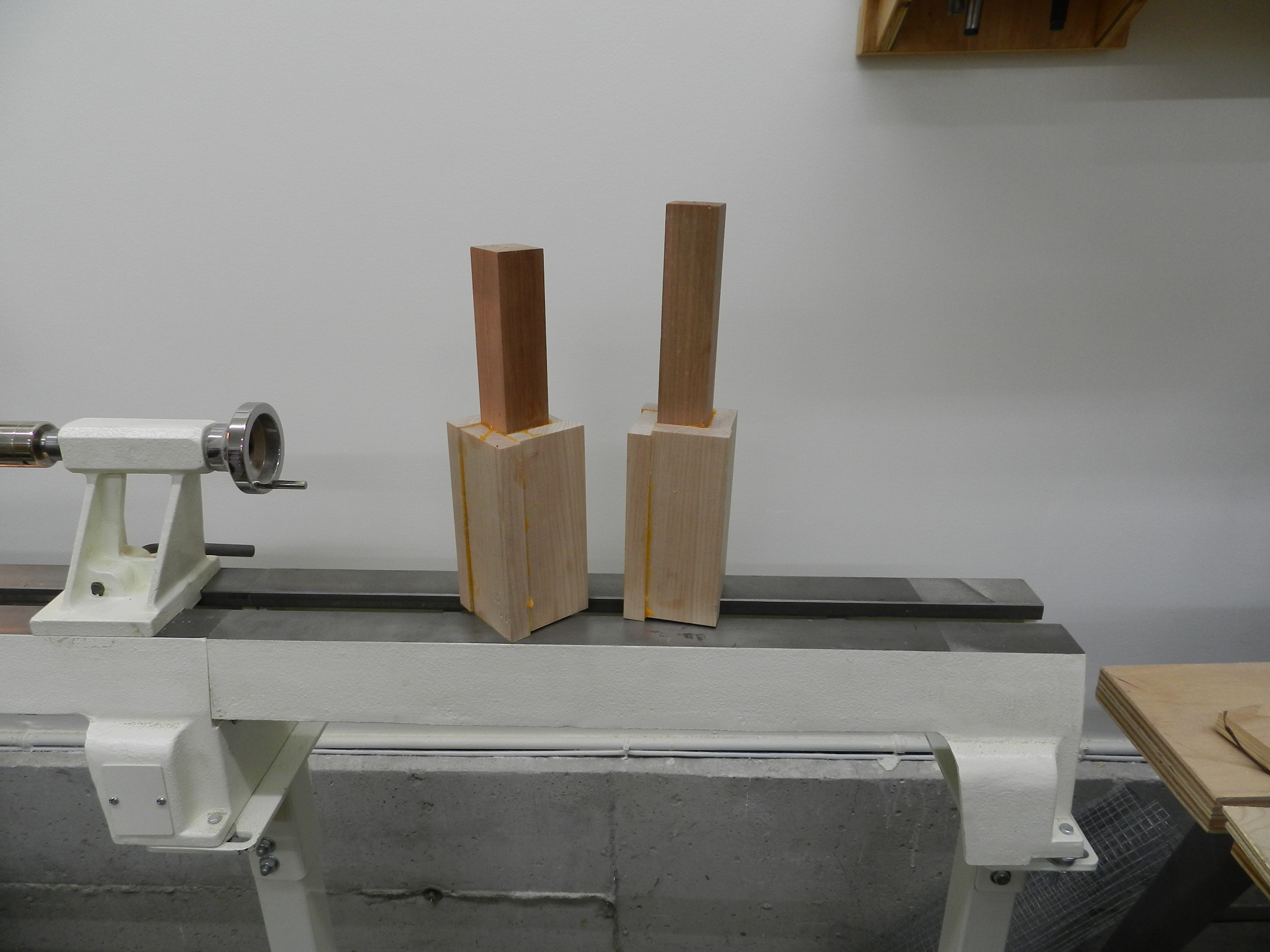
Blanks ready to be turned

In making this sort of mallet, the stock preparation work is more important than the actual turning and finishing. That is why its critical to get the mating surfaces planed dead flat and take the time to clamp it up tightly (don’t starve the joint of glue) but make sure you do not have gaps or you will have unsightly glue lines and a potentially weaker mallet.
First Mallet Turned, Next to the blank

Why would someone spend so much time and effort to make a fancy mallet you are only going to beat the heck out of?

If you’ve ever turned a mallet from a single piece of wood and used it for a while you’re likely to see parts of it eventually come flying off — but only from two sides.  This leaves you with an unbalanced mallet which may not hit your chisel the way you want. Where quarter sawn grain is exposed the wood is mostly intact after years of use, but where long grain is exposed some hard hits can take advantage of the plane of weakness in the wood causing them to fly off. They break off much the way splitting a piece of wood with a froe separates the grain.

The good news is there is a way to avoid this…

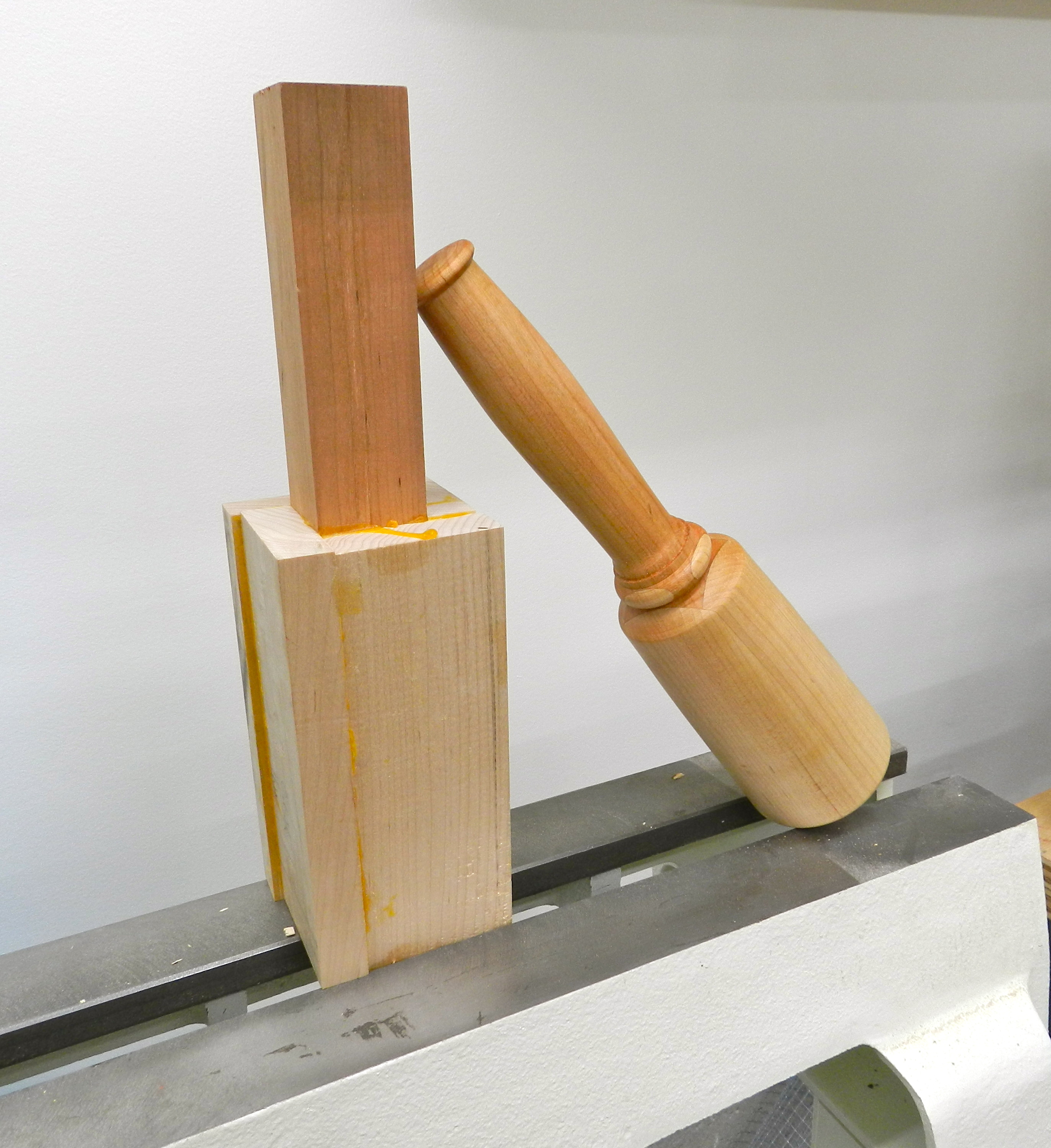
Completed Mallet
Completed Mallet

By gluing up a mallet as you can see here the hard maple pieces are quarter sawn — so on all 4 sides of the finished mallet you have nice dense quarter sawn hardwood grain oriented in such a way that it should have a nice long service life even under harsh conditions — plus it’s pleasing to look at especially with contrasting woods.
End of mallet with finish applied

Won’t it break apart with seasonal movement or use? I used Tite-Bond II for the glue which has been proven to be stronger than wood when used in long grain to long grain bonds. The center or handle piece of wood should be a well seasoned hardwood ideally rift sawn and known to be stable. I’ve seen many of these mallets get heavy shop for years and hold up very well. A similar mallet is often a regular project the cabinet and furniture making program at NBSS.

Completed Mallet
Completed Mallet

You should take the time to fit the handle to your hand and make it as austere or ornate as you see fit. I particularly like how the laminated structure of the blank results in nice contrasting areas like you see on the bead in the above photo.  I do a lot of period work so I was thinking about the 18th century as I turned these mallets. Most of it is finished with the skew chisel and needed almost no sanding. The finish is tongue oil with a very light coat of wax only on the end grain and handle. I look forward to it providing years of solid service.


Working in the Round — Mid Century Modern Table

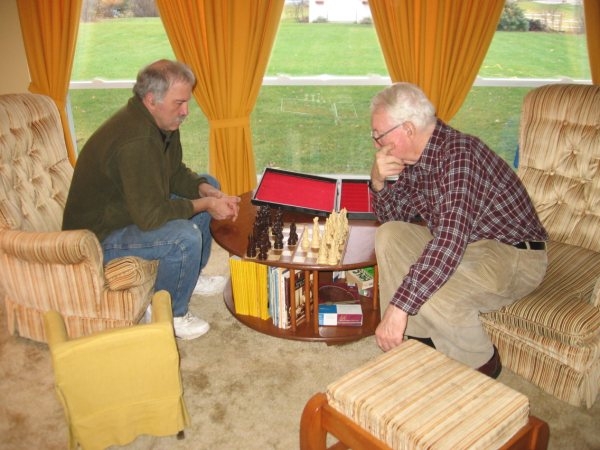
In the summer of 2010 my father and my cousin Sue came to me with an interesting commission. My Aunt and Uncle’s 50th wedding anniversary was coming up and he wanted to something special to celebrate it. Uncle Bob and Aunty Betty had an interesting old revolving coffee table with book storage underneath it that all the kids in the family used over the years to play board games etc with their Grandpa (Uncle Bob to me). They all had fond memories of the table, but with advancing age it was hard to lean over the old table which was fairly low and a little on the small side. The challenge to me was to build the same table, but make it a little bigger and a little taller and keep it a surprise — so all I had to work from was the SINGLE picture below, a couple of dimensions and a rough guess on what it was made from.  Working on a mid 20th century modern piece was a nice departure from my usual work which is more traditional pieces from the 18th and 19th century.

Original Table in an Old Photo

From the above information I decided to use solid cherry for the table, worked out the design in Autocad (first time and only time since I bothered to use Autocad instead of drafting by hand) It was neat to get used to that program, but I felt that it often slowed me down compared to my drafting board. My Dad also donated to the cause a nice and thick circular piece of glass that would protect the new table from the ravages of constant use by children.

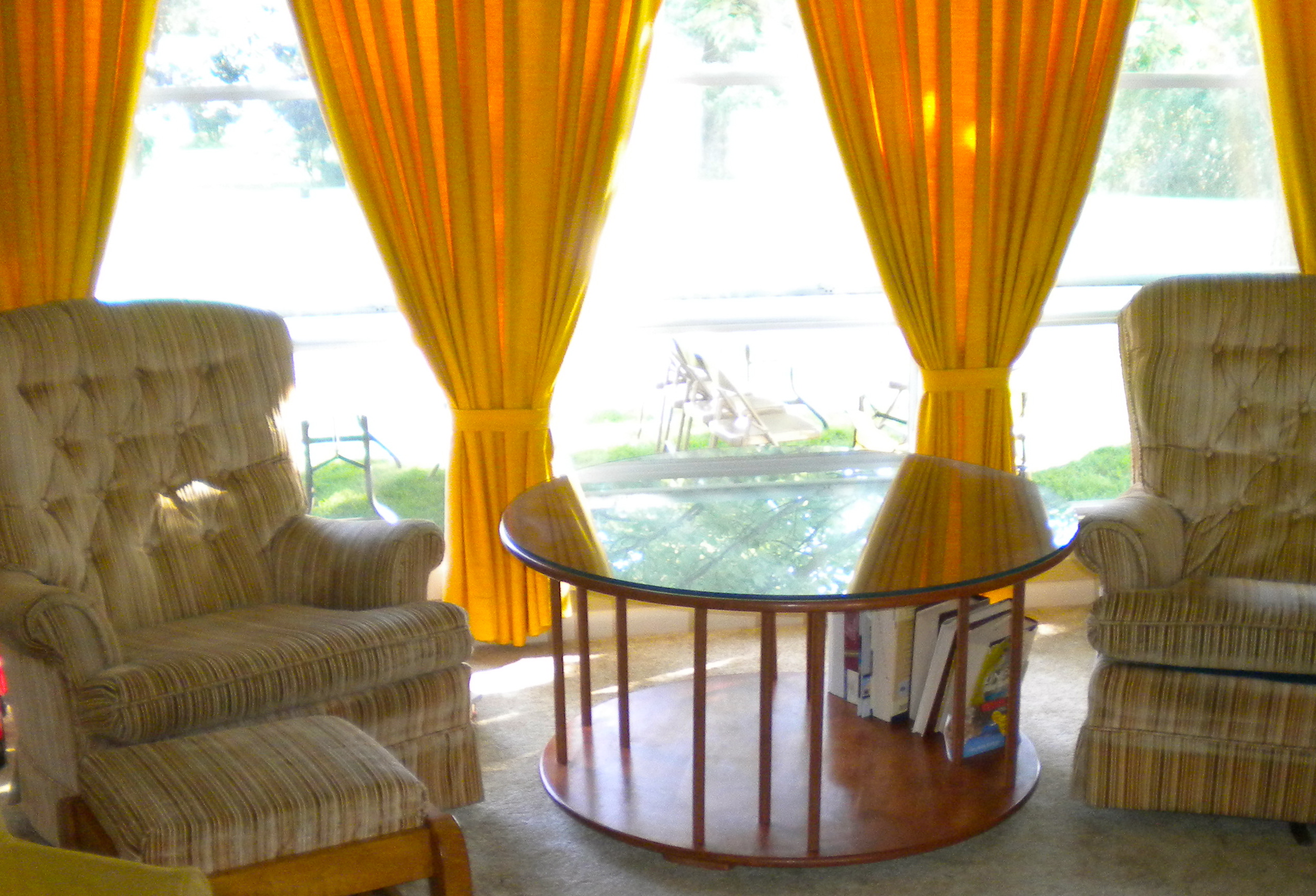
Completed Reproduction

Above is the result of this effort. Each platter is larger than the original, the spindles are turned with shoulders and also wedged and glued into place. Under the top platter is a stretcher system that will allow for seasonal wood movement. The spindles form a series of book storage spaces and is a pretty neat design. I put a gentle radius on the edges of the discs which blended very well into the glass protective top. The legs/undercarriage is attached to the unit via a heavy duty lazy Susan mechanism that allows the whole table to rotate making it a great table for games and similar activities.

Upon delivery of the new table I was eager to get a look at the original. As it turns out the original was a made from pine and stained and from what I heard built from a kit in the late 1950s or early 1960s. The new table was a hit with everyone at the party and should last for many generations to come.

Below you can see the table being constructed and delivered:

This slideshow requires JavaScript.

Curly Cherry Table Top with Domino XL

Beyond basic mortise and tenon joinery/carcass construction the Festool Domino XL also has potential to replace my biscuit joiner.

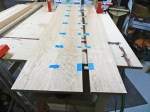
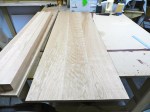
I’ve been working on a curly cherry shaker console table for our dining room and wanted to see how well the indexing fence would work in gluing up a table top. The first step was milling the wood and laying it out to get the best grain patterns.From there I marked out where I wanted the dominoes — being careful to make sure when the top is cut to final size no domino would be exposed. I also marked the center lines on blue tape to save with later cleanup.

TIP: set the tape back from the edge — otherwise you run the risk of having blue tape forever captured in your joint and ruining the appearance of the top.

I started off working the same way I would with a biscuit joiner — using the center line as my guide. Things moved along well and with the dust collector attached the machine left nice clean holes. On the second joint I used the indexing fence to speed up production. The key to using this fence well is making sure that you have BOTH fences set exactly the same and doing a test cut on scrap wood — this way you can be sure your joints line up the way you want.  The first time using this method I did the same measuring and tape technique to gauge if I was drifting at all. If you are diligent in applying pressure so that your indexing pin is firmly in place you’ll be amazed with the result.If you are worried about the drift, you can set the machine to cut wider mortises and give some wiggle room like you have with biscuits. (I would recommend this technique for very long table tops — the more dominos you use in a row the more chance you have of making an error — but when going this route you have to be mindful of how your wider mortises can affect where the next mortise is set and lead you to drift off from where you expect as the extra room adds up — so use it with caution and/or mark things out as I have done above)

In an upcoming post I will cover using the domino to construct the carcase to support this table top — wherein the skirt boards were all made from a single piece of wood and provides a continuous grain pattern across the piece including the drawer fronts. Stay tuned.


The View From Up Here — Custom Loft

Another project from back in 2005/2006.

This loft was a great project with a lot of interesting challenges. This townhouse had a 2 story vaulted ceiling above the living room, dining room and kitchen and was designed in such a way that a loft would fit nicely above the dining room dividing wall.  By installing the loft with a lot of natural cherry trim it really warmed up the space, gave the dining room a much better sense of scale and sophistication and added ~150 square feet to a modest size townhouse.

The Before:

Loft Before
Loft Before

The After:

Railings, hand rails and ladder completed and installed. Matching cabinet is for storage of the ladder when not in use.

Highlights:

  • I designed and built this project from end to end
  • Solid cherry railings with hand and floating toe rail
  • Solid cherry custom access ladder
  • Can lights including detailed alcove for displaying art or similar highlights
  • Antiqued Maple flooring
  • Storage compartment to store ladder out of the way when not in use
  • Stainless steel hardware, grab bars, and matching cherry ladder storage compartment to match with existing kitche

Challenges:

  • Blending knock texture between new and old work
  • Building a 9′ custom ladder
  • Working in a tight space and protecting the rest of the townhouse

This slideshow requires JavaScript.