Category Archives: Traditional Woodworking

Making a Jointer Plane with Willard ‘Bill’ Anderson — Part 1

A single iron jointer plane is one of those tools you have use yourself to truly appreciate. Over Labor Day weekend I was fortunate enough to have the opportunity to make one of these planes with Willard ‘Bill’ Anderson at the Woodwright’s School in Pittsboro, NC.

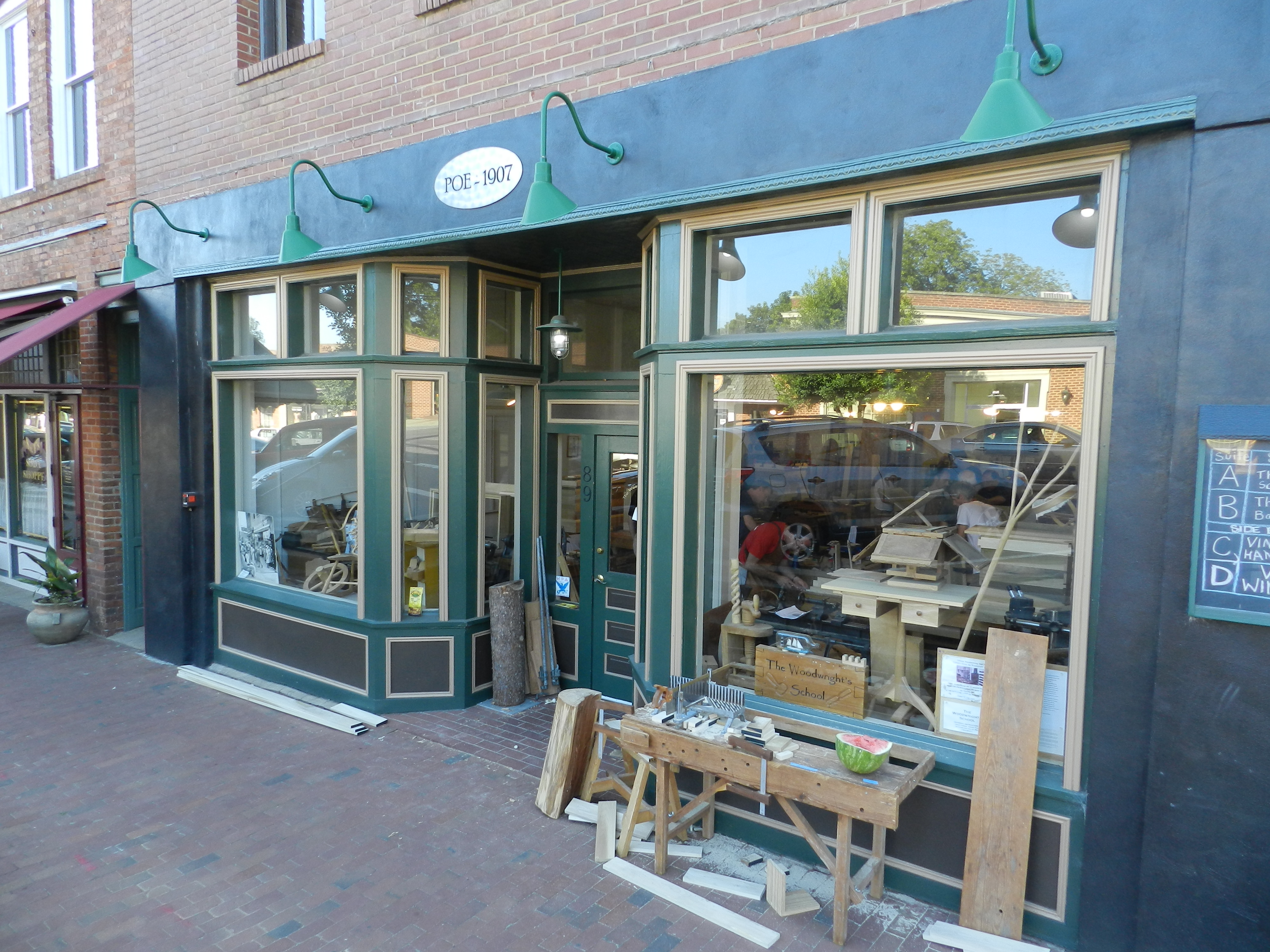
Entrance to the Woodwright's School
Entrance to the Woodwright’s School

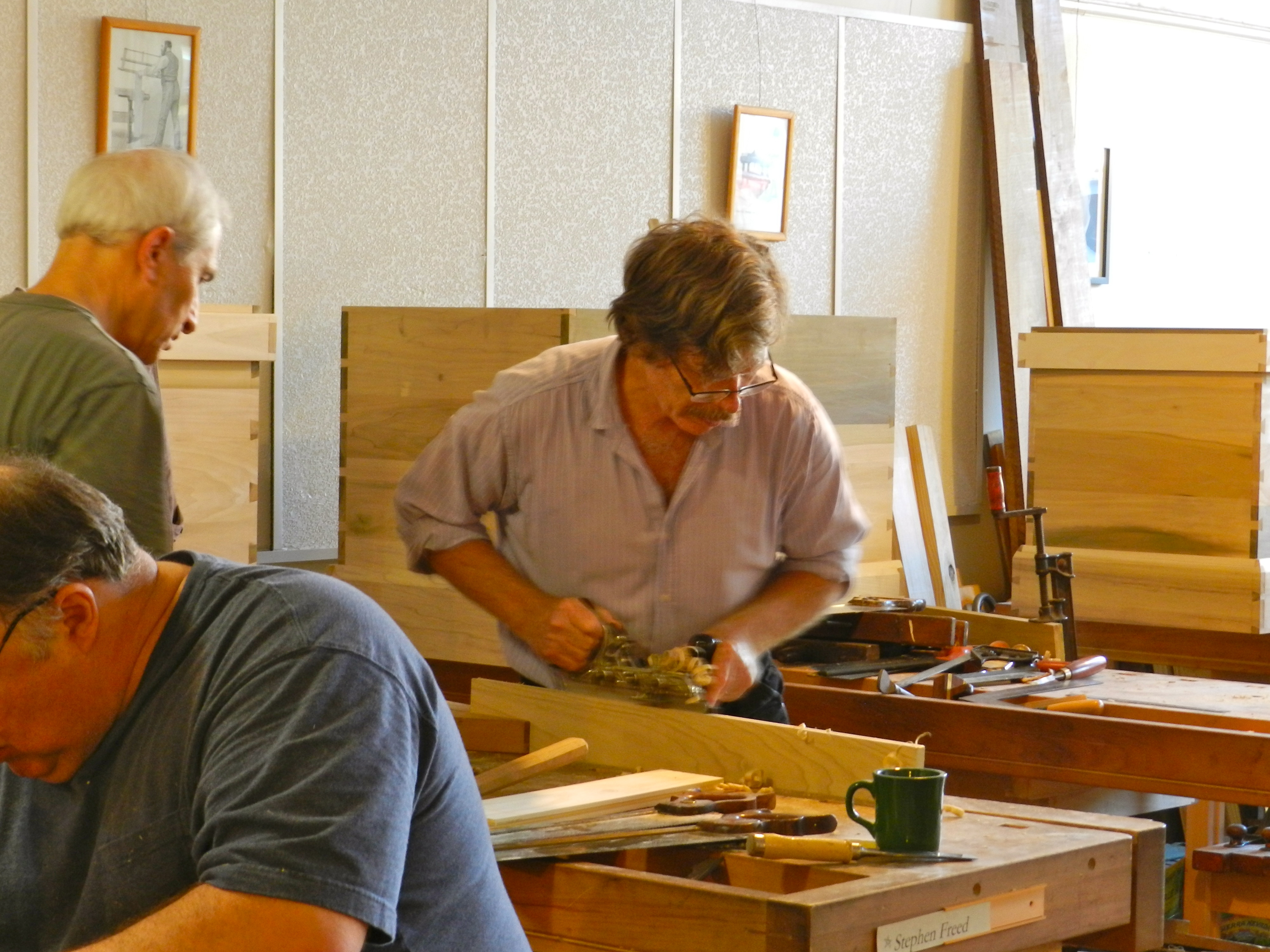
Bill is a passionate woodworker and skilled teacher. You may recognize him from his appearances on Roy’s television show or the articles that he’s written. He’s a molding plane aficionado and has studied plane-making and general furniture-making with many masters in the field. He recently retired from being a Scientist for the EPA so I see a lot of parallels to my own life working in software.
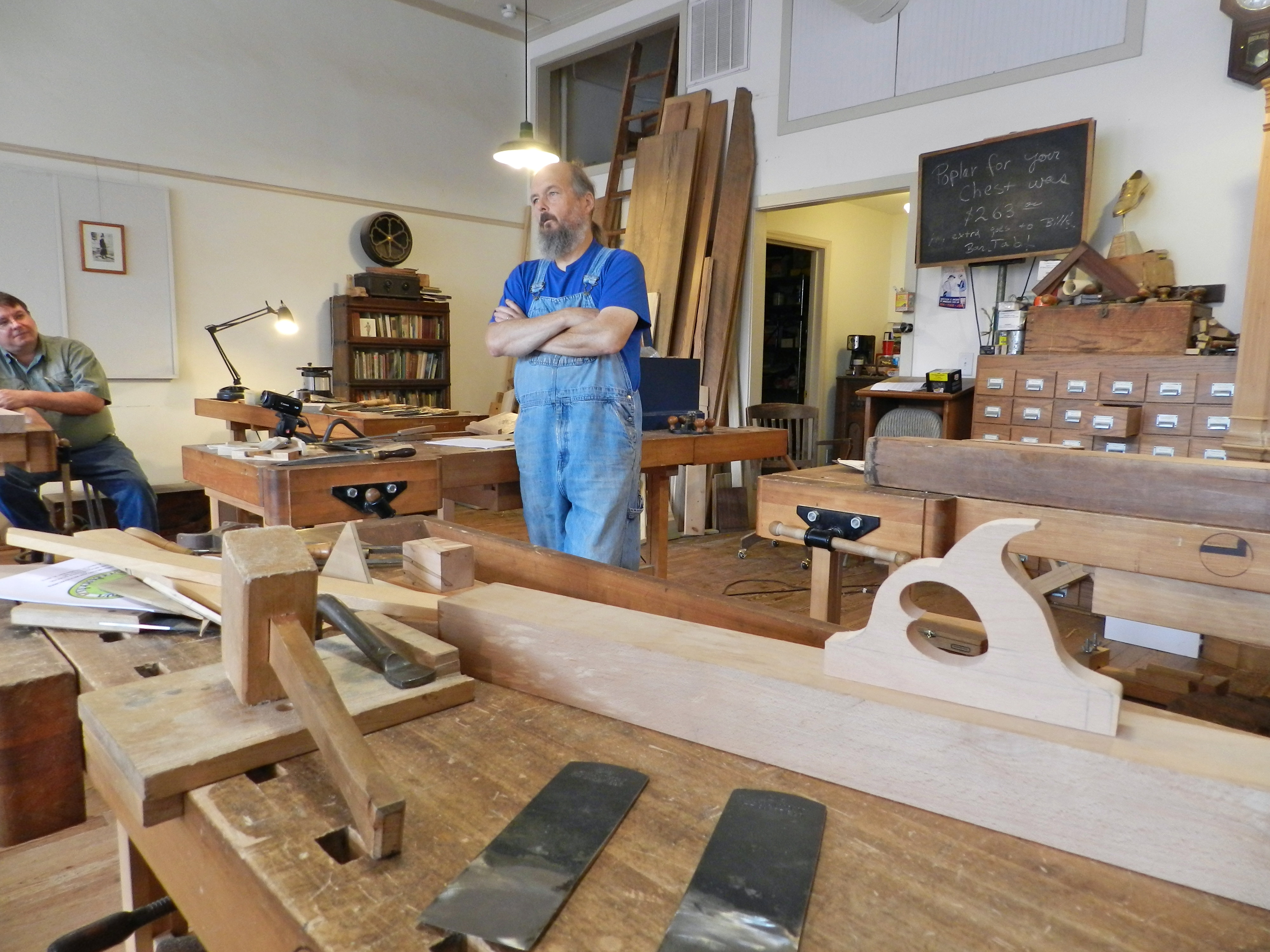
Getting started, with Bill Anderson

The plane is made of air dried American Beech and a new old stock English iron.
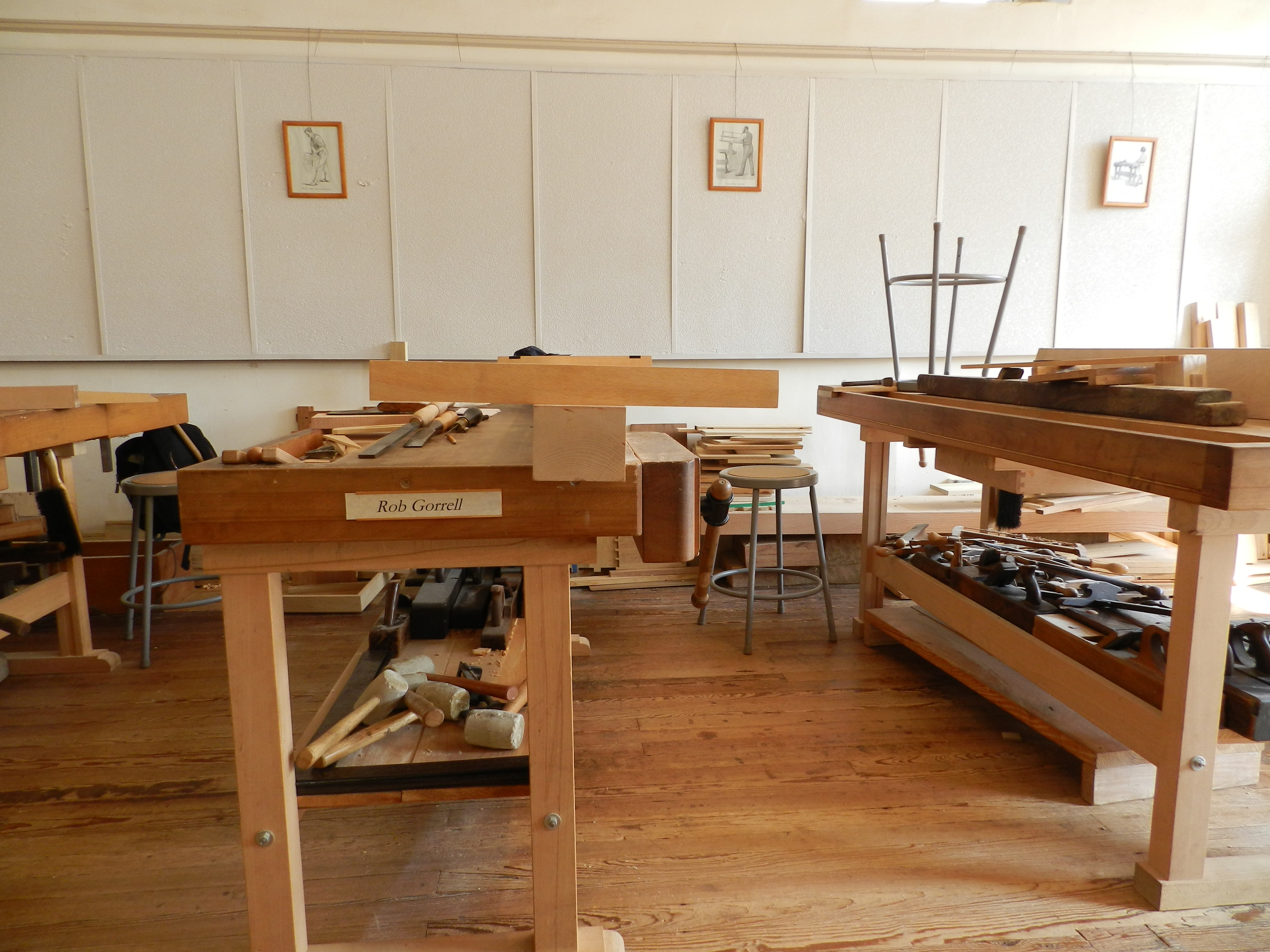
Squaring up the air dried beech blank

We started out by squaring up the stock using a wooden straightedge and winding sticks.
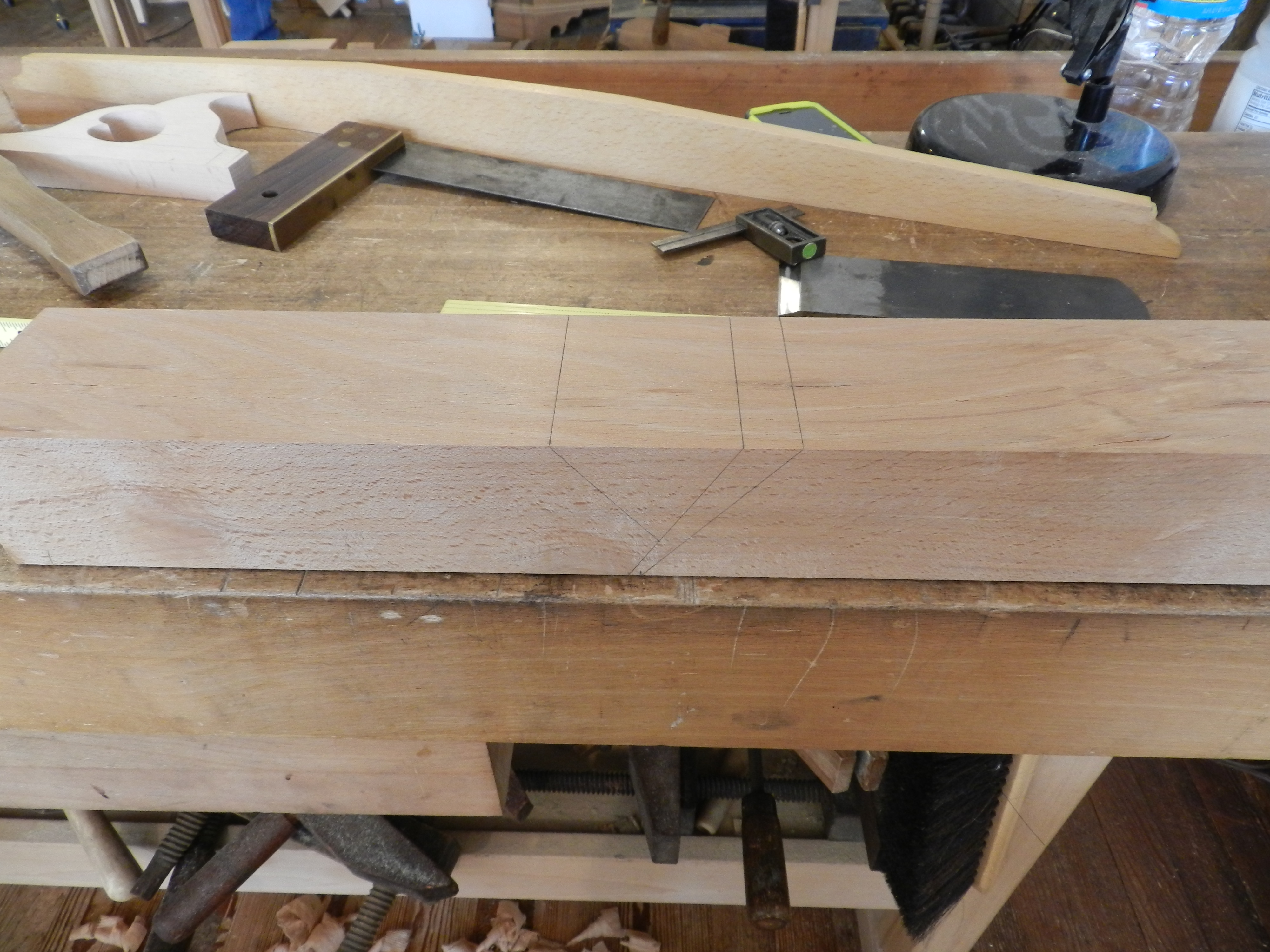
Laying out the mouth and abutments

Next up was laying out the mouth and throat. The mortises are all chopped by hand with a chisel and refined via a series of floats and scrapers. It was my first time using that many different floats, and for what looks like it might be a fairly coarse tool, when sharpened leaves a remarkably good surface.
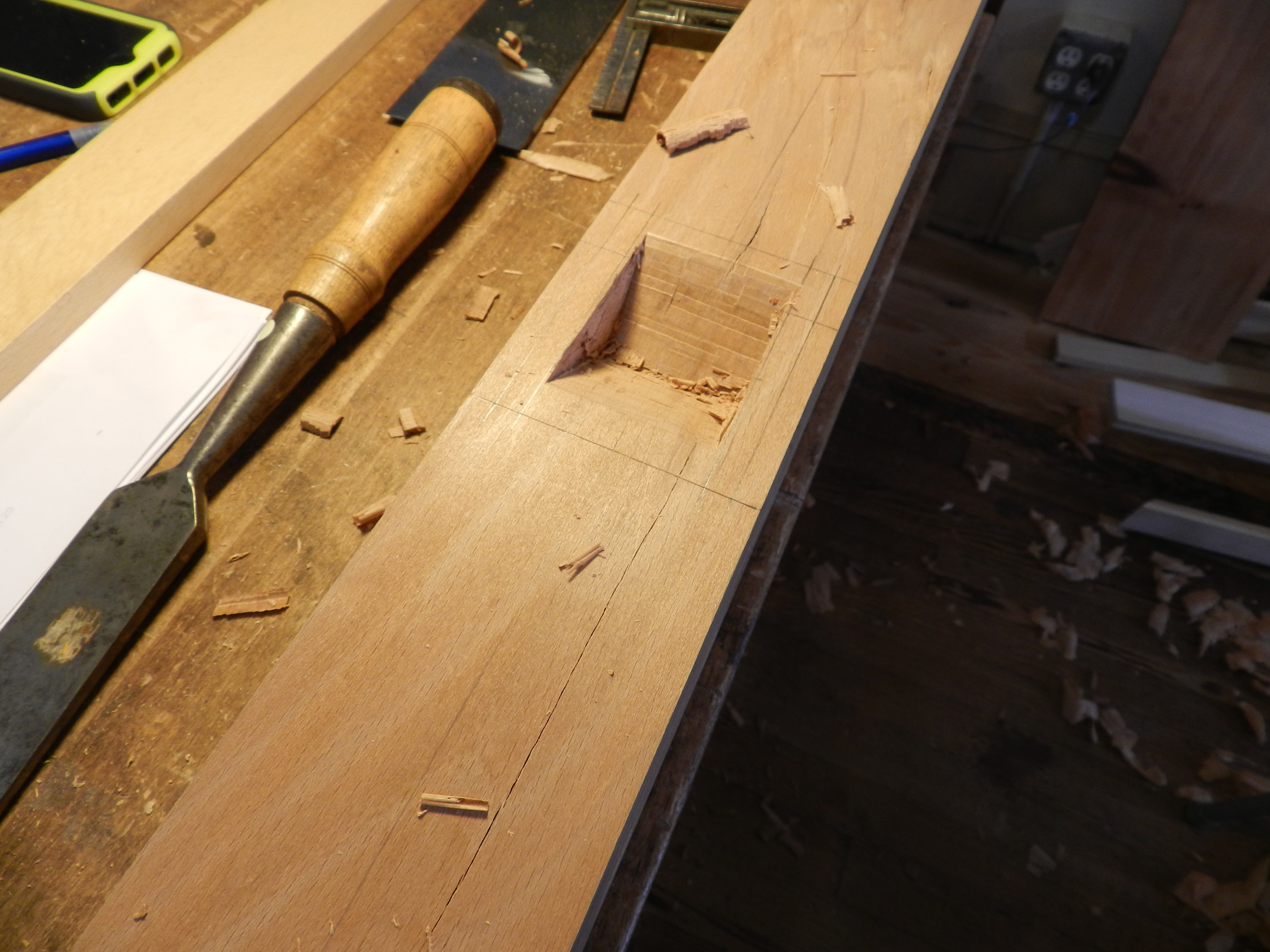
Chopping the mortise by hand

As we worked through the throat mortise a key was to make sure you don’t overshoot and chop through the abutment.
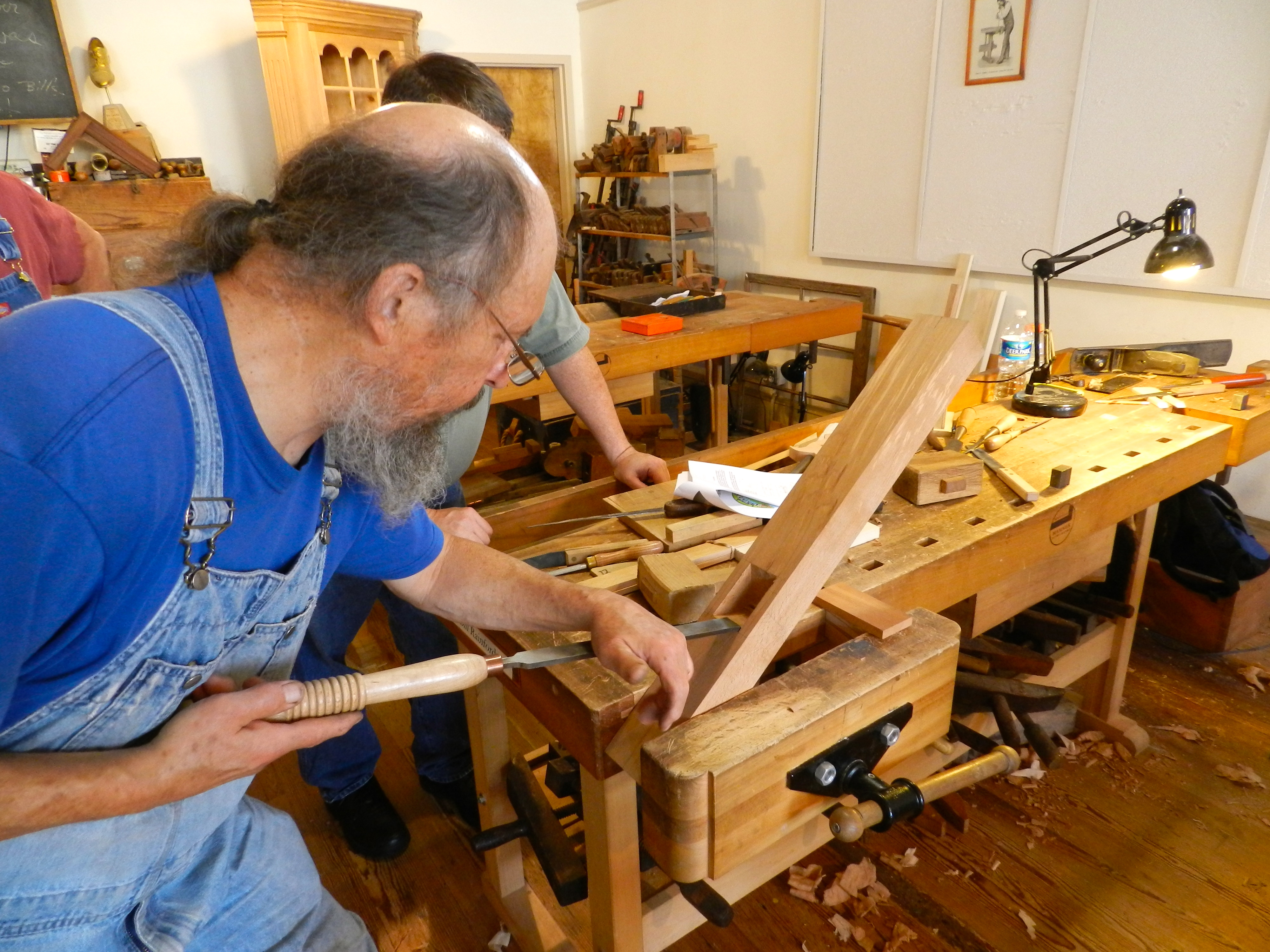
Scraping
Scraping

One of the last steps in refining the abutment and sides of the throat was to scrape the surface using a scraper chisel.
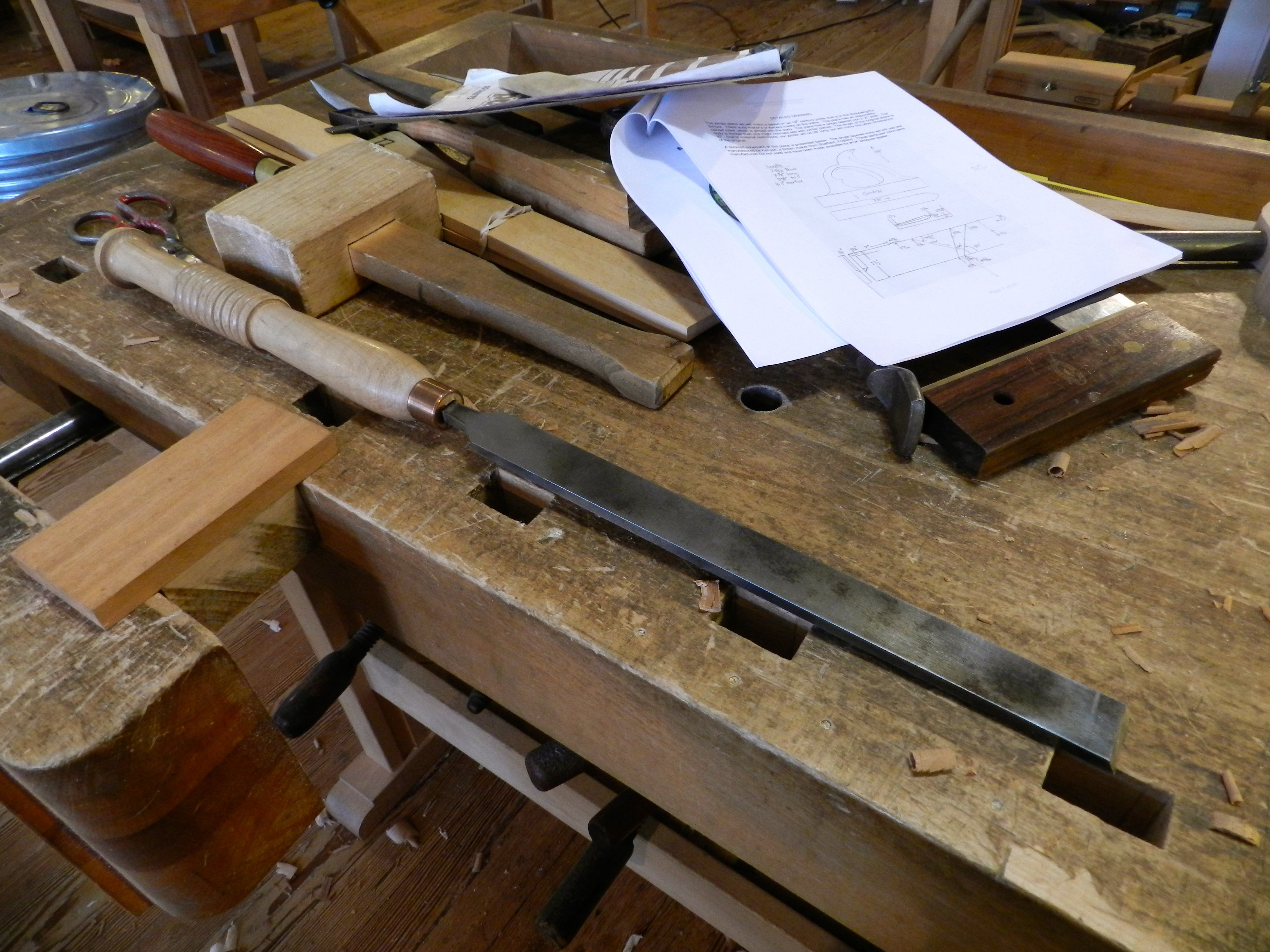
A very nice scraping chisel that Bill made

This beast of a chisel was made by Bill and heat treated by Peter Ross. It was based on some research Bill did into traditional plane making tools. The long bar of tool steel and handle allow you to put a lot of your weight into it as you scrape the surface flat. The cutting edge is a very steep angle similar to a scraper you’d use with a lathe (upside down compared to the lathe tool) but works well since you are only removing a little bit of material at a time.
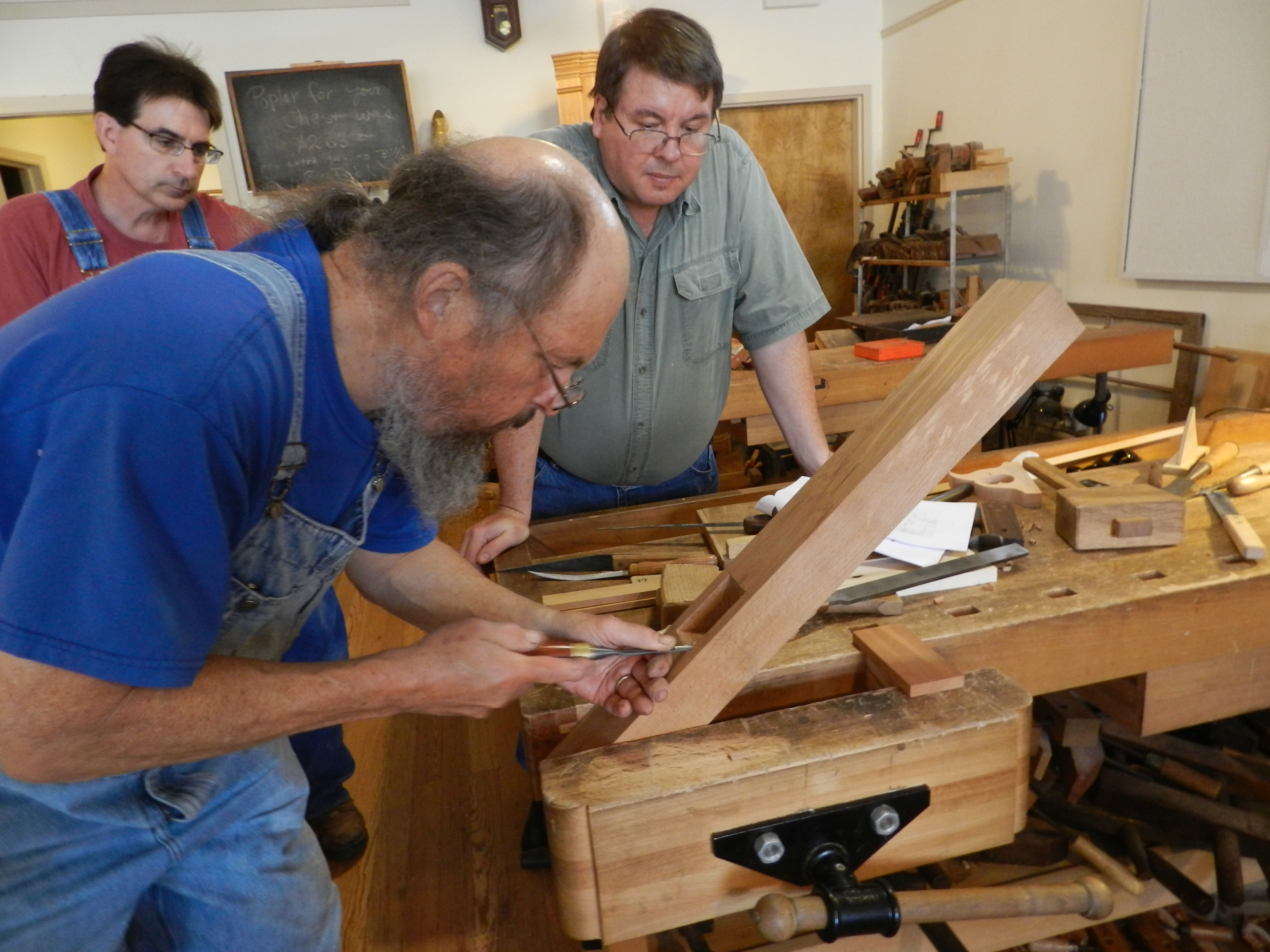
Paring away any fuzz

Regular bench chisels are used to clean up any fuzz in the corners. Next up is cutting in for the wedge and cleaning up a cheeks. This is an operation that requires a steady hand and the ability to work to an exacting standard. You want your test wedge, and eventually your actual wedge, to fit tightly against the abutment so the iron does not move when you are working with the plane. I took my time and was very happy with the results.
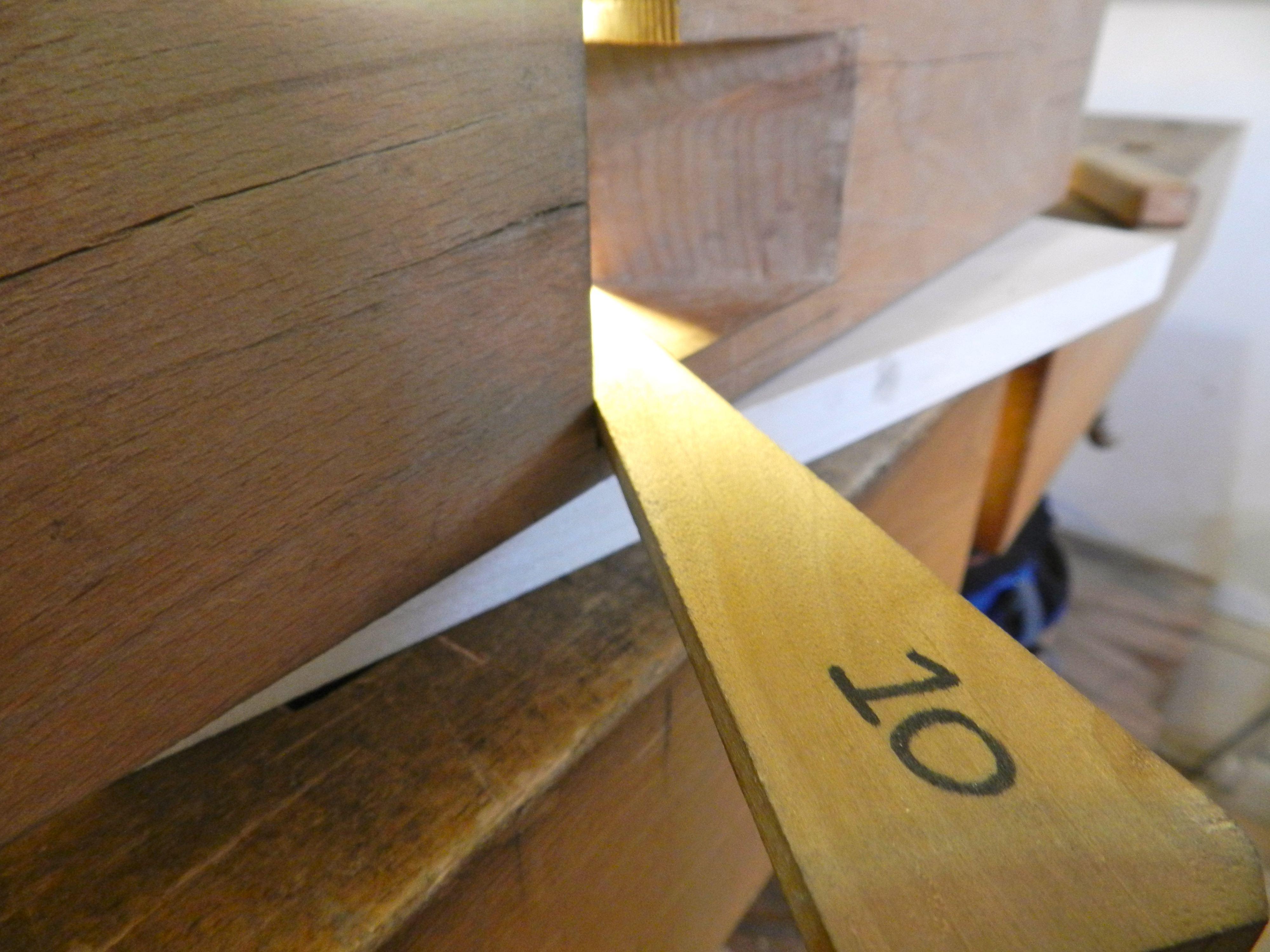
Fitting with test wedges

In upcoming posts I will document more about my experience in building and finishing this plane.

In the meantime, if you’d like to learn more about Bill Anderson or take a class with him, and I highly encourage you to do so, please check out his website here.

-Bill
The Woodwright’s School

For Labor Day weekend this year I flew down to the Woodwright’s School in Pittsboro, North Carolina to take a 3 day class on making a Jointer Plane with Willard ‘Bill’ Anderson (more on that in an upcoming post).

My flight got in early on Friday and I had the chance to hang out with some friends at the school during the last day of a class on building the Anarchist’s Tool Chest with Chris Schwarz.

The Woodwright's School
The Woodwright’s School

The Woodwright’s School is located in downtown Pittsboro which is a scenic town about 20 minutes from Chapel Hill.

Roy Underhill planing a groove

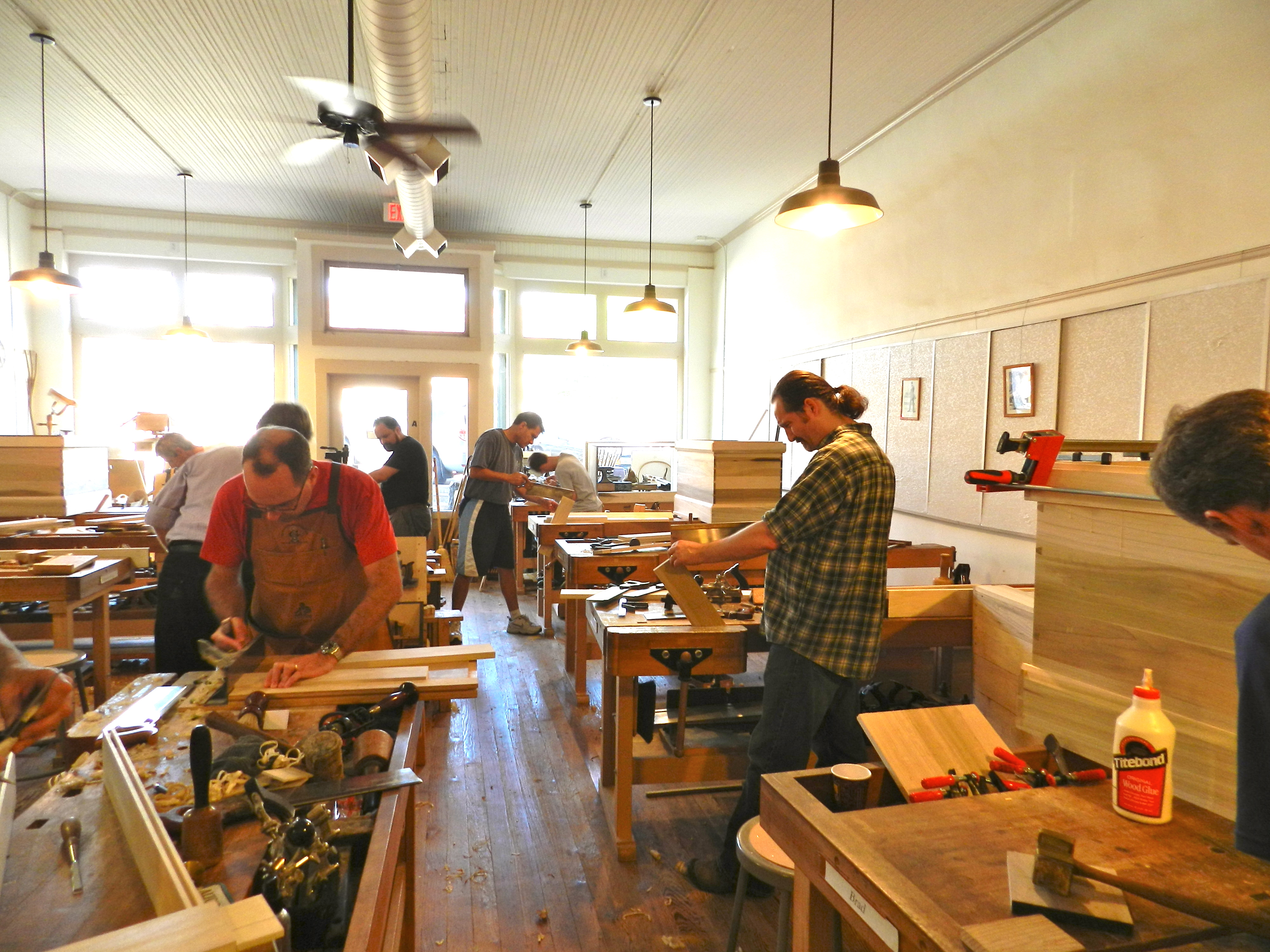
Don’t let the sometimes quiet streets fool you, once inside the school you are in a lively space full of folks who as passionate about woodworking as you are. Roy was on hand to help students as they worked their way through the last day of week long class on building a traditional English tool chest based on Chris’ book ‘The Anarchist’s Toolchest’.

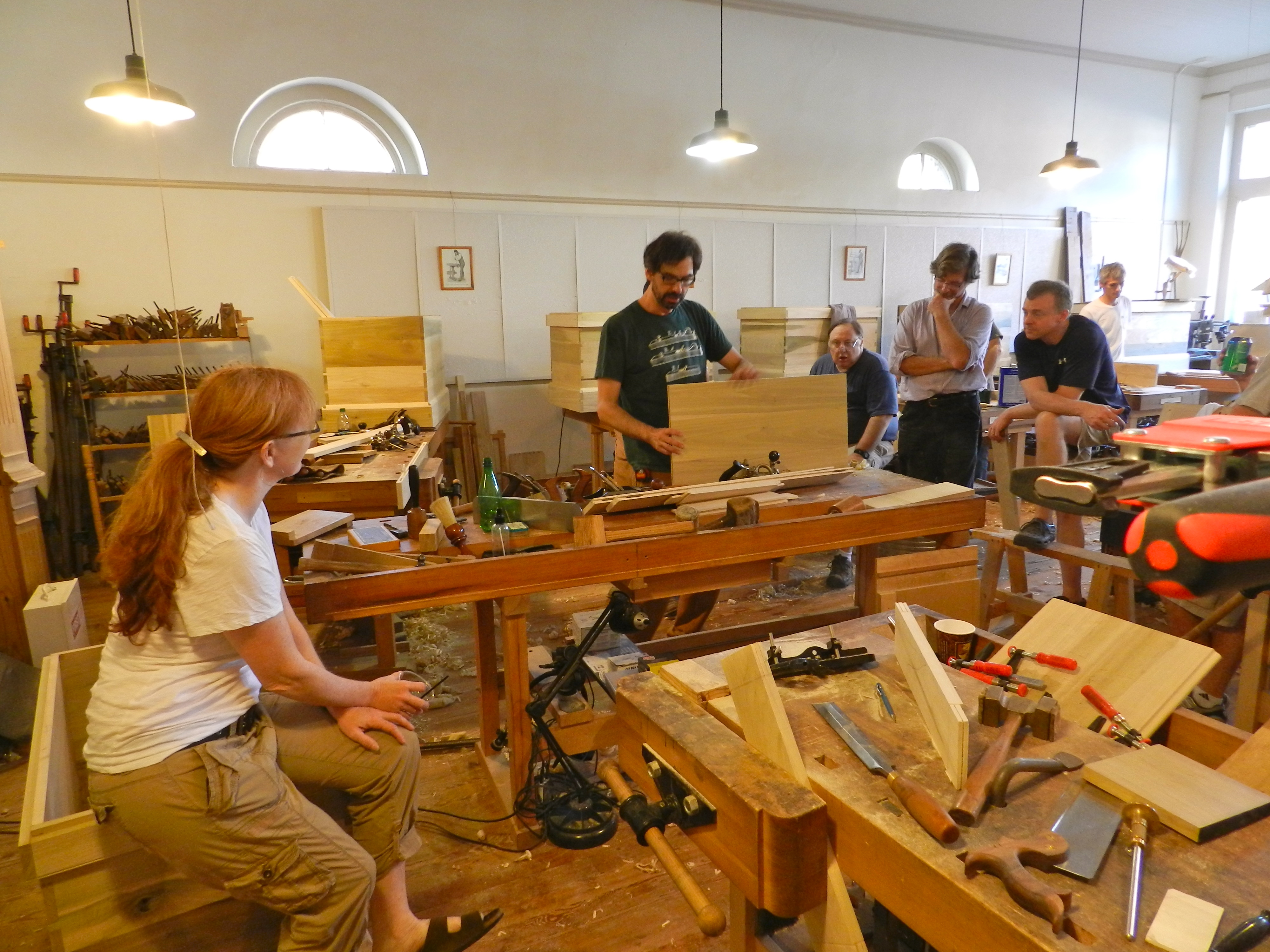
The class busy working on their Anarchist's Toolchest
The class busy working on their Anarchist’s Toolchest

One of the attractions to Roy’s school is its focus on only using traditional English/American hand tools — there were no whining power tools, no Dozuki saws and no plastic handles to be seen — or at least none that I saw when Roy was making his rounds. 😉

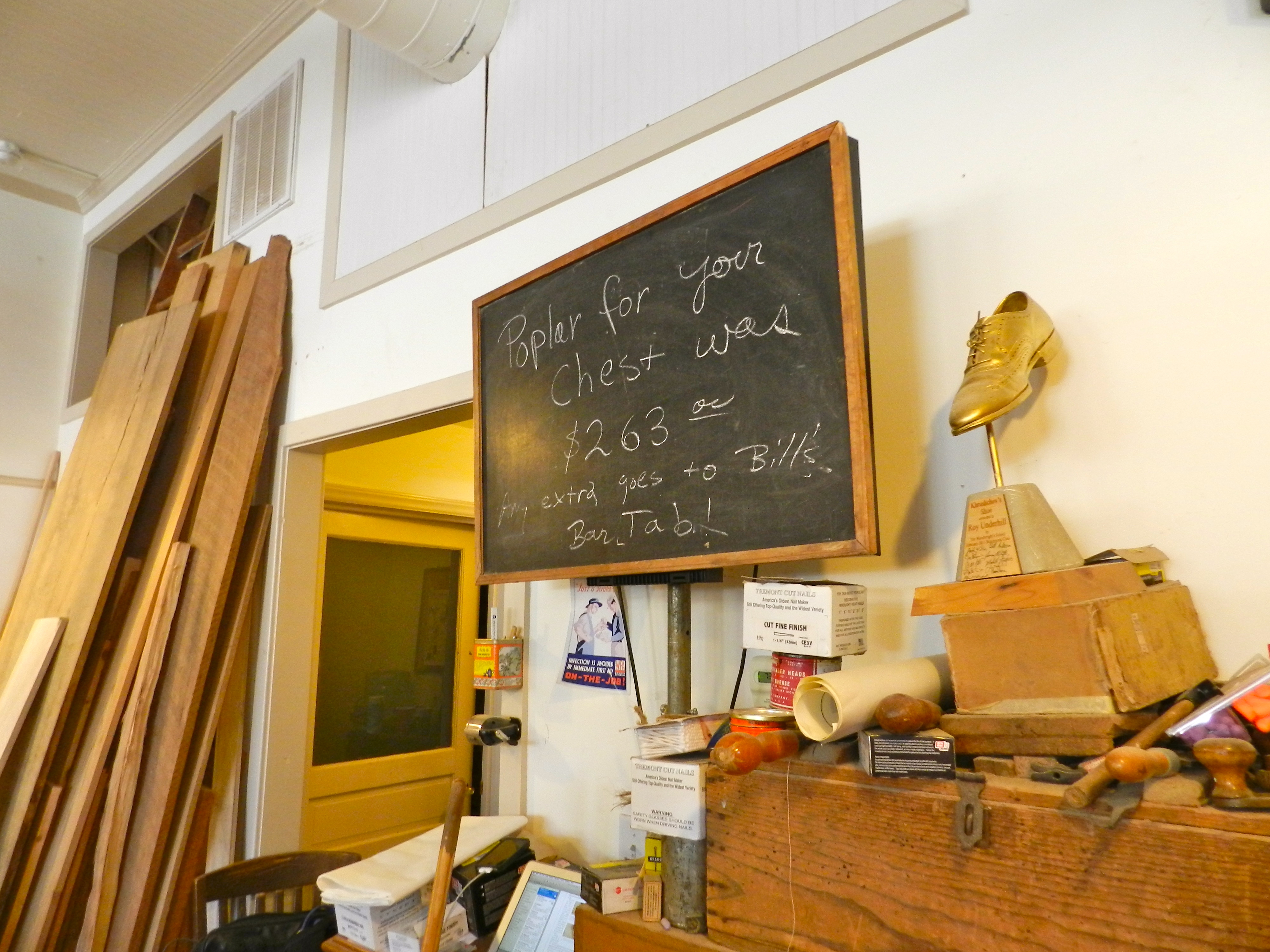
Feeding Bill's bar tab and Khrushchev's shoe
Feeding Bill’s bar tab and Khrushchev’s shoe

If you ever read Roy’s book on public speaking you’ll get why Khruschev’s shoe is an interesting trophy. Beyond the witty stories and advice on how to keep a crowd engaged and entertained, the last chapter on the morning after a presentation was the one that resonated the most with me. Applying the advice therein has improved several lectures I have to make each year.

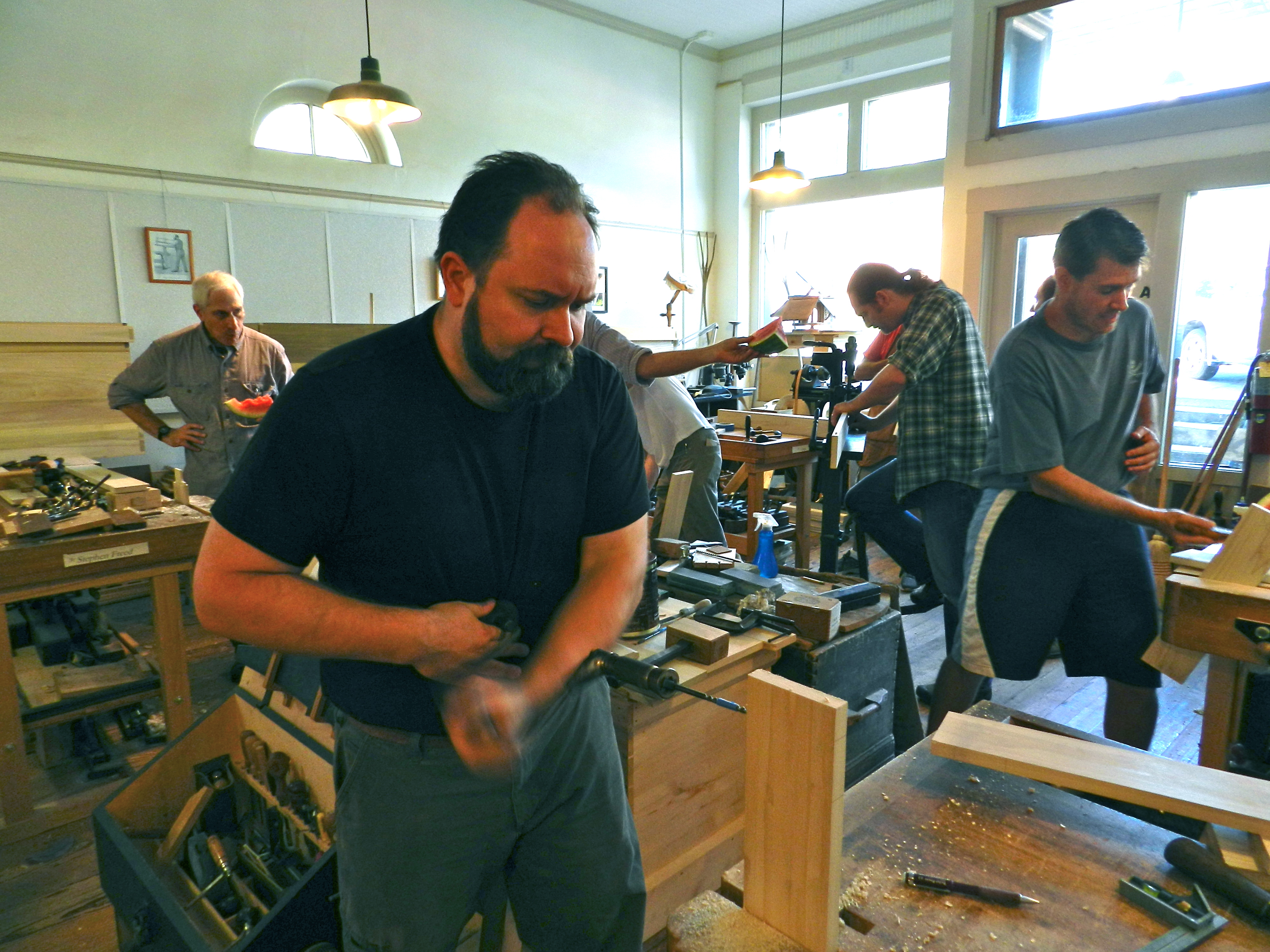
Drilling out a mortise

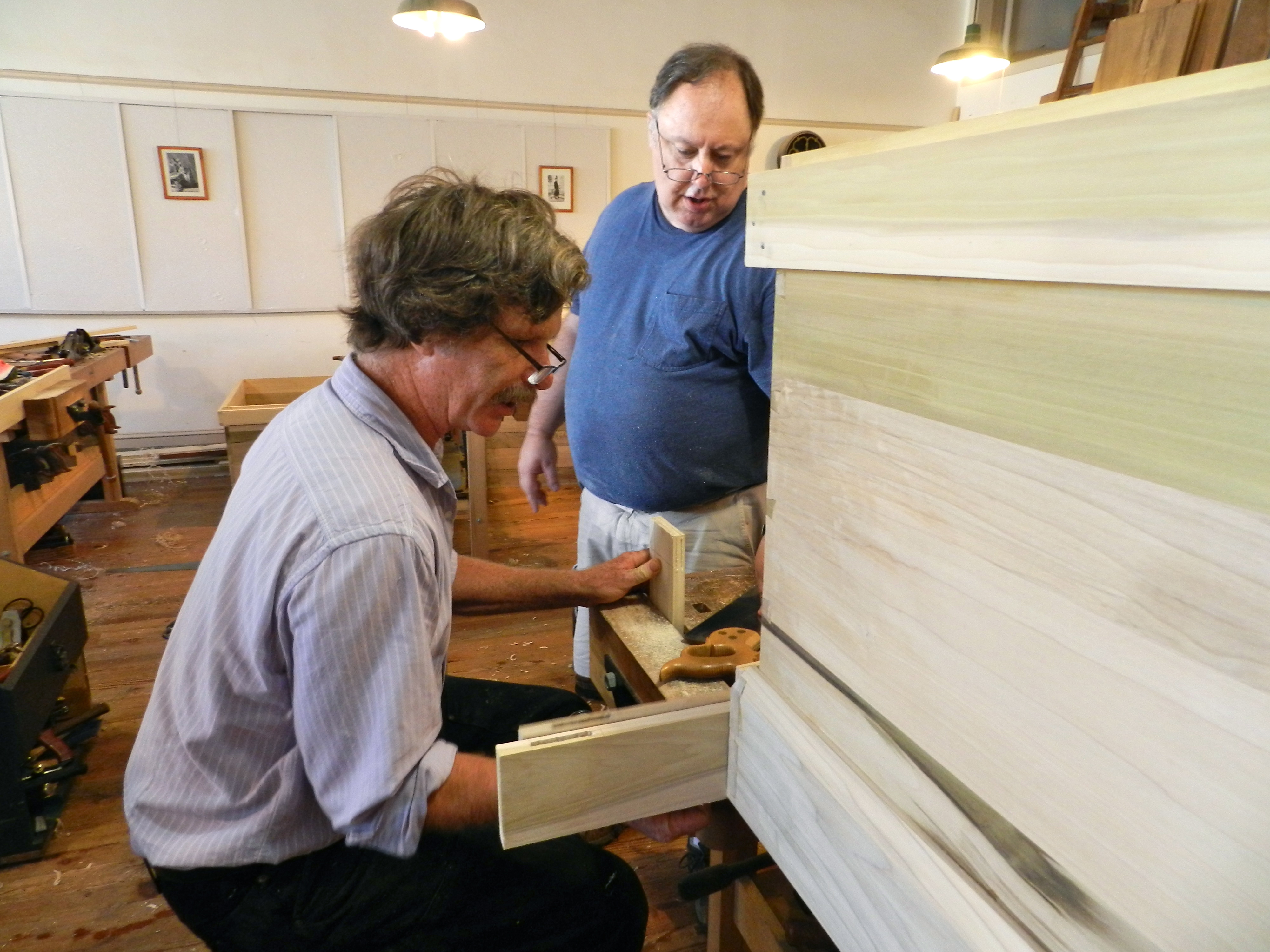
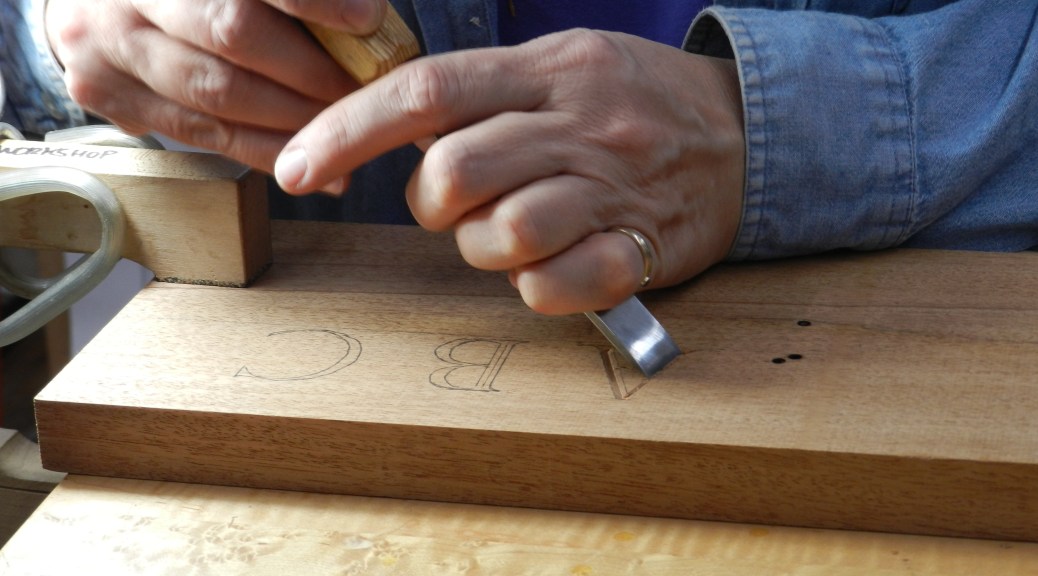
Traditional woodworking can feel like a very small world at times — the gentleman in the photo above was also in the class I took earlier this summer on making a Name Stamp with Peter Ross at Roy’s school — even though I was 700+ miles from home I happy to see that I could still run into people I knew.

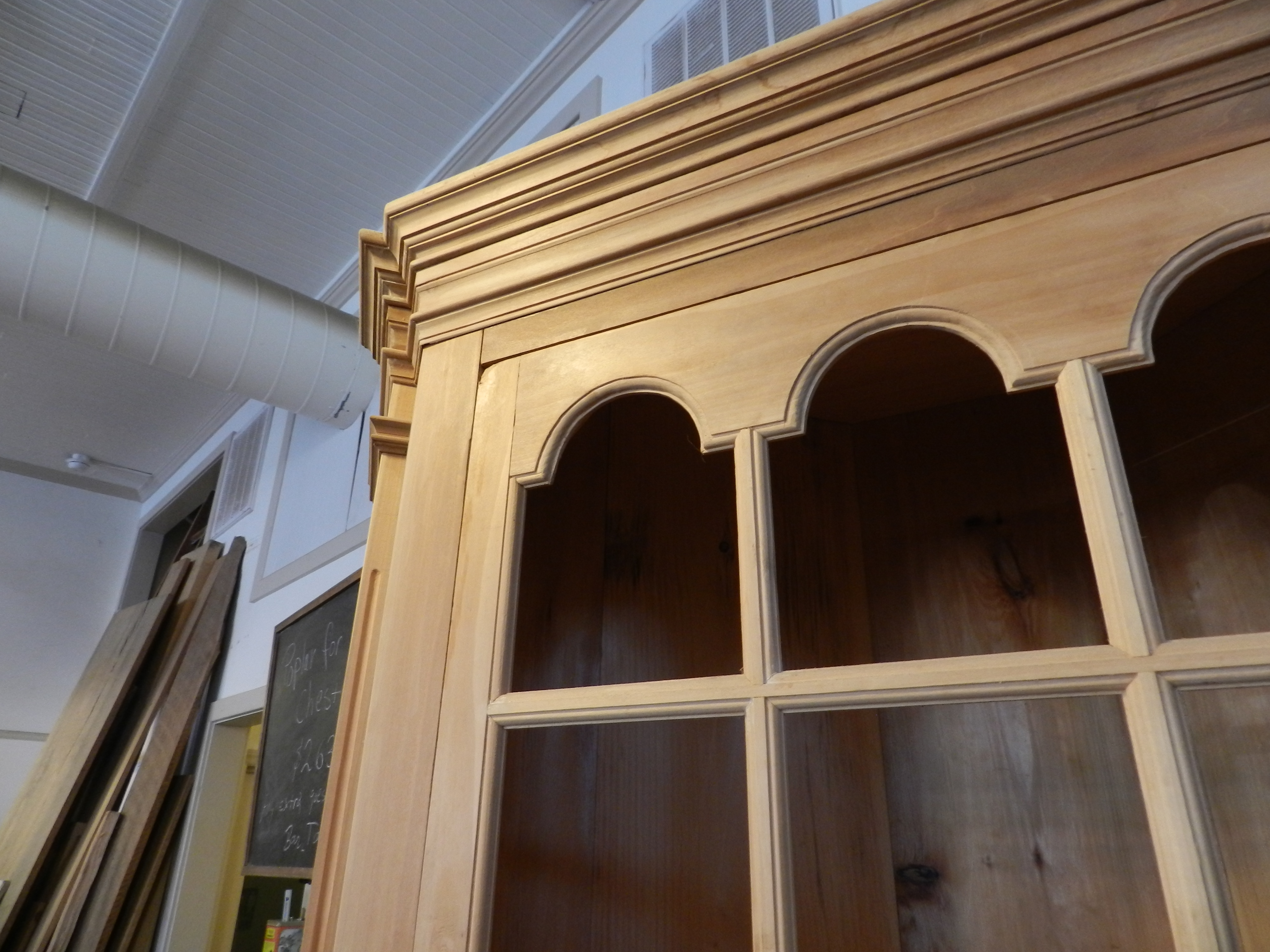
Roy's corner cabinet
Roy’s corner cabinet

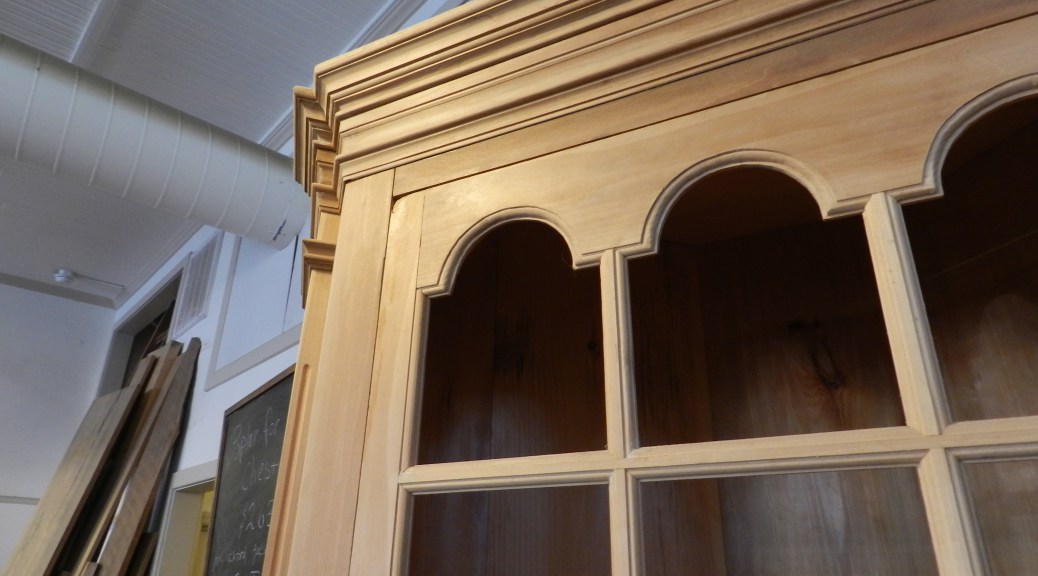
Loitering in the back of the classroom is a corner cupboard you may recognize from Roy’s show. I heard his wife has been waiting on it for a while — which made me feel a tiny bit better about the dresser I owe my wife Alyssa — which reminds me I need to get working on that again….

Chris Schwarz teaching

It was also great to spend some time hanging out with my friends Chris Schwarz and Megan Fitzpatrick including a stroll through Ed’s tool shop above the school.

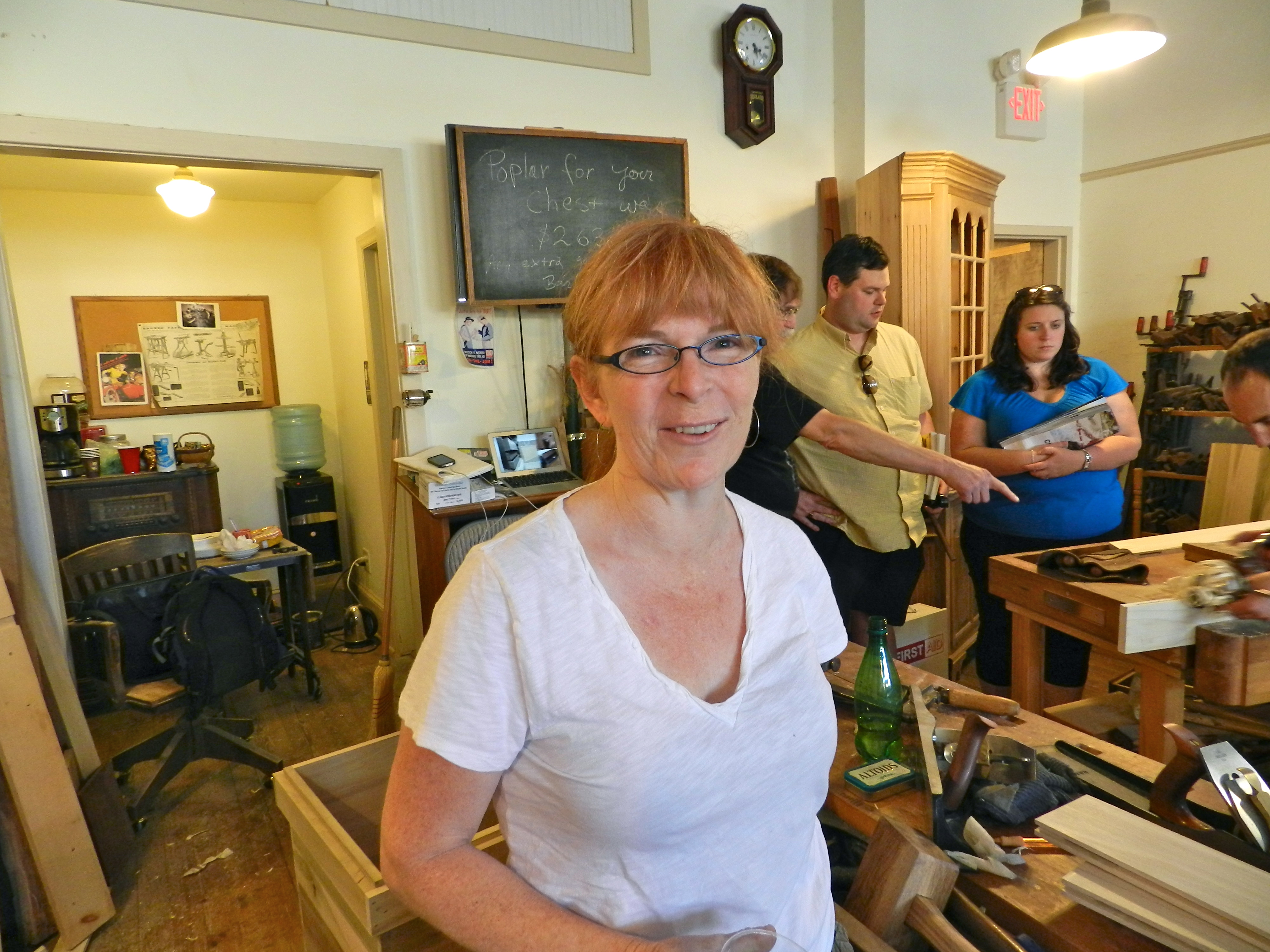
Chatting with Megan Fitzpatrick

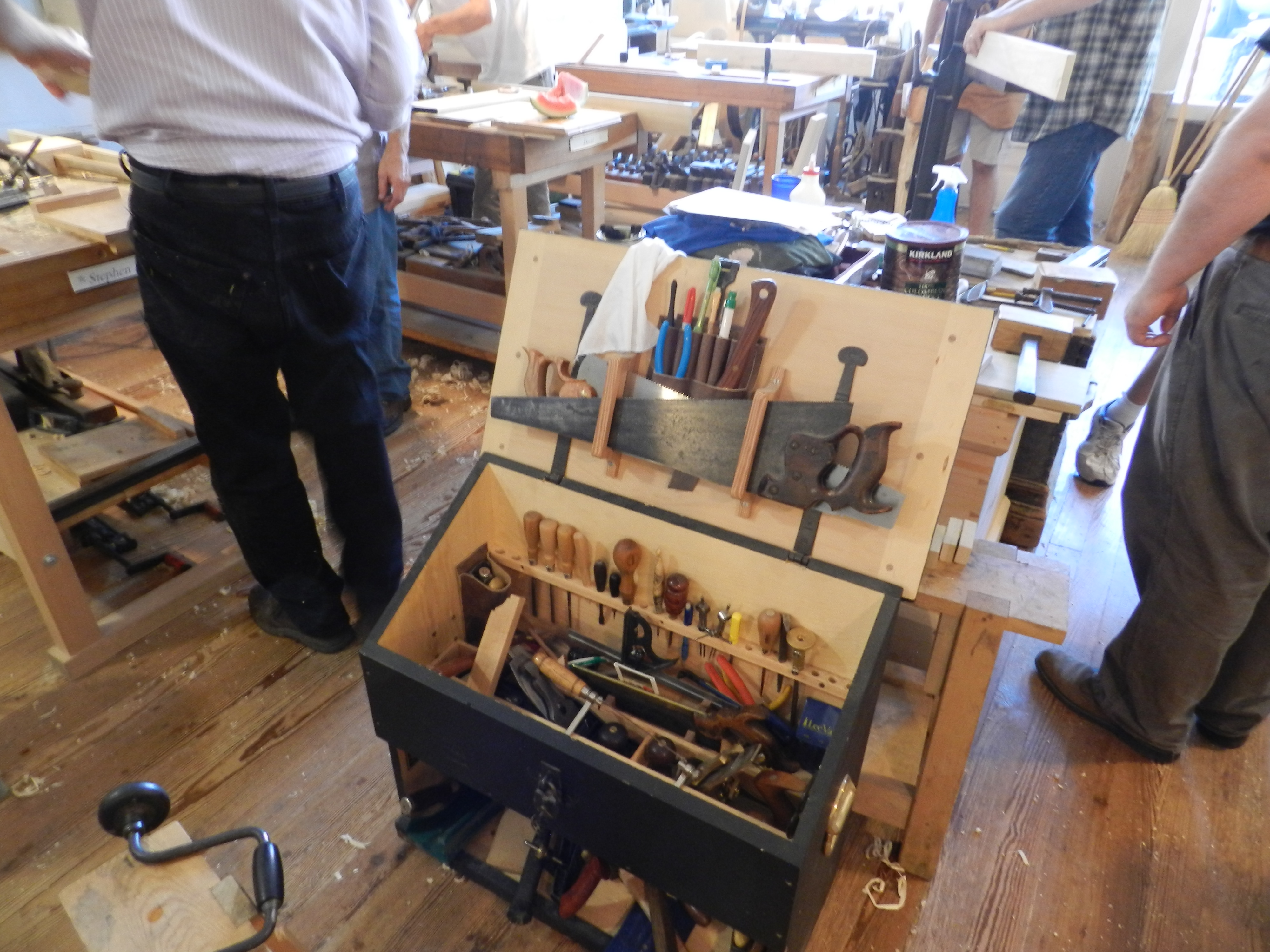
No toolchest is ever completely filled and Ed’s shop has a huge collection of traditional tools on par with some of the best regional tool shows. I tried my best to be good and save my pennies for the Nashua tool show later this month, but I did find some new toys.

Chris' Dutch Tool Chest
Chris’ Dutch Tool Chest

I had fun chatting with everyone, examining some interesting tools and helping to sweep up before a trip to the City Tap — which is a awesome bar just behind the school with great food and drinks.

Roy helping a student

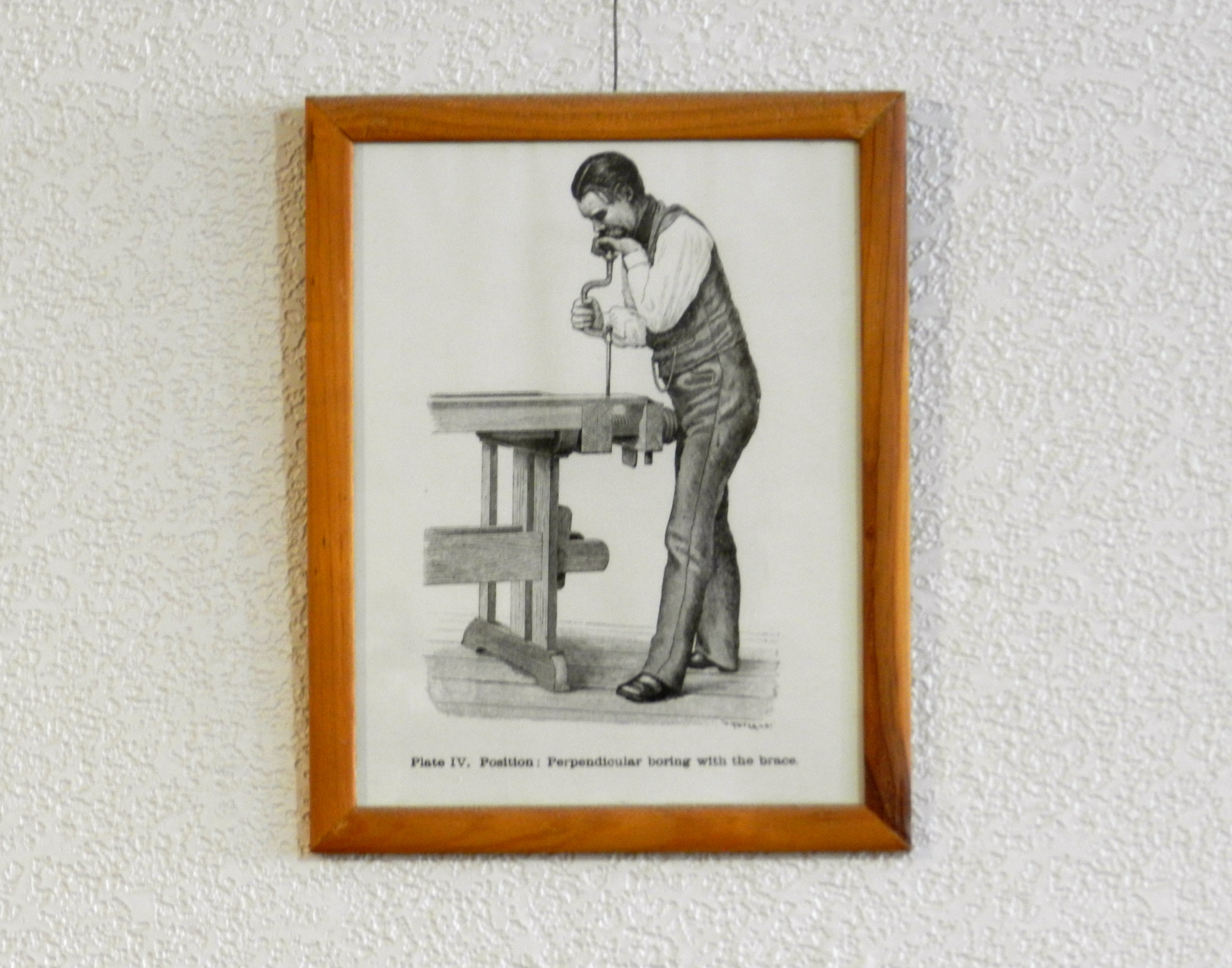
On my way out of the school I saw my old friend Otto Salomon and various other proper woodworking models from the Teacher’s Handbook of Sloyd.

Sloyd Prints
Sloyd Prints

It seems the Woodwright’s School is full of new and old friends that are literally popping out of the woodworking.

If you’d like to learn more about the school, make some new friends, meet up with old friends, or sign up for a class you can check out the school’s website here.

-Bill

The Real Cost Of A Tool

When looking at the historic prices of tools, even after converting the dollar amounts into today’s prices it often does not give a truly accurate representation of what a tool really cost the person who bought it. I remember my first job in high school working in a retail clothing store for ~$5 an hour in 1997 which was the minimum wage in NY at the time. If I went to the store to buy something, part of that decision was always based on a calculation of ‘how many hours did I have to work to buy this item?’

Hammacher Schlemmer Sloyd Knife Ad -- The School Journal July 2, 1898
Hammacher Schlemmer Sloyd Knife Ad — The School Journal July 2, 1898

I wanted to apply this same logic to some of the tools in the 1900 Sloyd tool chest list we talked about here. I did some research and found that the average carpenter in 1899 made $2.30/day**. So that would mean the Sloyd cabinet full of tools which cost $11.91 would be about a week’s worth of wages to purchase  — 5.17 days to be exact.

Hammacher Schlemmer Sloyd Training Bench from 1898 ad in the School Journal

This summer I had a chance to chat a bit with my cousin, master NYC woodworker James Cooper. (Or as he is known to the family — Jim)

Jim has been working in the craft for a long time and it was great to pick his brain a bit on this topic. I’ll recount some of my interview with him here:

“In 1971 we worked for $4/hr (although we were often wrong in estimating the time required) and the only catalog I could find from that era, 1973, is of a small German American maker of chisels and carving tools where Pattern Maker’s Chisels, 6mm – 30mm,  sold for $7.50 – $12.50 ea…….about  2 – 3hrs of labor! Today a competent mechanic in NY can earn $25/ hr and a decent 3/4″ (19mm) chisel can be had for $25 – $40 or rather less work then I exchanged 40 yrs ago. The most important point to emphasize is that whatever the cost, good to great hand tools will last a lifetime+ and, well used and cared for, will feed you for all that time, while never loosing value.

The early 20th Century Bailey 07 plane that I picked up, used but cleaned, at a flee market in 1981 for $100 (which at that time was about the cost of a new British Stanley) is worth $200+ today after my having used it for countless hours to realize 100s of projects over all that time…and it outperformed the British Stanley to boot! The $100 Bailey bought in 1981 was less then a days labor (about $125 / day at that time)!” — Jim Cooper

Taking the 3/4″ firmer gouge as an example I tried to plot it over time, and here are my findings so far:

Year Price Avg Pay Rate Time to earn it Notes
1900 $0.34 $0.23/hr 1.48 hours work $2.30/day, so assuming an 10 hour day for hourly rate at the time
1973 $10.00 $4.00/hr 2.5 Hours Assumption that during this time was potentially a low water mark for availability of quality tools in the US — all the old makers were on their way out, and new high end tools were only getting started
1981 $20.50 $12.50/hr 1.64 Hours Based on estimate of about $125/day and assuming a 10 hour day. Price of tool inflation adjusted from 1973 data point. Note also this was the time of a large global recession.
2013 $49.99 $25.00/hr 2 Hours Based on current price of a Henry Taylor 3/4″ in-cannel gouge from Traditional Woodworker which is very similar to that original gouge in the Sloyd tool chest

If any of my readers have some additional data points, I’d be happy to flesh this out more — especially before and after the world wars. So if you have an old tool catalog with prices from an earlier time (especially for a 3/4″ firmer gouge) or recall and are willing to share your pay rate at an earlier time (either hourly or daily) I would be happy to flesh this out more and see what else the data can teach us.

My conclusions based on all of this?
The availability of good quality tools, societies’ willingness to pay a craftsman a fair wage, tax codes, the macro-economic climate and the ability to find work in that field have all fluctuated over time which makes it hard to draw a lot of concrete conclusions without befriending an economist or gathering a lot more data. But having said that, I think all craftsmen and women have at one time or another done the mental calculation of current wage versus the price of that new tool and thought to themselves ‘I really need to charge a higher rate’ 😉

What to you think?  There are only so many working hours in a lifetime. Are you spending more on tools today relative to your hourly wage compared to earlier decades? Or are you coping in other ways? (Refurbishing old tools etc which still takes up a lot of time). I’m interested to hear your thoughts in the comments below.

-Bill

** I used the following source for that pay rate data —  http://www.nber.org/chapters/c2486.pdf

Lights, Camera, Action….

I’m happy to report that the companion video series for my recent Fine Homebuilding article ‘Master Carpenter: Reproducing Traditional Moldings’ went online today.

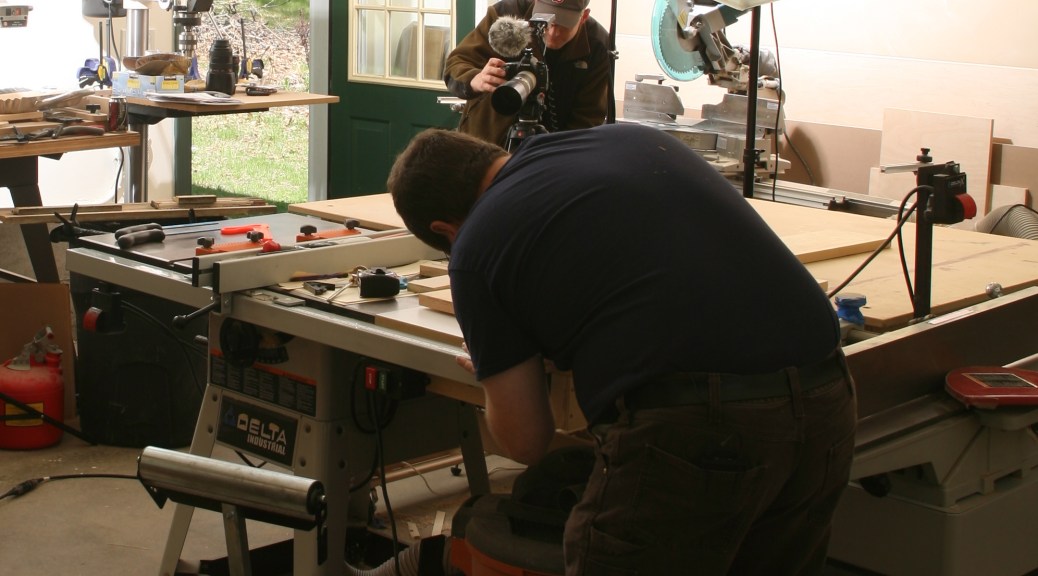
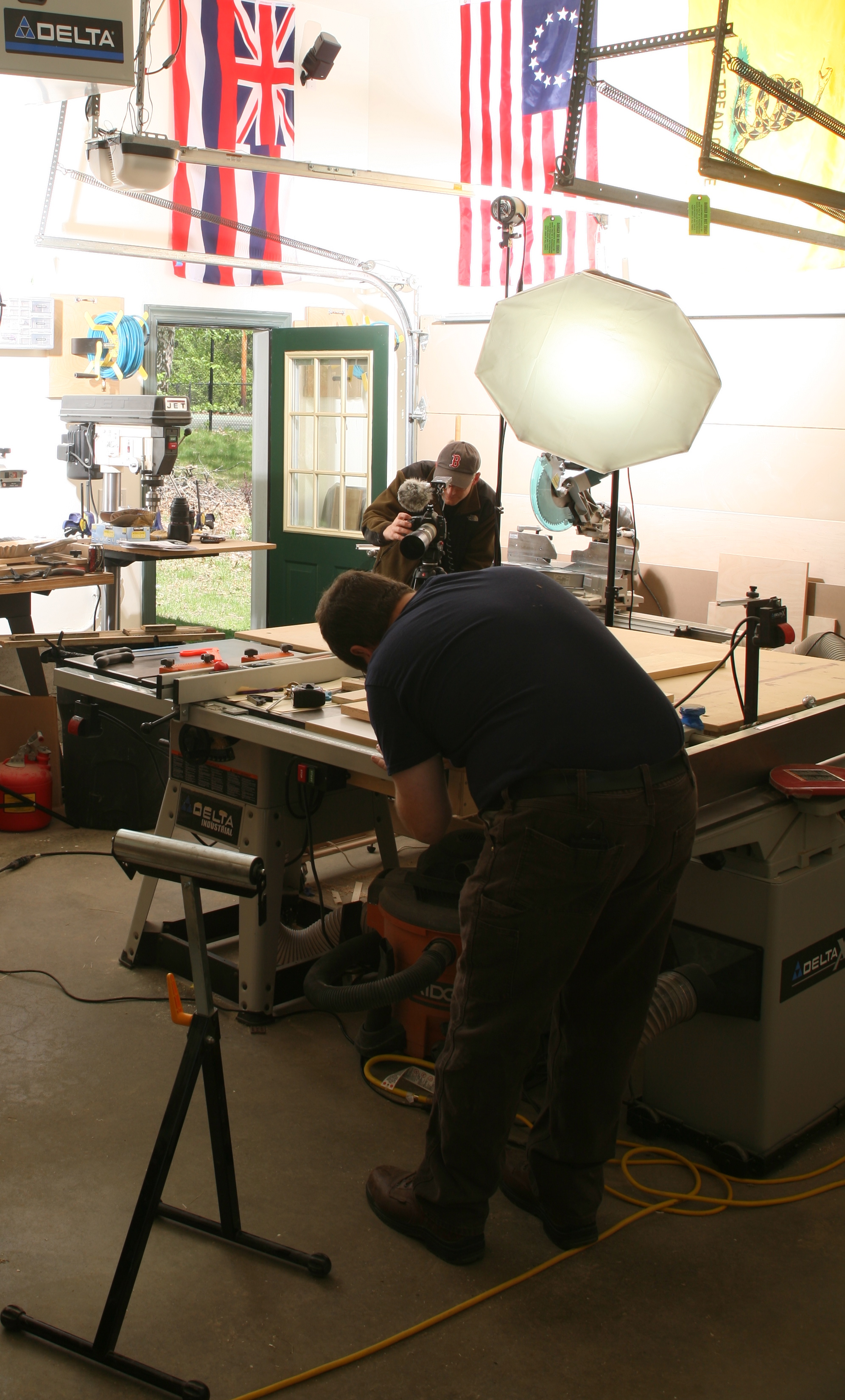
Behind the scenes. (Photo courtesy of the Taunton Press)

I had a great time making the videos and I hope you will enjoy watching them. Several of them are free, though a few of them are reserved for FineHomebuilding.com (FHB) members only.

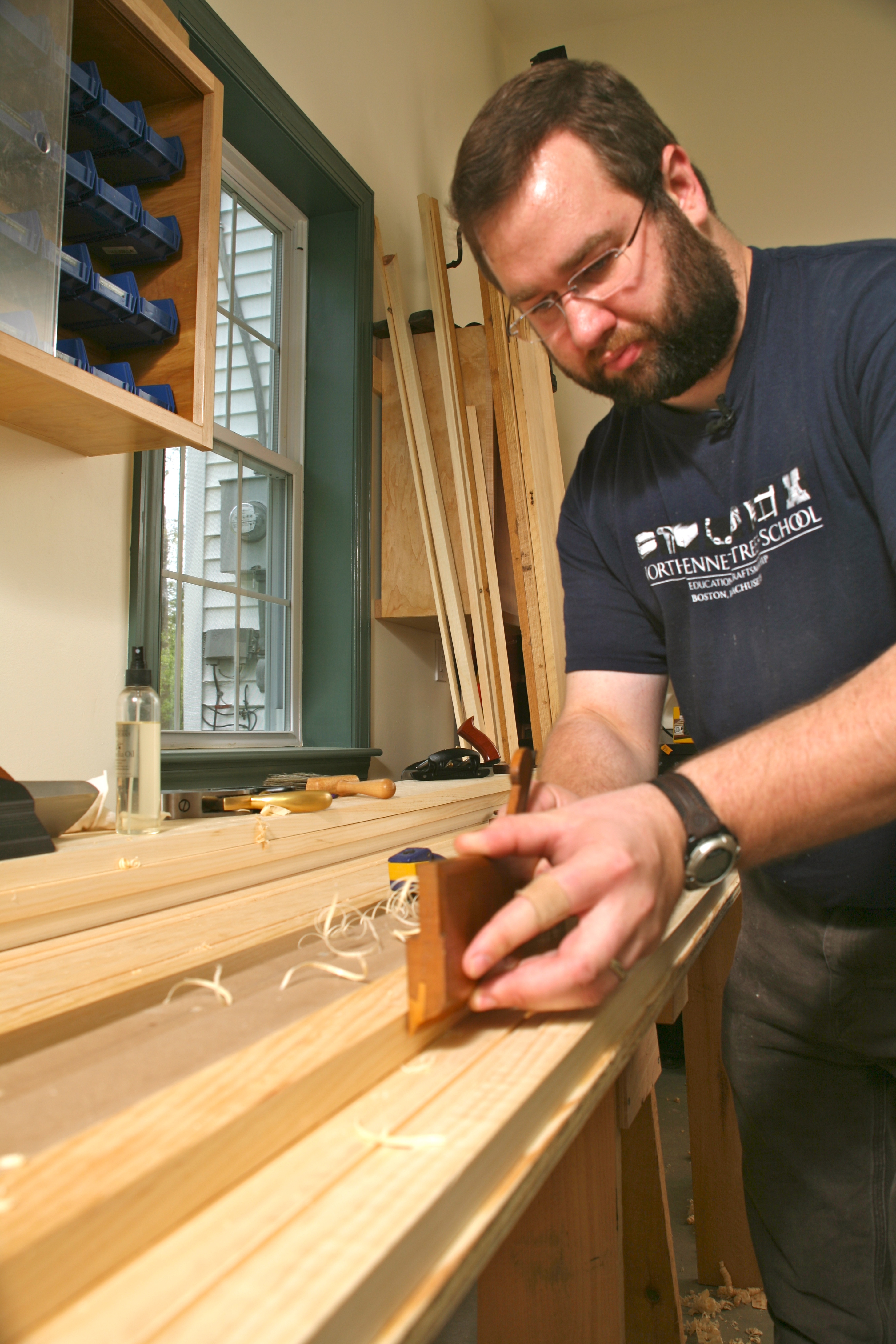
Bill Rainford using molding planes to reproduce traditional molding profiles. (Photo courtesy of the Taunton Press)

Details below as they were presented this morning in Fine Homebuilding’s e-newsletter and where to find the videos:

Fine Homebuilding Logo

In this Master Carpenter series, Bill Rainford shows how to get period details right with both power and hand tools.

Watch the intro video

Plus watch more free episodes from this series:
Interview with the craftsman
Bill chats about how traditional carpentry is better for his body and soul
An inside look at old-fashioned home building
Bill and senior editor Chuck Bickford visit the Alvah Kittredge House and dig into its traditional construction details

Sign in as a member or sign up for a FREE 14-day trial to see this complete series and much more.

Take care,
-Bill