Making a Jointer Plane with Willard ‘Bill’ Anderson — Part 2

When last we left our plane-making heroes they were in the process of making a traditional single iron jointer plane with my friend Bill Anderson at the Woodwright’s School.
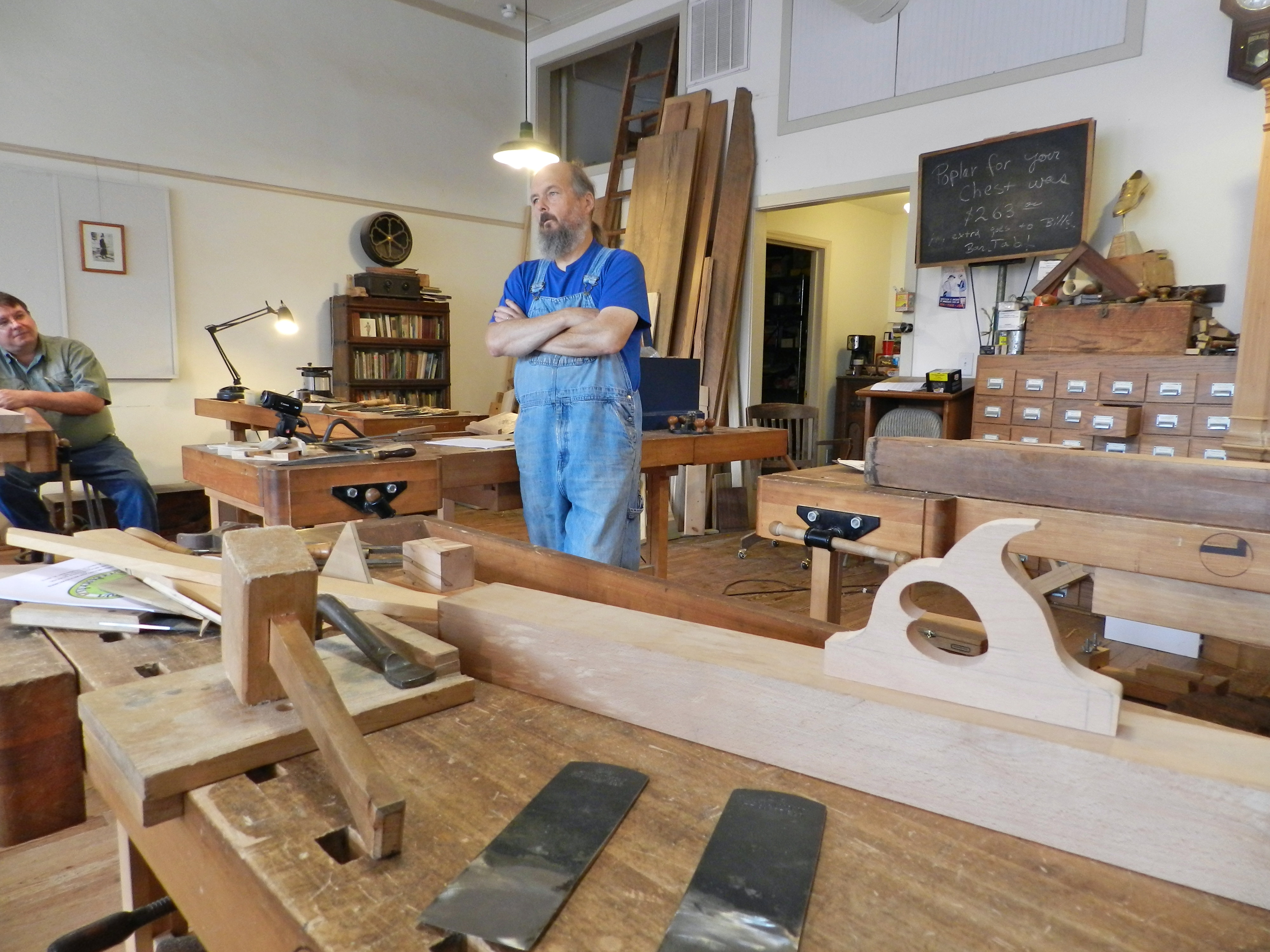
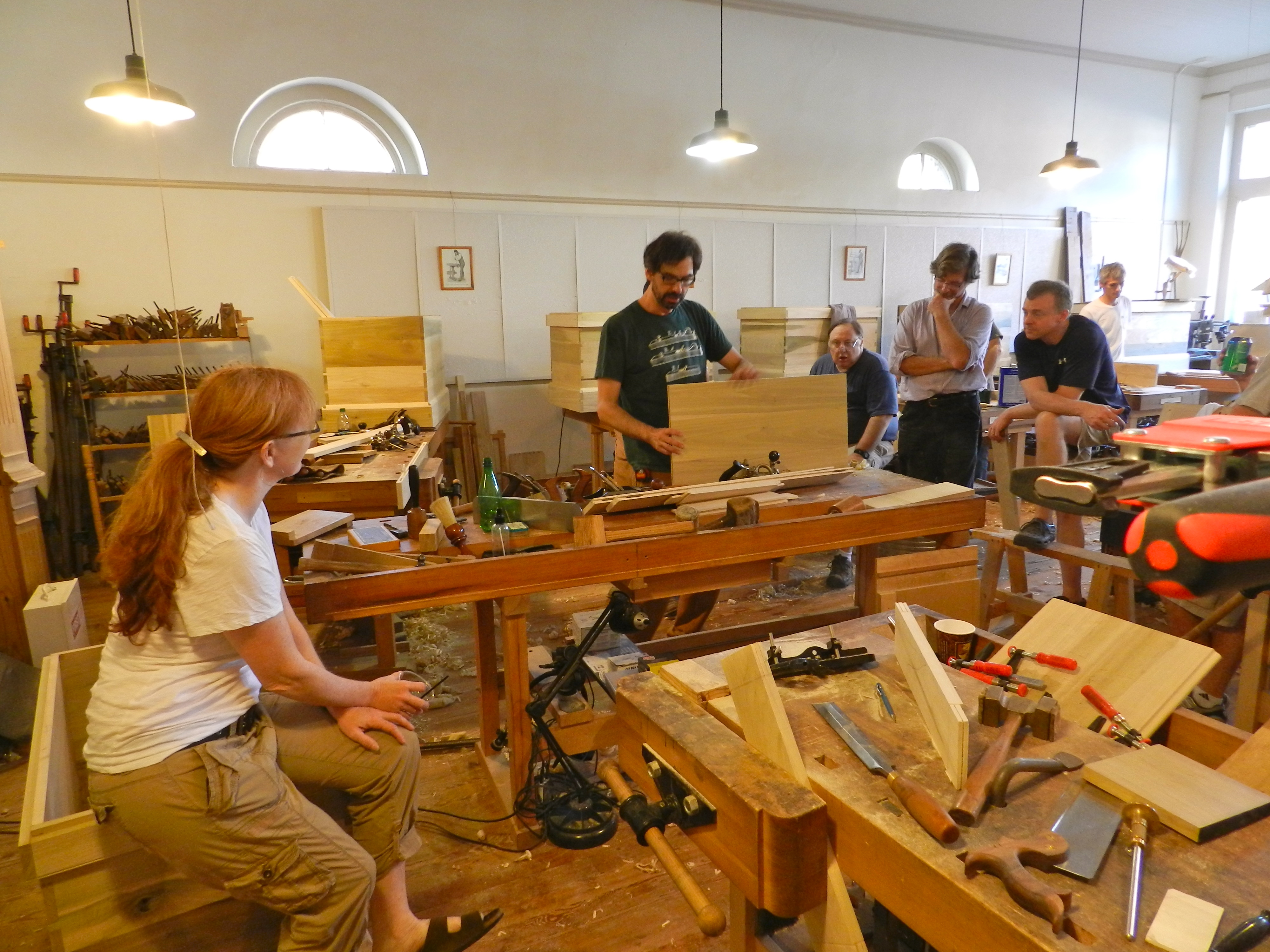
Bill demonstrating with a great bench plan cross section model
Bill demonstrating with a great bench plane cross section model

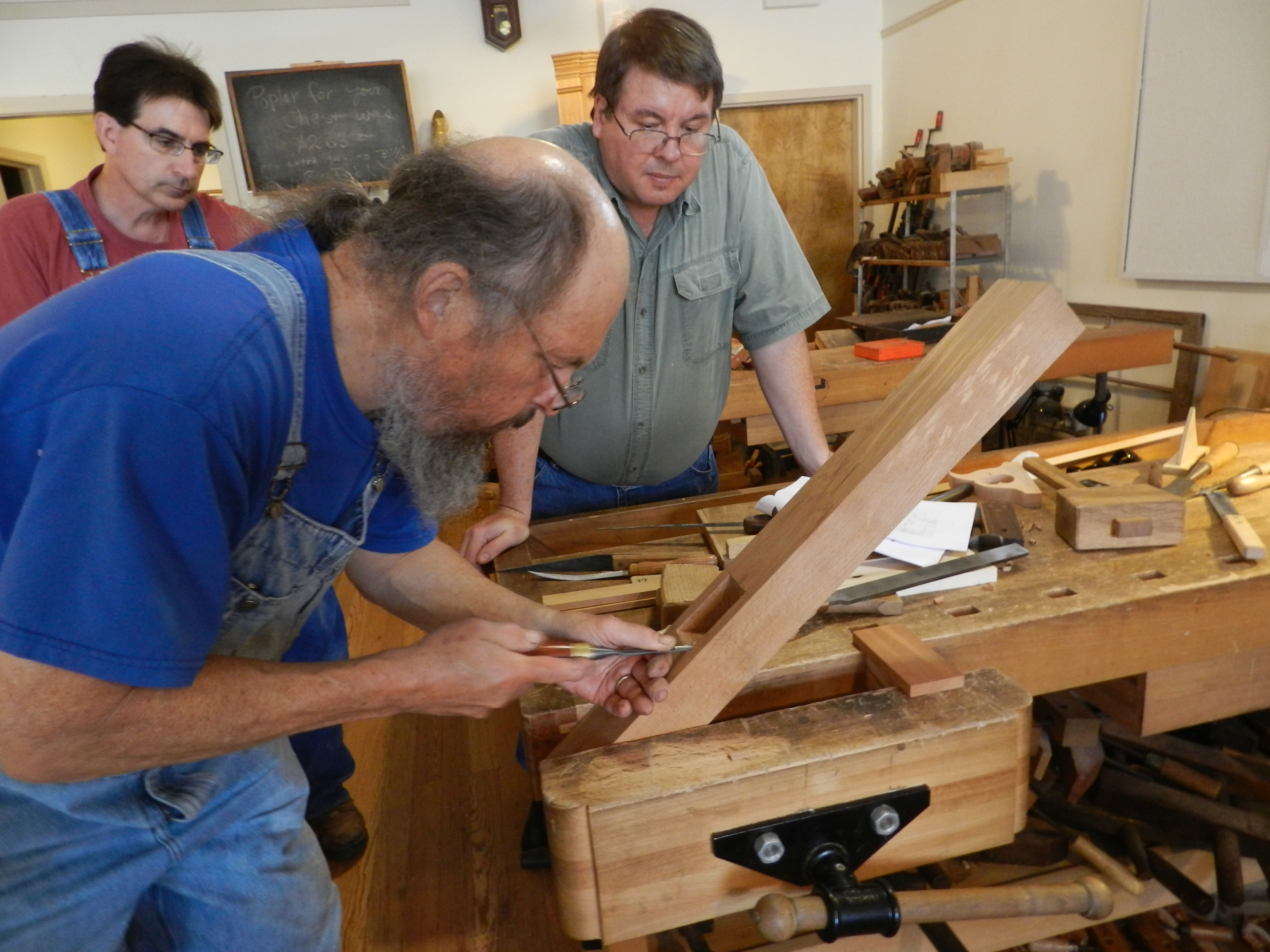
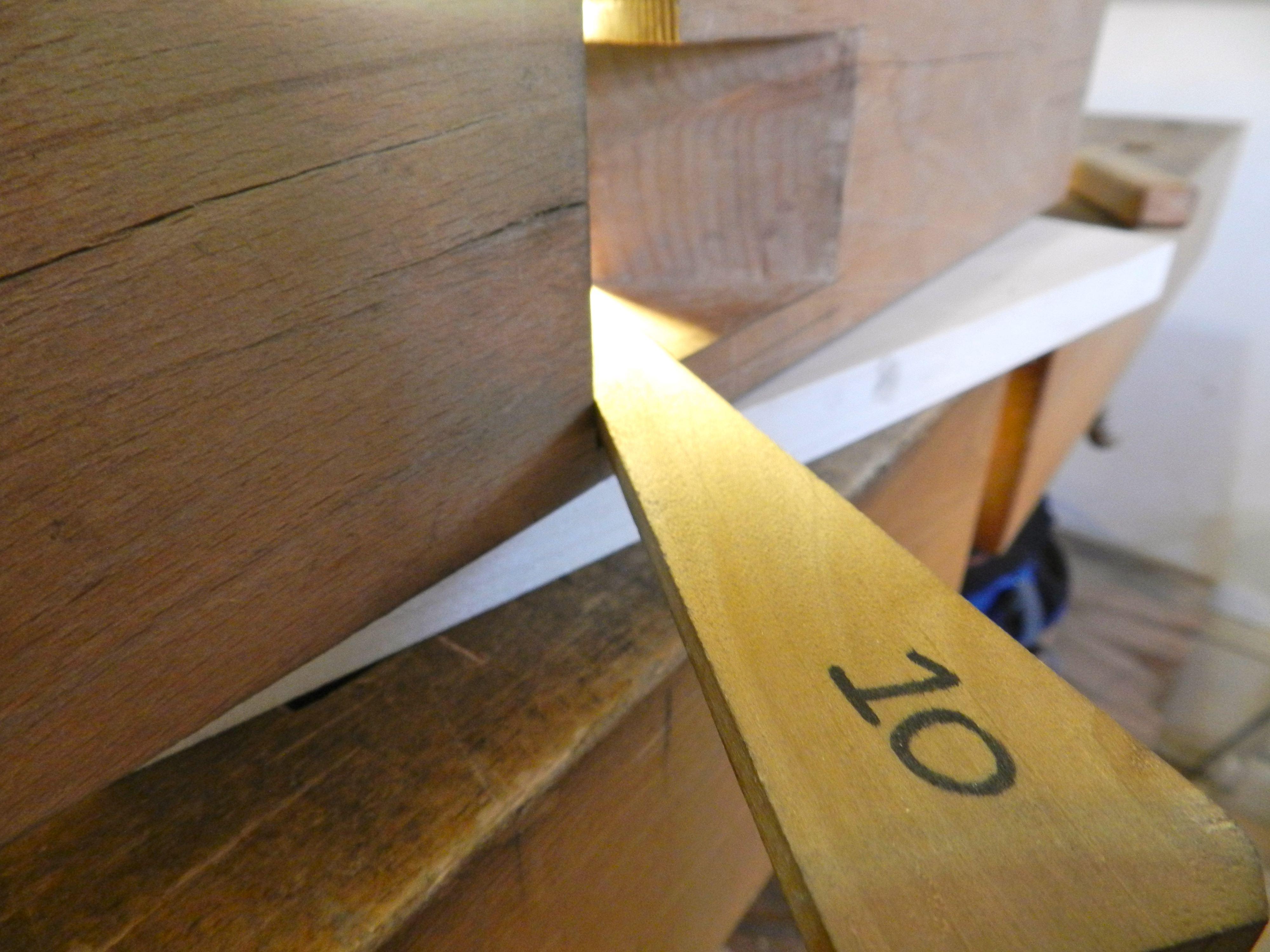
Bill had a great cross section model of how this sort of bench plane works — made by one of his students. With the body of the plane taking shape, next up was tuning the mouth opening and the abutments. If the mouth is too wide or too large the plane may not cut cleanly so you need to carefully fit the iron to the opening. If the abutment is not carefully placed when you re-flatten the sole of the plane you’d also be opening the mouth more. You also need to take care flatten the face of the bed that supports the iron — if there are high points the iron can pivot on those and make it tough to use the plane. One of the many testing/fitting gauges Bill had was a ‘bed testing gauge’ which looks and works much like a pair of ‘pants’ we use in timber framing to test out the thickness of a tenon, except in this case you are using it to check the thickness of the cheeks and how close your bedline is getting to the line scribed on the side the plane body.
Planing the wedge
Planing the wedge

With the mouth and throat all set, next up was making the wedge to hold the iron in place. The wedge needs to be carefully planed to fit the abutments inside of your plane and tightly hold the iron in place. Again here you are using an abutment gauge (wooden wedge of a known profile in degrees) to test your work as you go.  With all the gauges and specialized tools you can quickly see why plane-making was its own dedicated craft specialty.
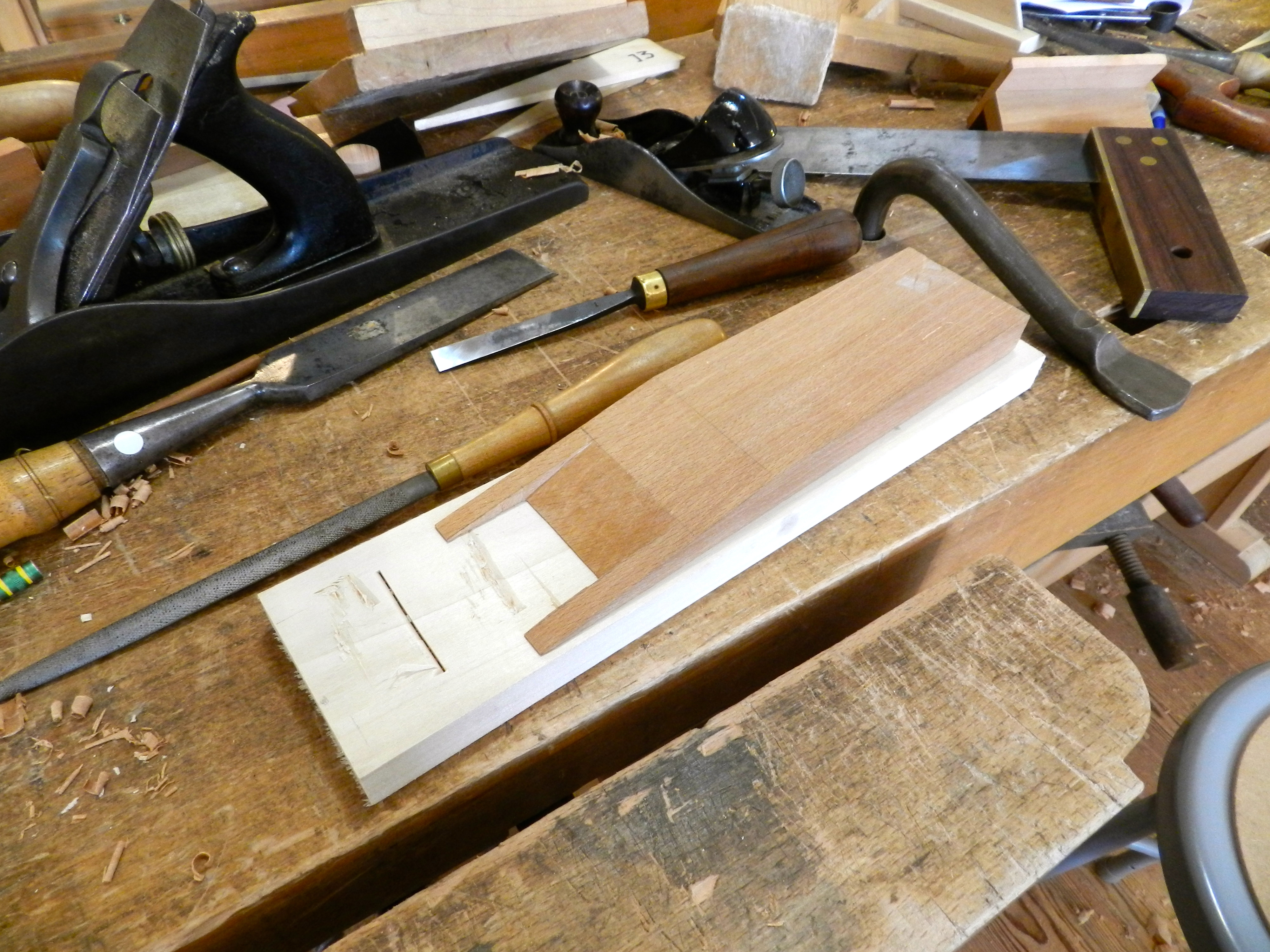
Shaped and fitted wedge

The wedge is further relieved so that the shavings can clearly escape the plane body.
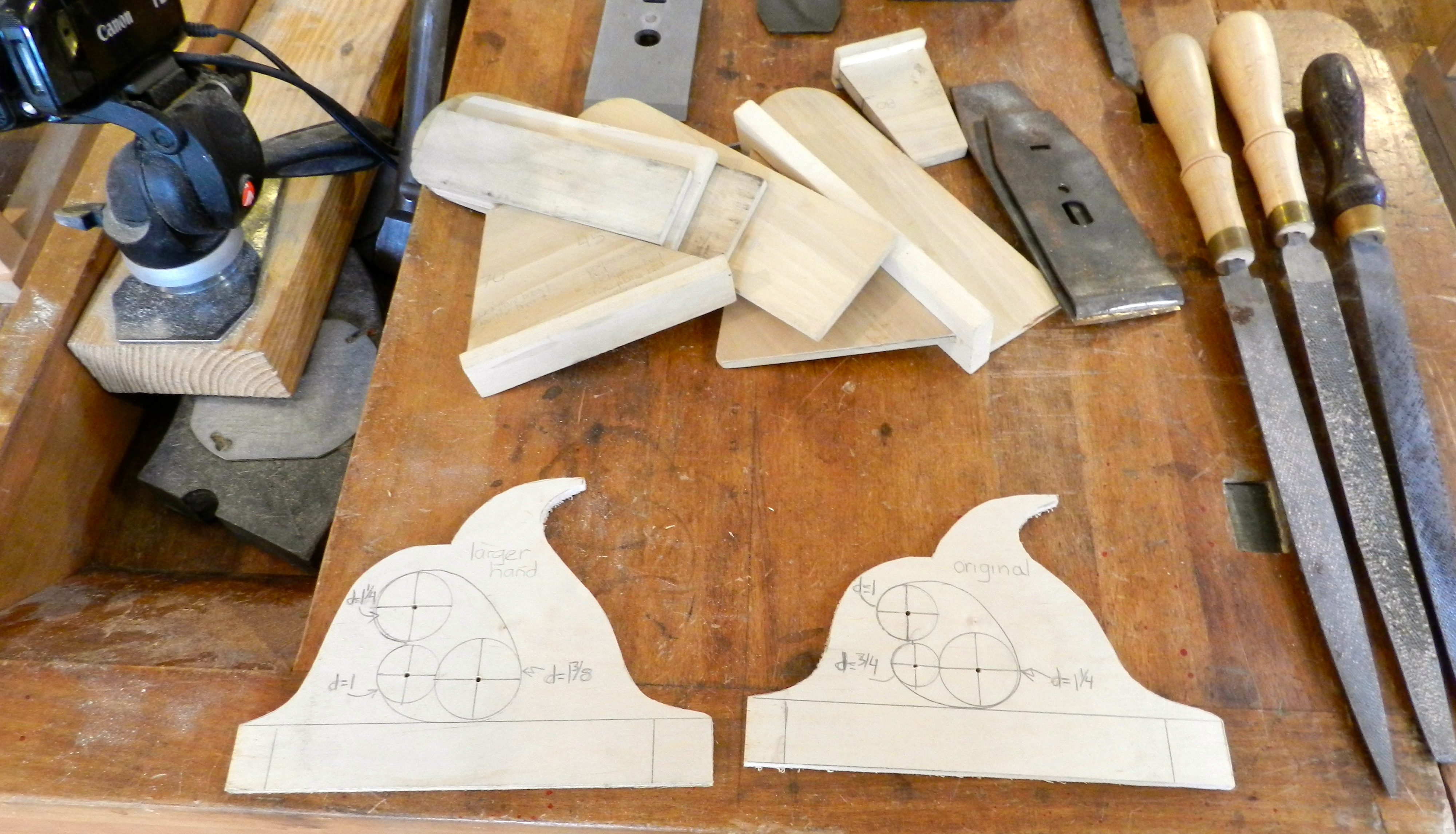
Templates, gauge blocks and pants
Templates, bed gauges blocks and pants

Above you can see some of the many gauges used in laying out and testing parts of your plane, along with templates for the handles.
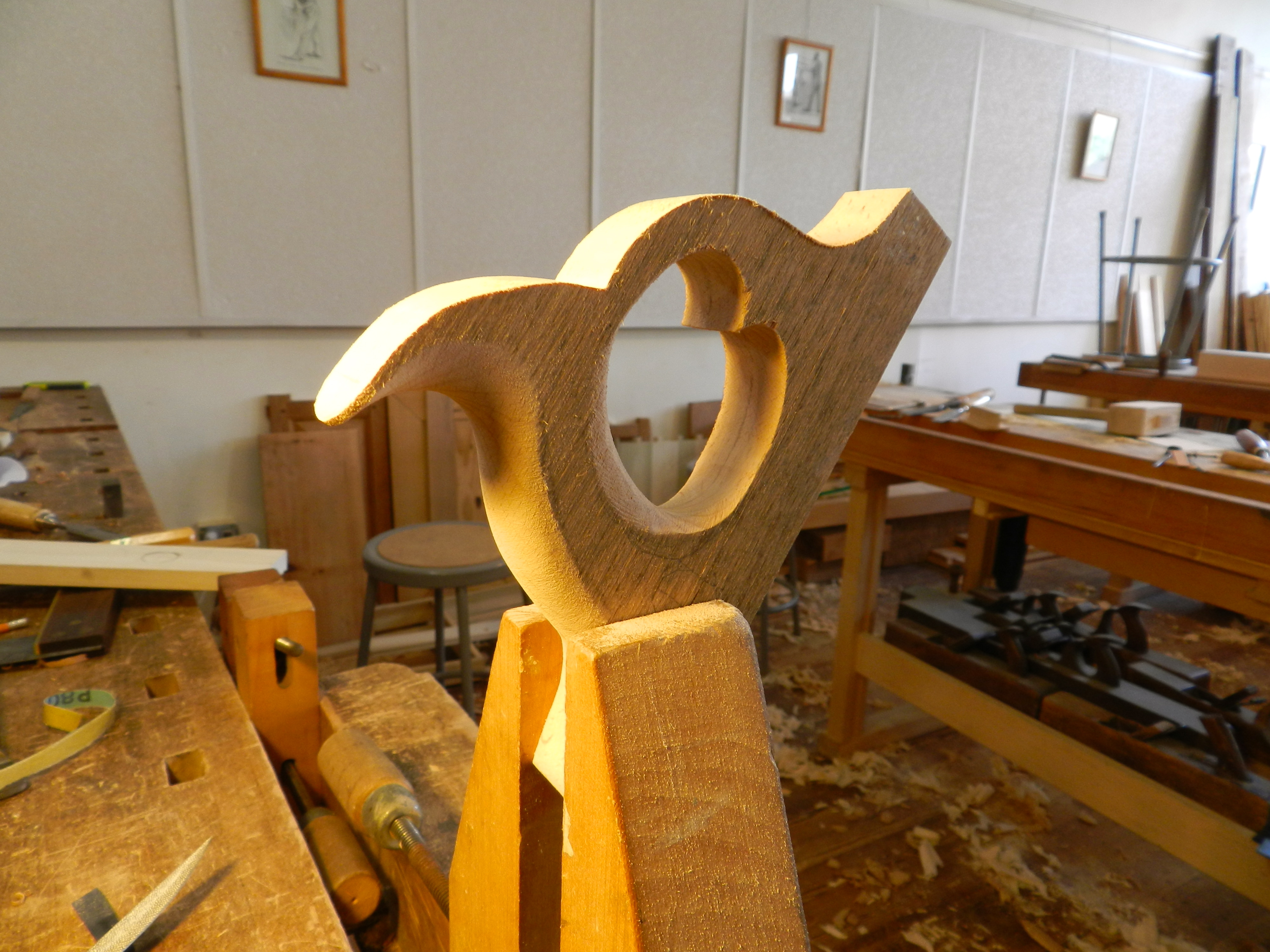
Starting to shape the handle

The handle is first cut out from a rough blank and then carefully shaped by hand to have flowing, graceful lines similar to that of a quality hand saw. The result is a handle that fits the hand so well it, the whole plane feels like an extension of your body.
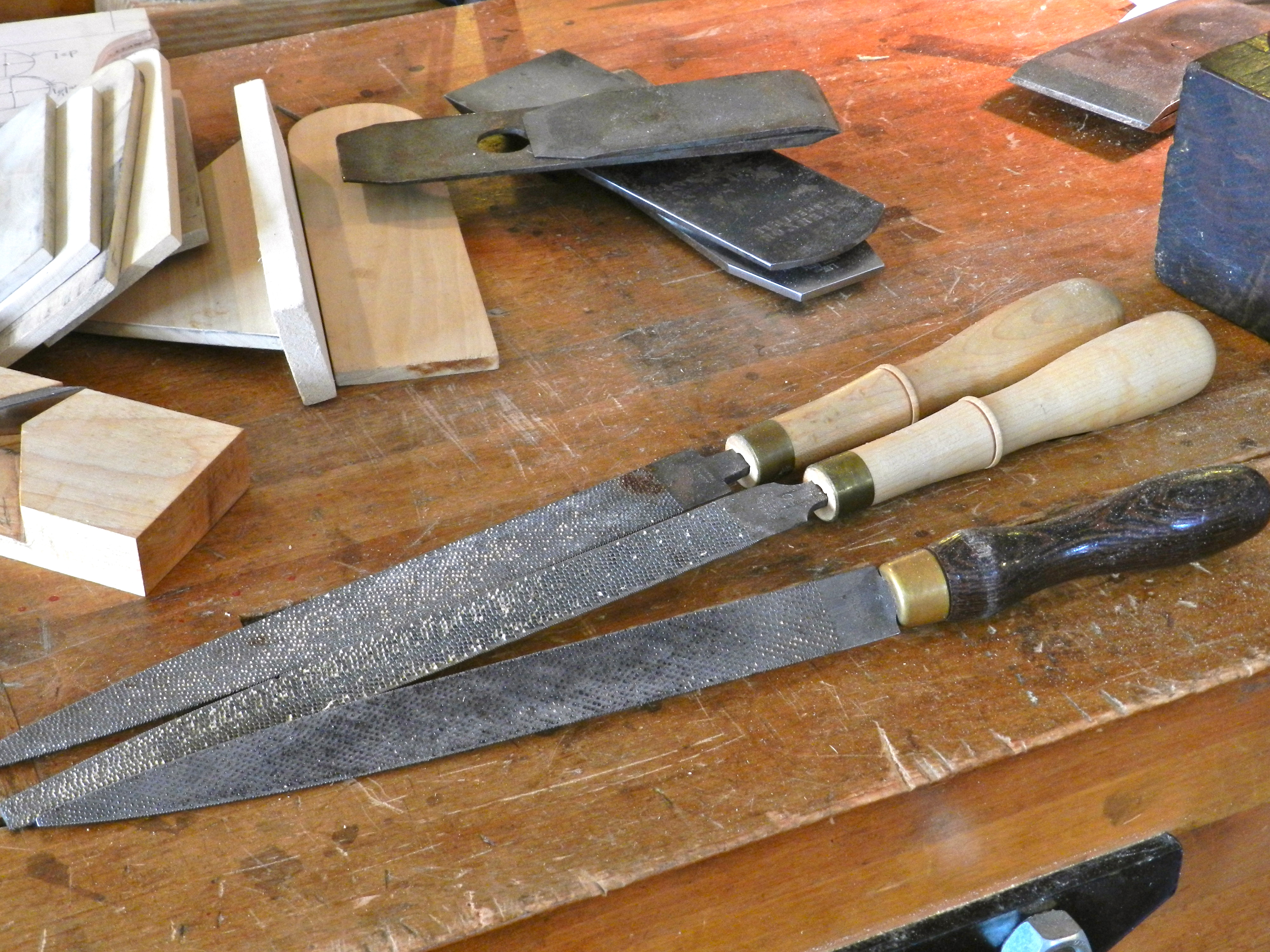
Auriou rasps used to shape the handle -- they were a pleasure to use
Auriou rasps used to shape the handle — they were a pleasure to use

Various rasps, files and sandpaper are used to shape the handle. Using crisp hand stitched Auriou rasps made quick work of shaping the handles.
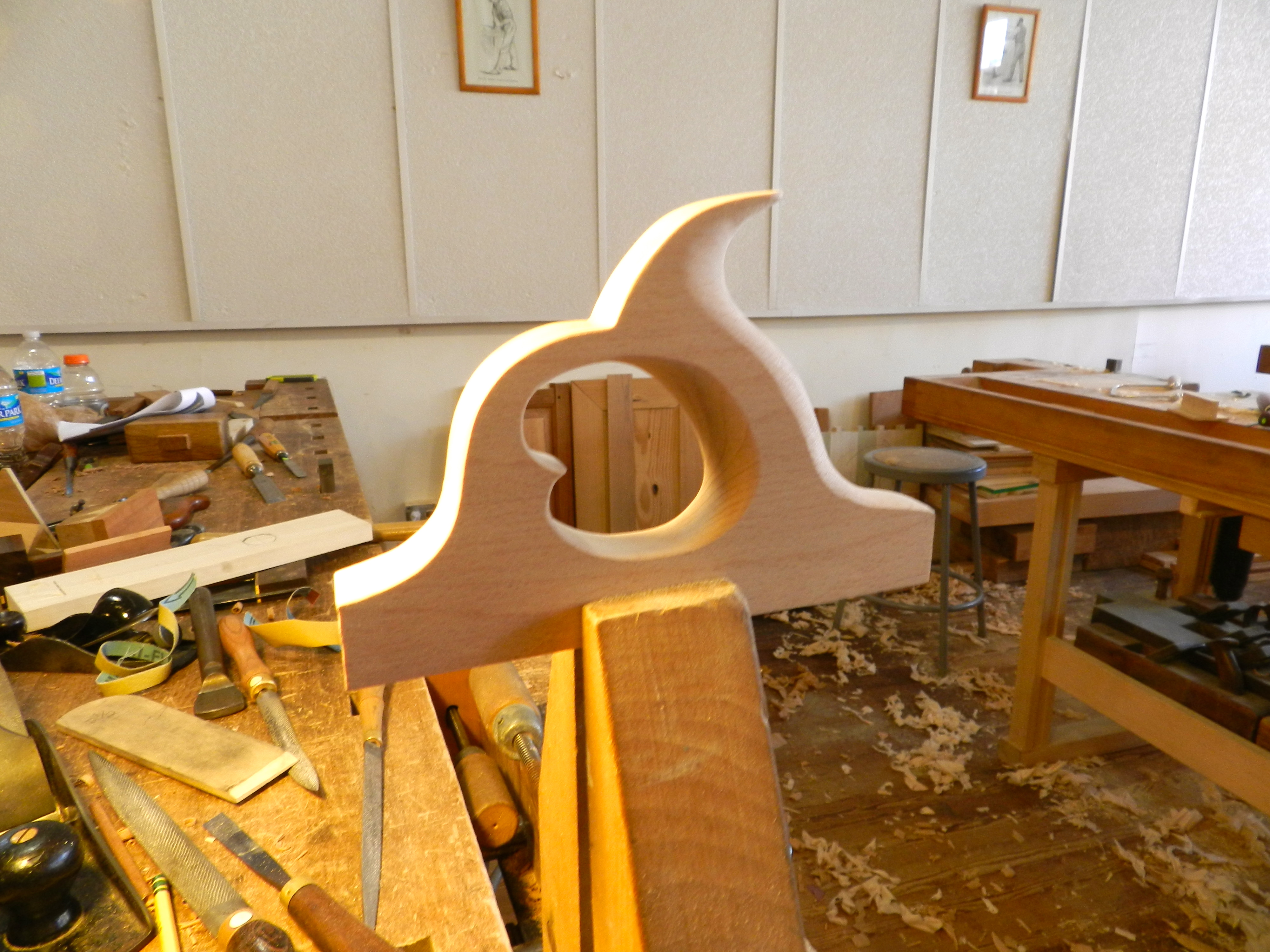
Finished handle
Finished handle

Above is the handle after a bit of light sanding.
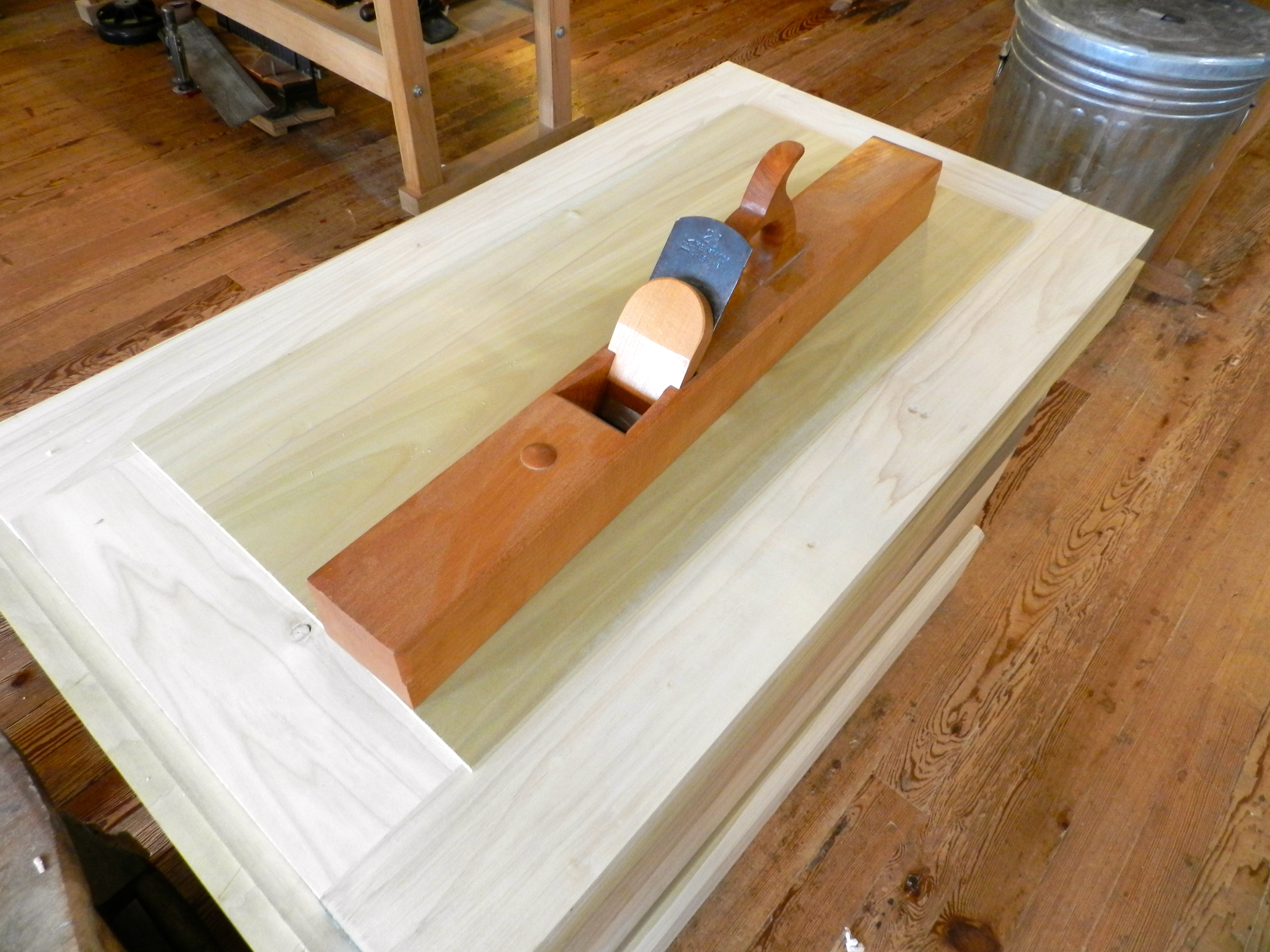
A finished Jointer Plane

Shown here you can see Bill’s finished/sample plane which is based on an historical example.  I’ll post the final shots of my own plane when I finish it soon in my shop.
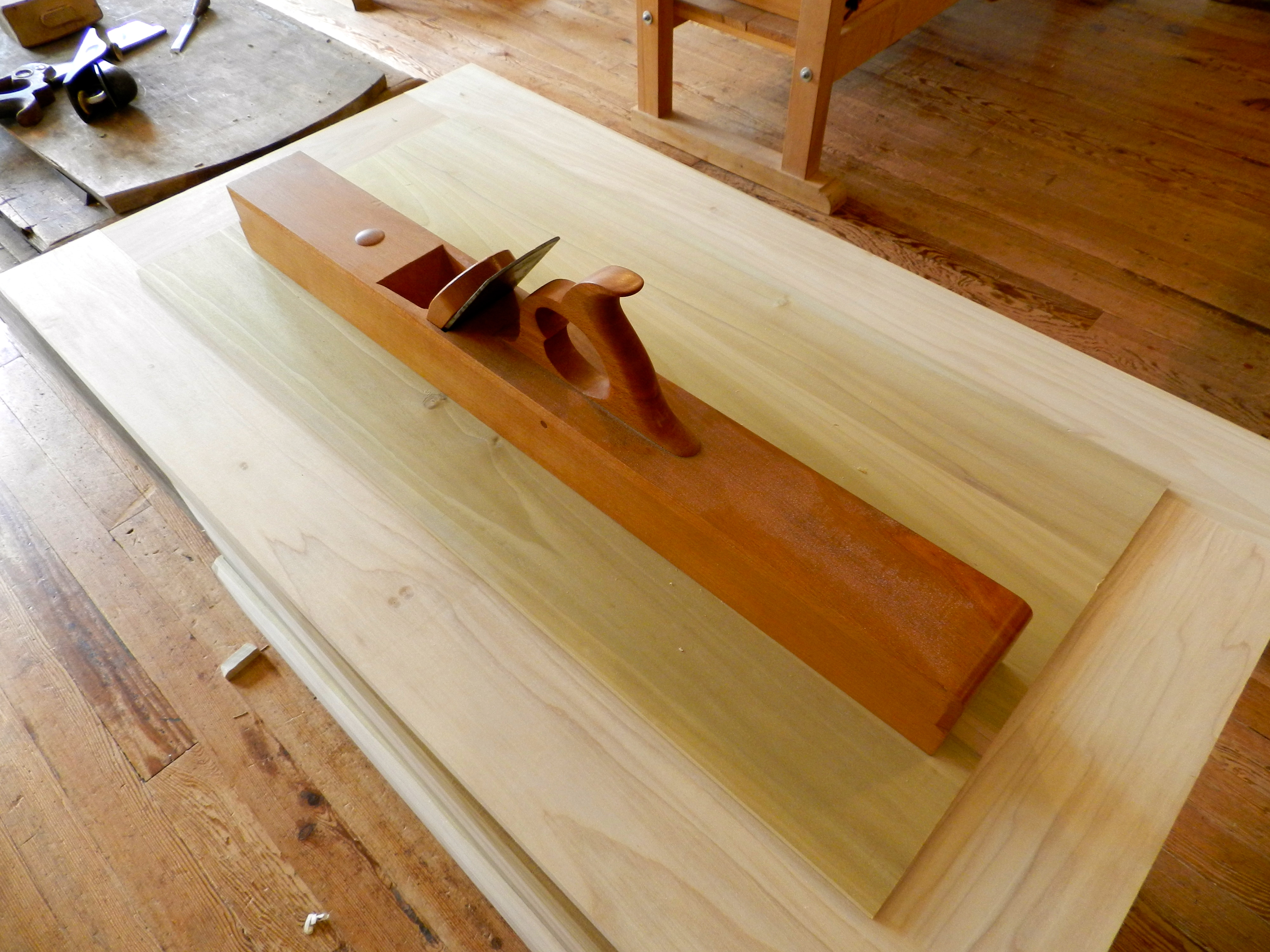
Rear 3/4 view of the completed sample plane

At the end of the workshop one of the most important tasks was to make sure you plane can take a nice shaving. I’m happy to report that I was able to get a nice full width shaving with my mostly completed plane. (I need to finish setting the handle, trim the edges, apply some finish and use my maker’s name stamp and it will be ready for regular use in the shop).
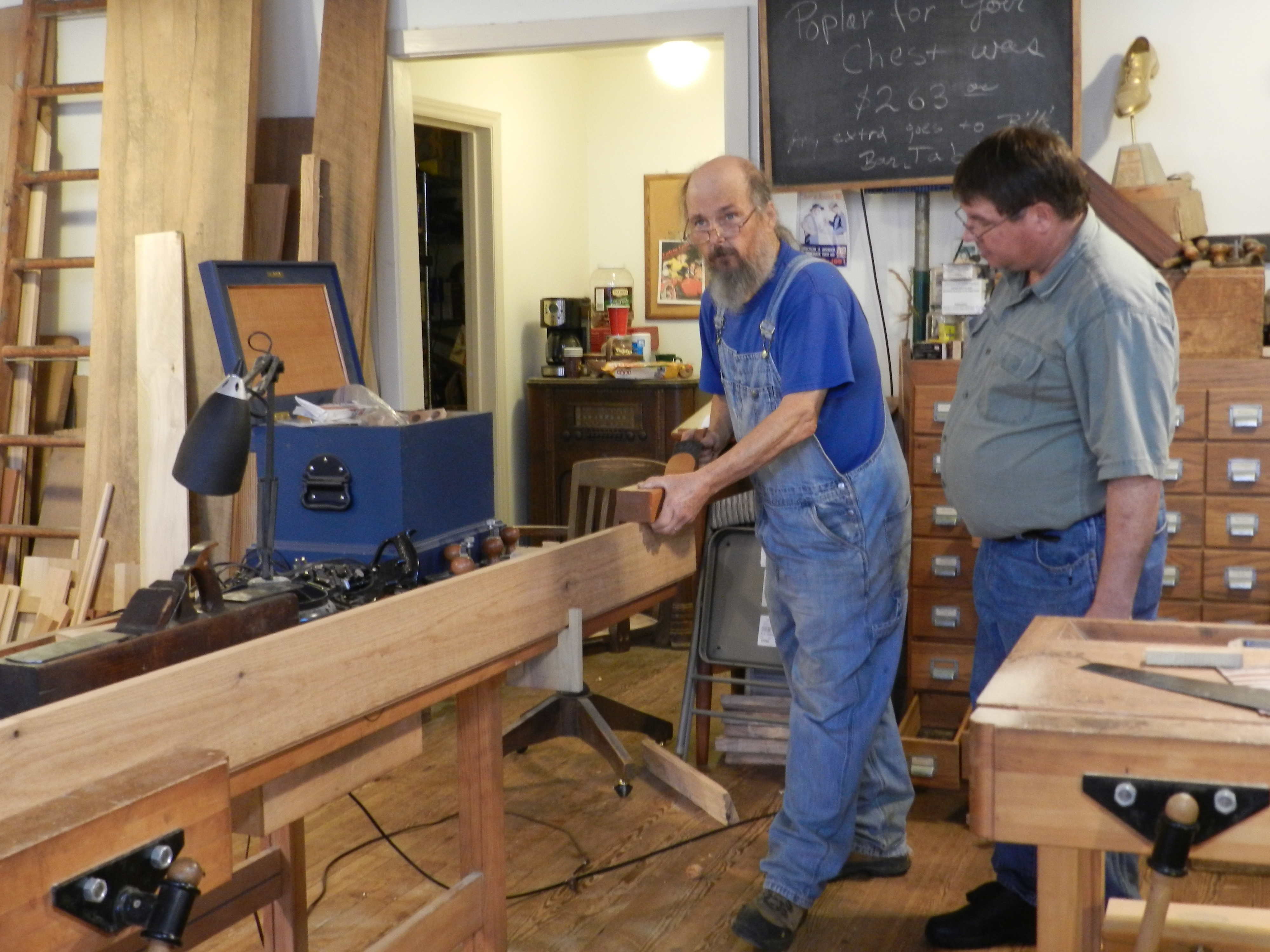
Making the first shaving with a new plane...
Making the first shaving with a new plane…

In an upcoming post I will complete this series with how I finished off the plane. Stay tuned…

In the meantime, if you’d like to learn more about Bill Anderson or take a class with him, and I highly encourage you to do so, please check out his website here.

-Bill

P.S. You can see the first post on making this jointer plane here.

Making a Jointer Plane with Willard ‘Bill’ Anderson — Part 1

A single iron jointer plane is one of those tools you have use yourself to truly appreciate. Over Labor Day weekend I was fortunate enough to have the opportunity to make one of these planes with Willard ‘Bill’ Anderson at the Woodwright’s School in Pittsboro, NC.

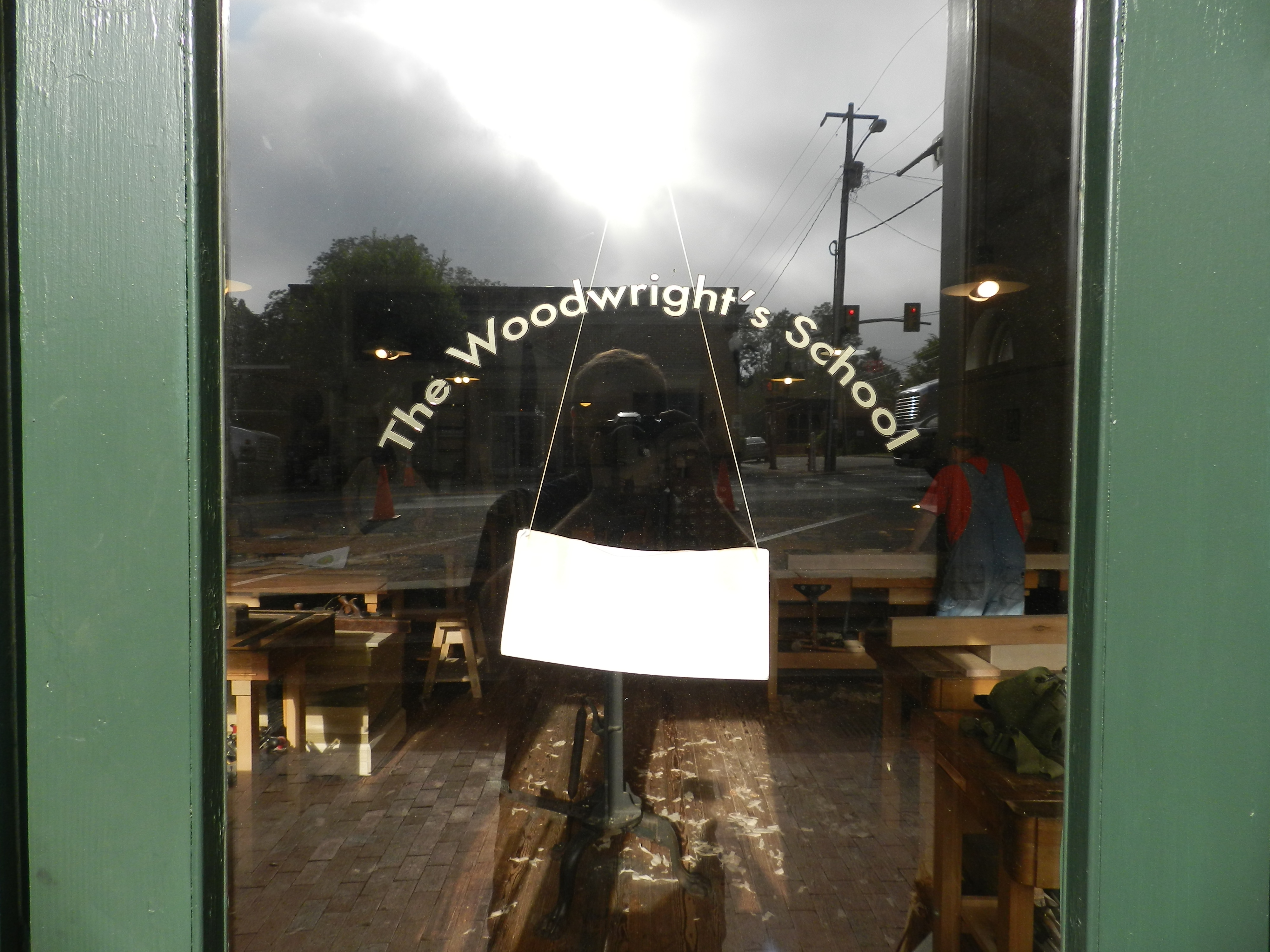
Entrance to the Woodwright's School
Entrance to the Woodwright’s School

Bill is a passionate woodworker and skilled teacher. You may recognize him from his appearances on Roy’s television show or the articles that he’s written. He’s a molding plane aficionado and has studied plane-making and general furniture-making with many masters in the field. He recently retired from being a Scientist for the EPA so I see a lot of parallels to my own life working in software.

Getting started, with Bill Anderson

The plane is made of air dried American Beech and a new old stock English iron.

Squaring up the air dried beech blank

We started out by squaring up the stock using a wooden straightedge and winding sticks.

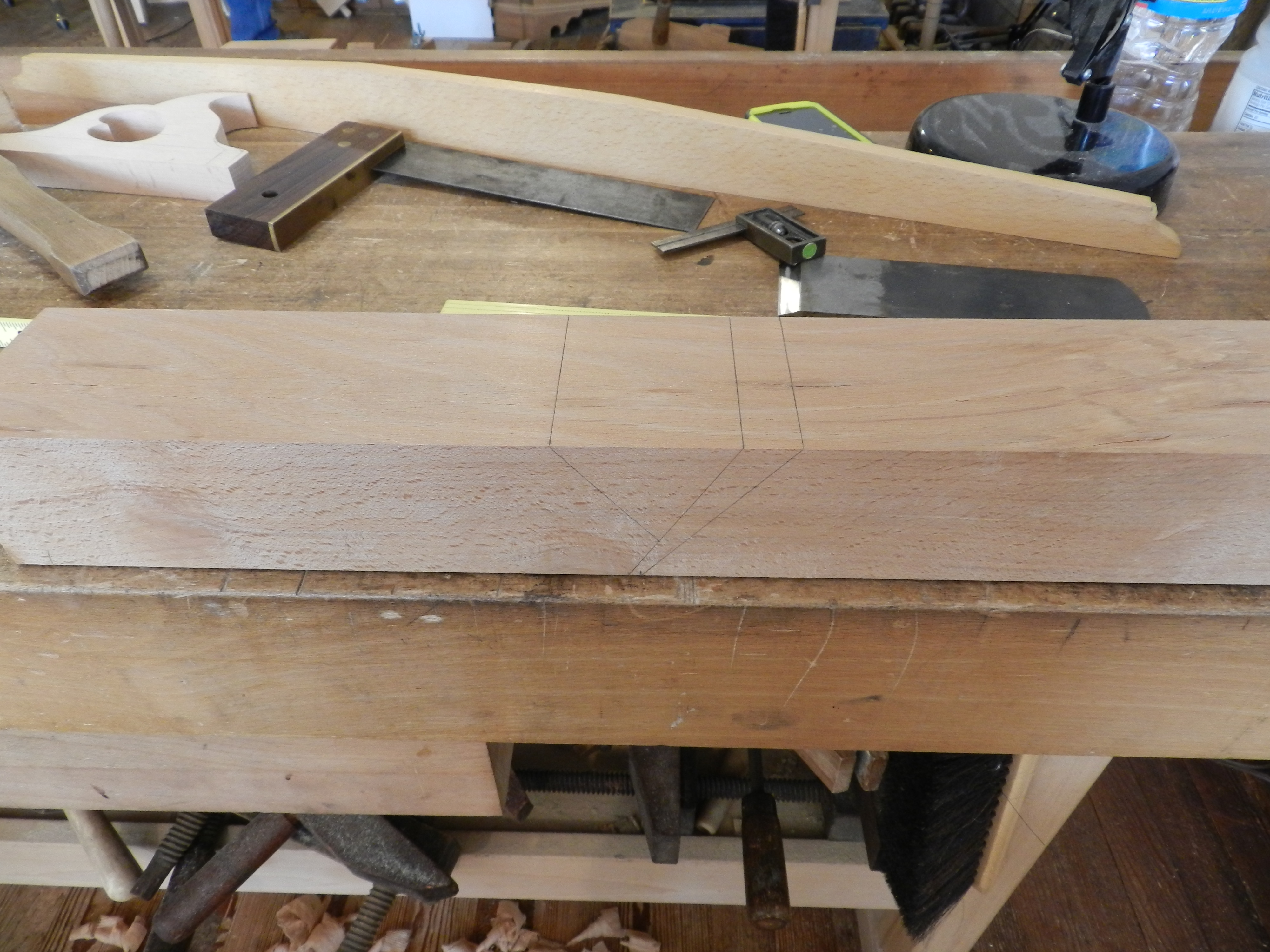
Laying out the mouth and abutments

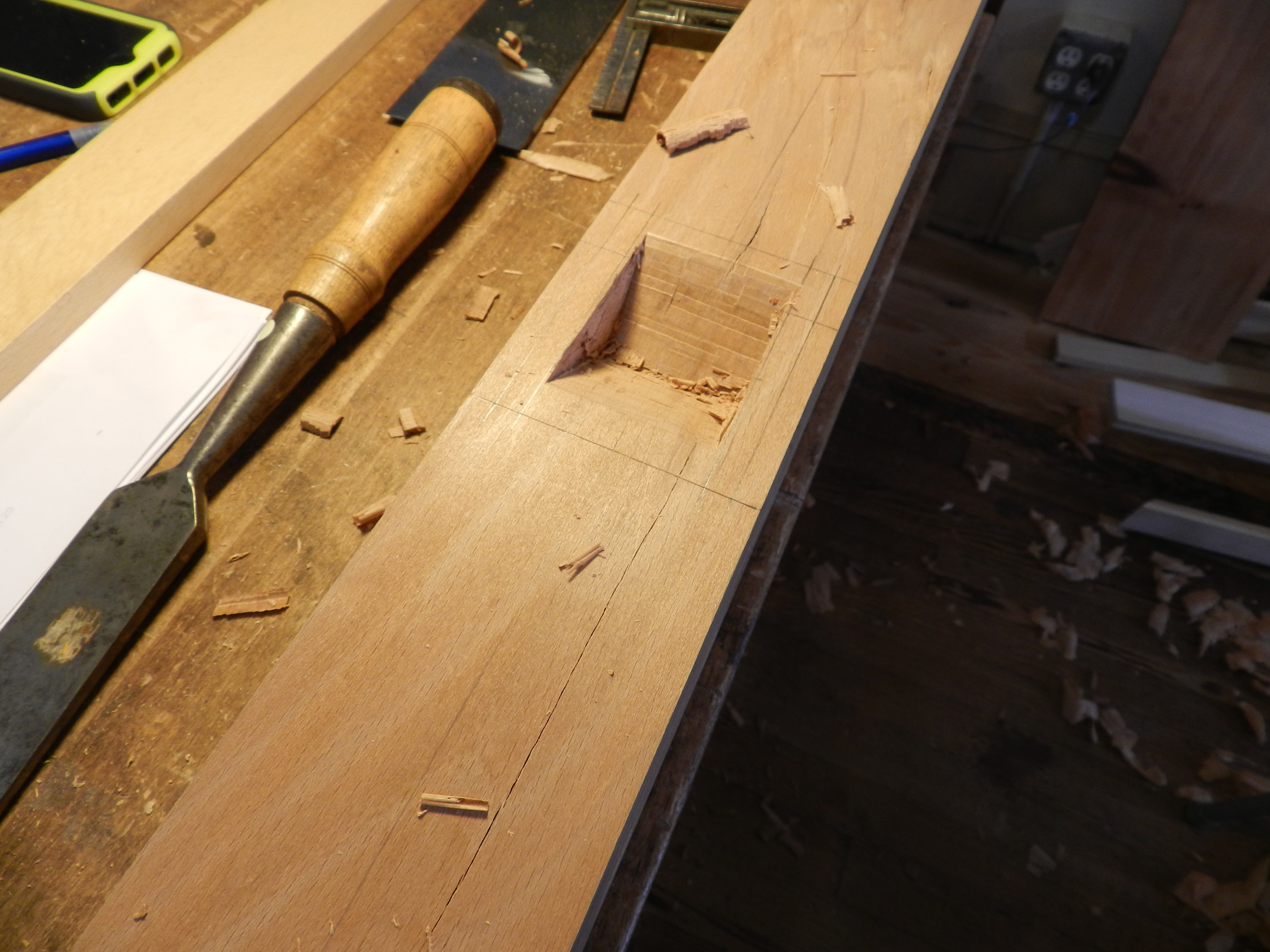
Next up was laying out the mouth and throat. The mortises are all chopped by hand with a chisel and refined via a series of floats and scrapers. It was my first time using that many different floats, and for what looks like it might be a fairly coarse tool, when sharpened leaves a remarkably good surface.

Chopping the mortise by hand

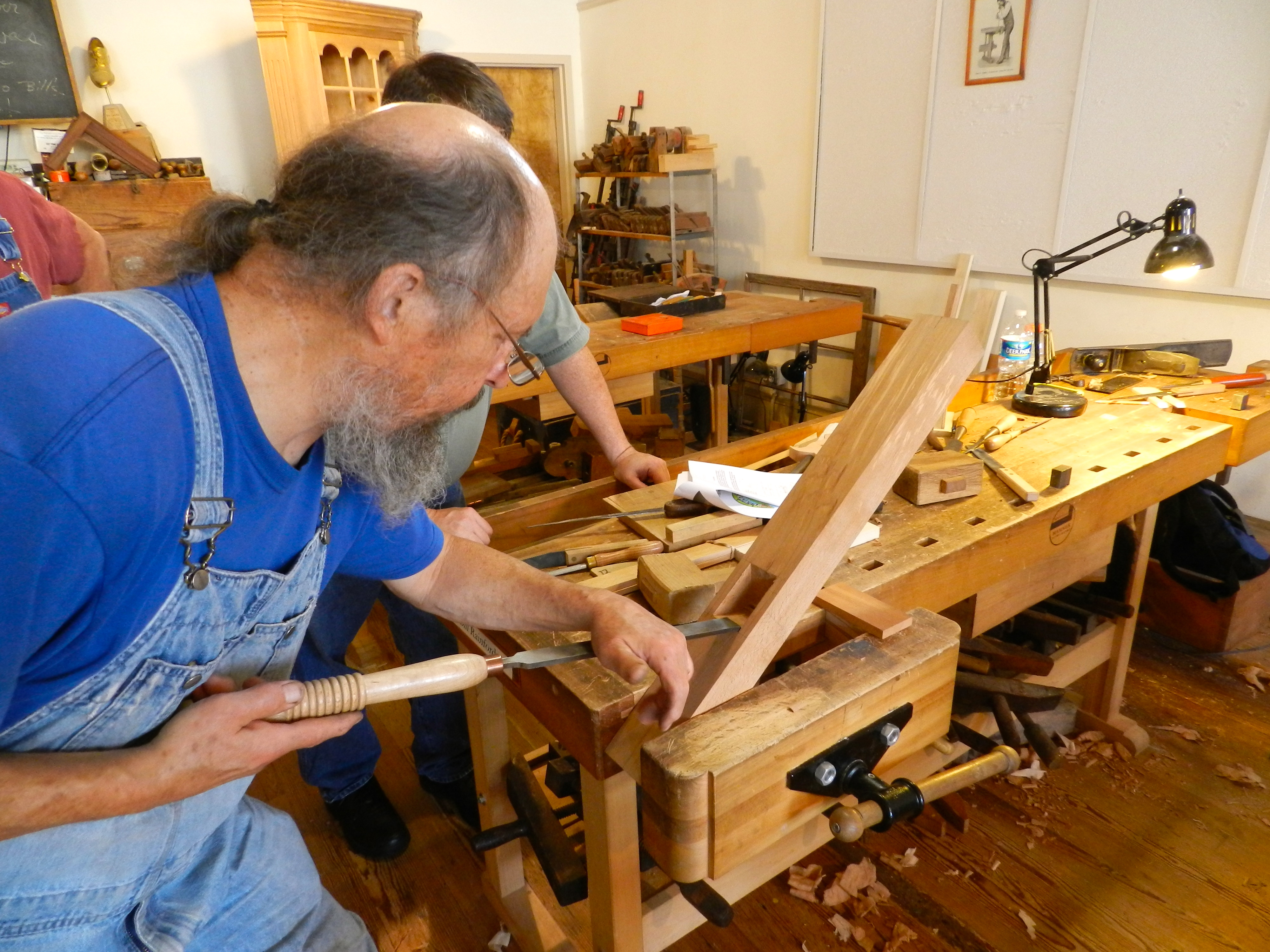
As we worked through the throat mortise a key was to make sure you don’t overshoot and chop through the abutment.

Scraping
Scraping

One of the last steps in refining the abutment and sides of the throat was to scrape the surface using a scraper chisel.

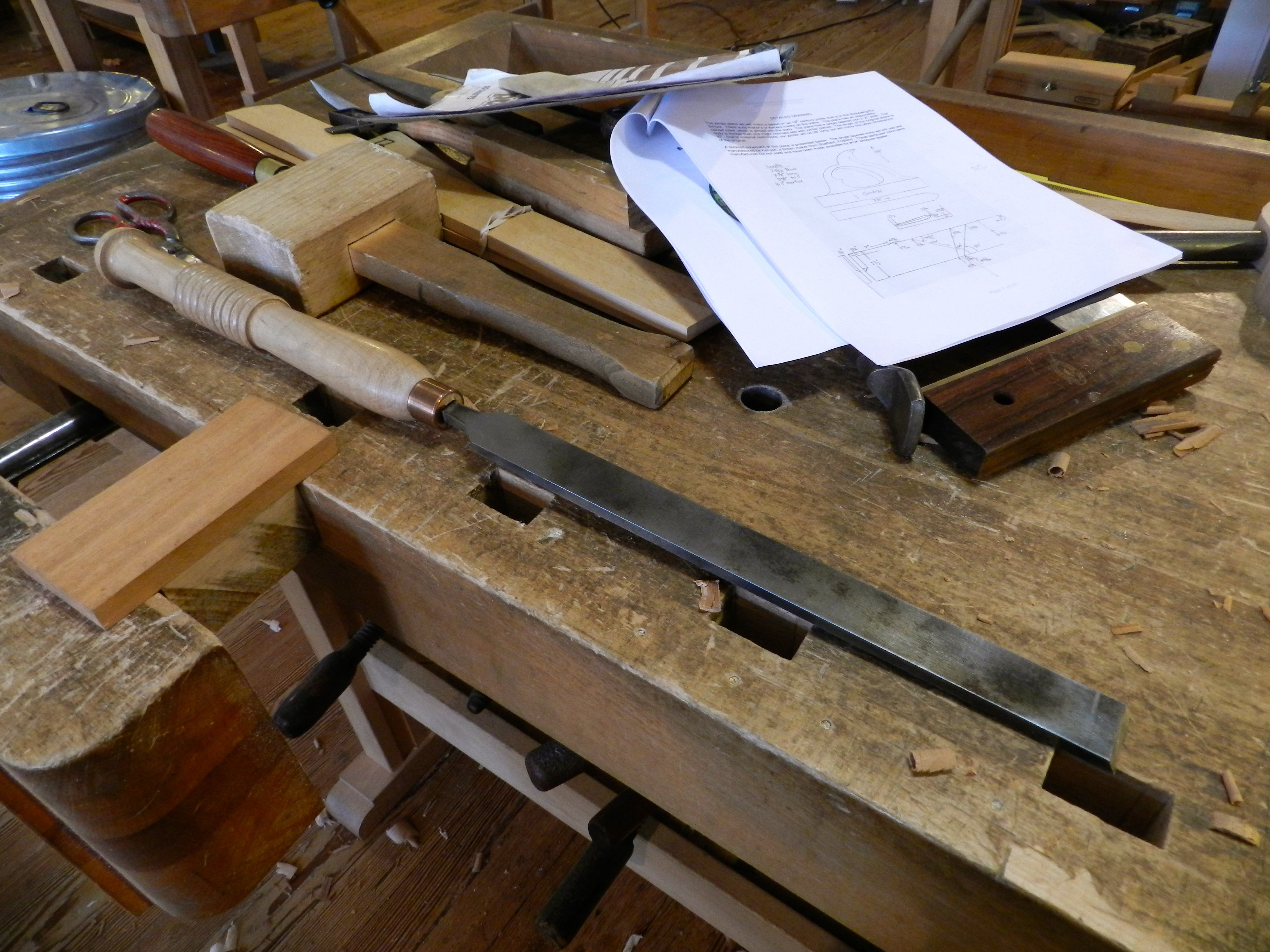
A very nice scraping chisel that Bill made

This beast of a chisel was made by Bill and heat treated by Peter Ross. It was based on some research Bill did into traditional plane making tools. The long bar of tool steel and handle allow you to put a lot of your weight into it as you scrape the surface flat. The cutting edge is a very steep angle similar to a scraper you’d use with a lathe (upside down compared to the lathe tool) but works well since you are only removing a little bit of material at a time.

Paring away any fuzz

Regular bench chisels are used to clean up any fuzz in the corners. Next up is cutting in for the wedge and cleaning up a cheeks. This is an operation that requires a steady hand and the ability to work to an exacting standard. You want your test wedge, and eventually your actual wedge, to fit tightly against the abutment so the iron does not move when you are working with the plane. I took my time and was very happy with the results.

Fitting with test wedges

In upcoming posts I will document more about my experience in building and finishing this plane.

In the meantime, if you’d like to learn more about Bill Anderson or take a class with him, and I highly encourage you to do so, please check out his website here.

-Bill

The Tool Store at the Woodwright’s School

The Woodwright’s School is already hallowed ground for a lot of woodworkers, but hovering above workshop is Ed Lebetkin’s Antique Tool store….

Up the stairs and take a right at the large model plane

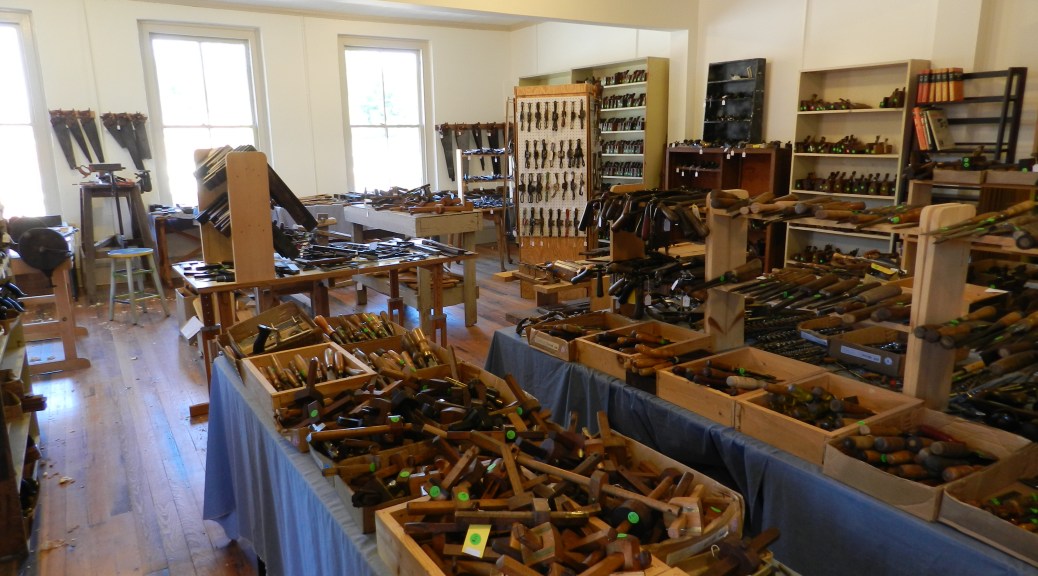
Before heading up there, I was warned to leave my wallet behind as there would be a lot of temptation at the top of the stairs….Ed’s store is filled with just about every kind of traditional woodworking tool and accessory you could want.

Wide angle view of Ed's Antique Tool Store
Wide angle view of Ed’s Antique Tool Store

An amazing assortment of chisels, planes of every kind, marking gauges, braces and bits.

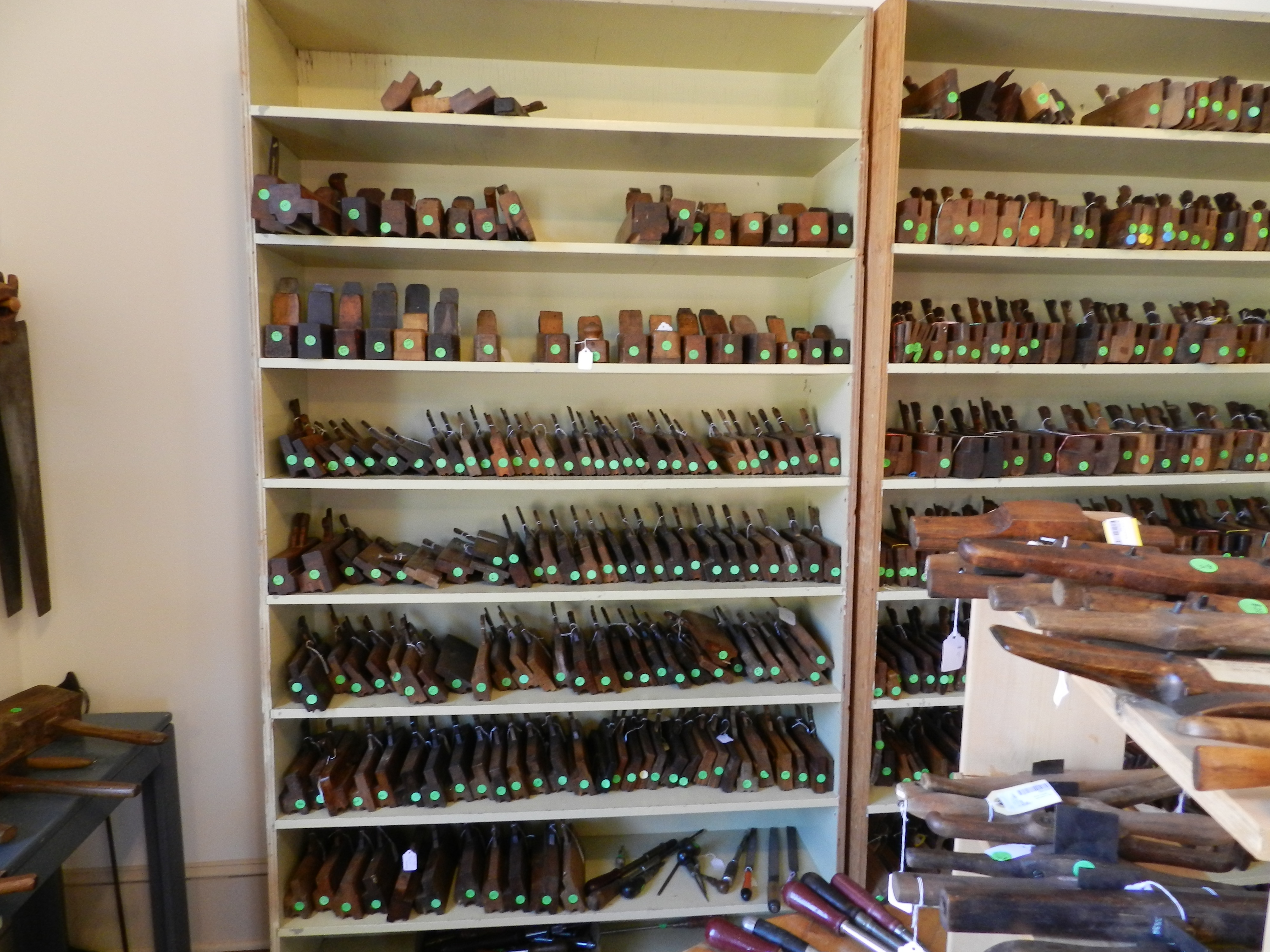
Wall of molding planes

One whole wall of the shop is filled with molding planes .

Chisels, mallets, auger bits etc.

New stuff is always coming and going so you’ll want to visit often — or see about renting a space to camp out and be first to check out the new arrivals. 😉

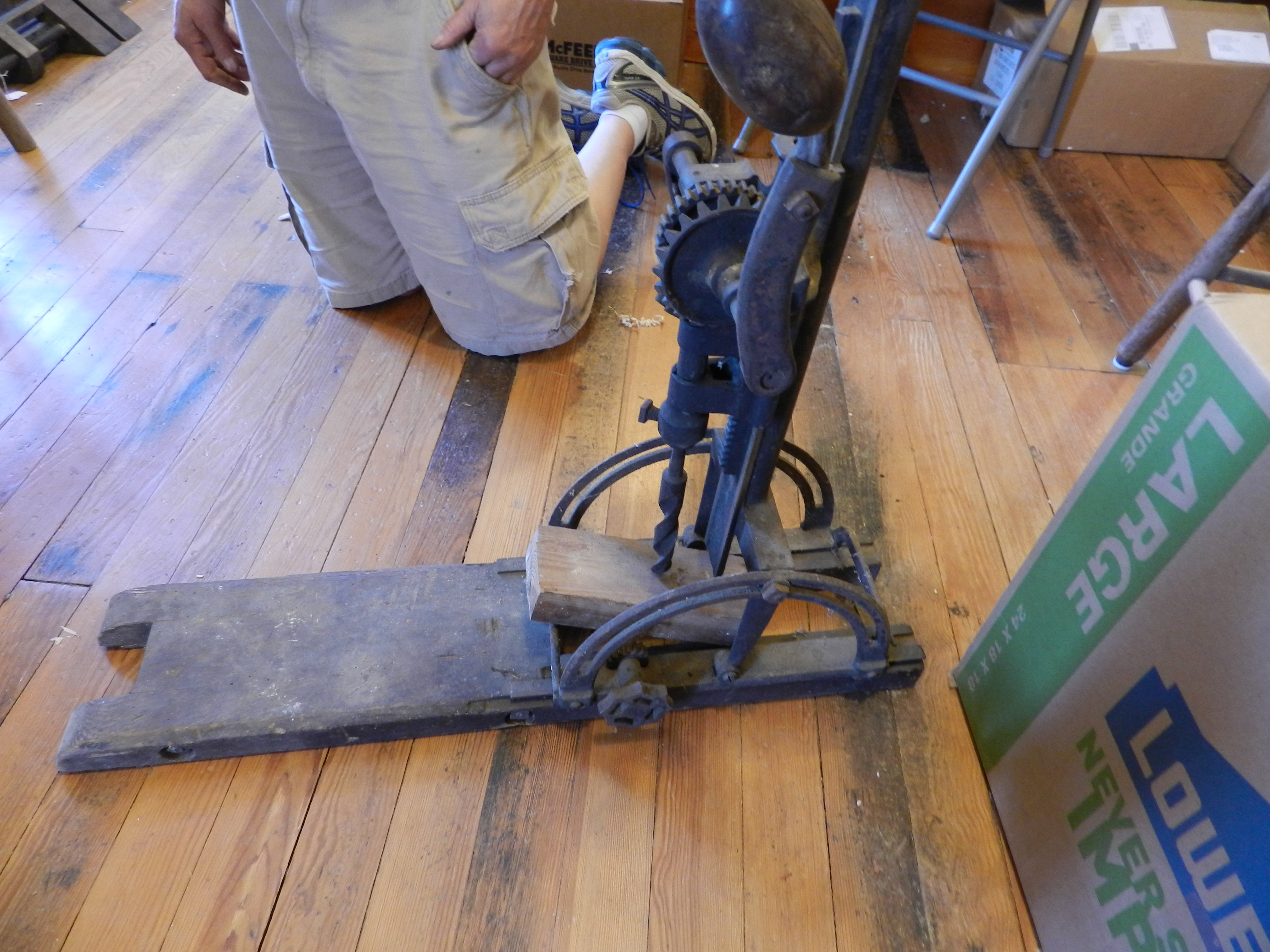
Self-advancing Boring Machine

During my visit I was enamored with an unusual boring machine. The castings on the tilt mechanism look similar to my old Swan boring machine but what made this machine unusual was the mechanism to advance the business end of the unit horizontally via the large knob on the bottom — rather than the whole dance of shimmying yourself and the unit up the timber and re-aligning the auger to make the next hole. The runners and support structure for it was all metal which leads me to believe it was a later design towards the end of that era.

New toys from Ed's tool shop
New toys from Ed’s tool shop

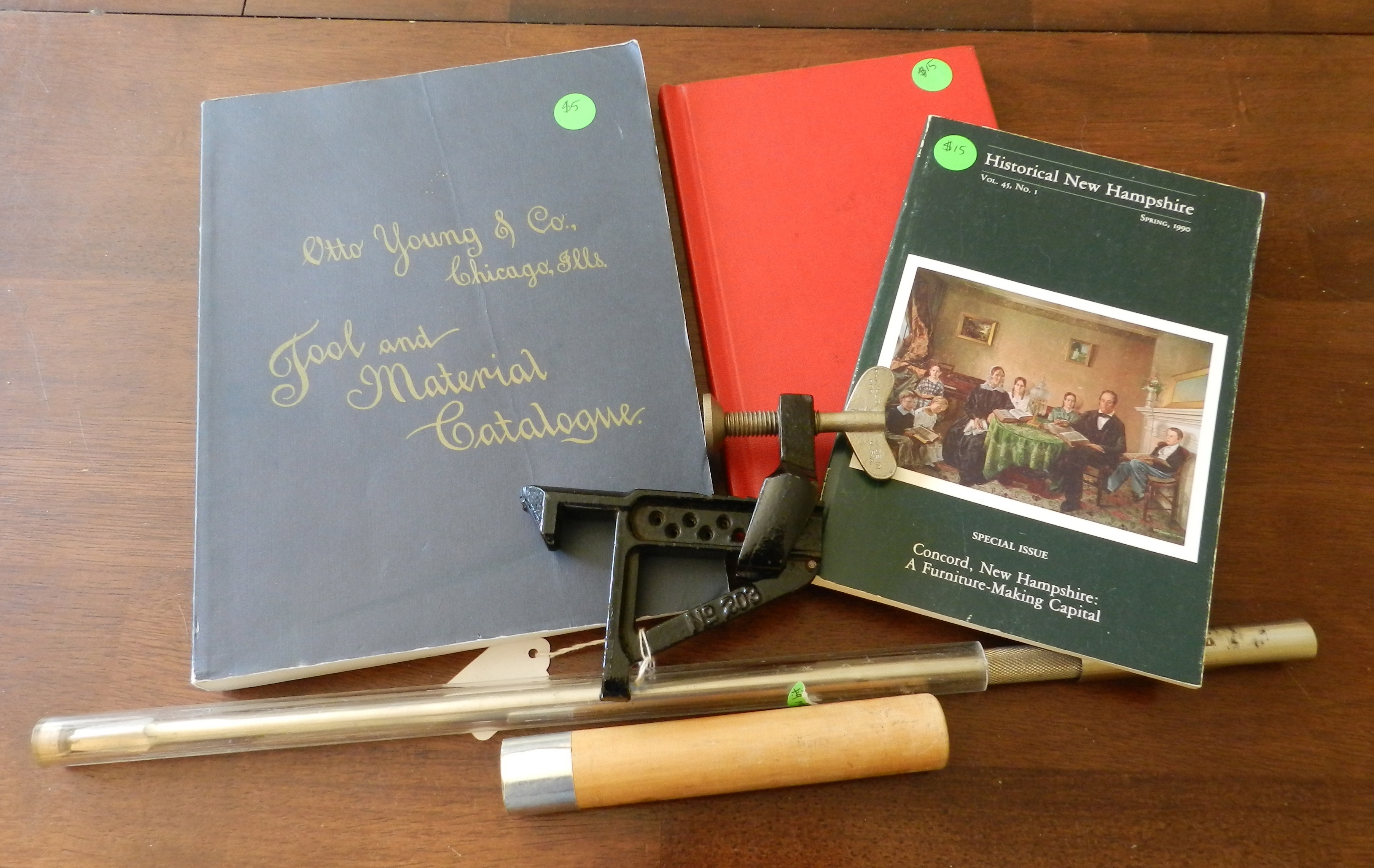
I tried my best to get out without buying anything — especially since the Nashua Live Free or Die Tool Show and Auction is coming up in a couple of weeks, but it’s like Ed knew I was coming. I found a great reprint book on Concord NH furniture makers, a book on the Shaker Barn full of tools at the Shelburne Museum in VT which I wrote about here, a MWTCA reprint of a tool catalog, a nice old Stanley auger bit extension for use with a bit brace, and a Stanley 203 bench clamp. This neat little clamp is something I’ve looked at in the past — and makes a nice addition to any bench with a sliding deadman. I look forward to giving it a try.

I’m looking forward to my next visit. If you’d like to plan a visit to the tool store or contact Ed you can find his contact info on the store’s web page here. Ed’s a great guy. If you meet him, be sure to tell him I sent you. 🙂
Take care,
-Bill

The Woodwright’s School

For Labor Day weekend this year I flew down to the Woodwright’s School in Pittsboro, North Carolina to take a 3 day class on making a Jointer Plane with Willard ‘Bill’ Anderson (more on that in an upcoming post).

My flight got in early on Friday and I had the chance to hang out with some friends at the school during the last day of a class on building the Anarchist’s Tool Chest with Chris Schwarz.

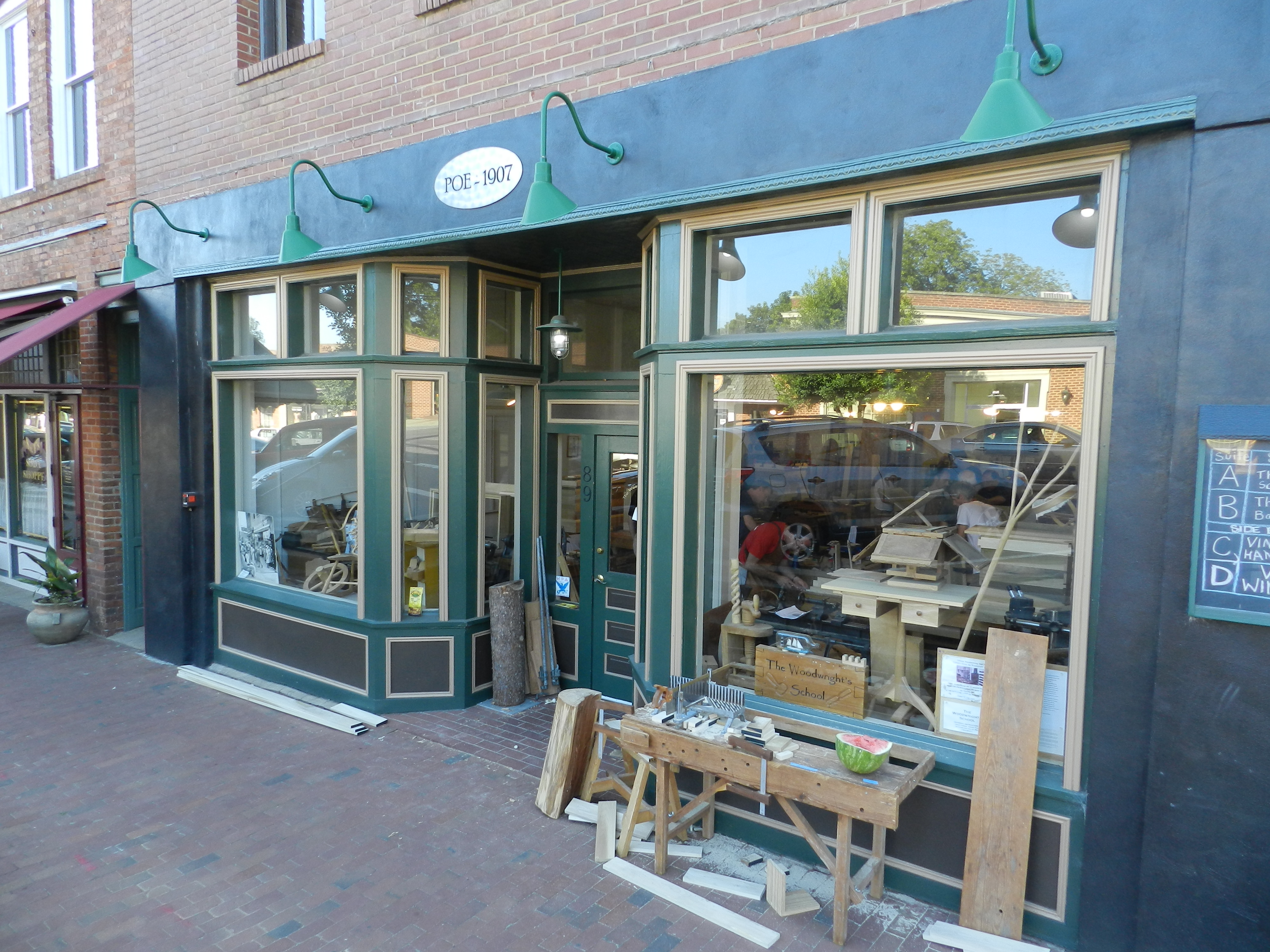
The Woodwright's School
The Woodwright’s School

The Woodwright’s School is located in downtown Pittsboro which is a scenic town about 20 minutes from Chapel Hill.

Roy Underhill planing a groove

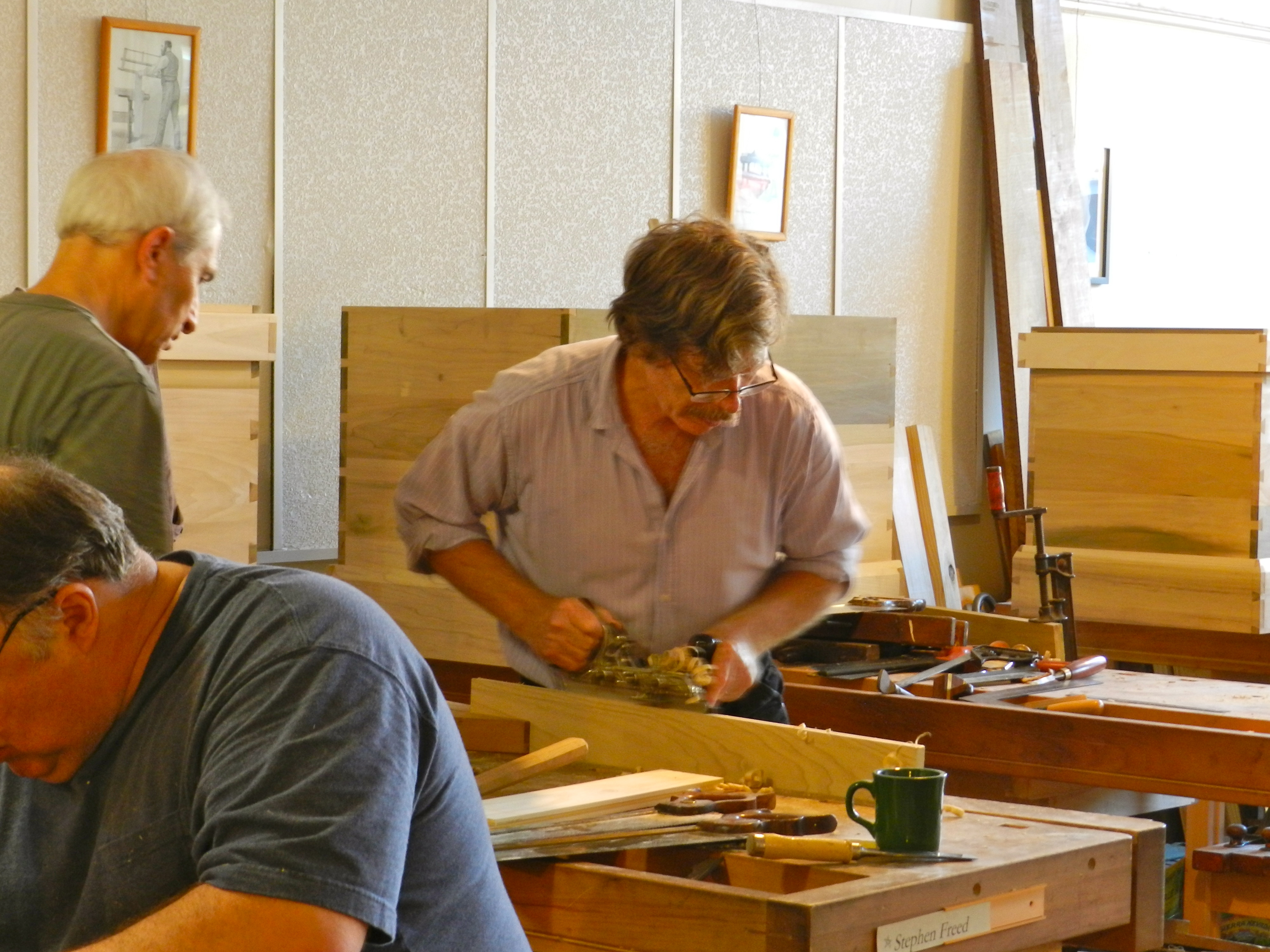
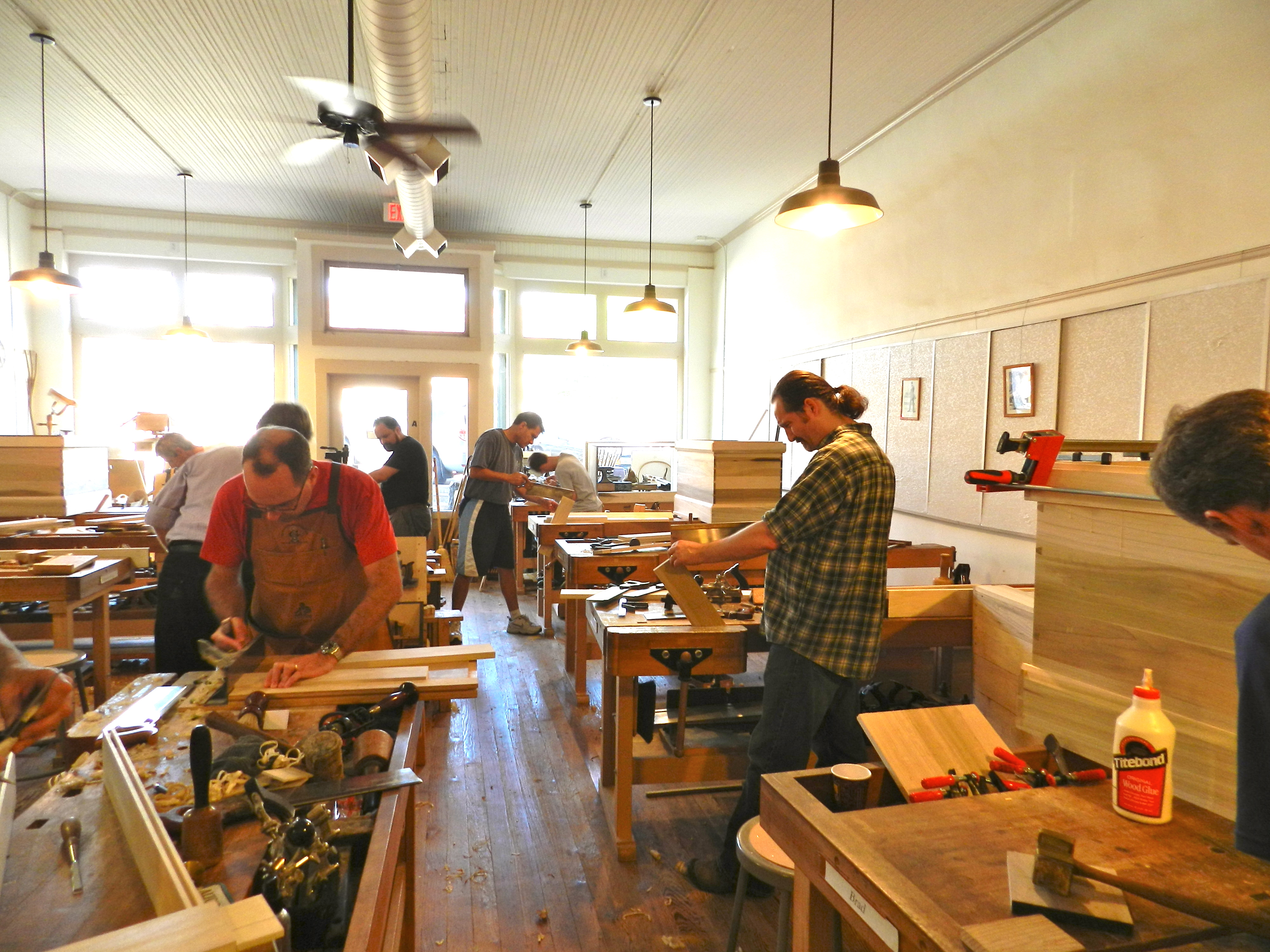
Don’t let the sometimes quiet streets fool you, once inside the school you are in a lively space full of folks who as passionate about woodworking as you are. Roy was on hand to help students as they worked their way through the last day of week long class on building a traditional English tool chest based on Chris’ book ‘The Anarchist’s Toolchest’.

The class busy working on their Anarchist's Toolchest
The class busy working on their Anarchist’s Toolchest

One of the attractions to Roy’s school is its focus on only using traditional English/American hand tools — there were no whining power tools, no Dozuki saws and no plastic handles to be seen — or at least none that I saw when Roy was making his rounds. 😉

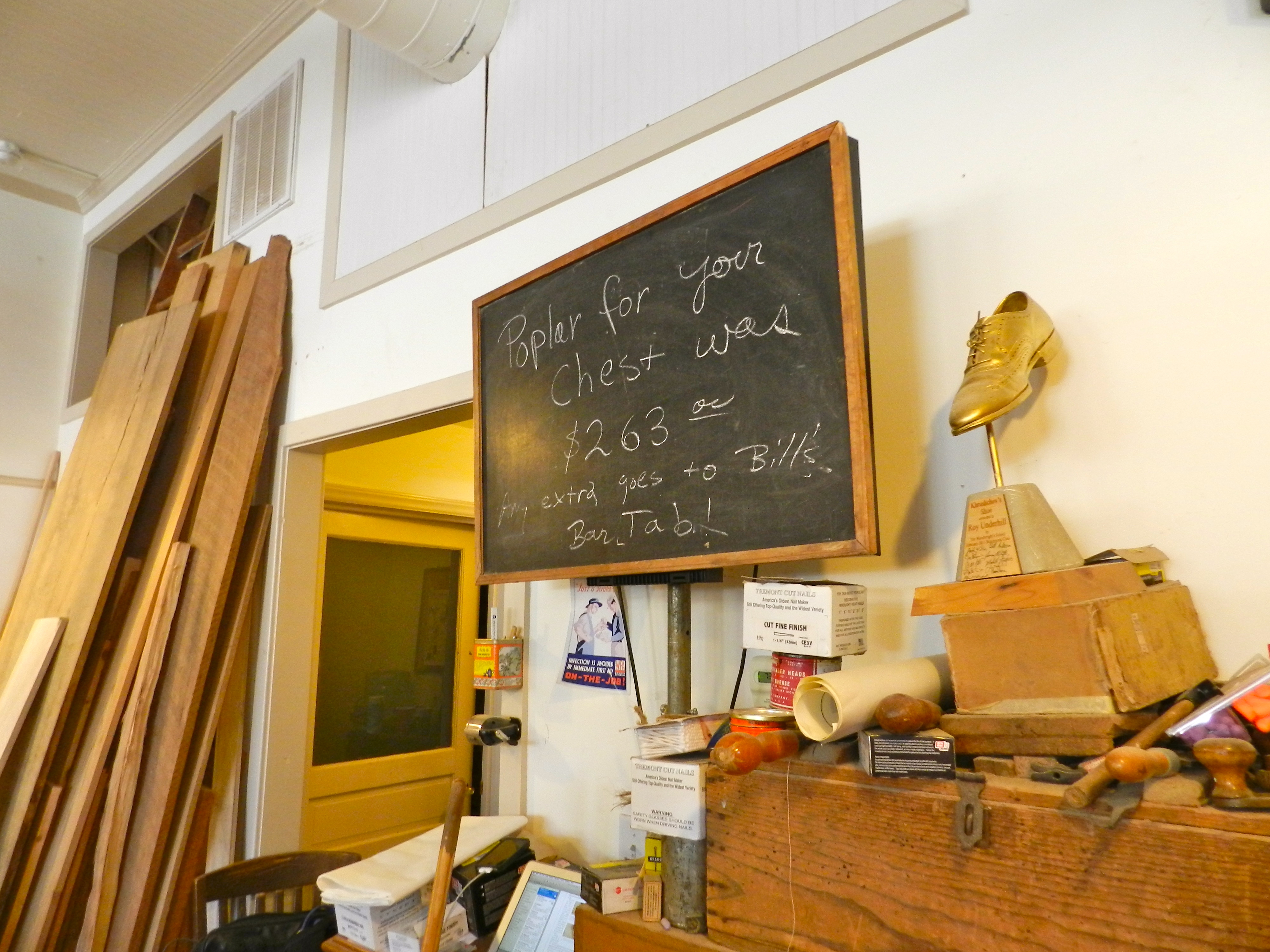
Feeding Bill's bar tab and Khrushchev's shoe
Feeding Bill’s bar tab and Khrushchev’s shoe

If you ever read Roy’s book on public speaking you’ll get why Khruschev’s shoe is an interesting trophy. Beyond the witty stories and advice on how to keep a crowd engaged and entertained, the last chapter on the morning after a presentation was the one that resonated the most with me. Applying the advice therein has improved several lectures I have to make each year.

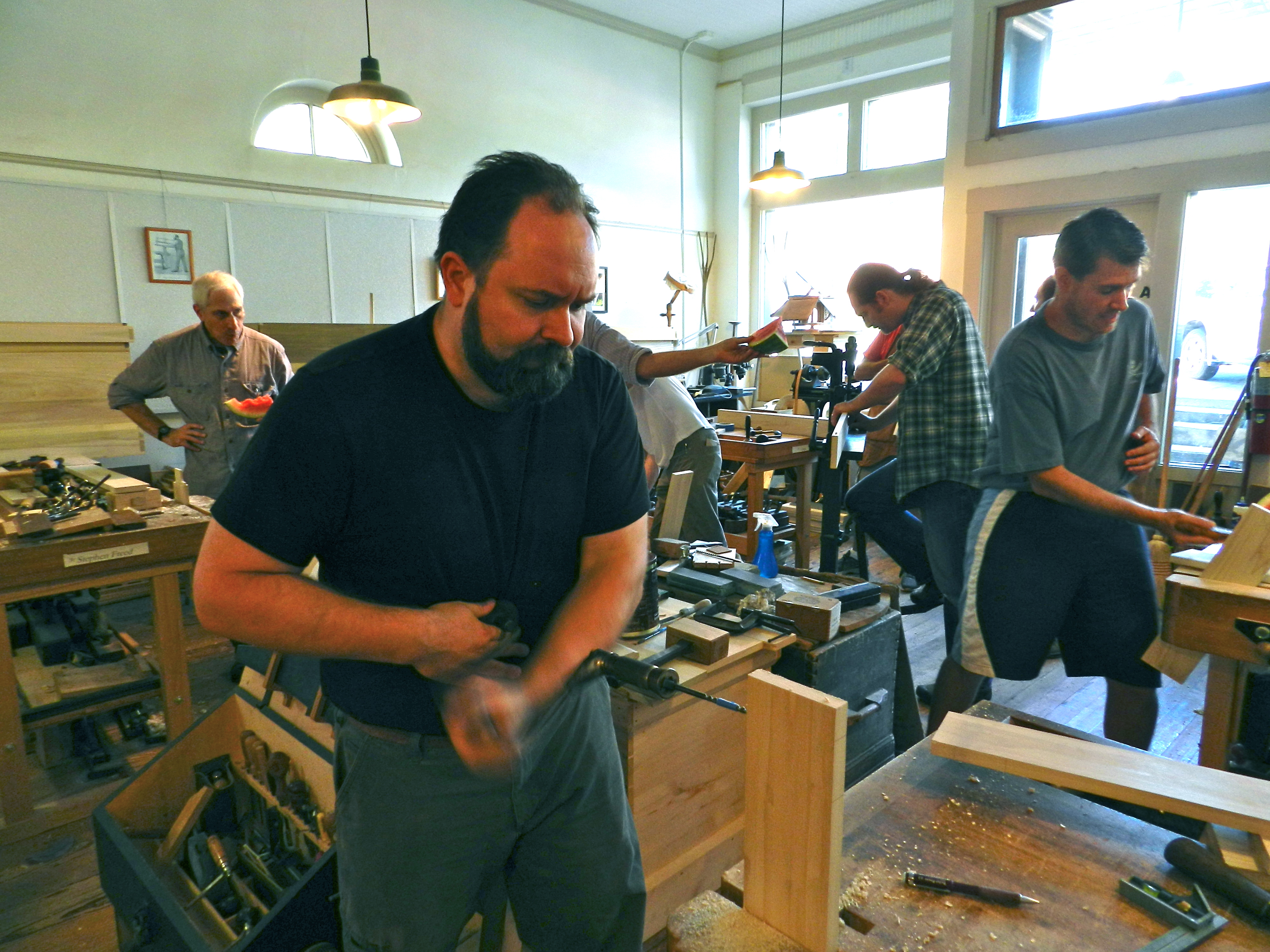
Drilling out a mortise

Traditional woodworking can feel like a very small world at times — the gentleman in the photo above was also in the class I took earlier this summer on making a Name Stamp with Peter Ross at Roy’s school — even though I was 700+ miles from home I happy to see that I could still run into people I knew.

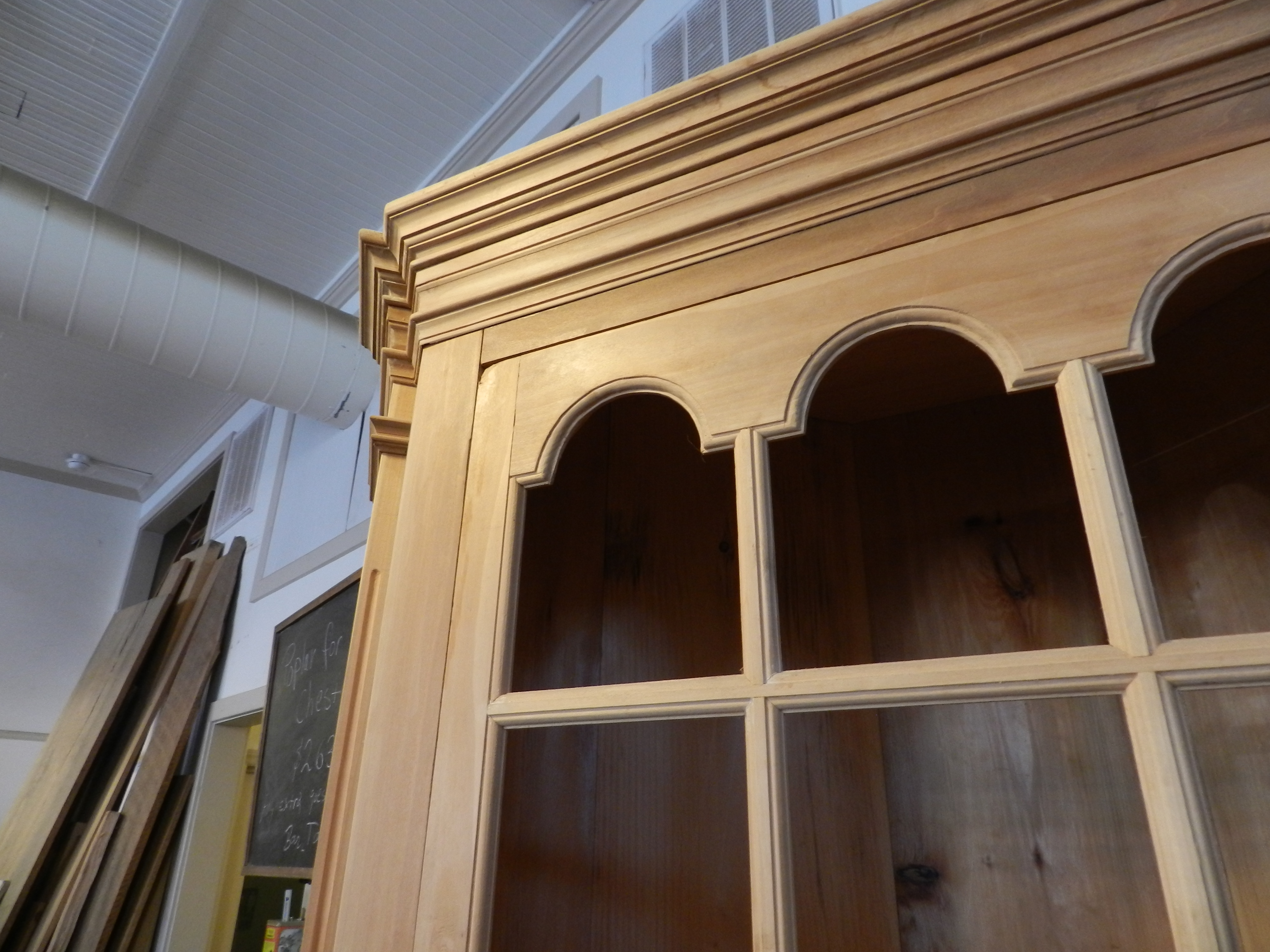
Roy's corner cabinet
Roy’s corner cabinet

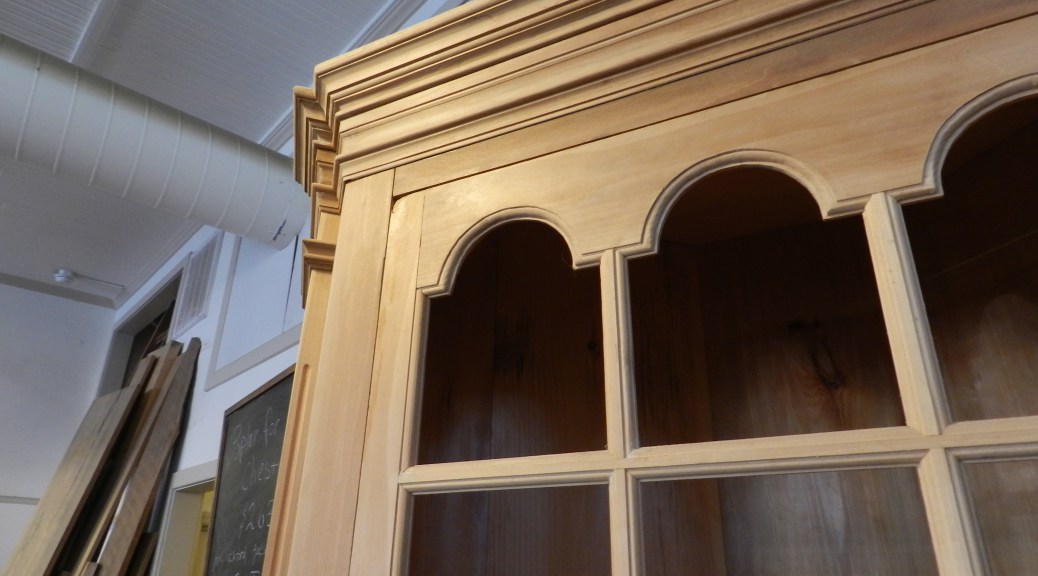
Loitering in the back of the classroom is a corner cupboard you may recognize from Roy’s show. I heard his wife has been waiting on it for a while — which made me feel a tiny bit better about the dresser I owe my wife Alyssa — which reminds me I need to get working on that again….

Chris Schwarz teaching

It was also great to spend some time hanging out with my friends Chris Schwarz and Megan Fitzpatrick including a stroll through Ed’s tool shop above the school.

Chatting with Megan Fitzpatrick

No toolchest is ever completely filled and Ed’s shop has a huge collection of traditional tools on par with some of the best regional tool shows. I tried my best to be good and save my pennies for the Nashua tool show later this month, but I did find some new toys.

Chris' Dutch Tool Chest
Chris’ Dutch Tool Chest

I had fun chatting with everyone, examining some interesting tools and helping to sweep up before a trip to the City Tap — which is a awesome bar just behind the school with great food and drinks.

Roy helping a student

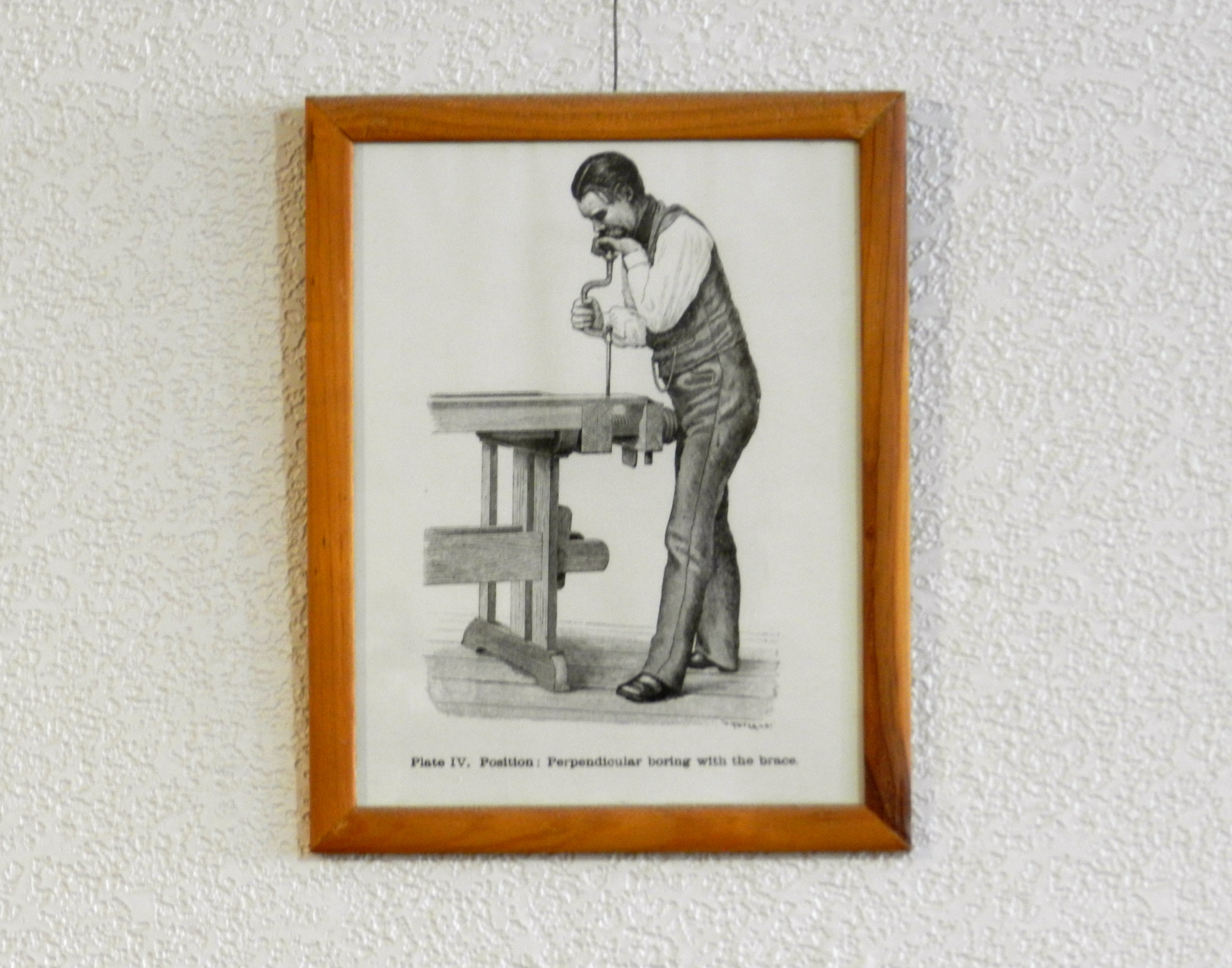
On my way out of the school I saw my old friend Otto Salomon and various other proper woodworking models from the Teacher’s Handbook of Sloyd.

Sloyd Prints
Sloyd Prints

It seems the Woodwright’s School is full of new and old friends that are literally popping out of the woodworking.

If you’d like to learn more about the school, make some new friends, meet up with old friends, or sign up for a class you can check out the school’s website here.
-Bill

Old Salem + MESDA

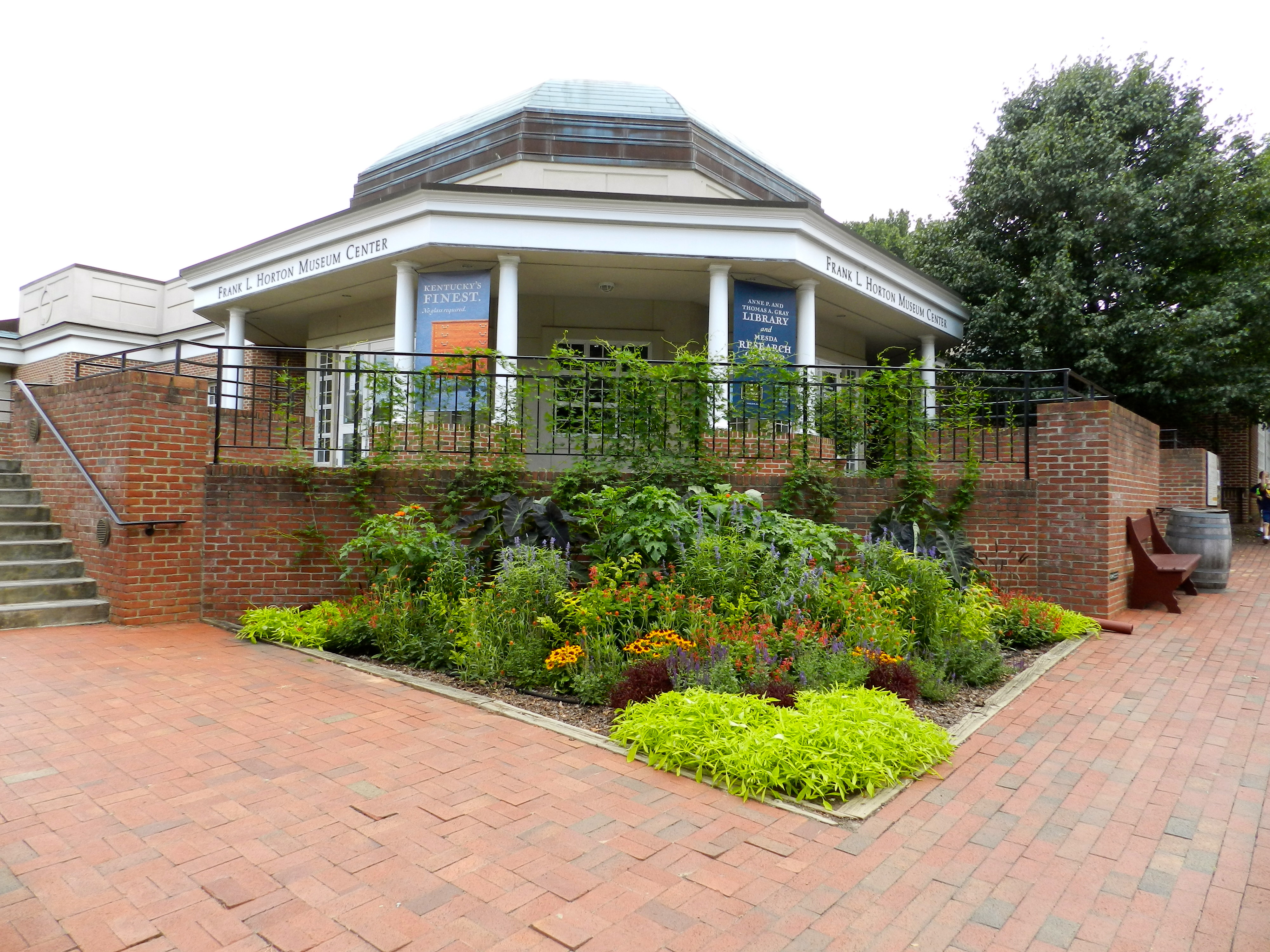
No visit to Old Salem Museums and Gardens would be complete without a visit to and guided tour of the Museum of Early Southern Decorative Arts (aka MESDA).

MESDA -- The Museum of Southern Decorative Arts
MESDA — The Museum of Early Southern Decorative Arts

Make sure to head over to the museum first and schedule a guided tour early — as they fill up fast.  I learned about this museum from Glen Huey’s book ‘Furniture in the Southern Style’. Just as he said, the museum staff were extremely friendly and knowledgeable. After my tour and talking to the guides, I was invited back to see some of the other rooms. I had a great time and made some new friends.

As someone who grew up in the Northeast and New England it was great to see some more of the vernacular pieces from the South and be able to compare and contrast the details with those of my own work. I hope to tackle some Southern style pieces soon. The museum also has a great research library and a staff who enjoy sharing what they know — I look forward to doing some research there in the future.

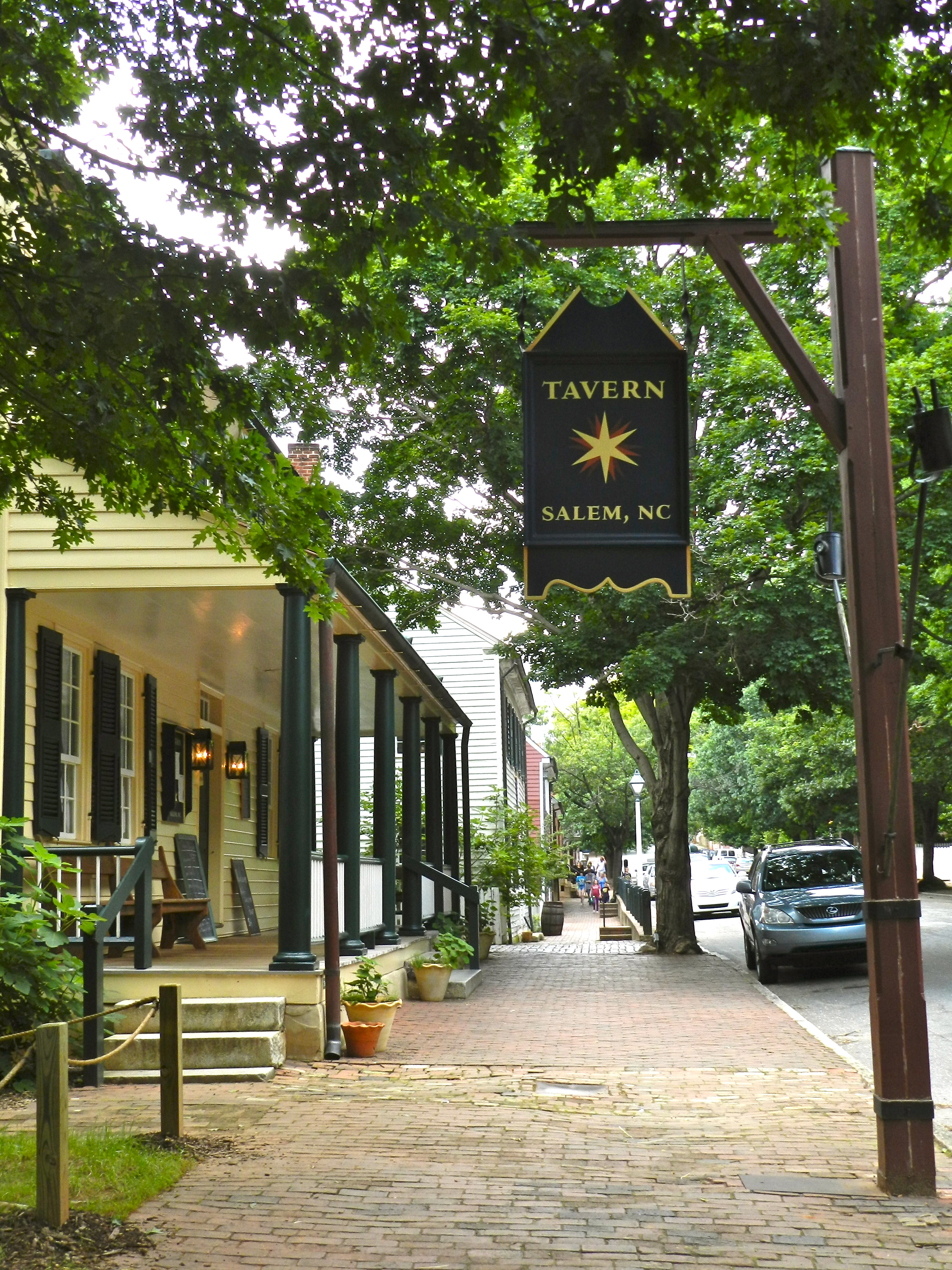
The Tavern at Old Salem

When lunch time came around we headed over to the Tavern at Old Salem. They had a newly revamped menu which included a lot of southern favorites and fresh local produce. I had a great pulled pork sandwich and warm German Potato salad — the best I ever had that was not made by family. I come from a long line of German ancestors, some of which were brewers, so much like the woodworking gene, I’m pretty sure a lot more things are hereditary. Love of beer, bratwurst, bacon, expressed construction in woodworking etc. I also think that German language has a nice sound to it — so that one must be subconscious as at a conscious level I don’t get it….

Ready to eat at the Tavern at Old Salem. (I had a great pulled pork sandwich)

After lunch we had fun exploring the town’s many shops, houses and gardens.

Some of the beautiful gardens that are part of Old Salem Museums and Gardens

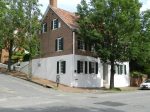
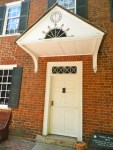
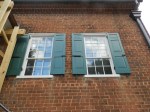
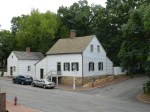
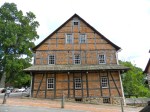
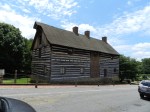
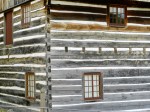
Below on the blog is a gallery of some of the more interesting architectural highlights from my walk through the village:

You can easily spend a full day visiting Old-Salem and MESDA. In the evening things get pretty quiet in the historic area so plan your trip accordingly, but there are lots of other things to see in the surrounding area in the evening.

If you’d like to plan a visit to Old Salem Museum and Gardens you can check out their website here.
-Bill

The Historic Trades at Old Salem

This summer I had the chance to take a week long road trip and travel around to a lot of historic sites in Virginia and North Carolina. One of my favorite stops along the way was my visit to Old Salem Museums and Gardens in Winston-Salem NC.

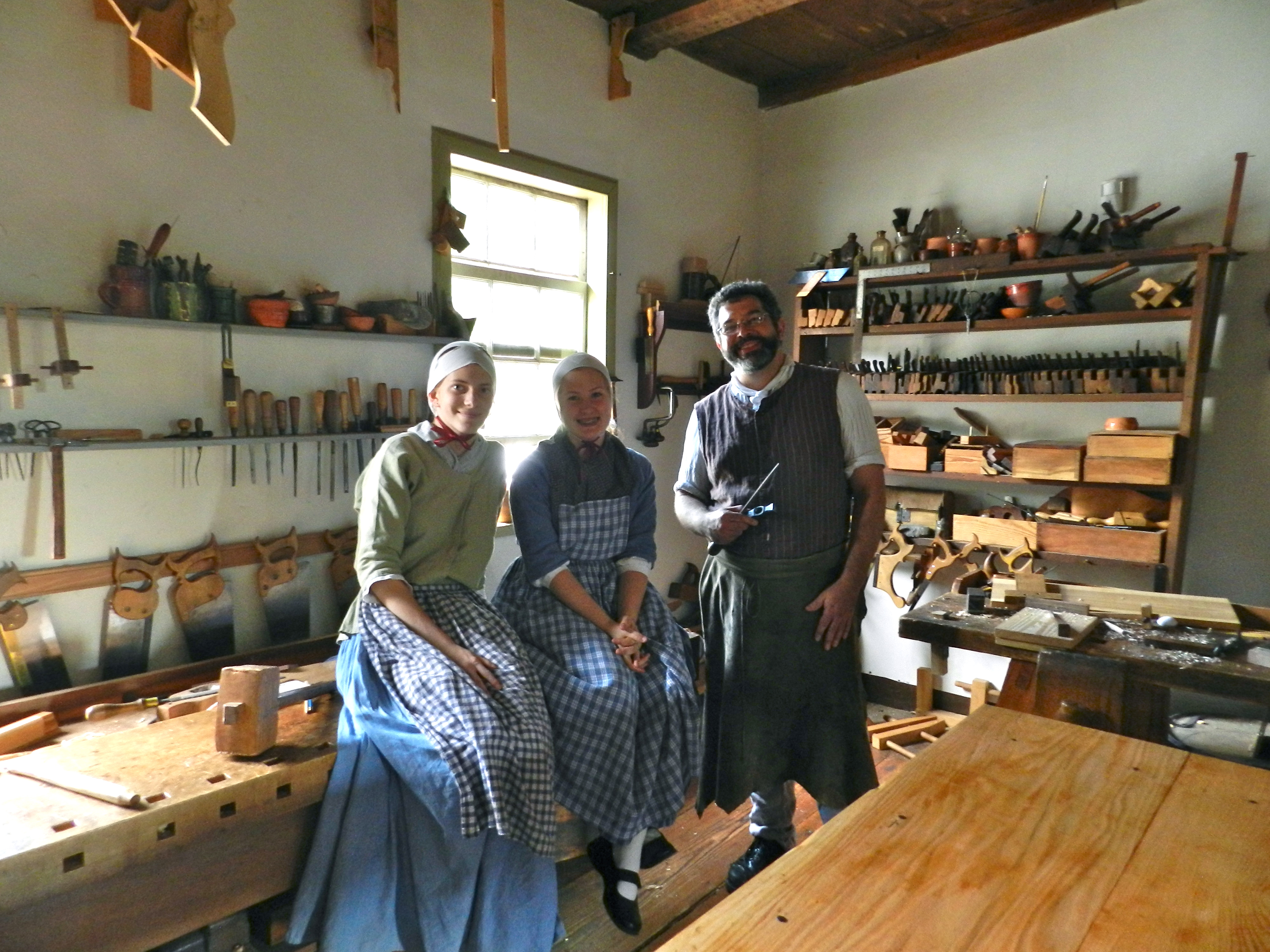
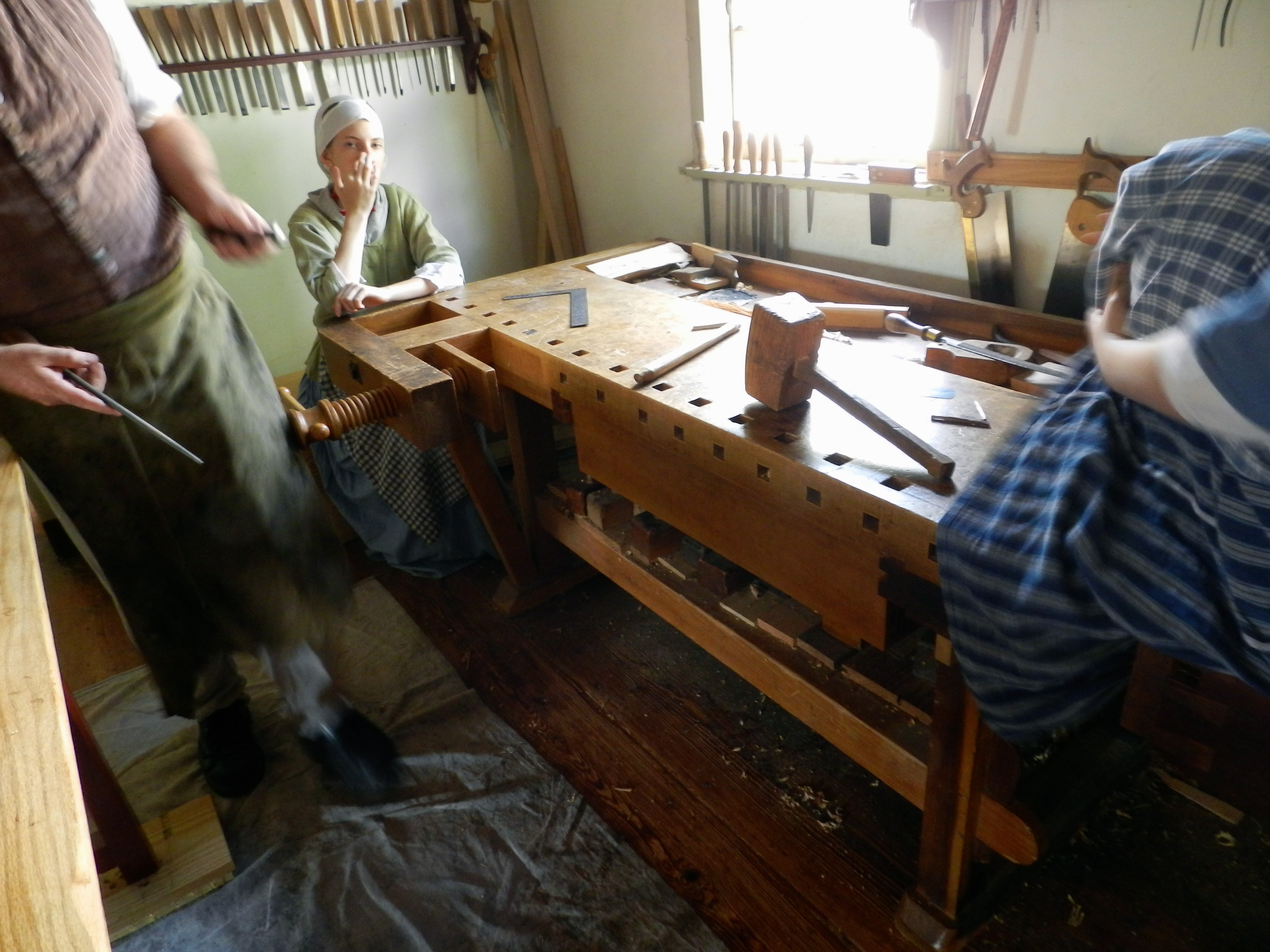
Interpreters in the Joiner's workshop inside the Single Brother's House Shop
Interpreters in the Joiner’s workshop inside the Single Brother’s House Shop

I first learned about Old Salem while having dinner with Thomas Jefferson at Colonial Williamsburg. (No joke).

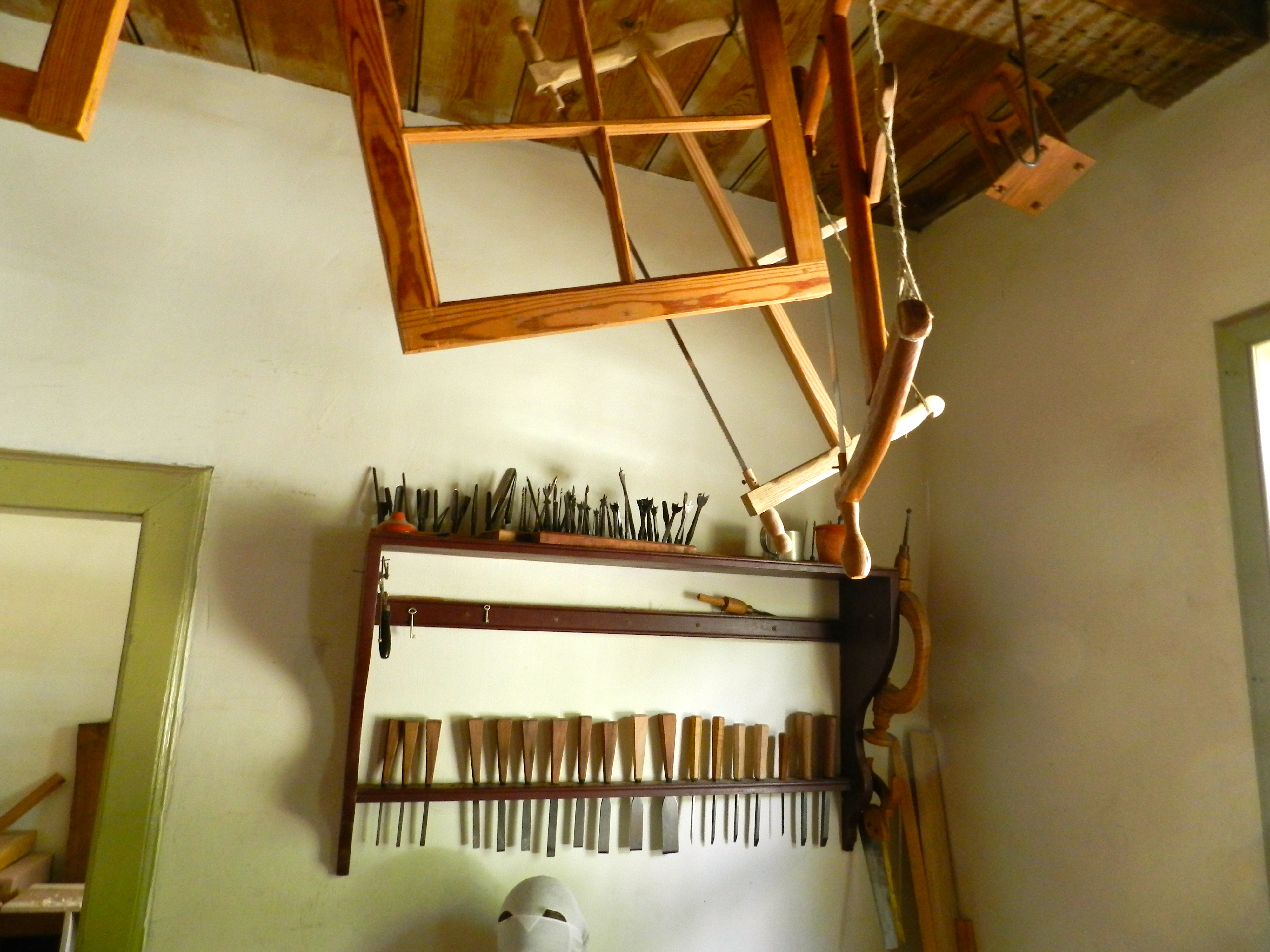
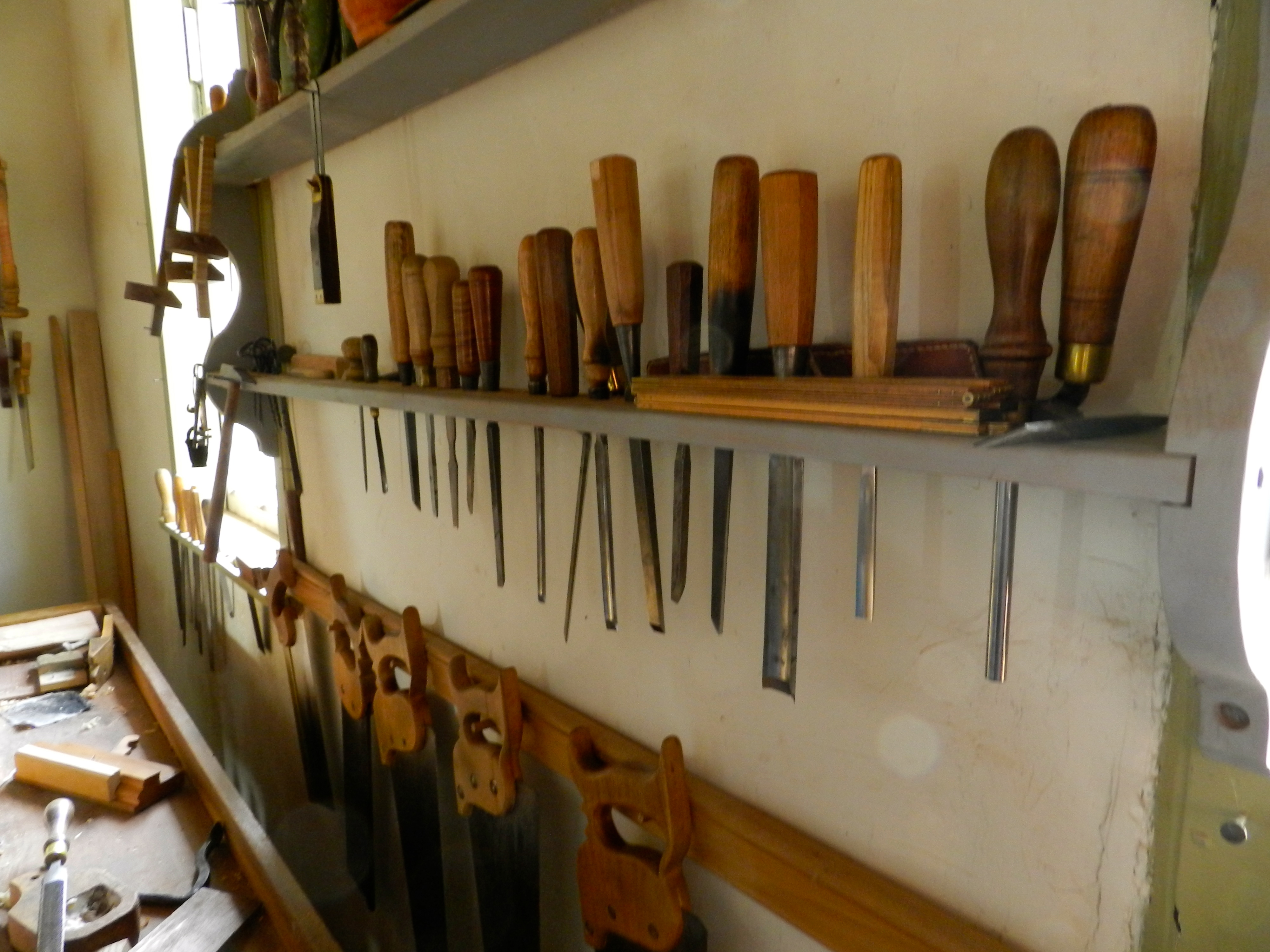
Window sash, drill bits, and chisel rack

I also heard good things about it from Glen Huey’s book ‘Furniture in the Southern Style’ which draws upon some pieces from MESDA (The Museum of Southern Decorative Arts)

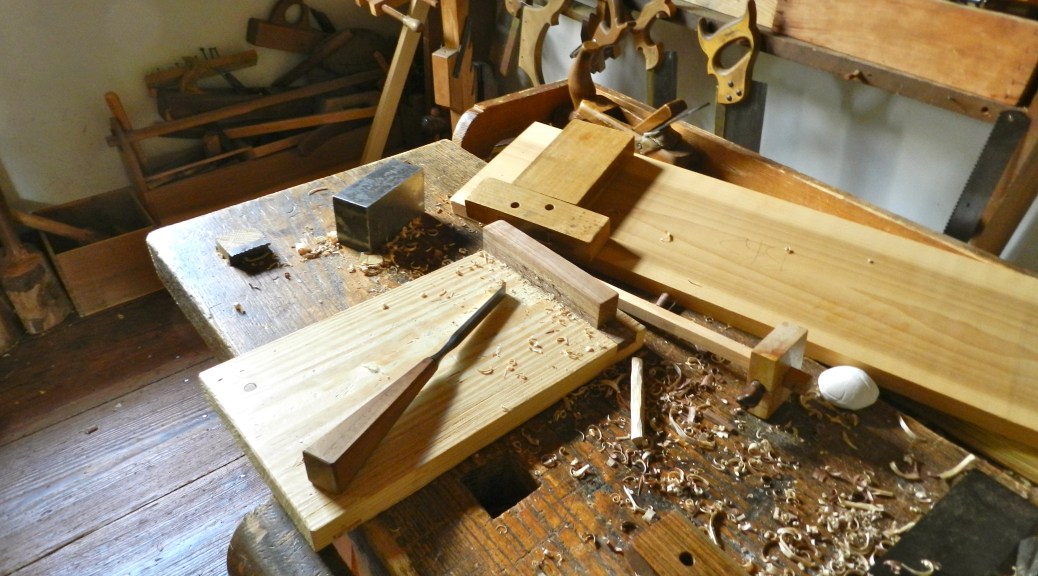
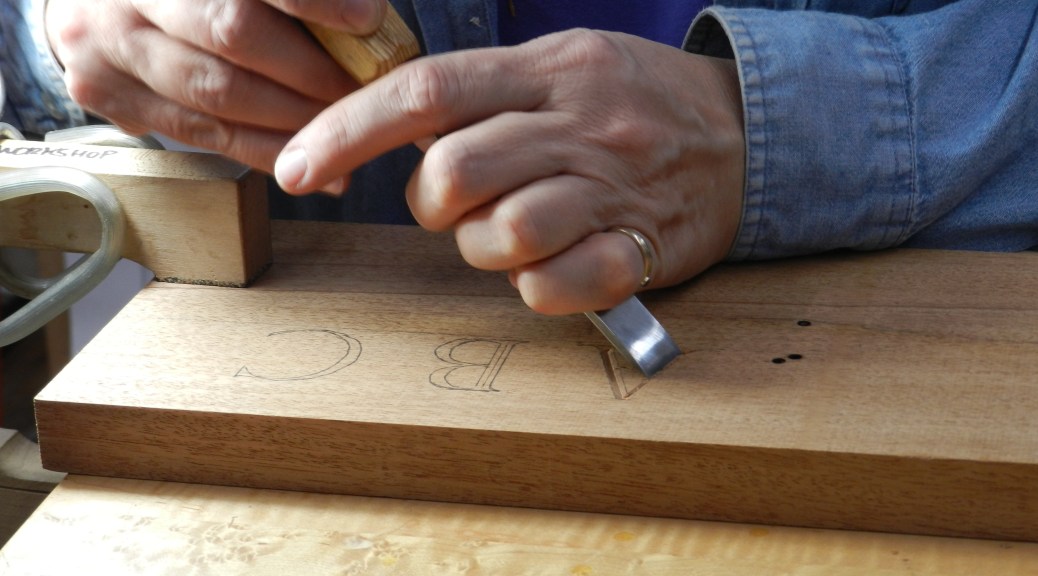
Carving over a bench hook

During our visit, my wife and I had a great time exploring the historic area and visiting the many shops and buildings.

Great traditional bench -- note how the shoulder vise is cantilevered out and there is a set of dog holes in the skirt as well.
Great traditional bench — note how the shoulder vise is cantilevered out and there is a set of dog holes in the skirt as well.

As always, the most exciting part for me was visiting with all the craftspeople who work in the various historic trades.

Full chisel rack
Full chisel rack

In the Single Brother’s House there were a series of workshops housing various trades that were vital to the community.

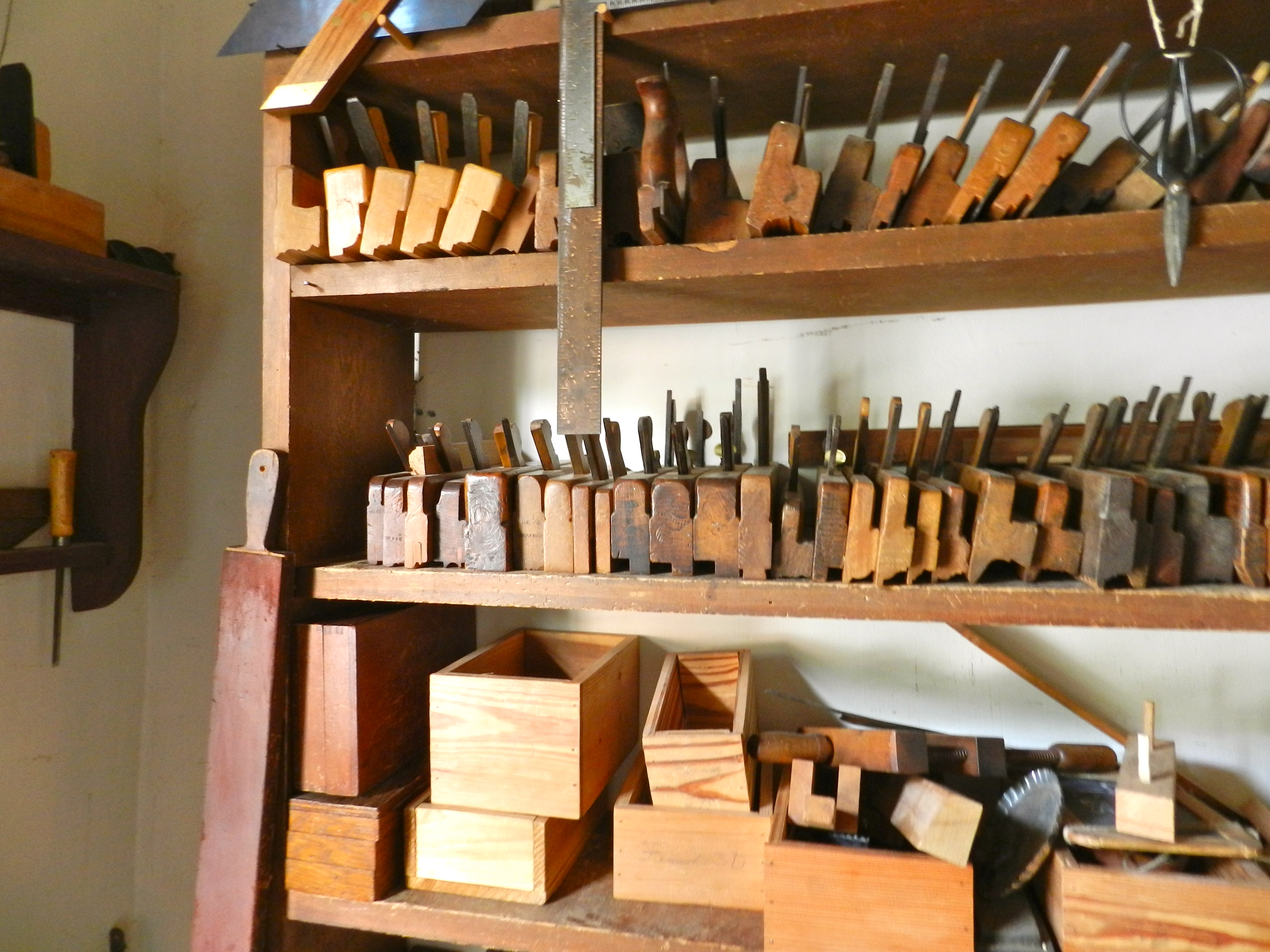
Molding planes
Molding planes

I felt right at home in the Joiner’s shop and if my wife would have let me I would have spent my day at the workbench talking to people….

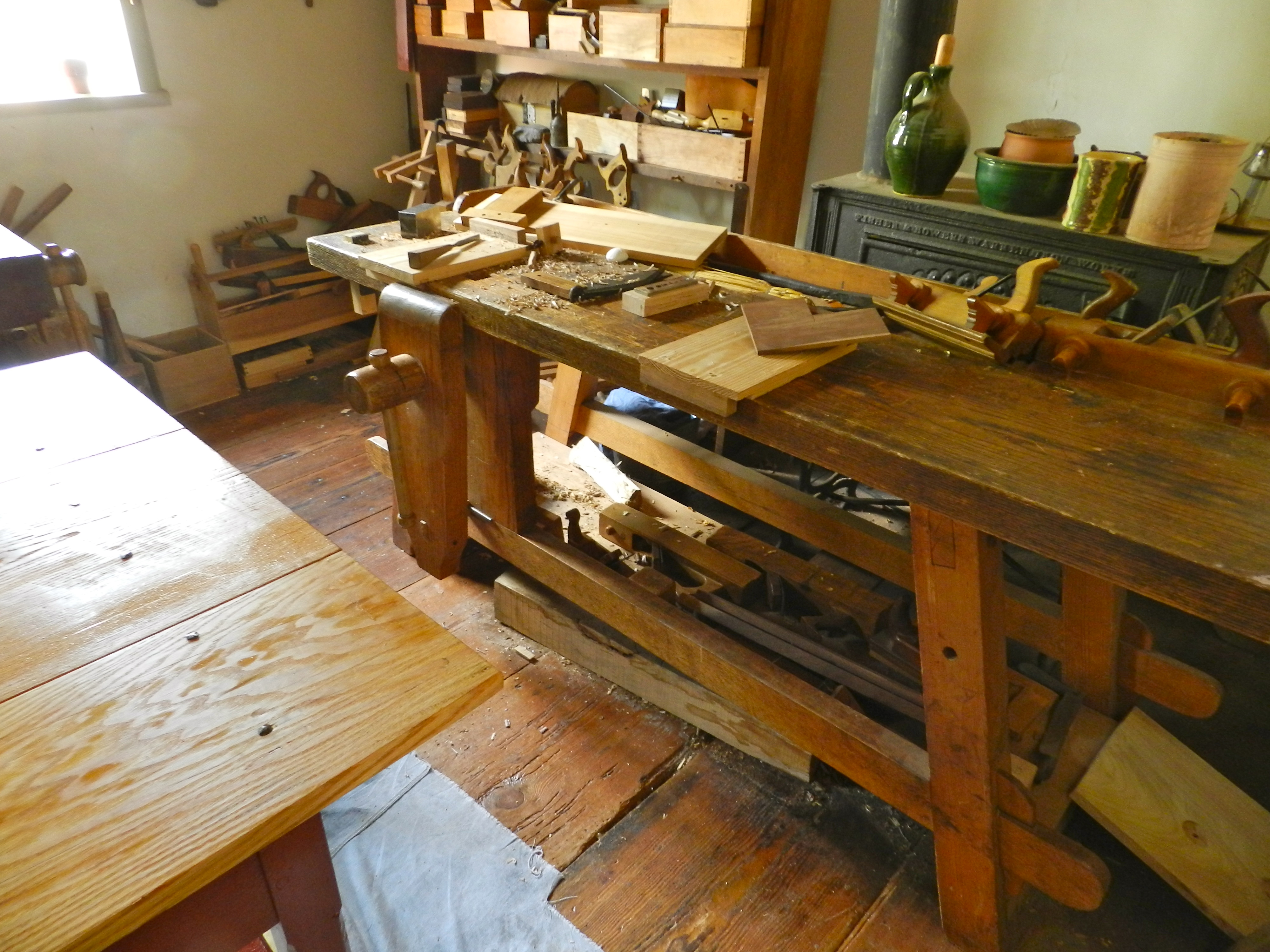
Joiner's bench with angled legs and wedged tenons
Joiner’s bench with angled legs and wedged tenons

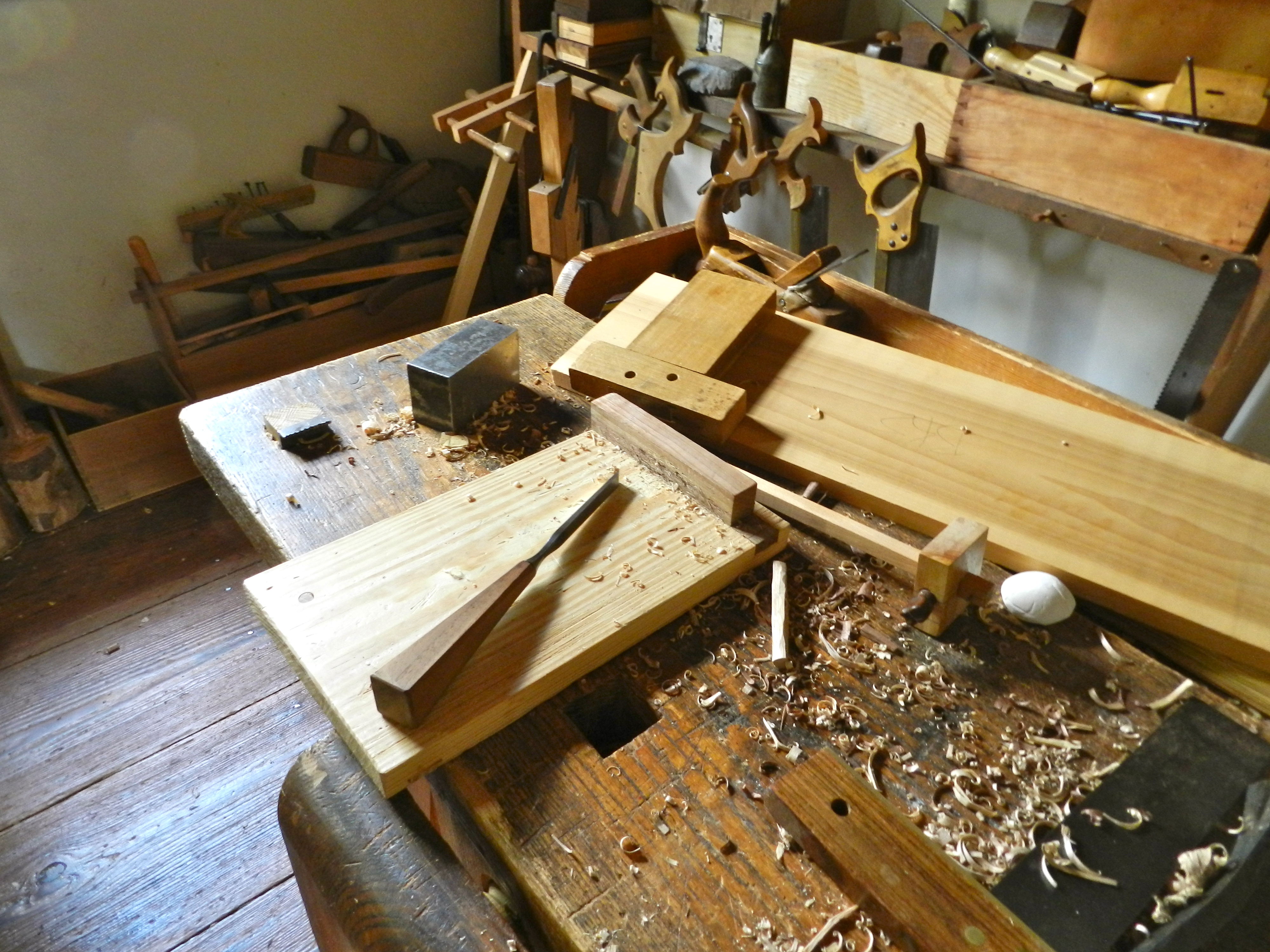
The workshop had a great assortment of jigs, fixtures, tools and unusual benches. Look at the great wedged tenons on the bench above. (Also check out the floating shoulder vise and skirt board with dog holes on the bench further up. Looks like they did not see as much use, but an interesting idea)

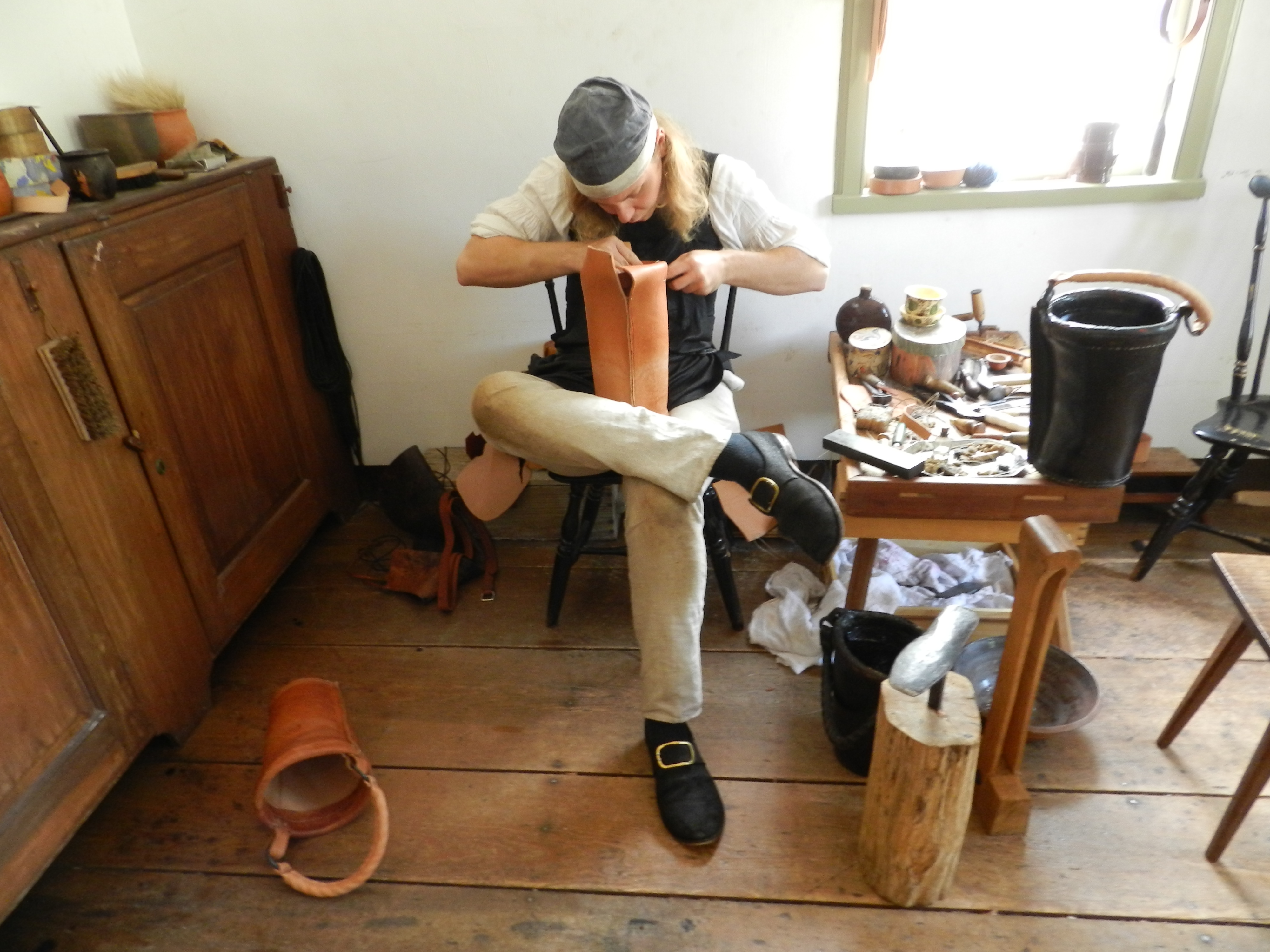
The shoemaker plying his craft -- in this case making a leather bucket.
The shoemaker plying his craft — in this case making a leather bucket.

The single brother’s house was where young men of a certain age could learn the craft and ply their trade before they got married and moved on to their own homes. In the shoemaker’s shop we had a great chat with a shoemaker who was making a leather bucket which was one of the many other wares a shoemaker would make for the town.

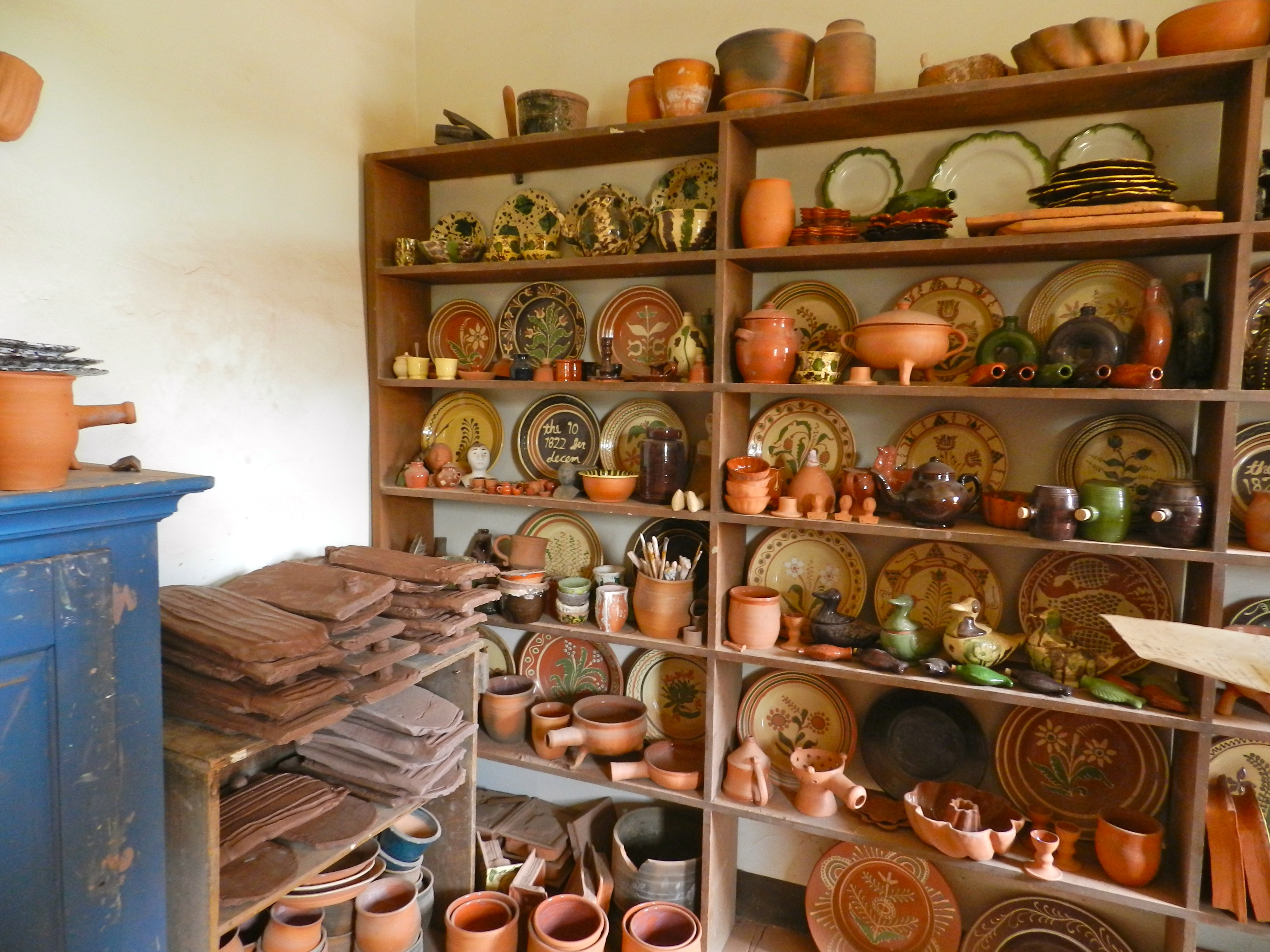
Some wares made by the Potter in his shop

In the potter’s workshop you could see on display a wide variety of earthenware dishes, cups, and other ceramic objects. Most interesting to me were the ceramic tile shingles which you can see in the restored village.

Other trades on display were the gunsmith, apothecary, tailor, tinsmith and gardeners.

If you’d like to learn more about the craftsmen and women who work in the historic trades at Old Salem you can read more here.
If you are ever in the Winston-Salem area I highly recommend visiting Old Salem and checking out the workshops.

The Real Cost Of A Tool

When looking at the historic prices of tools, even after converting the dollar amounts into today’s prices it often does not give a truly accurate representation of what a tool really cost the person who bought it. I remember my first job in high school working in a retail clothing store for ~$5 an hour in 1997 which was the minimum wage in NY at the time. If I went to the store to buy something, part of that decision was always based on a calculation of ‘how many hours did I have to work to buy this item?’
Hammacher Schlemmer Sloyd Knife Ad -- The School Journal July 2, 1898
Hammacher Schlemmer Sloyd Knife Ad — The School Journal July 2, 1898

I wanted to apply this same logic to some of the tools in the 1900 Sloyd tool chest list we talked about here. I did some research and found that the average carpenter in 1899 made $2.30/day**. So that would mean the Sloyd cabinet full of tools which cost $11.91 would be about a week’s worth of wages to purchase  — 5.17 days to be exact.
Hammacher Schlemmer Sloyd Training Bench from 1898 ad in the School Journal

This summer I had a chance to chat a bit with my cousin, master NYC woodworker James Cooper. (Or as he is known to the family — Jim)

Jim has been working in the craft for a long time and it was great to pick his brain a bit on this topic. I’ll recount some of my interview with him here:

“In 1971 we worked for $4/hr (although we were often wrong in estimating the time required) and the only catalog I could find from that era, 1973, is of a small German American maker of chisels and carving tools where Pattern Maker’s Chisels, 6mm – 30mm,  sold for $7.50 – $12.50 ea…….about  2 – 3hrs of labor! Today a competent mechanic in NY can earn $25/ hr and a decent 3/4″ (19mm) chisel can be had for $25 – $40 or rather less work then I exchanged 40 yrs ago. The most important point to emphasize is that whatever the cost, good to great hand tools will last a lifetime+ and, well used and cared for, will feed you for all that time, while never loosing value.

The early 20th Century Bailey 07 plane that I picked up, used but cleaned, at a flee market in 1981 for $100 (which at that time was about the cost of a new British Stanley) is worth $200+ today after my having used it for countless hours to realize 100s of projects over all that time…and it outperformed the British Stanley to boot! The $100 Bailey bought in 1981 was less then a days labor (about $125 / day at that time)!” — Jim Cooper

Taking the 3/4″ firmer gouge as an example I tried to plot it over time, and here are my findings so far:

Year Price Avg Pay Rate Time to earn it Notes
1900 $0.34 $0.23/hr 1.48 hours work $2.30/day, so assuming an 10 hour day for hourly rate at the time
1973 $10.00 $4.00/hr 2.5 Hours Assumption that during this time was potentially a low water mark for availability of quality tools in the US — all the old makers were on their way out, and new high end tools were only getting started
1981 $20.50 $12.50/hr 1.64 Hours Based on estimate of about $125/day and assuming a 10 hour day. Price of tool inflation adjusted from 1973 data point. Note also this was the time of a large global recession.
2013 $49.99 $25.00/hr 2 Hours Based on current price of a Henry Taylor 3/4″ in-cannel gouge from Traditional Woodworker which is very similar to that original gouge in the Sloyd tool chest

If any of my readers have some additional data points, I’d be happy to flesh this out more — especially before and after the world wars. So if you have an old tool catalog with prices from an earlier time (especially for a 3/4″ firmer gouge) or recall and are willing to share your pay rate at an earlier time (either hourly or daily) I would be happy to flesh this out more and see what else the data can teach us.

My conclusions based on all of this?
The availability of good quality tools, societies’ willingness to pay a craftsman a fair wage, tax codes, the macro-economic climate and the ability to find work in that field have all fluctuated over time which makes it hard to draw a lot of concrete conclusions without befriending an economist or gathering a lot more data. But having said that, I think all craftsmen and women have at one time or another done the mental calculation of current wage versus the price of that new tool and thought to themselves ‘I really need to charge a higher rate’ 😉

What to you think?  There are only so many working hours in a lifetime. Are you spending more on tools today relative to your hourly wage compared to earlier decades? Or are you coping in other ways? (Refurbishing old tools etc which still takes up a lot of time). I’m interested to hear your thoughts in the comments below.

-Bill

** I used the following source for that pay rate data —  http://www.nber.org/chapters/c2486.pdf

2013 BAC Traditional Building Intensive

Most people relax on their summer vacation. After a day on a beach I get antsy and need to keep moving, exploring and building. For the second year in a row I spent my vacation last week sharing my passion for the craft by teaching the 8 day intensive that is part of the semester long ‘Traditional Building’ class I teach at the Boston Architectural College (BAC) in association with the North Bennett Street School.

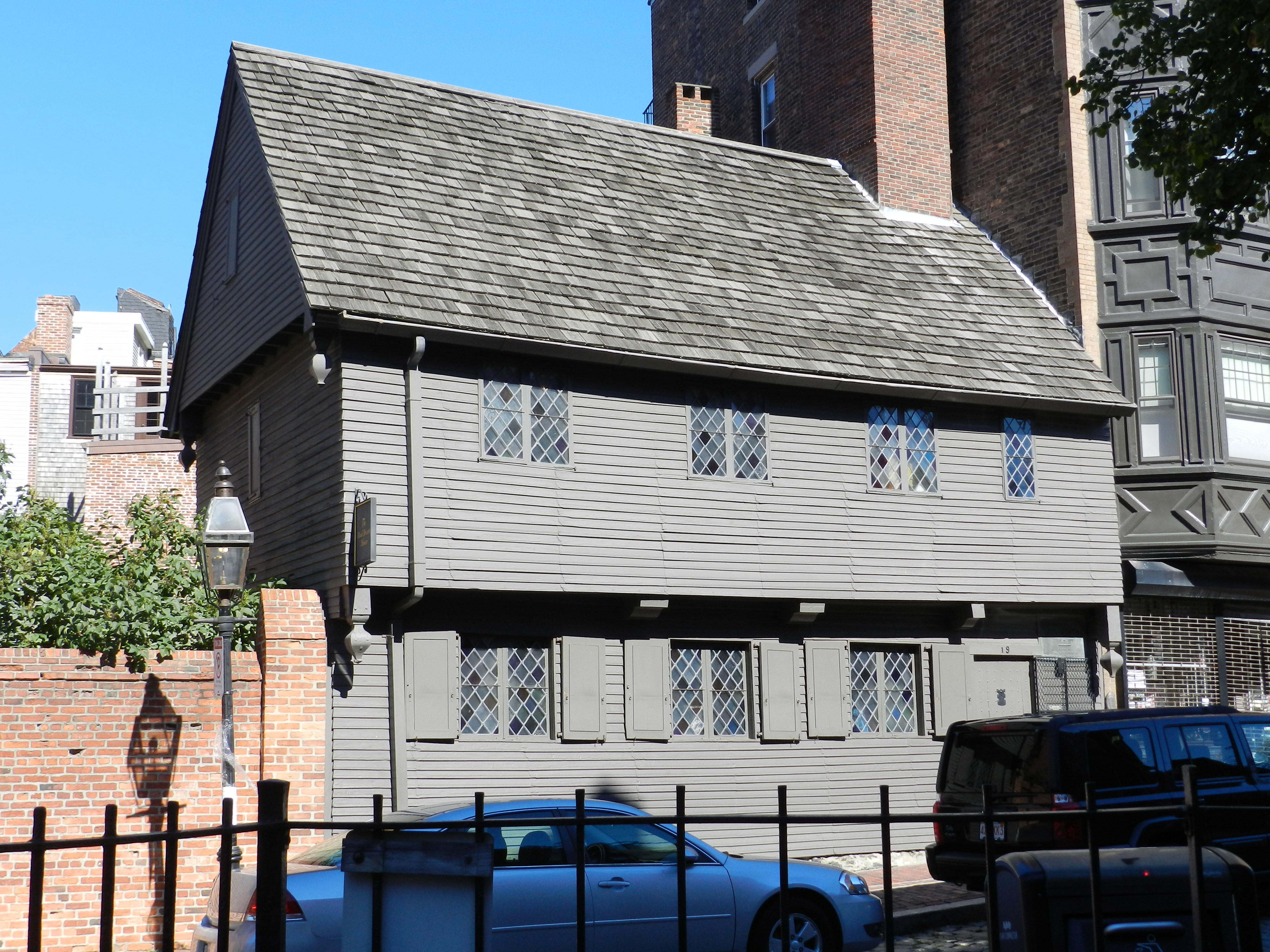
The Paul Revere House, Boston, MA

The class is part of the low residency Master’s Degree in Historic Preservation at the BAC. In this 8 week long class, 7 weeks are online with a series of interactive lectures/discussions and traditional coursework and one 8 day week is spent with the entire class in Boston participating in a hands on format. This works great for students who need to juggle work, family and other obligations while also seeking a quality degree on the way to a new or expanded career path.

Touring historic homes and buildings with Steve O'Shaughnessy
Touring historic homes and buildings with Steve O’Shaughnessy

On the first full day of class we took a walking tour of the city with Steve O’Shaughnessy (NBSS Preservation Carpentry Instructor) visiting several historic house museums and notable structures in Boston. Having worked for Historic New England, Steve is an excellent tour guide with a lot of great information to share.

Traditional Woodworking with Bill Rainford

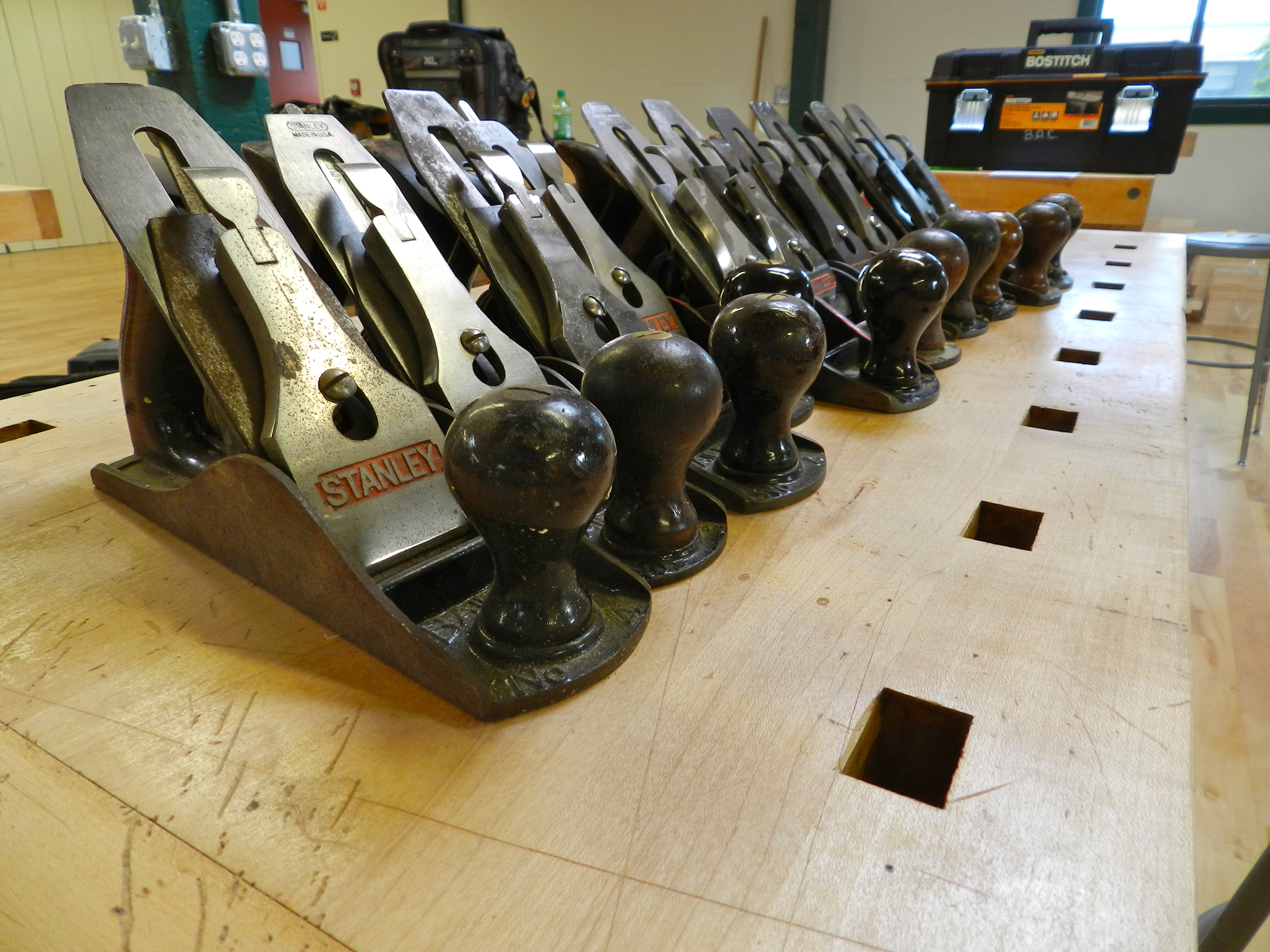
The second day I spent the morning teaching the basics of traditional woodworking — using a smoothing plane, molding planes, drilling, chiseling and other basic bench work.

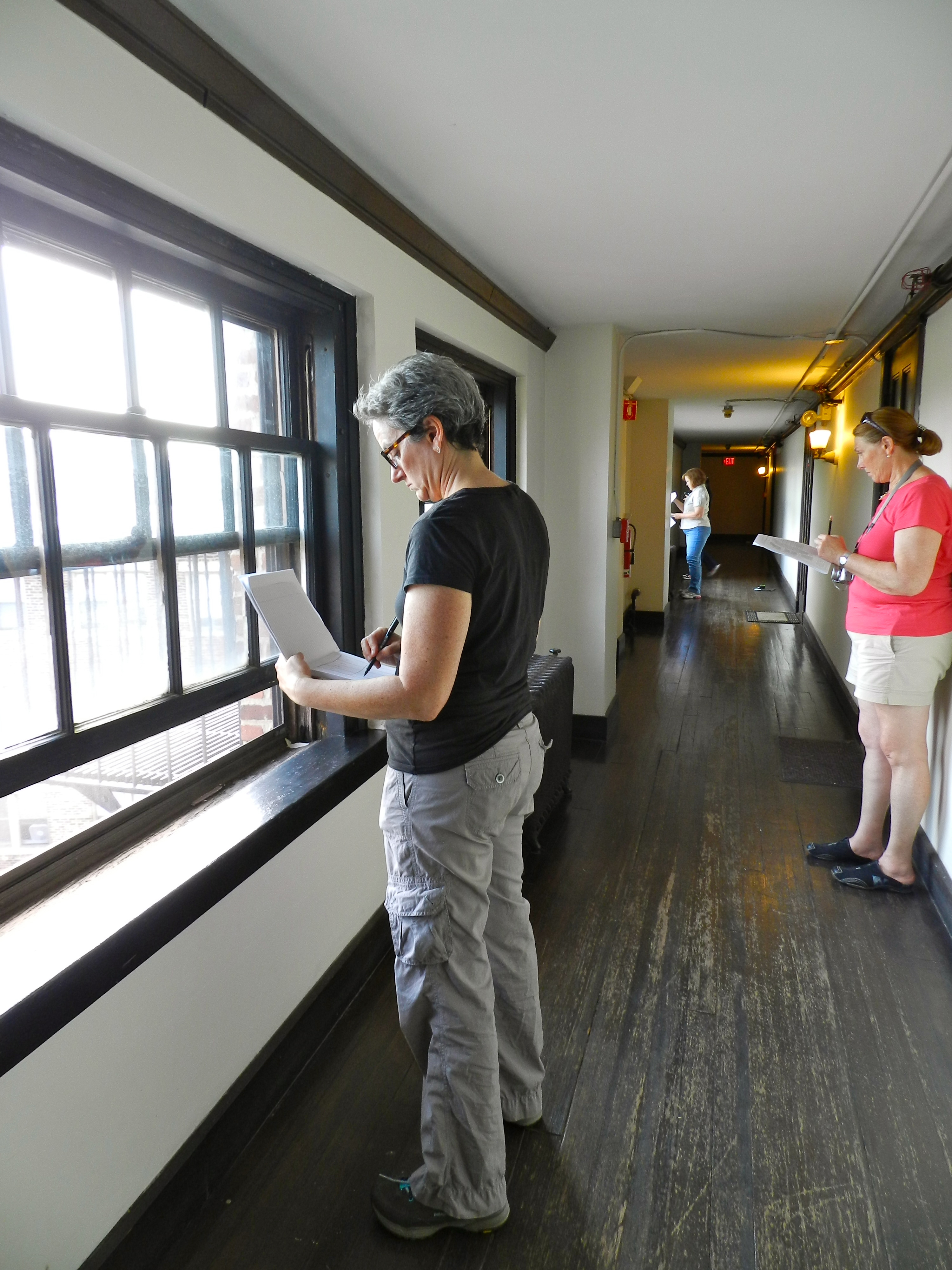
Field Work at Fenway Studios

In the afternoon I taught the class about window restoration, window reproduction and condition assessment reports. We then went out to do some field work at the historic Fenway Studios.

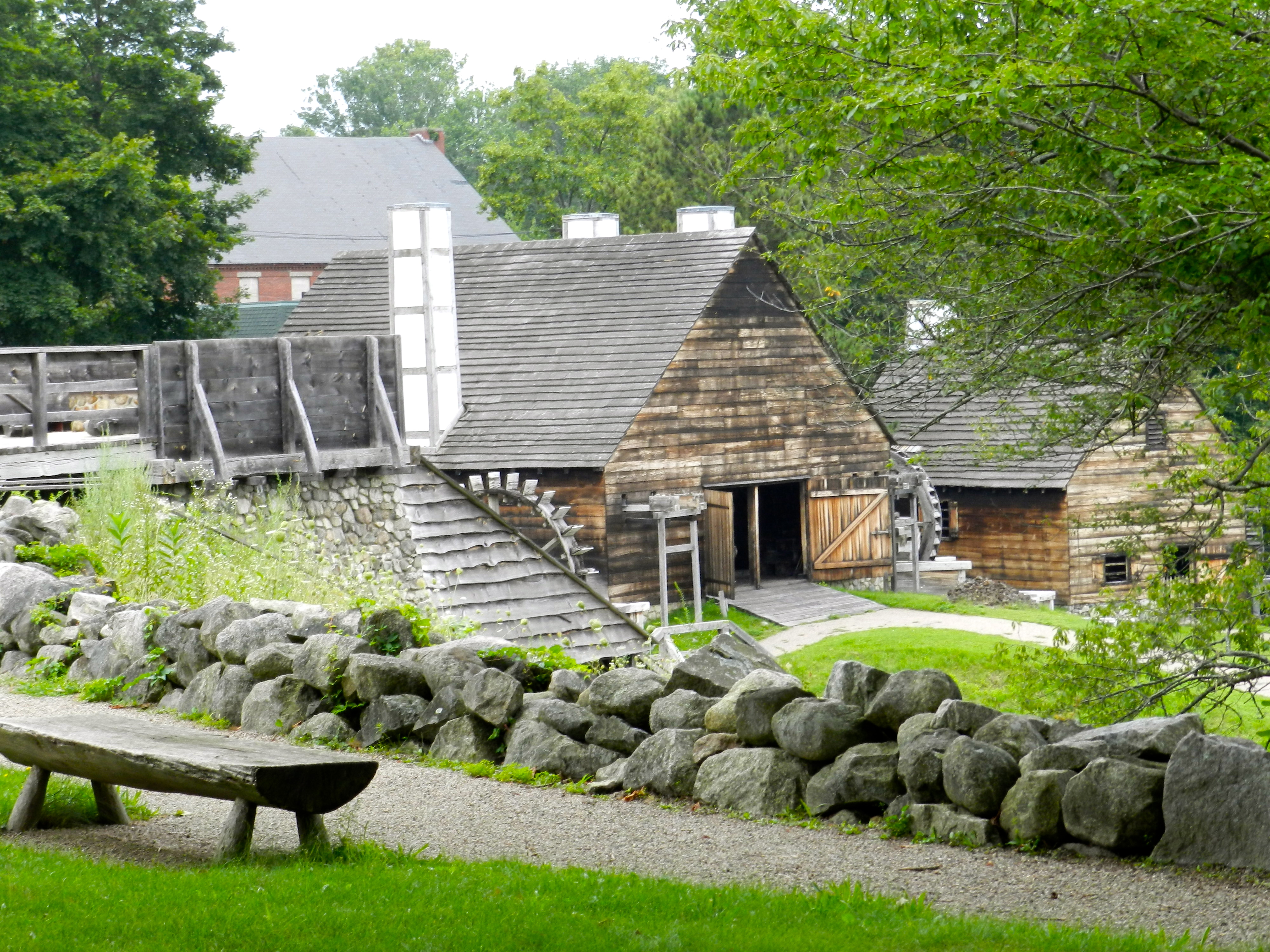
The Saugus Ironworks

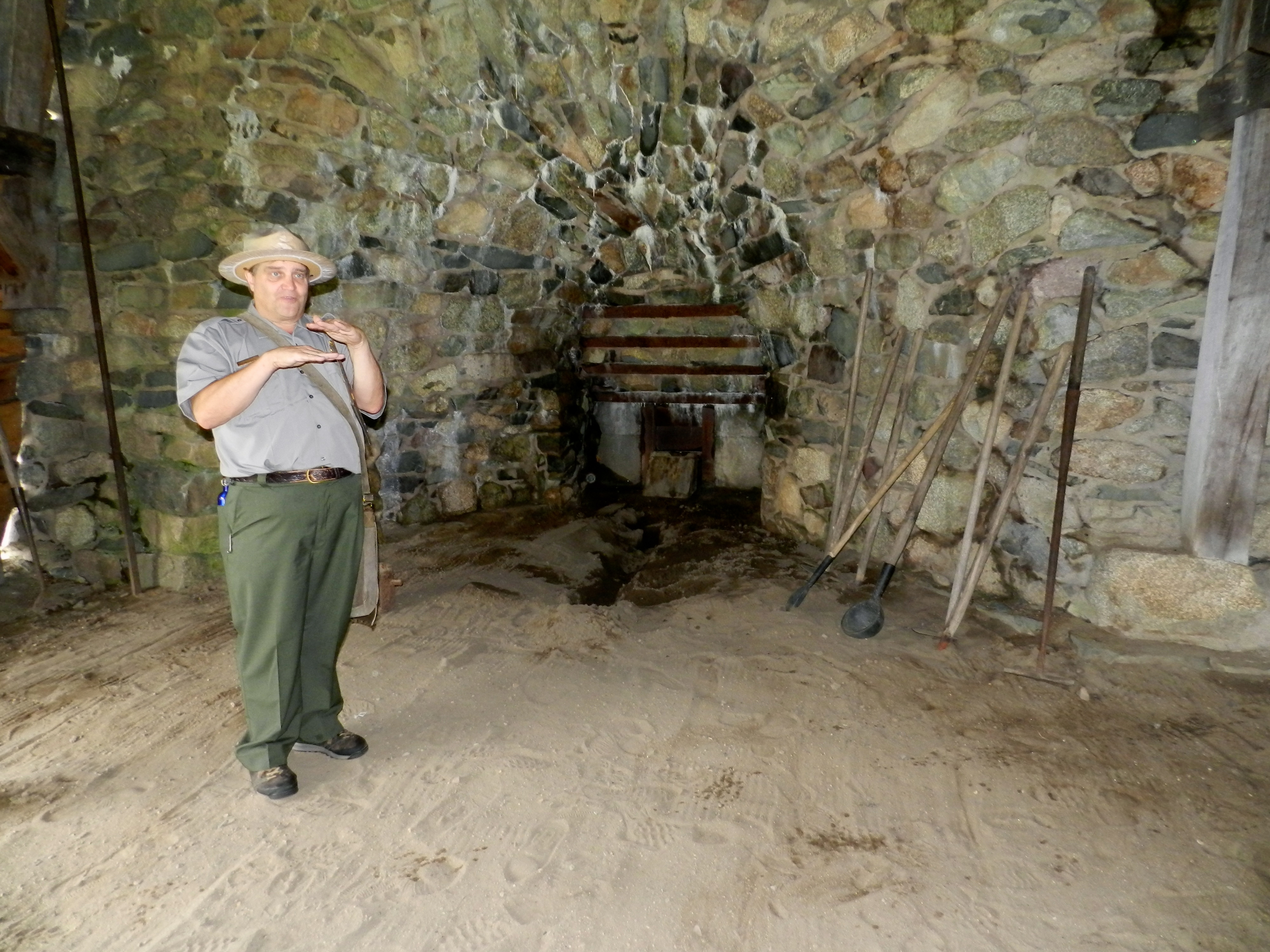
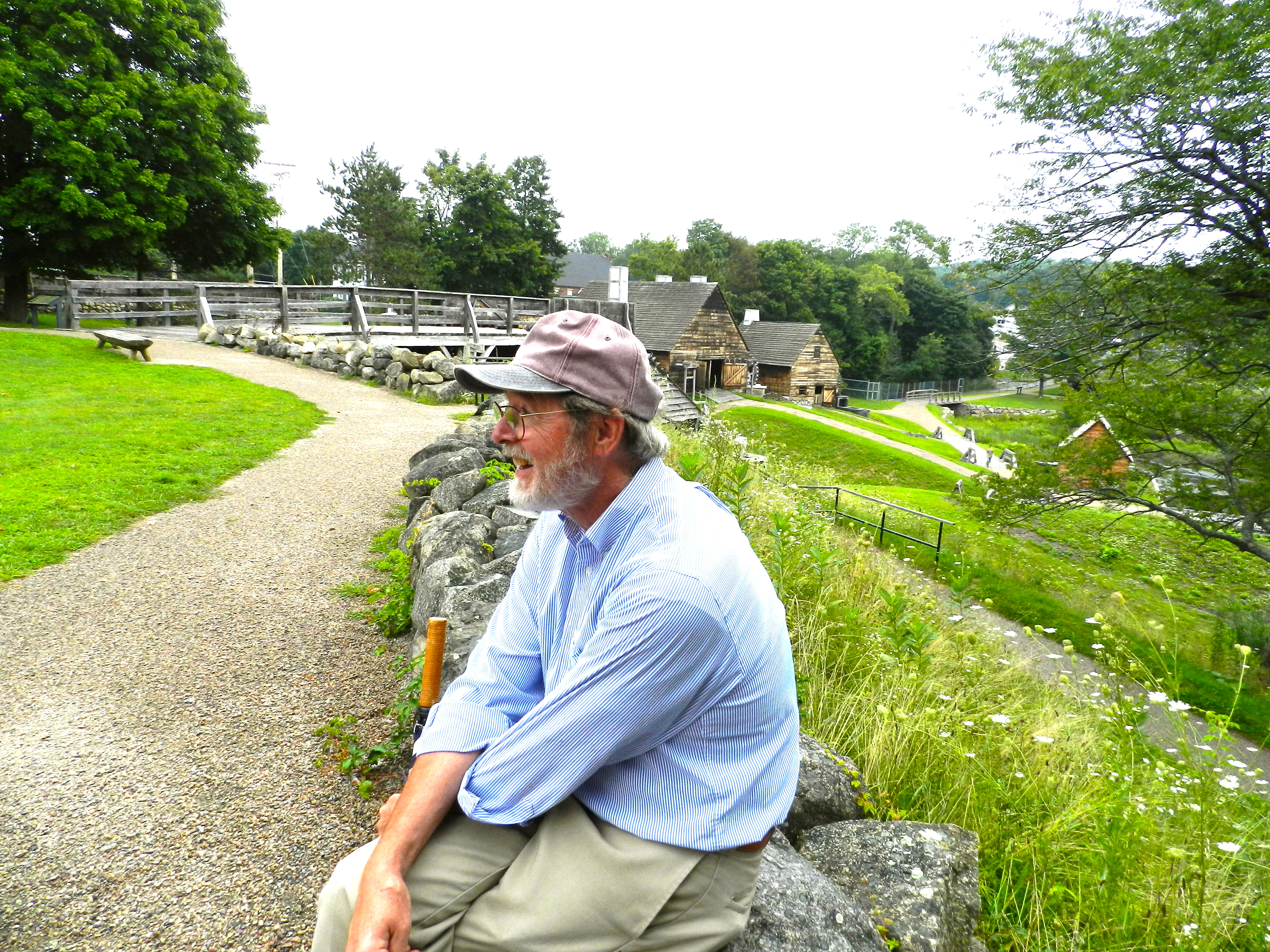
Next up we visited the Saugus Ironworks which is a National Historic Park. Senior Park Ranger Curtis White was on hand to guide us through this landmark site and enthusiastically share with us his latest research about historic ironwork. (He’s a great resource and if you ever visit the park and run into him, tell him I sent you. )

Ranger Curtis White explaining how the ironworks produced iron

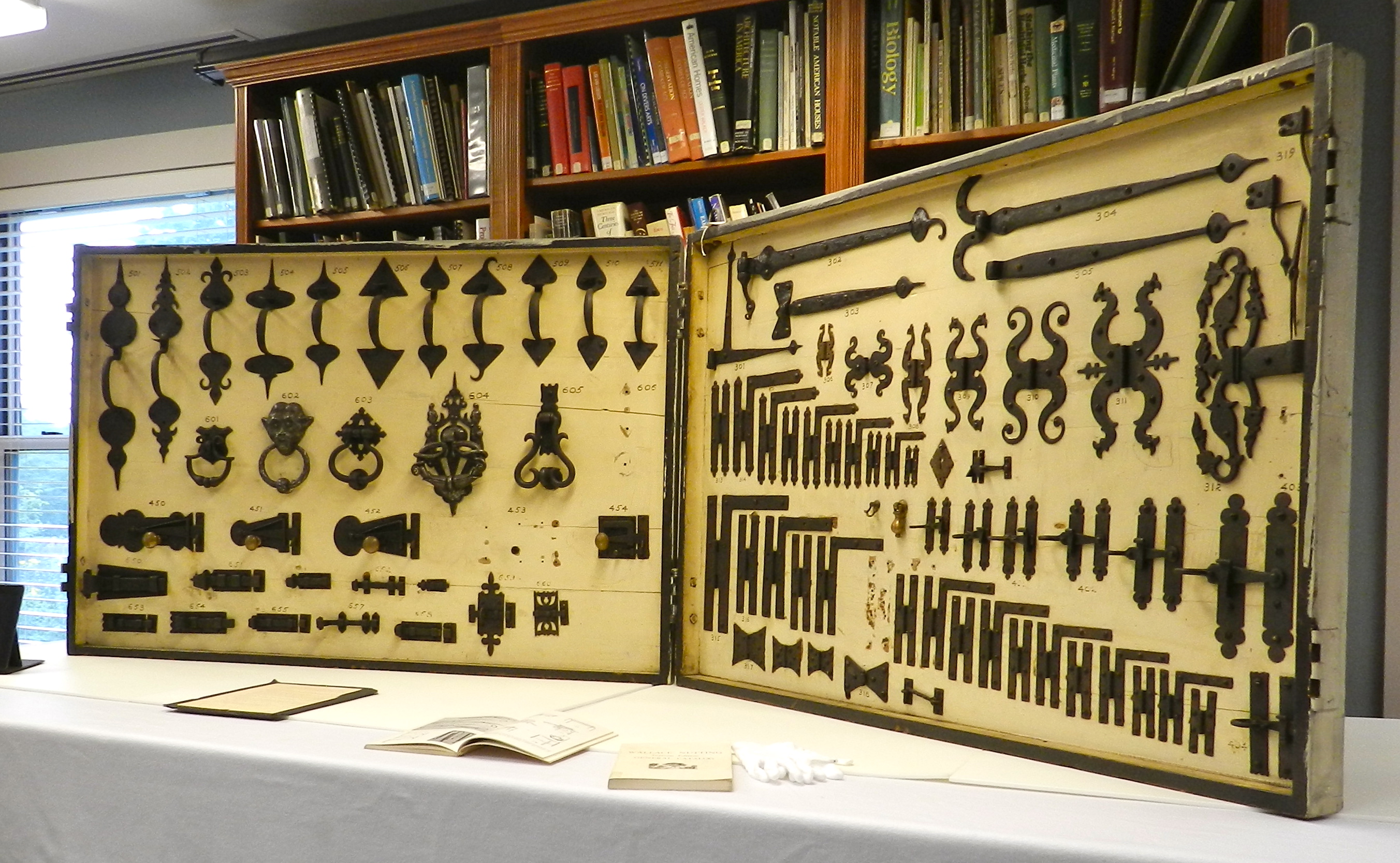
Robert Adam (Who started the Preservation Carpentry program at NBSS and is a noted preservation consultant) lectured about historic hardware and fasteners.

Robert Adam talking about historic hardware and fasteners

Robert’s brings a portion of his comprehensive collection of historic hardware and fasteners allowing students to closely examine these items up close and differentiate fine details.

Historic Hardware by Edward Guy

Sara Chase, a nationally known paint analysis expert and preservation consultant (+ advisor to the NBSS Preservation Carpentry Program) taught a session on traditional paints and their manufacture.

Making paint with Sara Chase

During this hands on session students not only learned how to identify various kinds of historic paints they also had the chance to mix their own paints in a traditional way and try their hand at applying them.

Mulling historic paint with Sara Chase

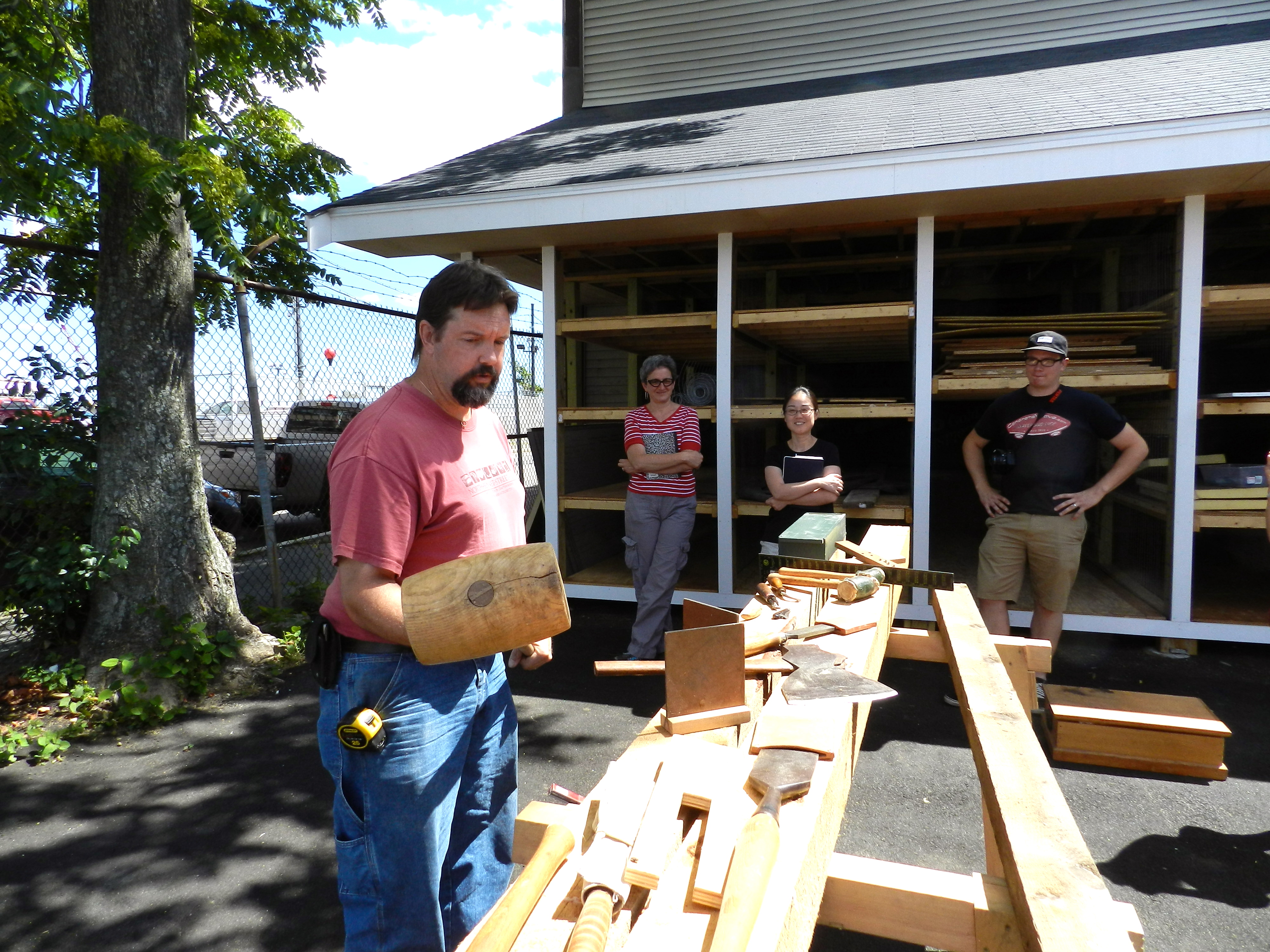
After a visit to the MFA in Boston, next up was NBSS Preservation Carpentry Instructor Rich Friberg to teach the basics of Timber Framing.

Rich Friberg Timber Framing Lesson

Rich brings with him a deep well of knowledge and a passion for teaching this craft.

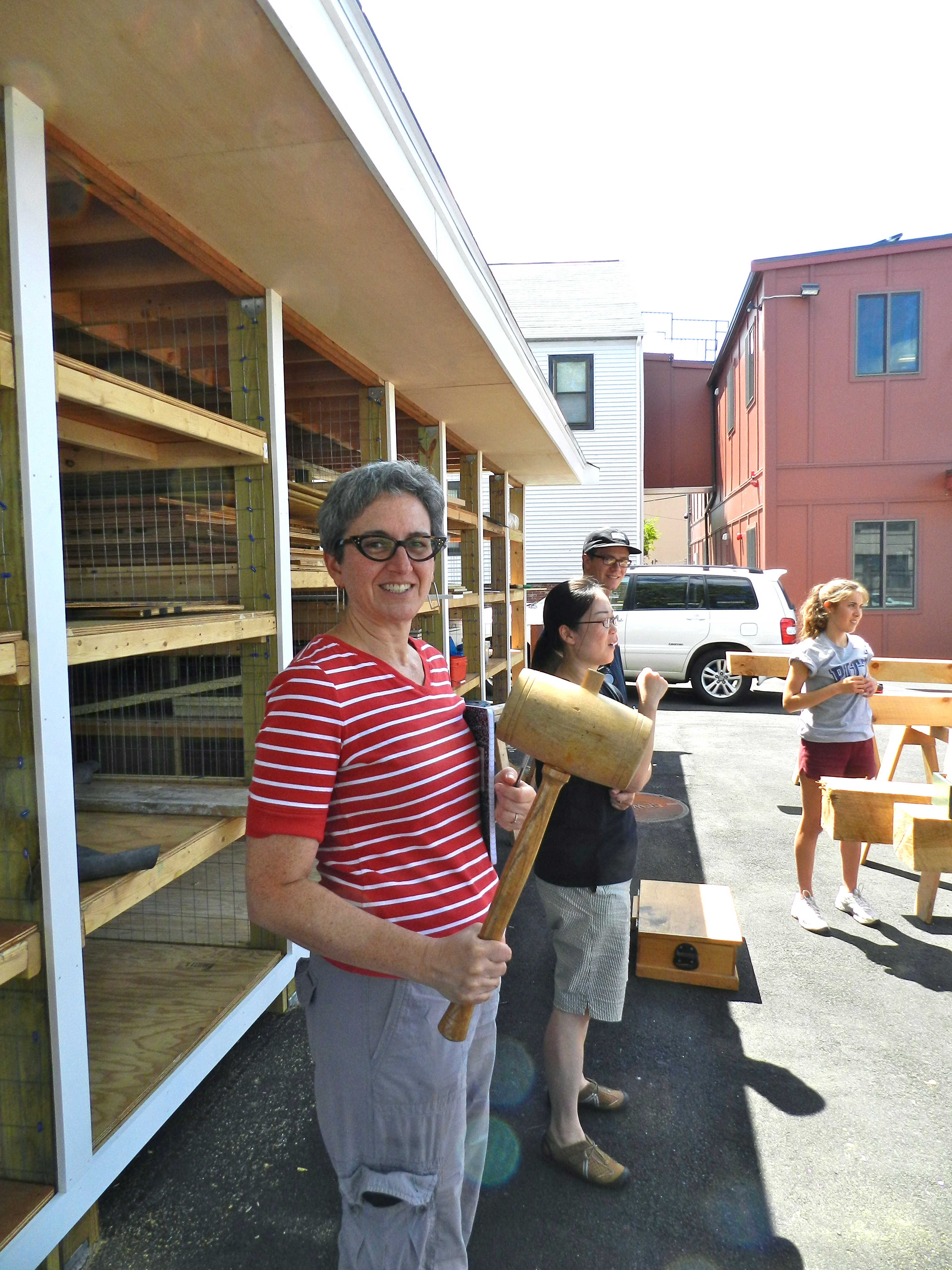
Jennifer wielding the 'Beetle' mallet
Jennifer wielding the ‘Beetle’ mallet

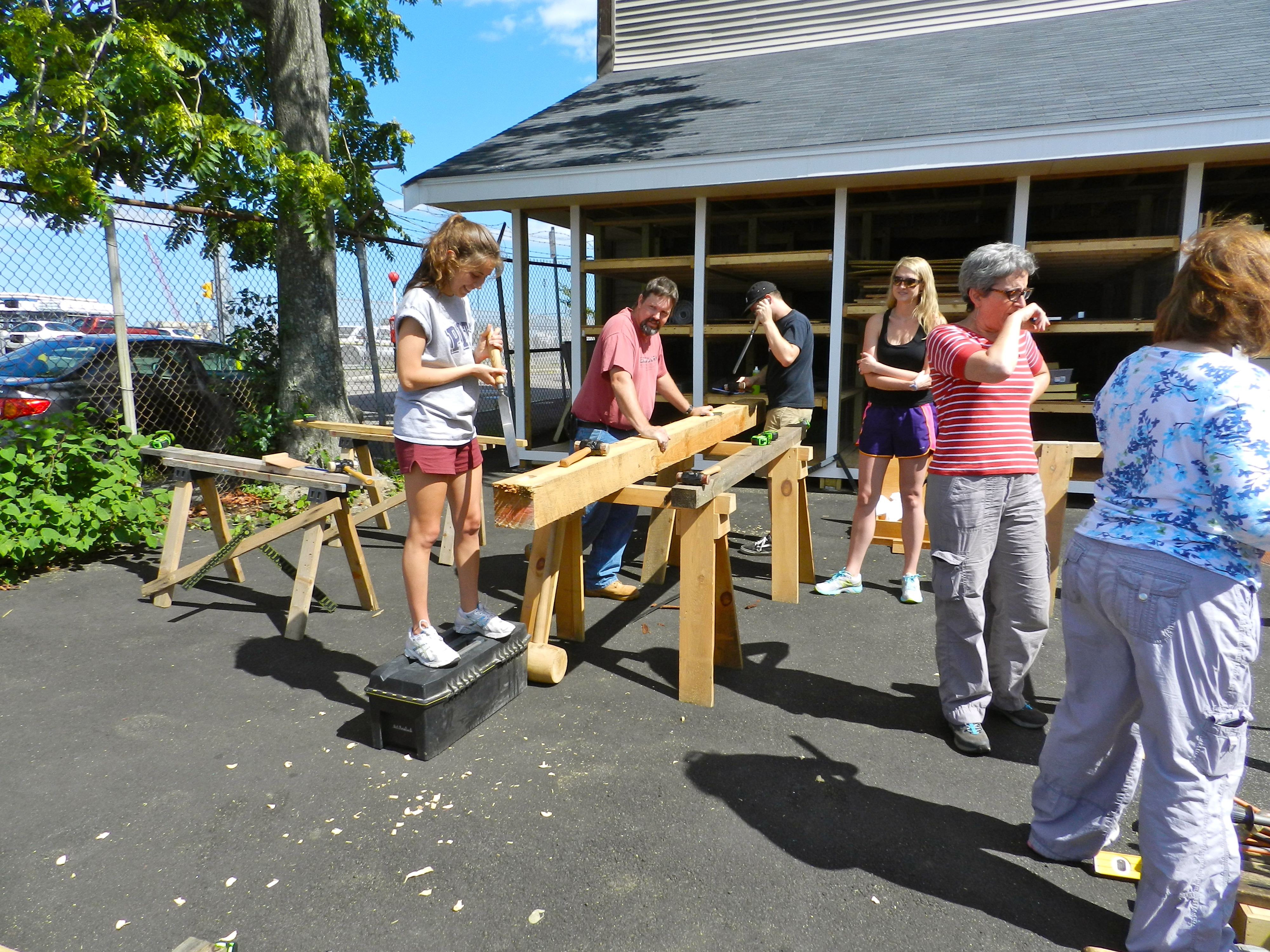
Students had a chance to layout and cut mortise and tenon joints….

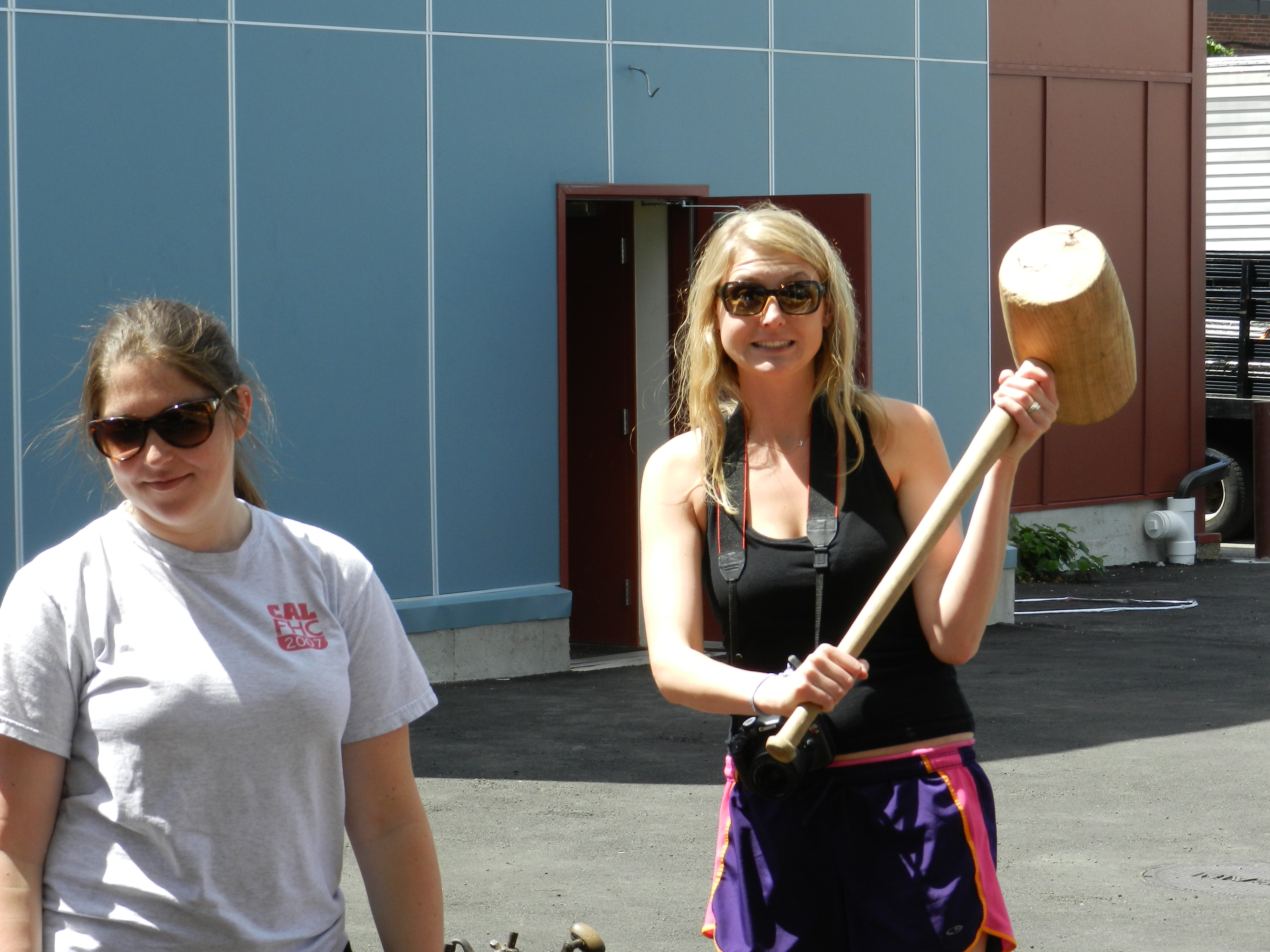
Joey with the 'Commander' mallet
Joey with the ‘Commander’ mallet

try out some joinery on the large scale with traditional timber framing tools…

Lisa mortising
Lisa mortising

and fit the joints they made.

Completed Timber Frame Sill

The completed 8′ x 10′ sill shown above would be the first major element of a modest sized barn or outbuilding.

Matt Gillard teaching some basics of Masonry

Preservation Mason Matt Gillard (owner of Colonial Brick Works) and Matt Blanchette gave a great lecture on traditional masonry tools, techniques and evolution.

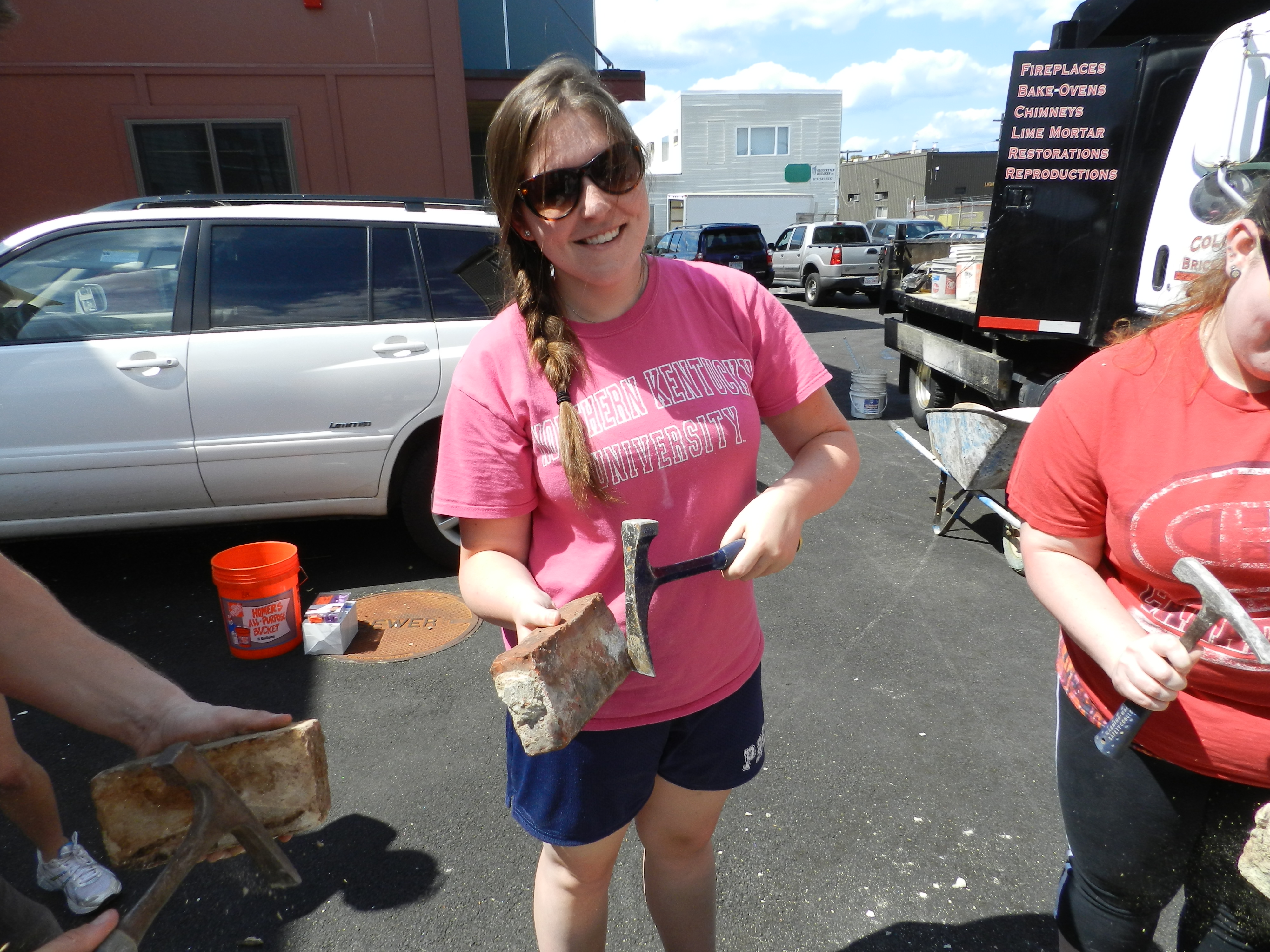
Rachel cleaning off some recovered bricks

This hands on session allowed students to mix traditional mortar, clean bricks, re-point, repair, lay brick and joint mortar.

Masonry group shot
Masonry group shot

At the end of the week the students also shared their presentations and research proposals. To celebrate the end of this very intensive week the Director of the Historic Preservation (HP) program Robert Ogle presented each student with an ‘I survived the HP intensive week 2013 @ the BAC’ Tee Shirt to commemorate the occasion. This well earned reward is one of three major intensives they will need to survive in order to complete the program.

'I survived the BAC Historic Preservation Intensive 2013' Tee Shirts
‘I survived the BAC Historic Preservation Intensive 2013’ Tee Shirts

Given that we all survived this very intensive week and you survived reading this marathon blog post, I think it’s time for all of us to rest up and prep for next year. 🙂

You can learn more about this class and the program here or go direct to the video here.
-Bill

What does your tool chest say about you?

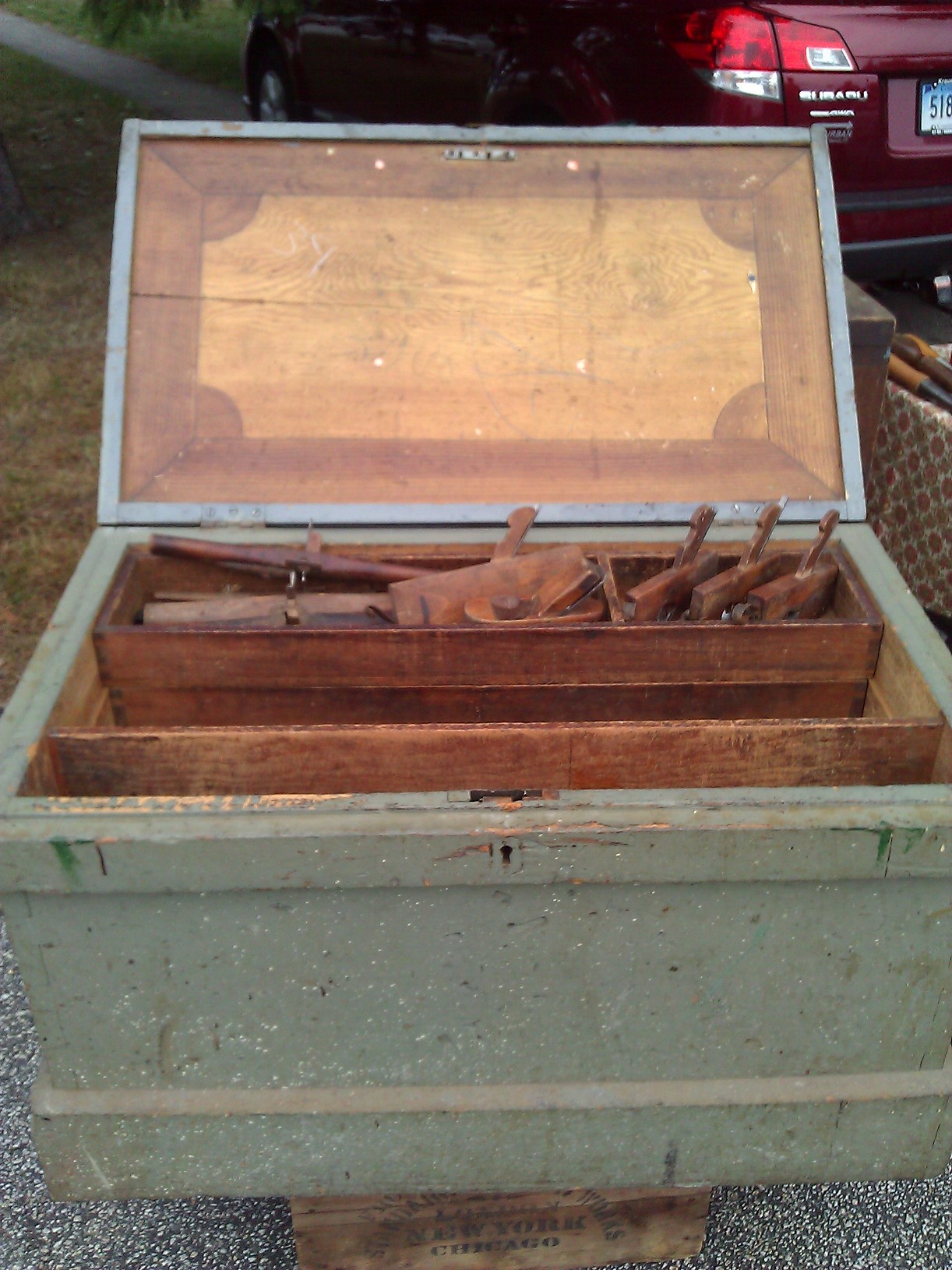
The spartan exterior of many traditional tool chests was as much a security system as it was a design element. When closed the clean lines and rugged exterior looked did not draw your attention and looked much the same as many other stoutly built traveling chests and trunks you’d see on a given day. While unassuming in travel or quietly sitting in the back of the shop, many of these chests contained a far more interesting interior.

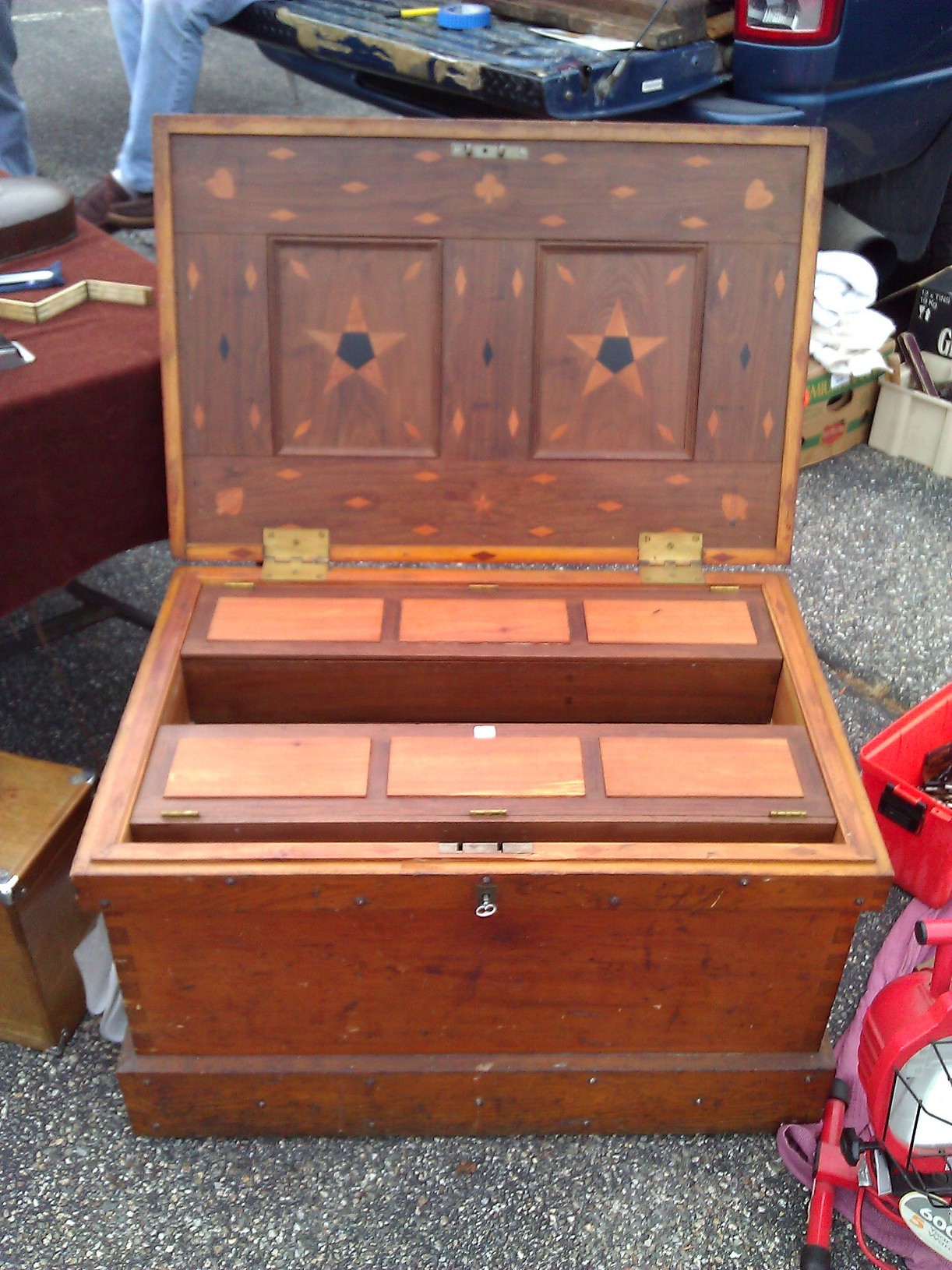
Beautiful Tool Chest from 1849 with extensive inlay work, divided tills, half lock etc
Beautiful Tool Chest from 1849 with extensive inlay work, divided tills, half lock etc. (The maker of this chest clearly must have loved card games)

How often do you see carpenter with a bucket of rusty tools and a paint splattered truck and wondered about ‘If this is how they take care of their tools and truck, what kind of slapdash work would they do for me?’

Beyond just a safe and secure place to store your tools, the way you build and customize your chest says a lot about you and how you work. A clean and orderly chest, worksite, and truck can be a great advertisement for the quality of work you do. I’ve found folks are drawn to a nice chest like moths to a light bulb.

Large chest with inlaid lid
Large joiner’s chest with inlaid lid

What do you look for in a solid chest?

  • It should be easy to find the tools you want to use and quickly pack and unpack them
  • Invest in strong but light materials like Eastern White Pine and use denser woods only for wear parts
  • Do not get caught up with fancy inlays, hidden compartments and nest after nest of drawers
  • Don’t skimp on the hardware, screws and finish — they will see a lot of hard use over the life of the chest
  • A strong lid, well secured with a tight fitting dust seal
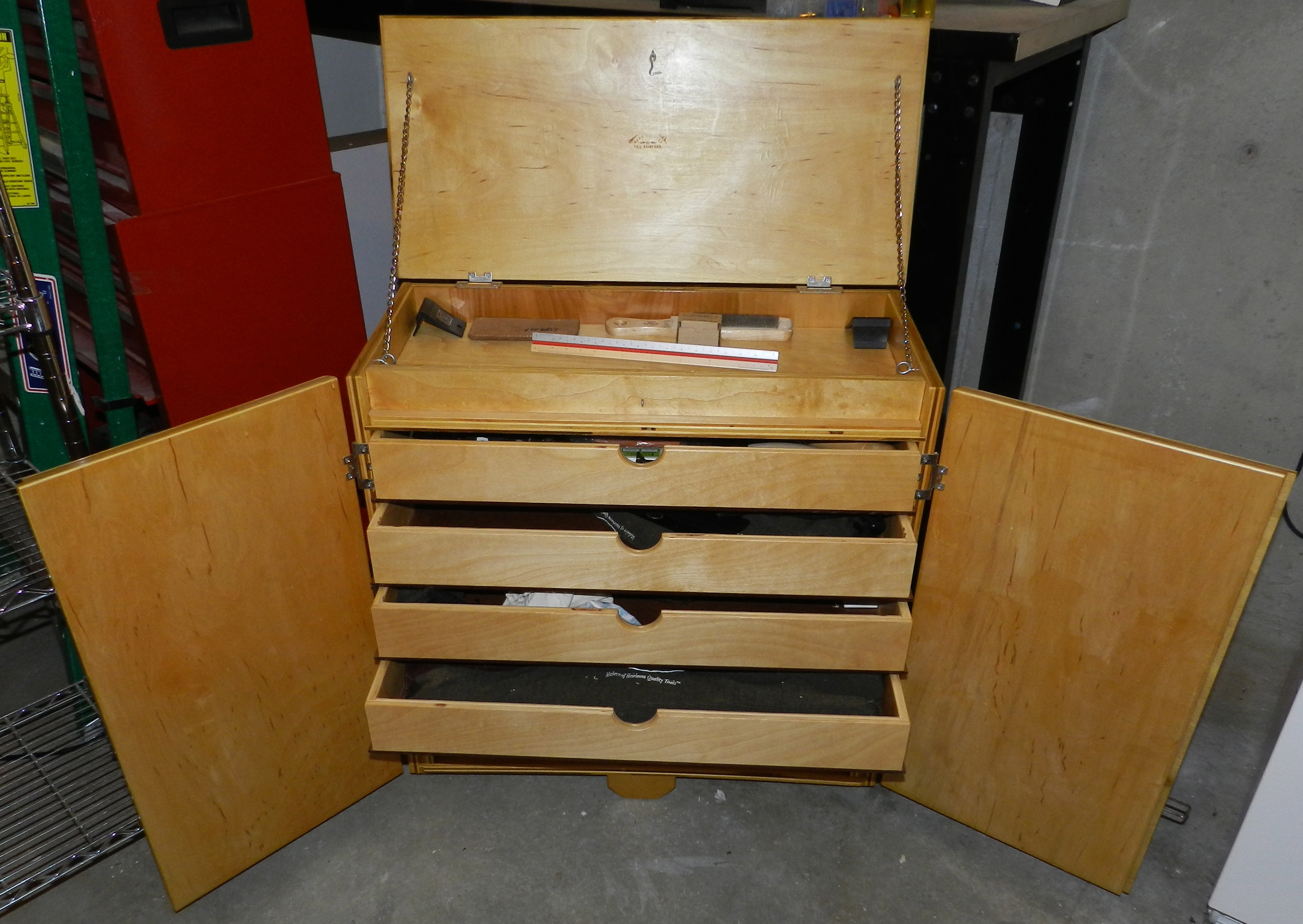
Front view with drawer's opened
Front view with drawer’s opened

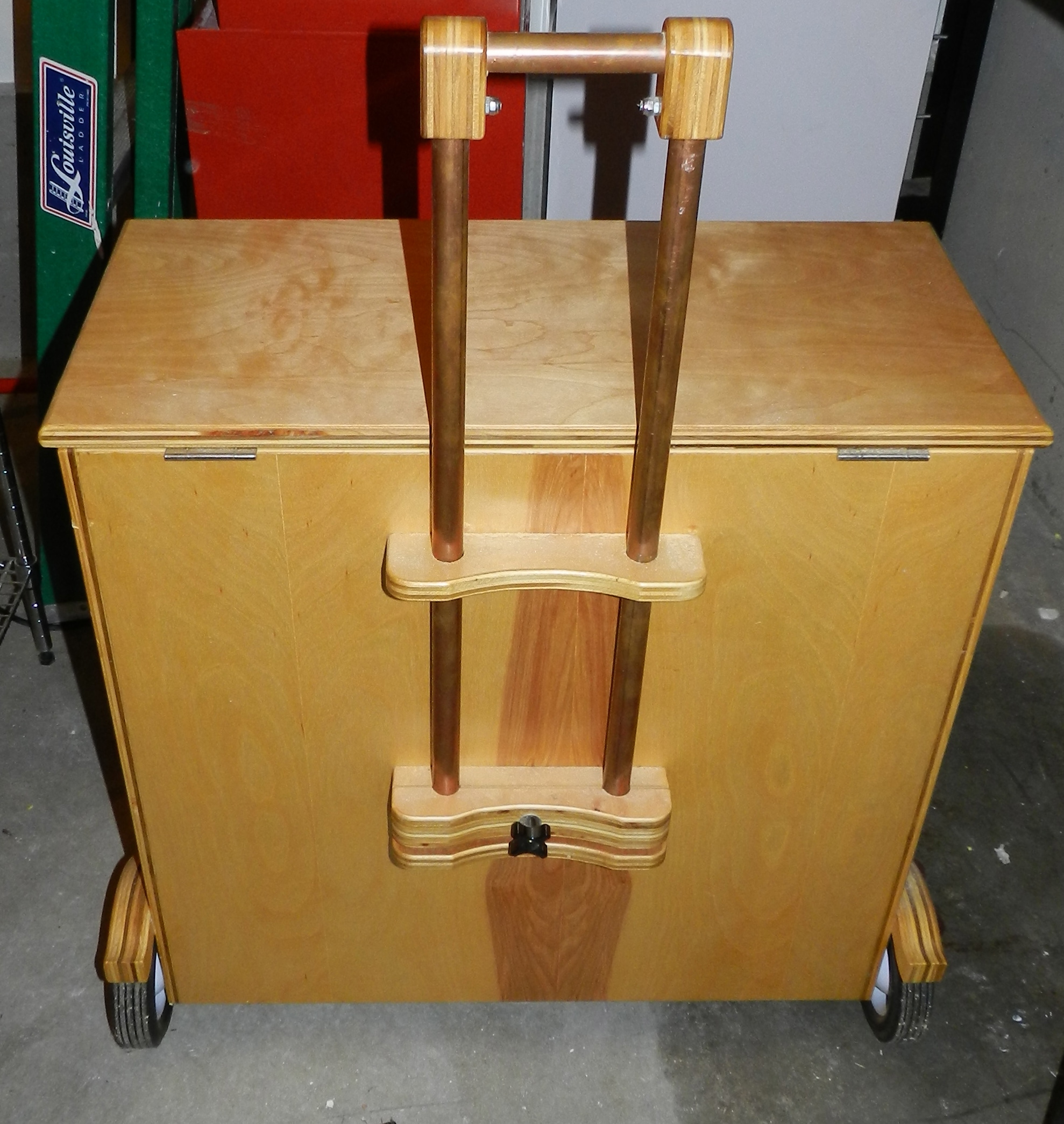
When I built a traveling toolchest for my own work I went with a utilitarian design that functioned much like rolling luggage of today. Inside there is a tray on top,  a series of removable drawers to hold planes and small items and some open cubbies that were easily accessible and could be secured behind locking doors. The heavy chest lifts, telescoping handle and wheels make it manageable to move. The drawers can be swapped out depending on the needs of the current project and I could vary the height as needed — having a double deep drawer etc.

Rear view with luggage style handle extended

Tips for laying out the interior of your own chest:

  • Design your chest from the inside out to fit your current tools and leave room to grow or modify as your tools and interests change over the years
  • Start with your largest tool — for most it is a No. 7 or No.8 Jointer Plane or panel saws — and segment from there
  • Tools you use most often should be the easiest to find  — marking tools, squares, bench chisels, saws etc
  • Make something you are proud of — you’ll be using this chest for years to come and it will be regularly inspected by all your woodworking friends
  • Don’t be afraid to experiment — the great chests all evolved from earlier models, but temper that by remembering that simplicity and expressed construction will often serve you better than lots of glitz without substance

The above principles guide me as I build my own tool chests I and I hope they will help you as get out into the shop and build a chest that is a reflection of your woodworking skills and personality.

You can learn more about my thoughts on Tool Chests on my blog here.
-Bill Rainford

P.S. The above post is an extended version of what I wrote up for my friends over at Popular Woodworking as part of their Daily Woodworking Blog which you can find here.
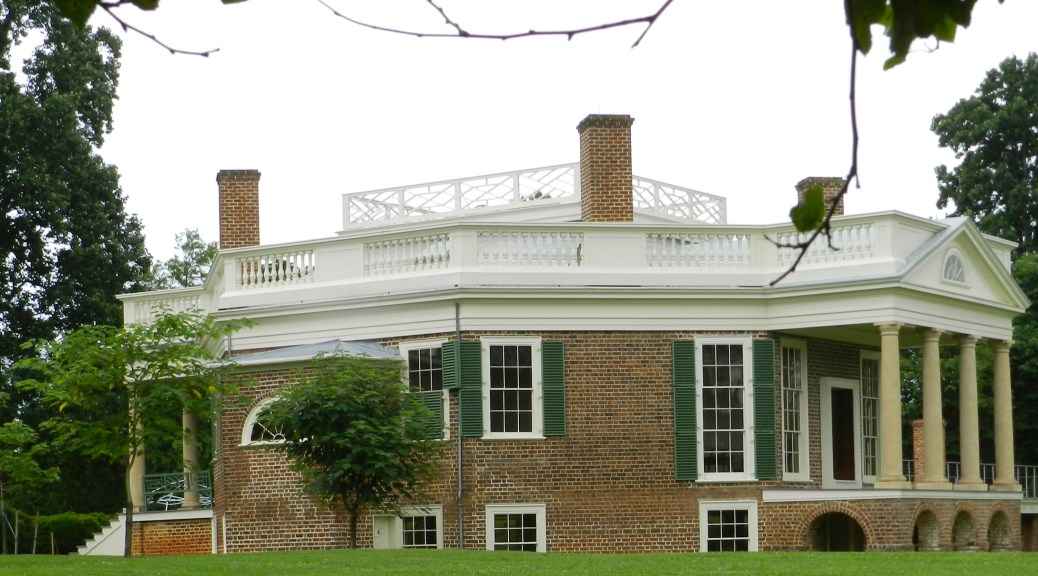
Thomas Jefferson’s Poplar Forest

Have you ever felt like your life was just too hectic? Do you want to get away from the world and relax?

If so, then you can imagine how Thomas Jefferson felt as the 3rd President of the United States. Jefferson was a man who enjoyed his privacy.  After decades of public service as a congressman, founding father, diplomat, Governor, Vice President and President, folks from around the world regularly called on him — including a seemingly never ending stream of gawkers and tourists peering in his windows.

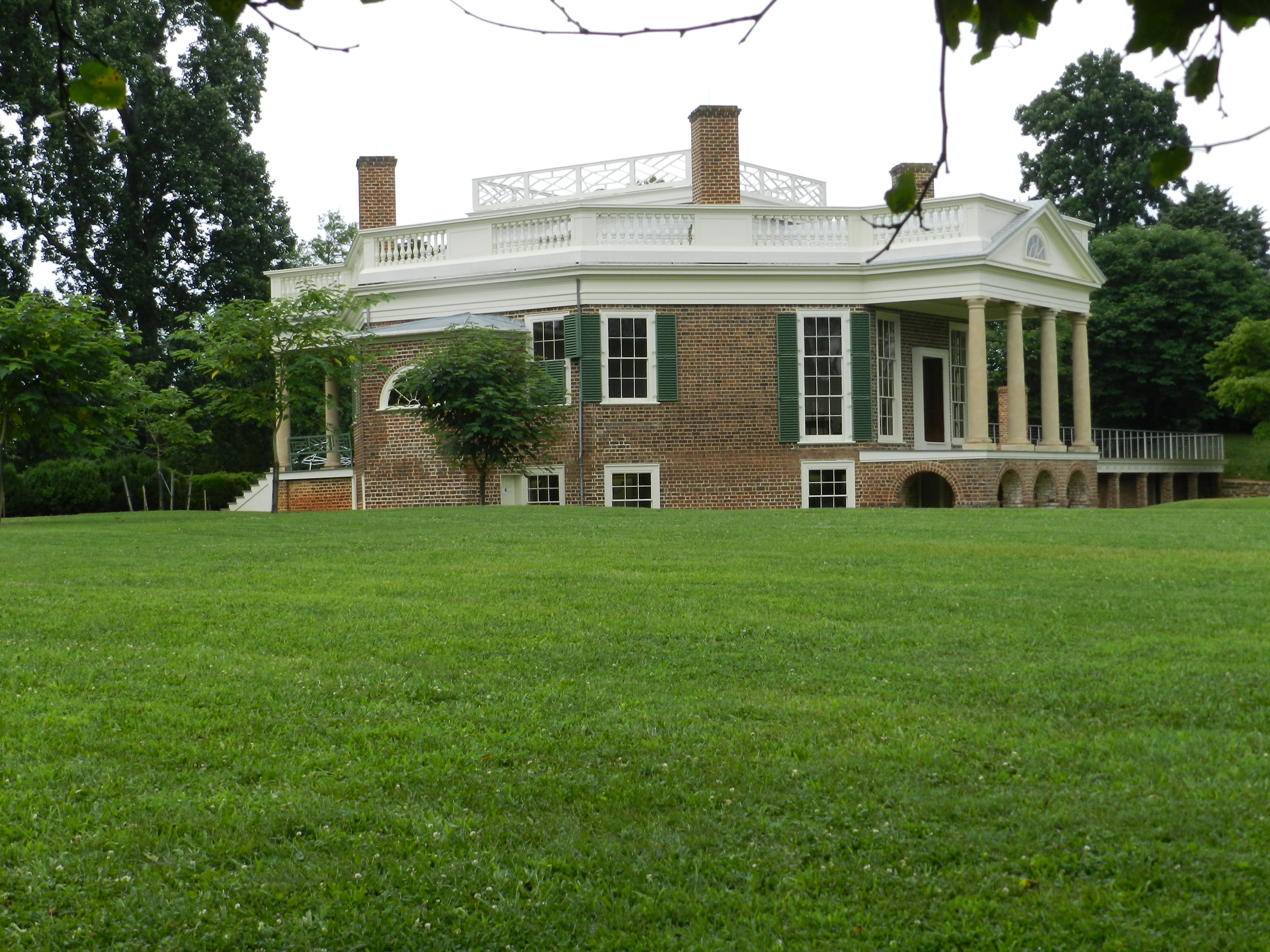
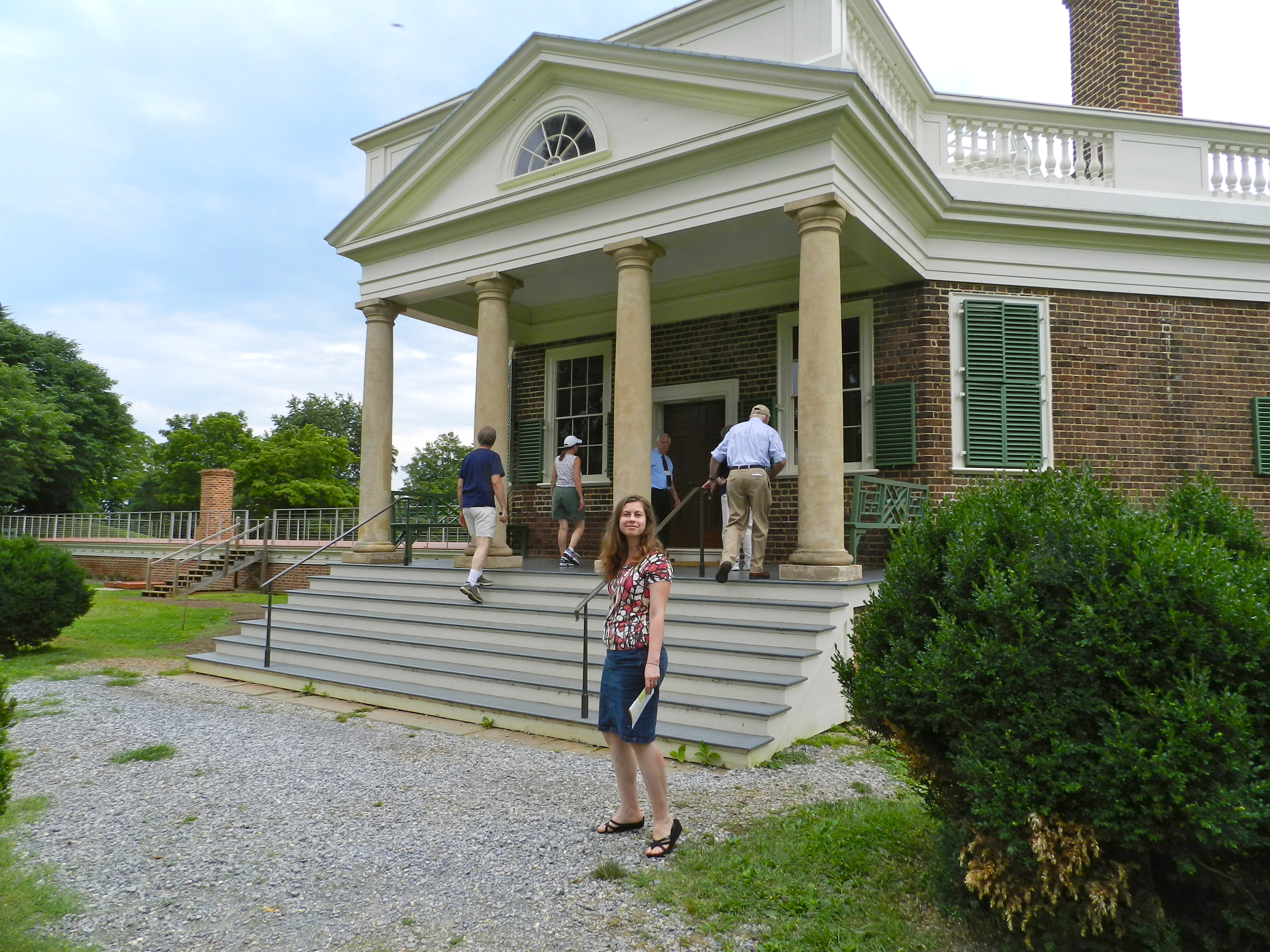
Front portico of Poplar Forest

This made it hard for him to find peace and quiet to pursue his diverse set of interests and be alone with his family. While President he found the time to design a retreat villa at Poplar Forest in what is now Forest VA. Based on the classical designs of European retreat villas and lessons learned from earlier architectural projects like Monticello and the University of Virginia, Poplar Forest is considered to be Jefferson’s apex in terms of design.

3/4 View of the main house at Poplar Forest

Jefferson enjoyed his time at Poplar Forest during the last 20 years of his life where he was able to ‘seek the solitude of a hermit’. The drive up to the mansion gives you a taste of how secluded this house was designed to be, though for the lucky few who visited, that first glimpse of the house at it appeared ahead of them must have been breathtaking. The house also gives an interesting look into the private life of this very public figure.
The restored roofline and building footprint
The restored roof-line and building footprint

During Jefferson’s time the house was largely unknown to the outside world. After his death the house and a portion of the lands were left to his grandson Francis W. Eppes who lived their briefly before moving on to Florida where he went on to a successful political career. Given its semi-remote location, and the fact that the house did not function well as a more modern house much of it has survived and is now a museum.

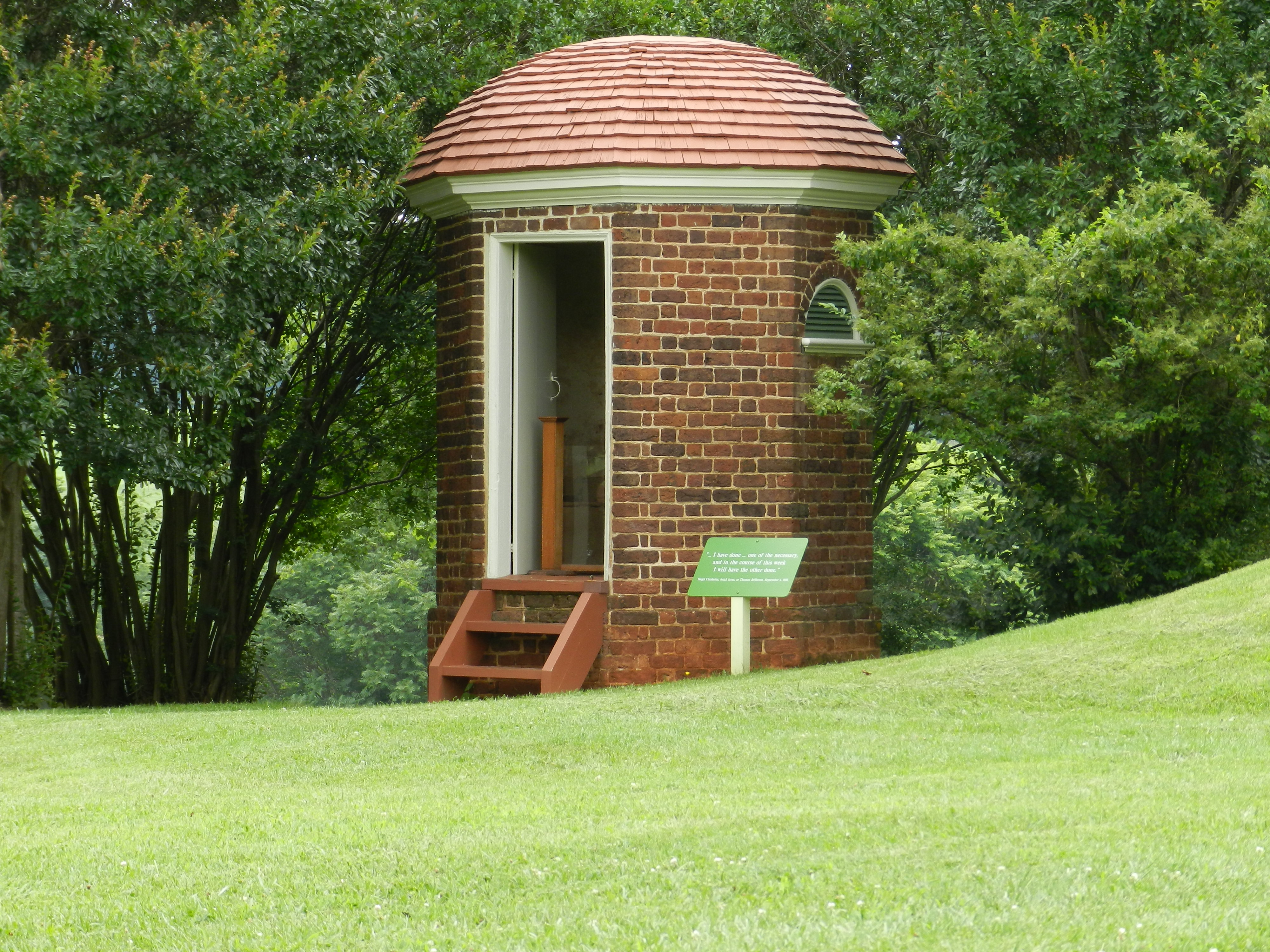
Octagonal 'Necessary' or 'Privy' with its original intricate roof framing
Octagonal ‘Necessary’ or ‘Privy’ with its original intricate roof framing

The museum and the non profit foundation that backs it have been working on restoring the house to how it looked at the end of Jefferson’s time there. Fire, later owners and weather have all taken their toll over the years, but the craftsmen and scholars who work on it have been doing an excellent job of bringing the house back to its earlier grandeur. With each visit there is always something new to see.
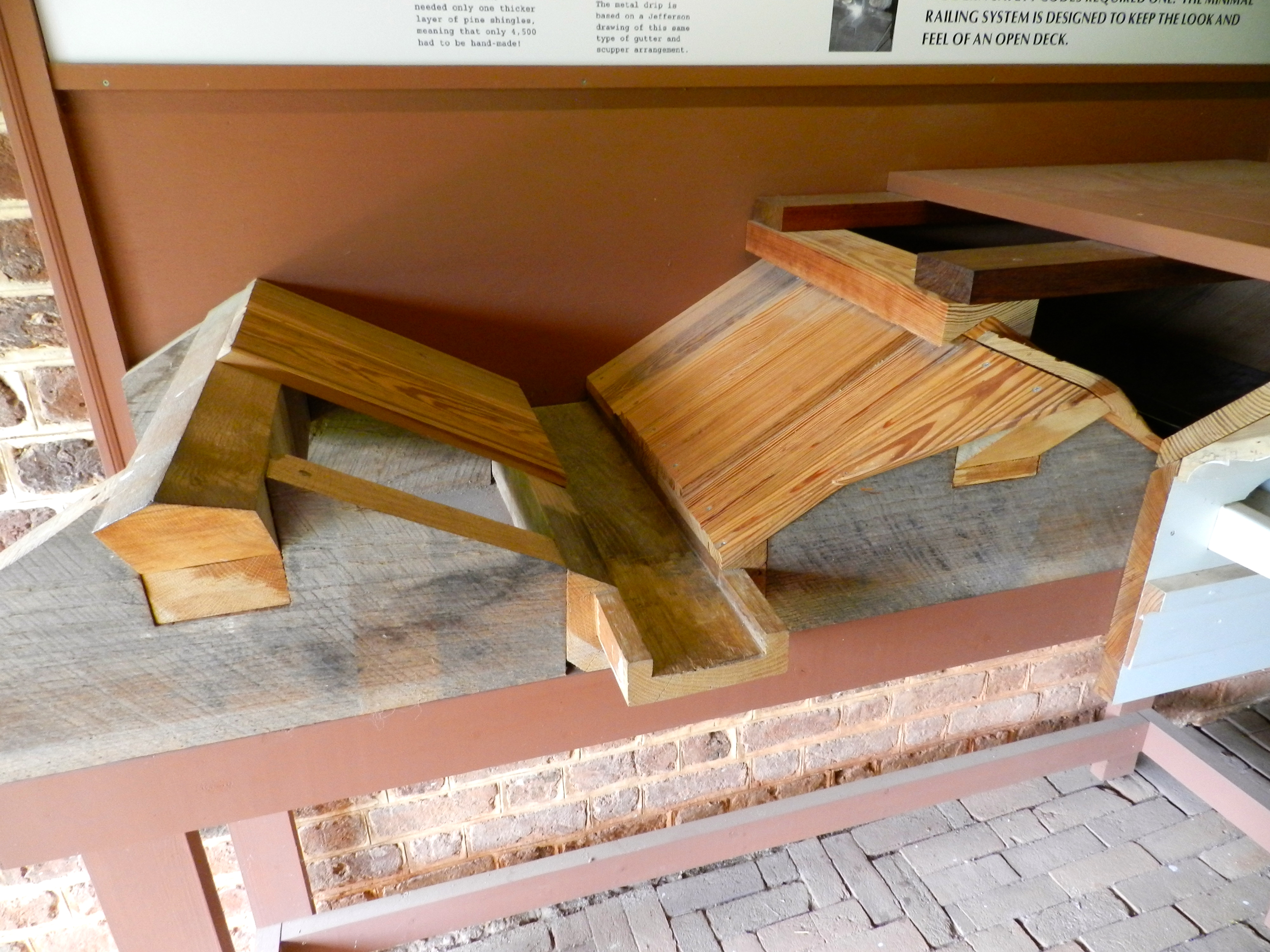
Model of the Jefferson designed flat roof structure above the wing of 'Offices' that funneled water away from the roof and allowed folks to walk on the roof.
Model of the Jefferson designed flat roof structure above the wing of ‘Offices’ that funneled water away from the roof and allowed folks to walk on the roof.

Jefferson loved the idea of having a flat decked roof that one could stroll out onto and refined the details of how to accomplish this several times over the years with varying degrees of sucess. You can see other examples of how he attempted this at Monticello and Montpelier.  The model above shows how the decking sat atop a series of small ridges that were shingles and funneled water out to a series of spouts you can see in the photo below. It will be interesting to see how well it ages.

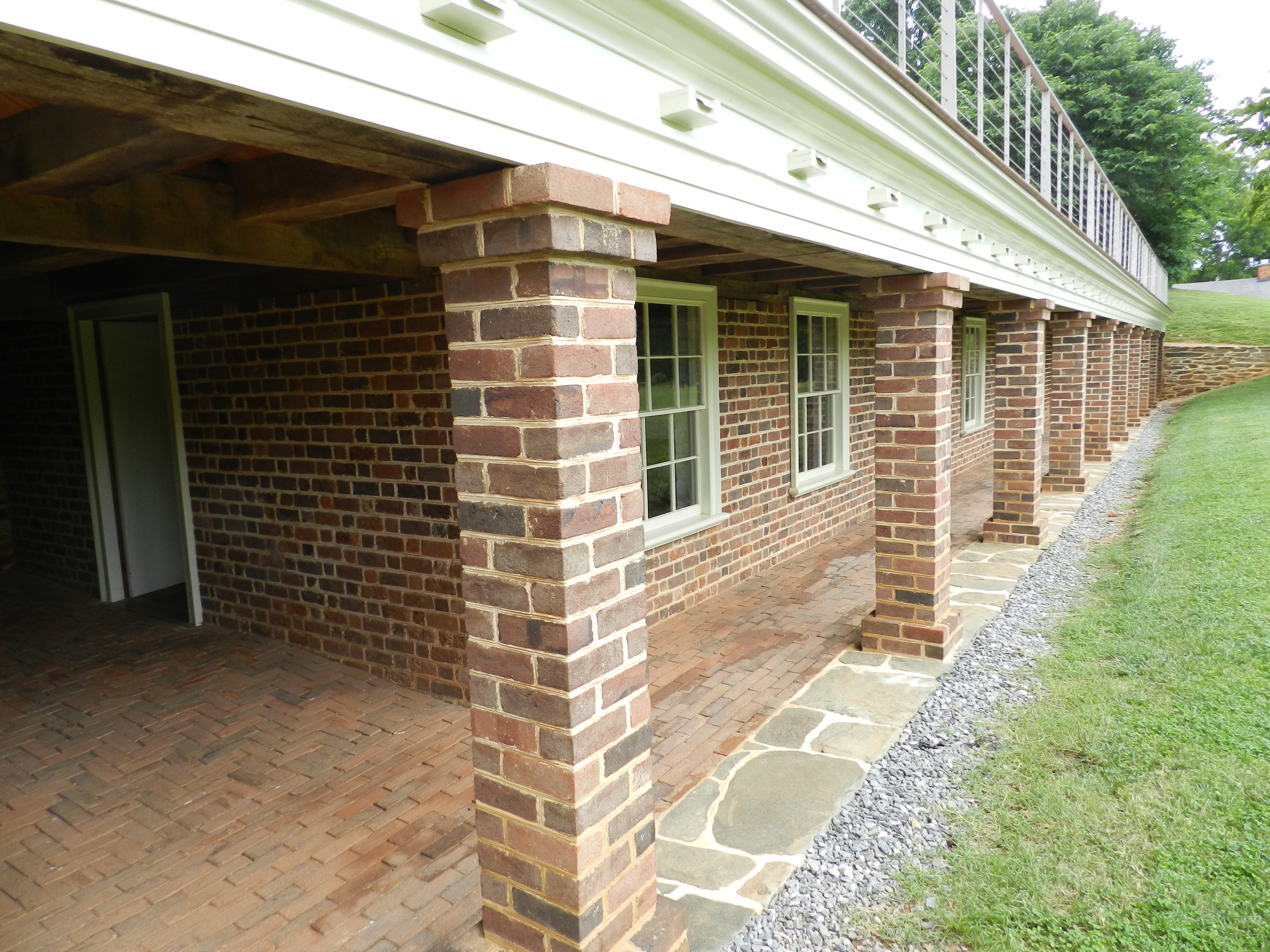
Wing of 'Offices' which contained a storeroom, kitchen, smoke house, laundry etc
Wing of ‘Offices’ which contained a storeroom, kitchen, smoke house, laundry etc

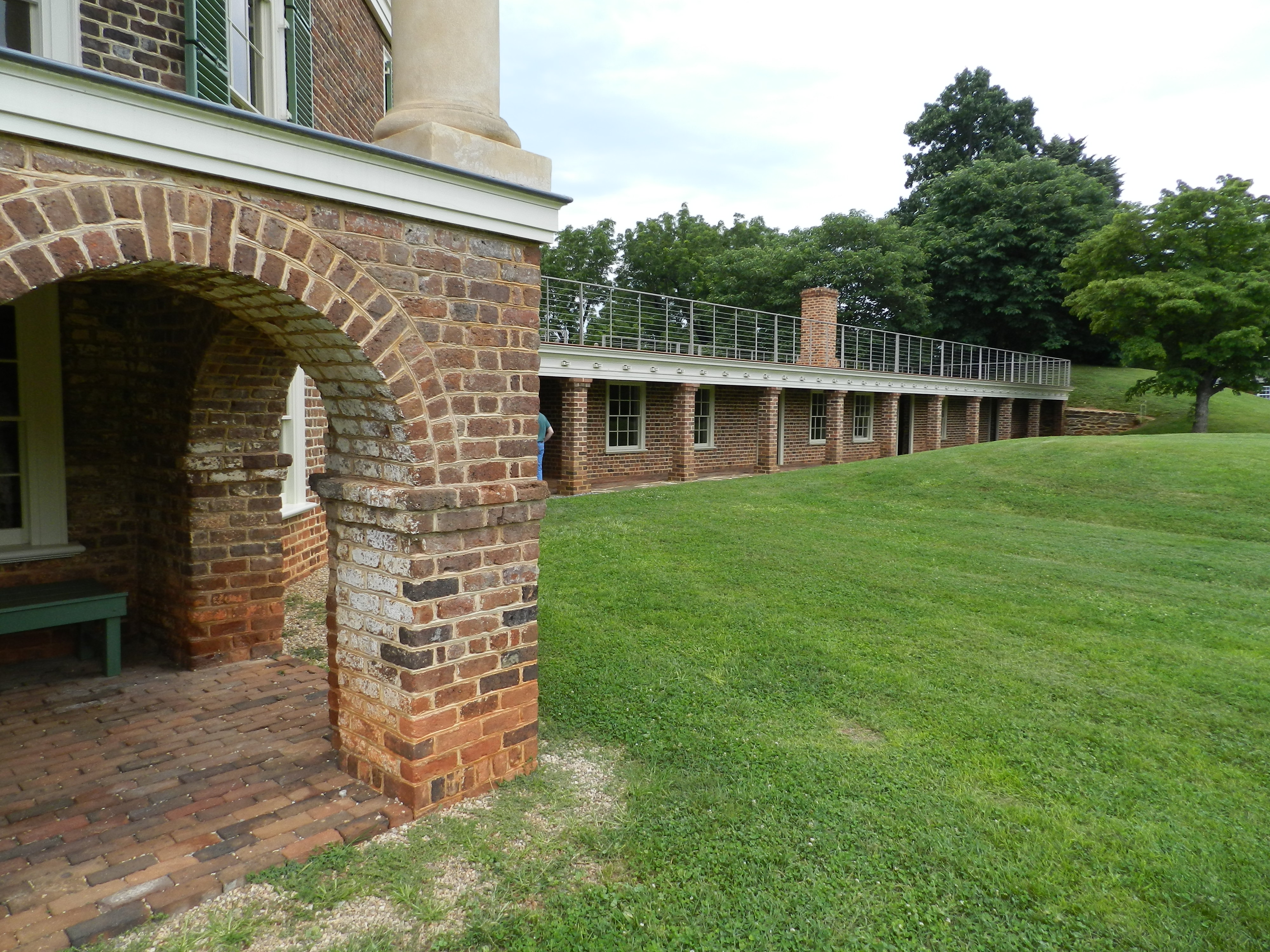
This wing of ‘offices’ as they were called were designed to house the kitchen, store room, laundry and smoke house all of which served the main house. It also hid the logistics from Jefferson and his guests — he could stroll out on top of this wing and not see the busy servants going about their business below.

Wing of 'Offices' designed to blend into the landscape
Wing of ‘Offices’ designed to blend into the landscape and barely be visible from the front

Beyond the building architecture and historical connections, the home is also notable for its stunning landscape design. From the front of the house the wing of ‘offices’ is barely visible. A combination of trees, mounds, bushes, and other natural elements allowed the house to project a sense of symmetry and scale that made it look like a grand European retreat Villa. Over the years Jefferson continued to refine his vision and expand the site even in the face of mounting debts.

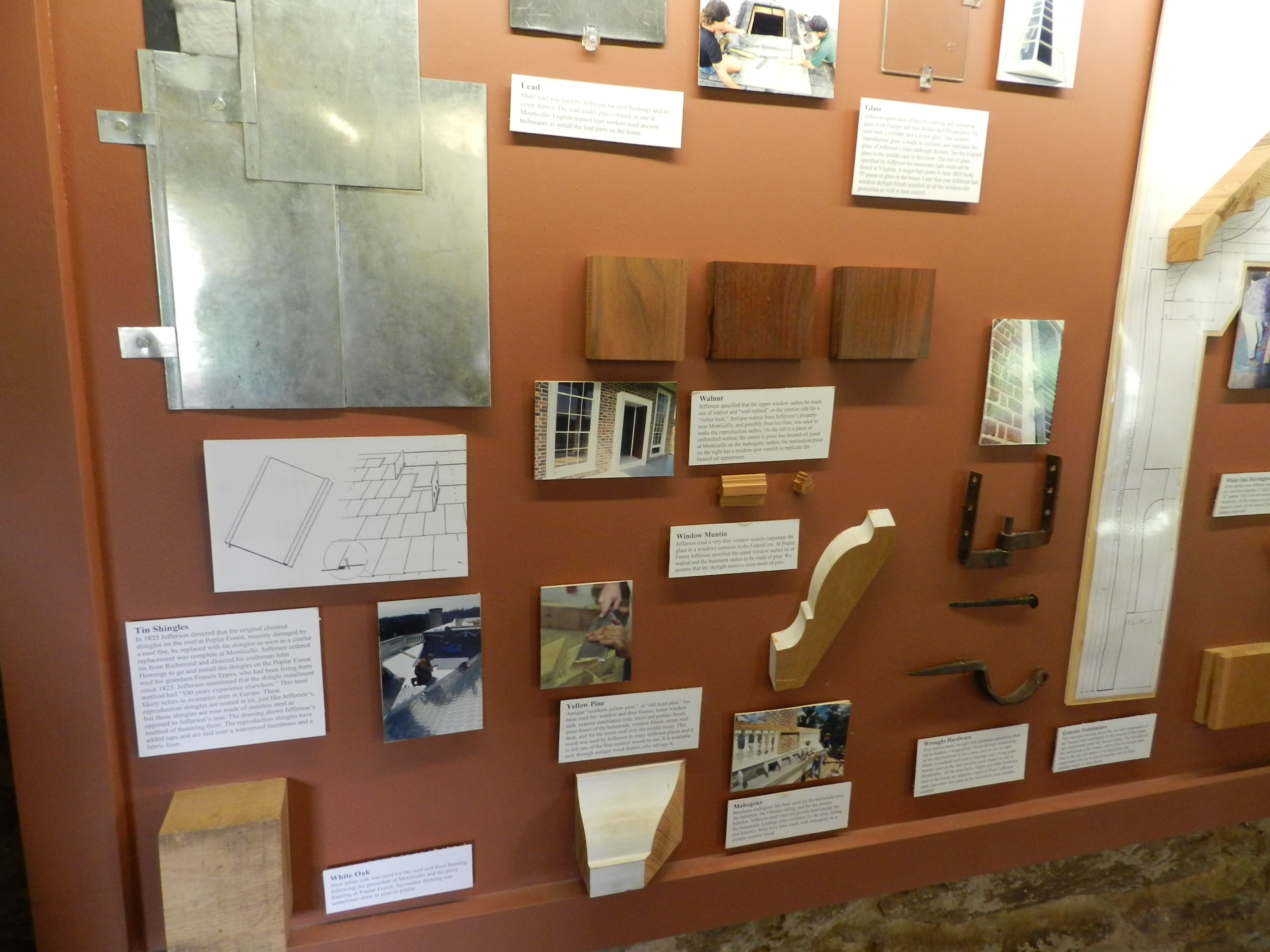
A nice display showing some of the restoration efforts that have been going into the site.

In the basement of the main house is a series of displays that describe the painstaking process the restoration craftsmen have been going through to restore the house over the past 20+ years.

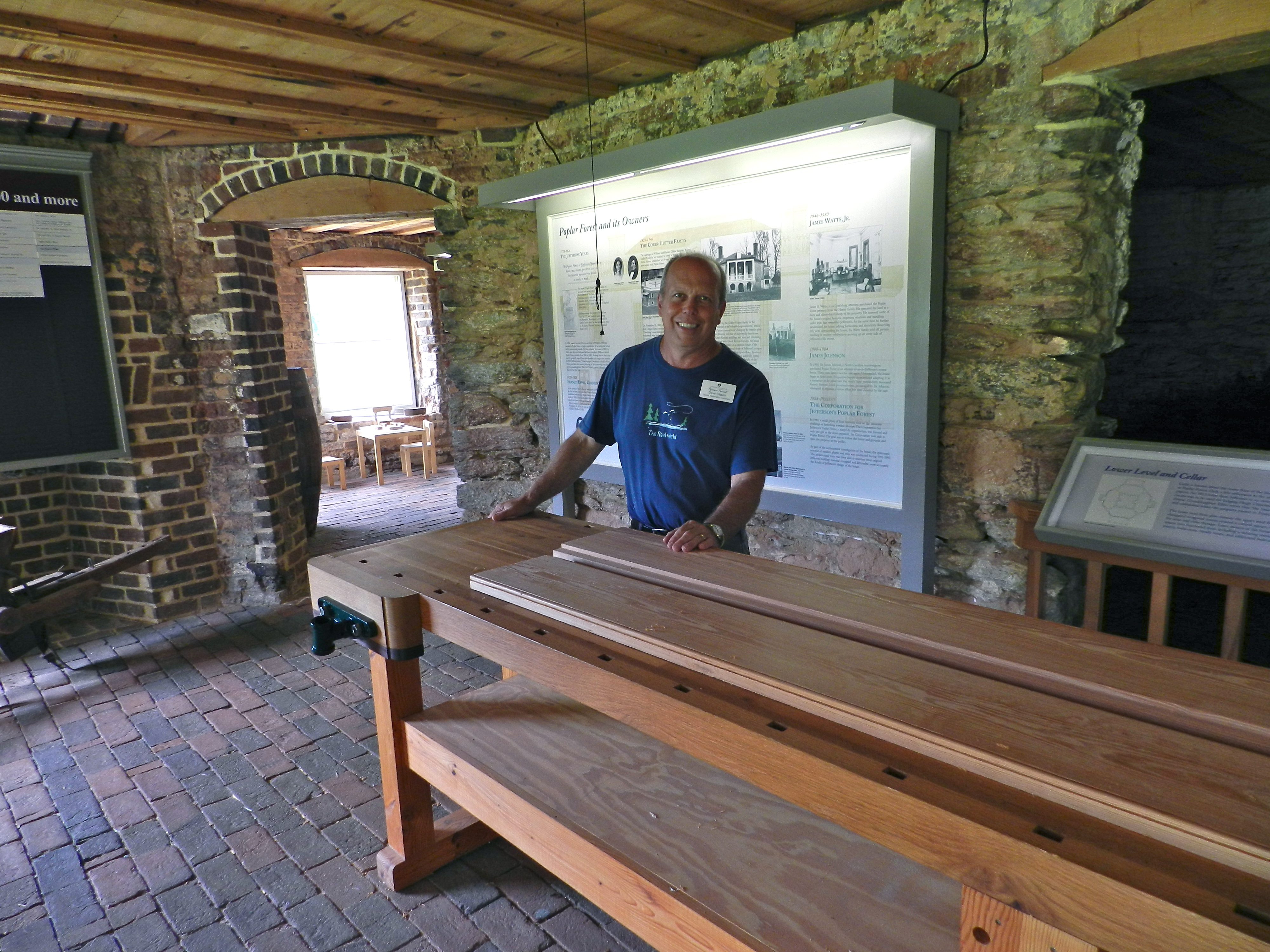
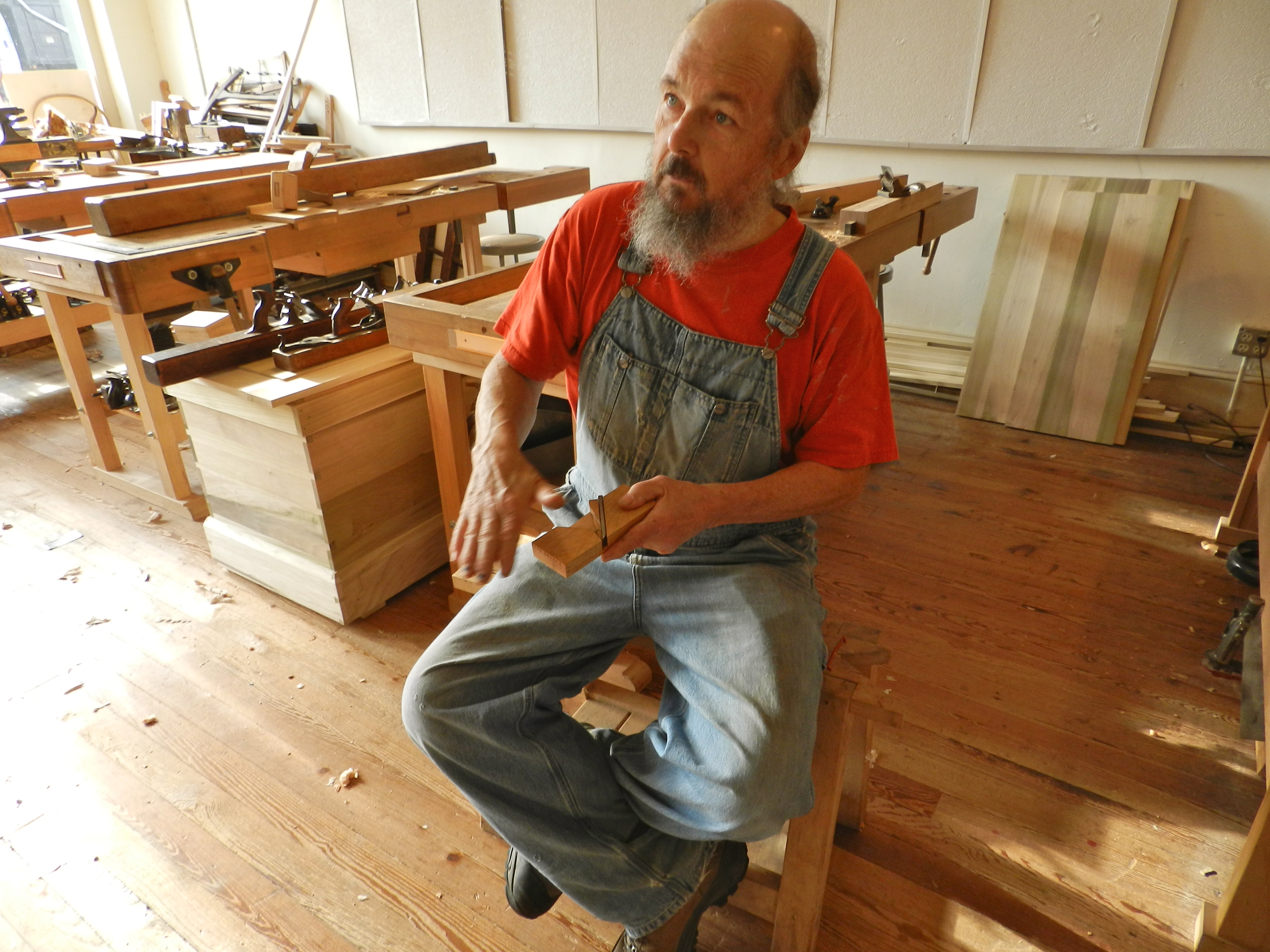
Senior Restoration Craftsman David Clauss with the long joiner's bench he build
Senior Restoration Craftsman David Clauss with the long joiner’s bench he build

I had a great time hanging out with my friend David Clauss who is a Senior Restoration Craftsman for Poplar Forest. Much like Montpelier I love visiting Poplar Forest since much of the restoration work was done recently and is ongoing — so I feel right at home.

Restoration Workshop Sign

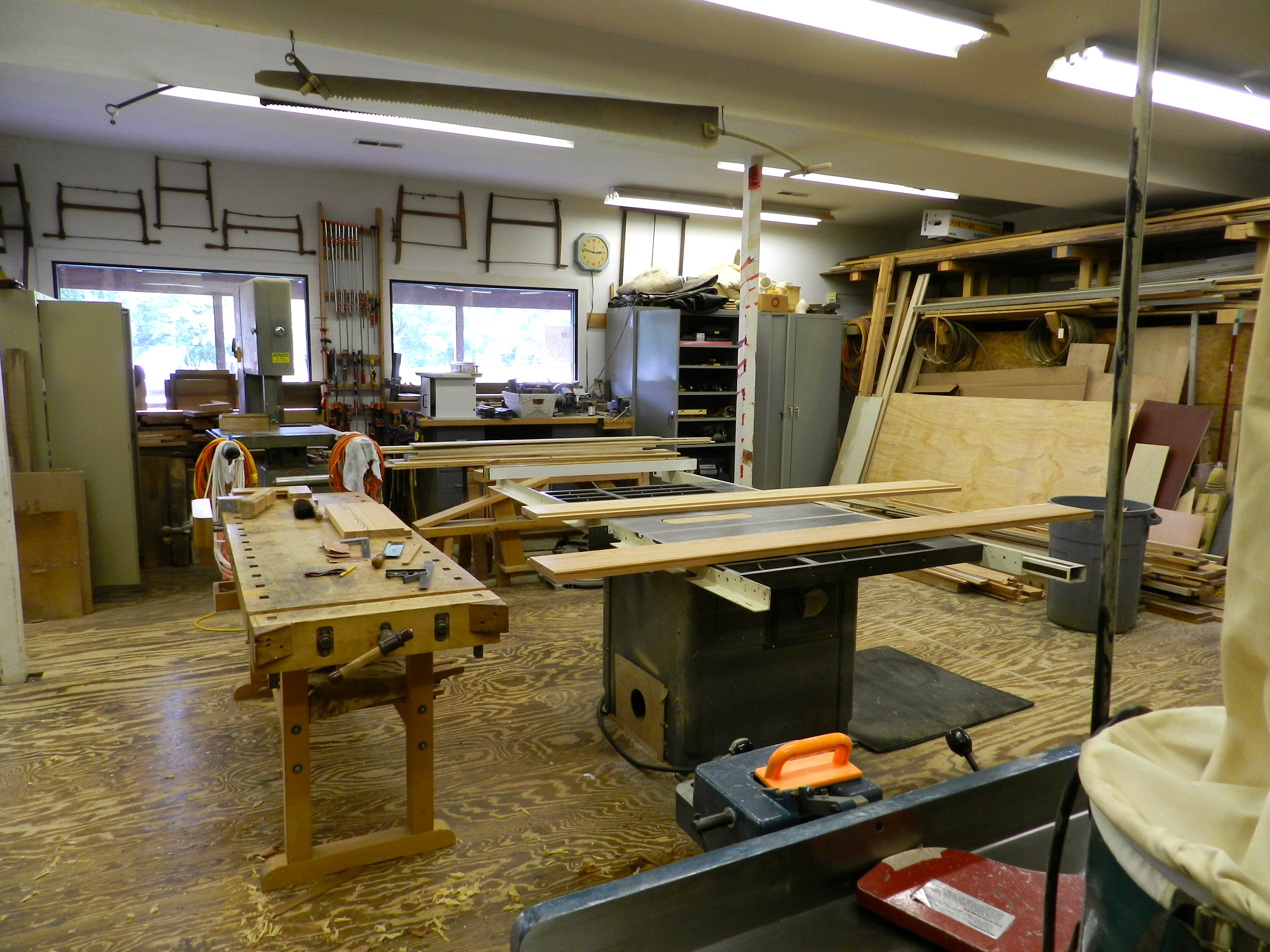
Dave was kind enough to also show me around the restoration workshop which is well equipped. Using traditional tools and materials, and the occasional time saving of some power equipment the craftsmen have restored many aspects of the house — from window sash and doors to the massive skylight in the central room and elaborate moldings.

Restoration Workshop

If you’d like to learn more about Poplar Forest you can watch a recent episode of the Woodwright’s Shop where Roy visited Poplar Forest here.

And you can plan your visit on the official page here http://www.poplarforest.org/visit

If you find the time to visit, I highly encourage you to do so. And if you run into David, please tell him I sent you. 😉

-Bill

A Joiner's Guide To Traditional Woodworking and Preservation