Category Archives: Writing

Calvin Cobb: Radio Woodworker!

Woodworking books tend to be on the dry side — and a bit saw-dusty. Tired of reading about this year’s Ultimate Power Tool, the overly complex jig you can’t live without or yet another shaker nightstand I often find myself digging around in old woodworking books or reprints for inspiration and a glimpse into the past. I find it interesting to see what other generations found interesting and what they took for granted.

When I heard that Roy Underhill’s latest book — “Calvin Cobb: Radio Woodworker! A Novel With Measured Drawings” a period novel set in 1930s Washington D.C. and the surrounding area was available I quickly snagged a copy.

Calvin Cobb Radio Woodworker!
Calvin Cobb Radio Woodworker! by Roy Underhill

I have a tendency to buy books faster than I find the time to read them cover to cover, and I ordered the hard-copy (forthcoming) along with the digital edition figuring I might find some time to read it via my phone as I am tending to our newborn baby at odd hours. The book moved along at a frenetic pace and I got through it in a couple of evenings.

Before I go much further I do have to note the following — I grew up watching Roy Underhill and visiting historic sites up and down the east coast. I remember seeing Roy’s work at Colonial Williamsburg as a child. Over the years I got into modern woodworking (yes I watched a lot of This Old House and New Yankee Workshop with my Dad) and not satisfied with that went deep into traditional woodworking chasing ‘rabbets’. As an adult I rediscovered Roy and found a new appreciation for his work and his story-telling. If you watch an episode of the Woodwright’s Shop learning about the project or technique at hand is only part of the experience — Roy is also filling your head with history, funny anecdotes, philosophical questions and of courseĀ  ‘subversive‘ woodworking concepts.

Washington Monument
Washington Monument

We’re dumped out of a cab as we meet Calvin for the first time and follow him as he navigates the city, a section of strong personalities and some brushes with history. If you’re a fan of Roy’s storytelling style — a mixture of fact, humor, interesting and sometimes obscure details — I found myself Googling the occasional odd term like ‘ziggurat’ and ‘swagger stick’ and enjoyed learning about them — then I think you will also enjoy this book.

There is not much time to dawdle on the vivid details of Calvin’s world as he is surrounded by an energetic team of wounded female WWI vets with a penchant for computing, a mysterious woman who caught his attention, and the challenge of woodworking over the radio all while trying to hold down the government day job as the section chief ofĀ  ‘Broadcast Research’. Let’s just say their agricultural muck-spreader gets a workout.

Old Post Office Building

Since I know Roy usually has a story to tell on a few levels I felt a bit like a detective with a hunch — knowing a bit about Roy’s work and having met him a couple of times I had a nagging feeling that some of the story followed aspect’s of Roy’s own life — stylized of course given this is a work of fiction. Some of the evocative imagery also reminded me of my own trips through the area. So I put on my deerstalker cap and made some notes about what seemed to click with me as I felt like I had crossed paths with the world of Calvin Cobb on several occasions.

I read that Roy had grown up in the D.C. area and after reading the book’s description of the Old Post Office Building I kept thinking — wow, I know I must have seen this building at some point, but now I really have to visit it the next time I am in D.C.. In the photo above from my last trip to the Capitol I did snap a picture that shows how prominent that clock tower still is today. (At the time of this writing that building is being re-developed as a Trump property, but the tower will re-open again to the public next year as a publicly owned section of the building run by the parks service)

The Capitol -- AKA the Virginia House of Burgesses at Colonial Williamsburg
The Capitol — AKA the Virginia House of Burgesses at Colonial Williamsburg

I also make an annual pilgrimage to Colonial Williamsburg and have visited the colonial Capitol building on many an occasion. It’s interesting to think of the restoration — which is historic in its own right given its age — as an active construction site. The carpenters in that building when Calvin visited acted much the same as guys I met while I was a preservation carpentry student. I still vividly recall Rich (the second year instructor) sending one of the students to another classroom to retrieve the ‘board-stretcher’ and on other occasions to pass the ‘screw hammer’ — so it seems that some things do not change with time.
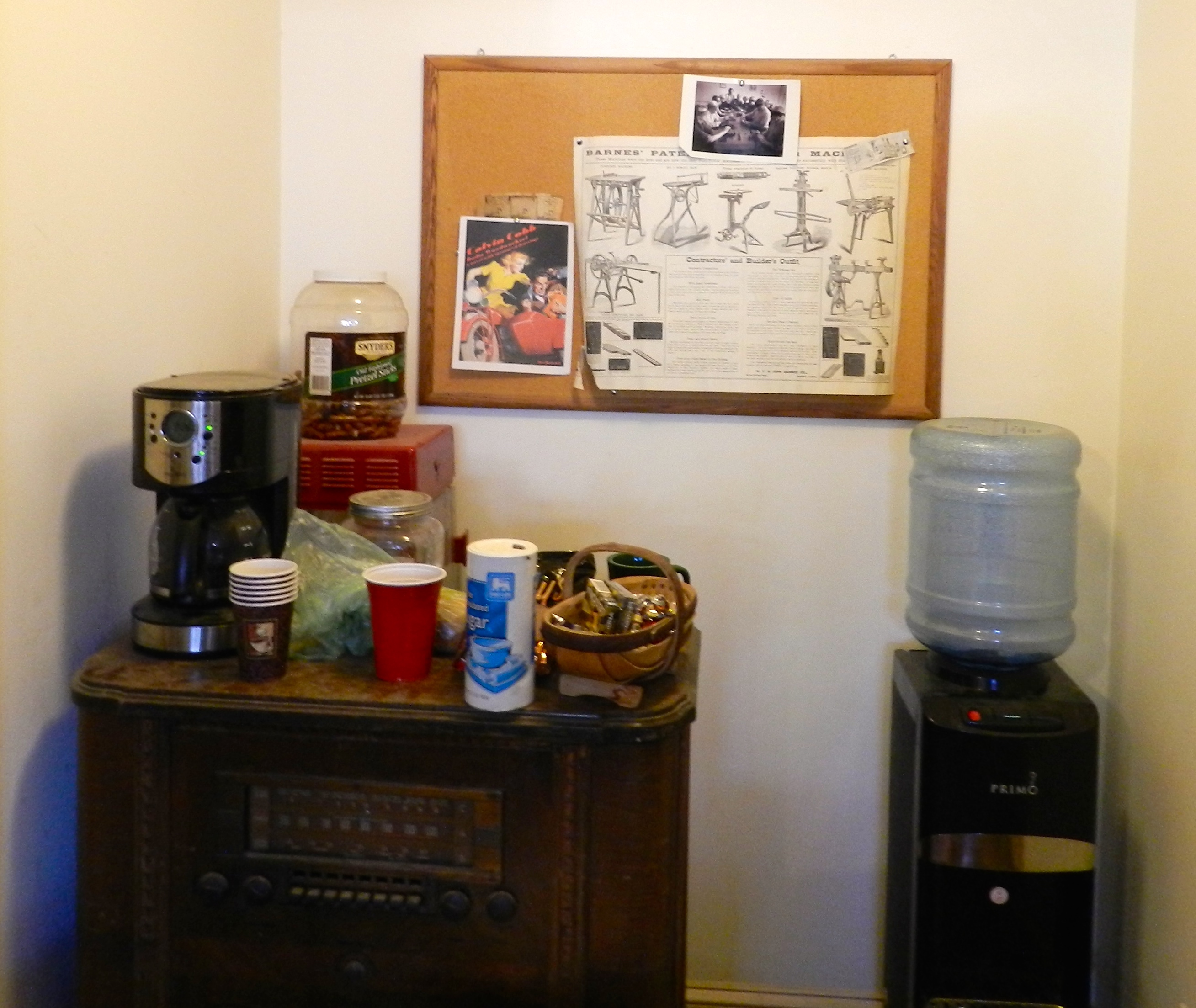
Early Draft of Calvin Cobb hanging on a board at the Woodwright's School
Early Draft of Calvin Cobb hanging on a board at the Woodwright’s School

I also recall, from a blog post on Chris Schwarz’ blog that an early version of Roy’s manuscript for this book was hanging on the wall in his classroom so I went back to look at photos from when I was at the Woodwright’s School and sure enough it was there — I wish I knew to look for it at the time.
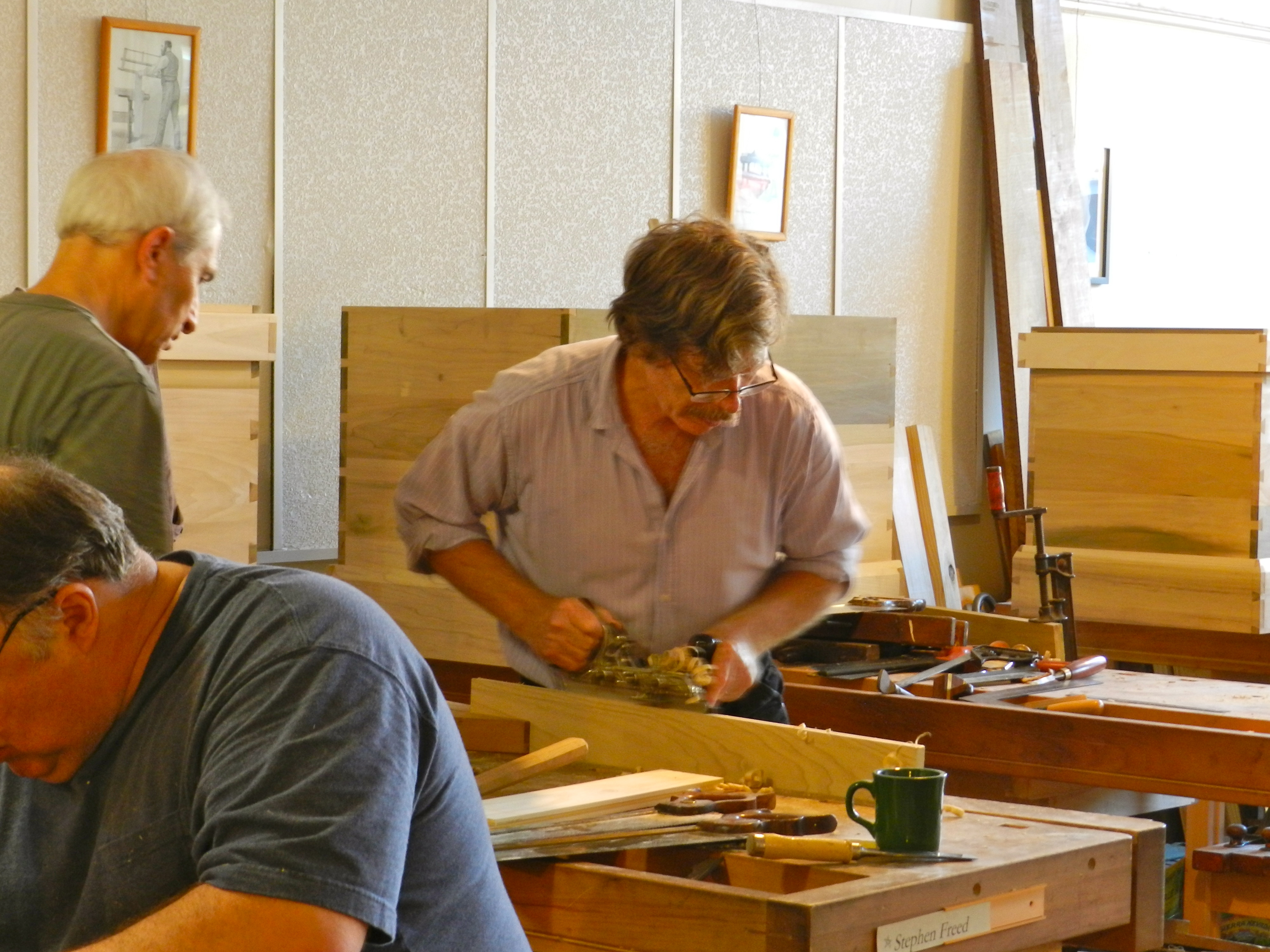
Roy Underhill planing a groove

And from that same visit I saw Roy with his trusty Stanley Multi-plane plowing a groove. Near the end of the book Calvin is thrust on stage and asked to wear a tool-belt which he sees as ridiculous in that context — which of course made me think of some of the occasional jabs Roy has made over the years at Norm who regularly wore a tool belt in the workshop though it seemed unnecessary and I thought it was a pretty funny reference. So why all the focus on Roy? I found it interesting that there seemed to be a lot of Roy in Calvin — maybe a revisionist/time traveling biography. Calvin struggles with his new-found stardom, pressures from the media superiors, communicating through media, meeting fans and trying to do what you love — all things that seem relevant to a certain TV Woodwright.
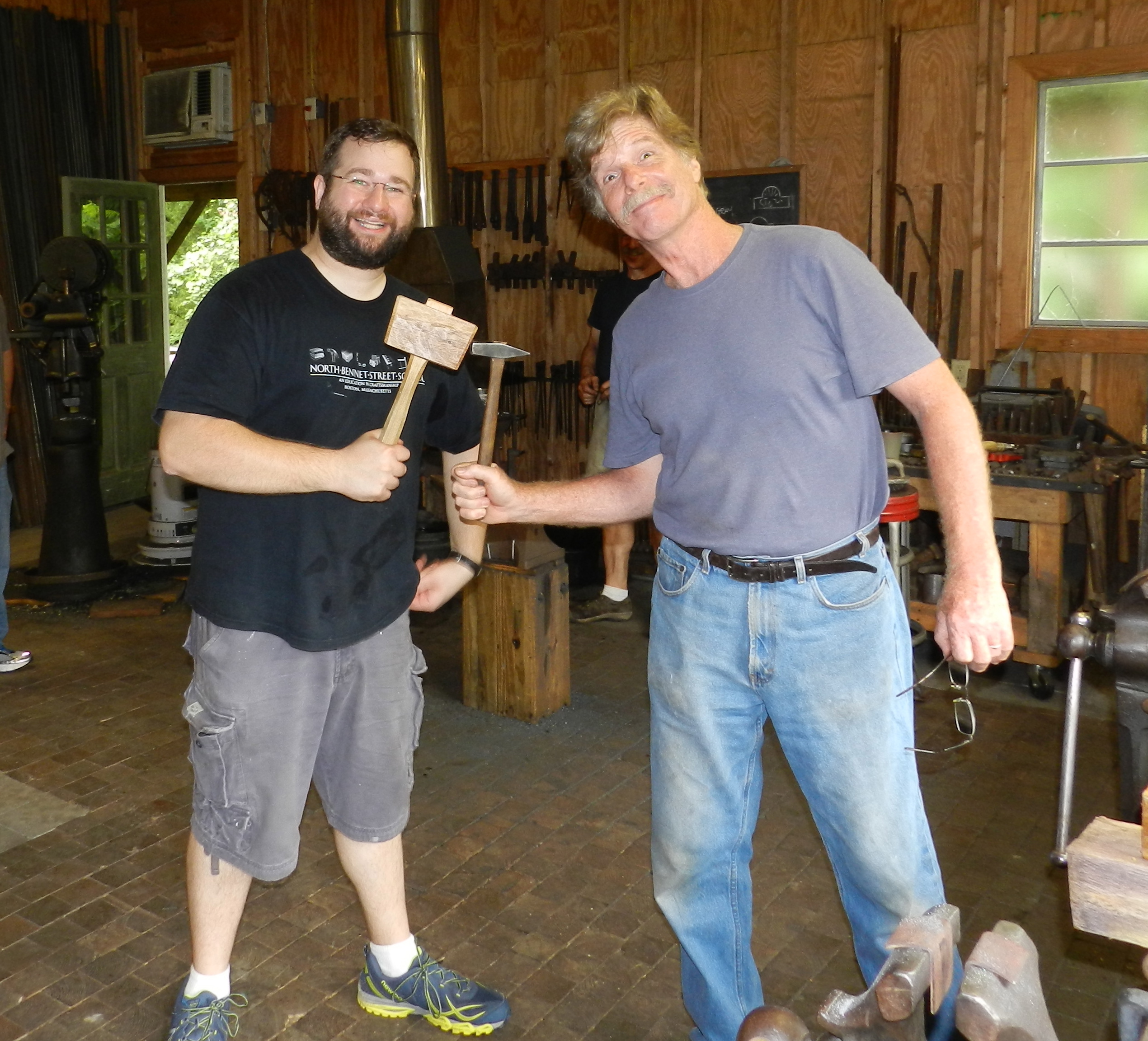
In the afternoon Roy came by to visit. (Bill Rainford with Roy Underhill)
I can’t smile to save my life in a photo, yet when I met Roy a couple of years ago I was smiling ear to ear

While you won’t learn much actual woodworking from this book (though there are some PDF plans that come with the book and tie into some of Grandpa Sam’s Woodshop of the Air episodes; the Roy faithful may be familiar with them from his books and TV show), you will go on an enjoyable ride through the late 1930s D.C., learn a bit about some of the woodworking tools, general technological advances and social issues of the time (segregation/racism, anti-semitism, etc), and may find a new appreciation for Roy’s storytelling abilities and fact that the truth is about as crazy as the fiction given all the absurdity he’s encountered over the years to bring us woodworking over the air via TV and now the radio too. Let’s hope that Calvin Cobb gets picked up for a second season so we can see what else he has in store for Grandpa Sam’s Woodshop of the Air.

As Calvin would like to say at the end of a broadcast: “This is Calvin Cobb wishing that, as you slide down the bannister of life, all the splinters go in your direction!”

Take care,
-Bill

P.S. If you have other anecdotes about Roy or Calvin’s adventures, or if you build your own ‘Liberty Ladder’ please share them with us in the comments.
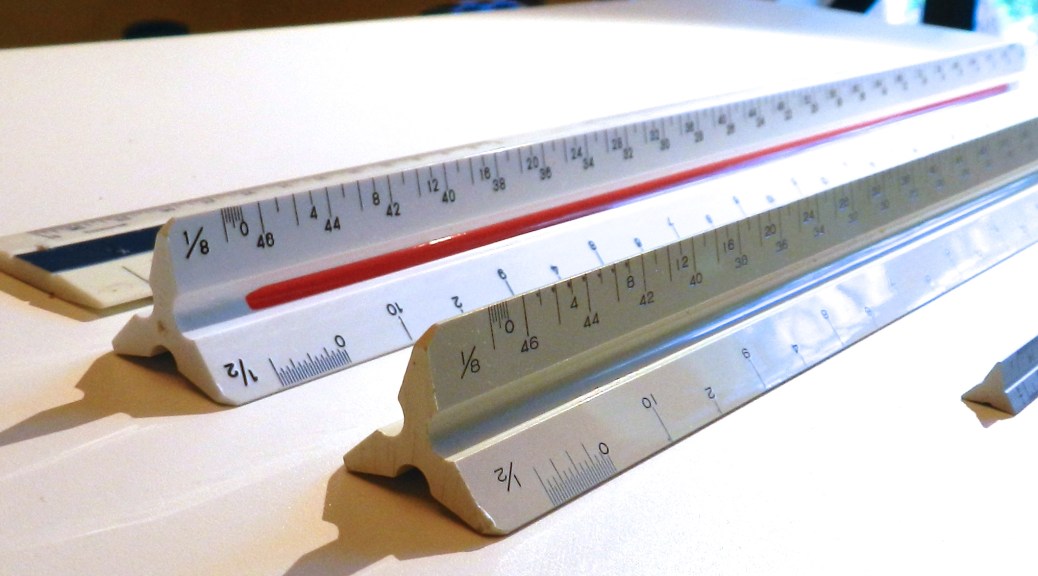
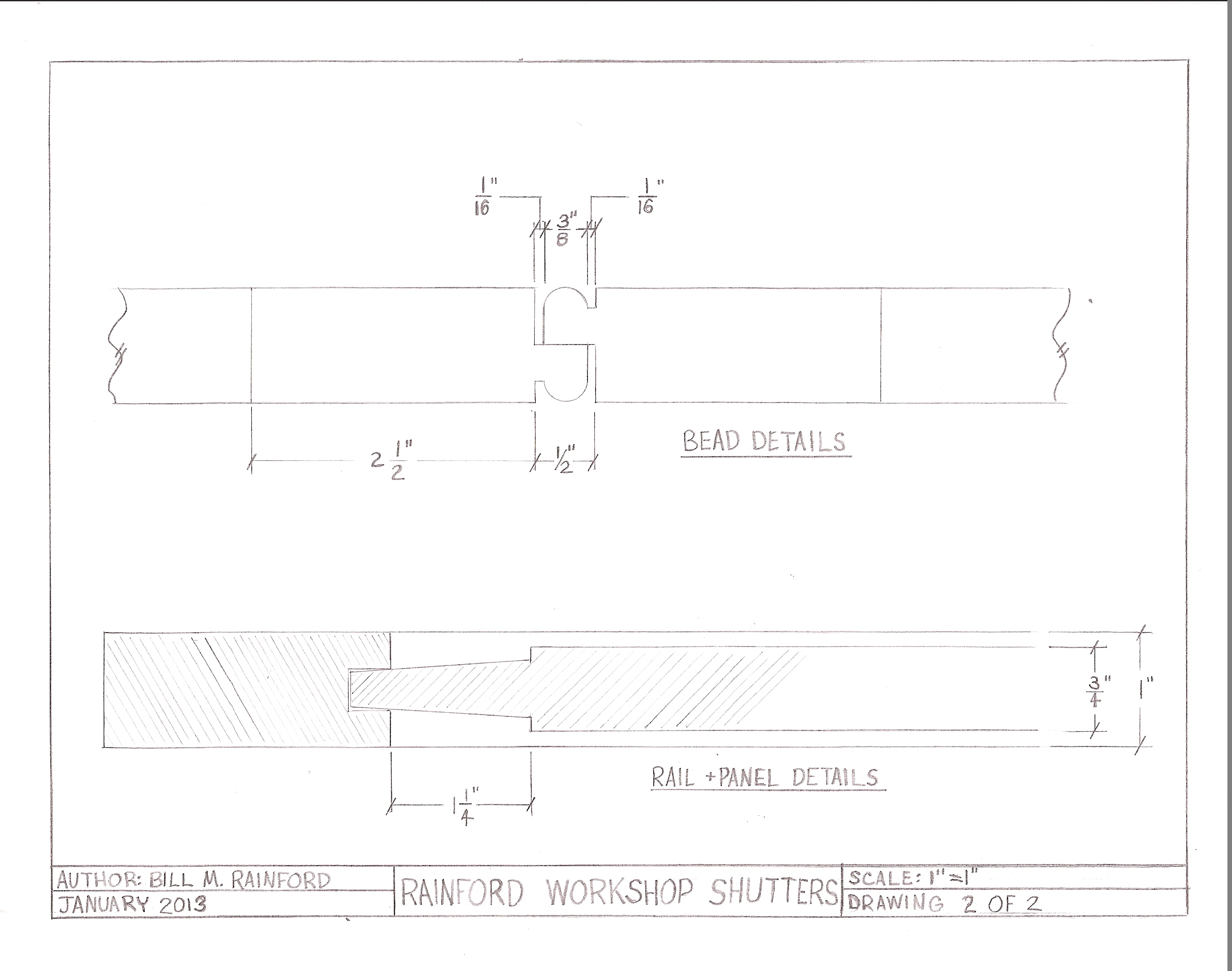
Learn The Visual Language of Drafting

Learning to draw is akin to learning how to compose music. Everyone has to start somewhere and the rough earlier work will help you build up to more complex pieces.Ā  As a kid I loved to sketch — I would copy comic book images by hand.Ā  As I got older I wanted to flesh out designs in more detail which required the accuracy of technical drawing or drafting. In High School I first learned the basics of drafting.Ā  I took a quarter of mechanical drawing, a quarter of architectural drawing, and a quarter each of the AutoCAD version of each. The drafting skills I learned there have served me well ever since — both with pencil and paper and on a computer. Back then we had a machine that made actual ‘blue’ prints from our drawings and an old DOS version of AutoCAD that was even old by 1990s standards but the basics learned there served me well in later versions and even when using SketchUp today. I can still remember riding my bike 2 towns over with my best friend Jesse to pick up some drafting supplies including architectural templates so we could design houses in our free time. I still use those templates today.

Sample Drawing
Sample Drawing

I’m thankful that in the late 1990s the West Islip High School (NY)Ā  had a technology wing offering classes in drafting, electronics, woodshop, autoshop etc and that I had some great teachers — Mr. Gerard Weick and Mr. Edwin Ermanovics who taught Industrial Arts and fostered creativity. I loved taking those courses and I still have the ‘Industrial Technology’ award from graduation somewhere — likely at my mother’s house. šŸ™‚

5 years later when I bought my first house I put the skills to use in designing a loft and a custom mantel. When it came time to pull a permit I had all my documentation ready to go. I had my plans reviewed the building inspector — he didn’t make a mark on them and said ‘Wow, I wish we had more people in town like you’ setting the stage for a great working relationship. Meanwhile at the table to my left I could see a professional contractor getting his rear handed to him by another inspector who apparently was not happy with that guys’ plans as it was covered in red ink and there was a lot of heated discussion going on. It goes to show that some careful planning and a clear drawing can go a long way to helping you efficiently go about the work you are interested in completing.

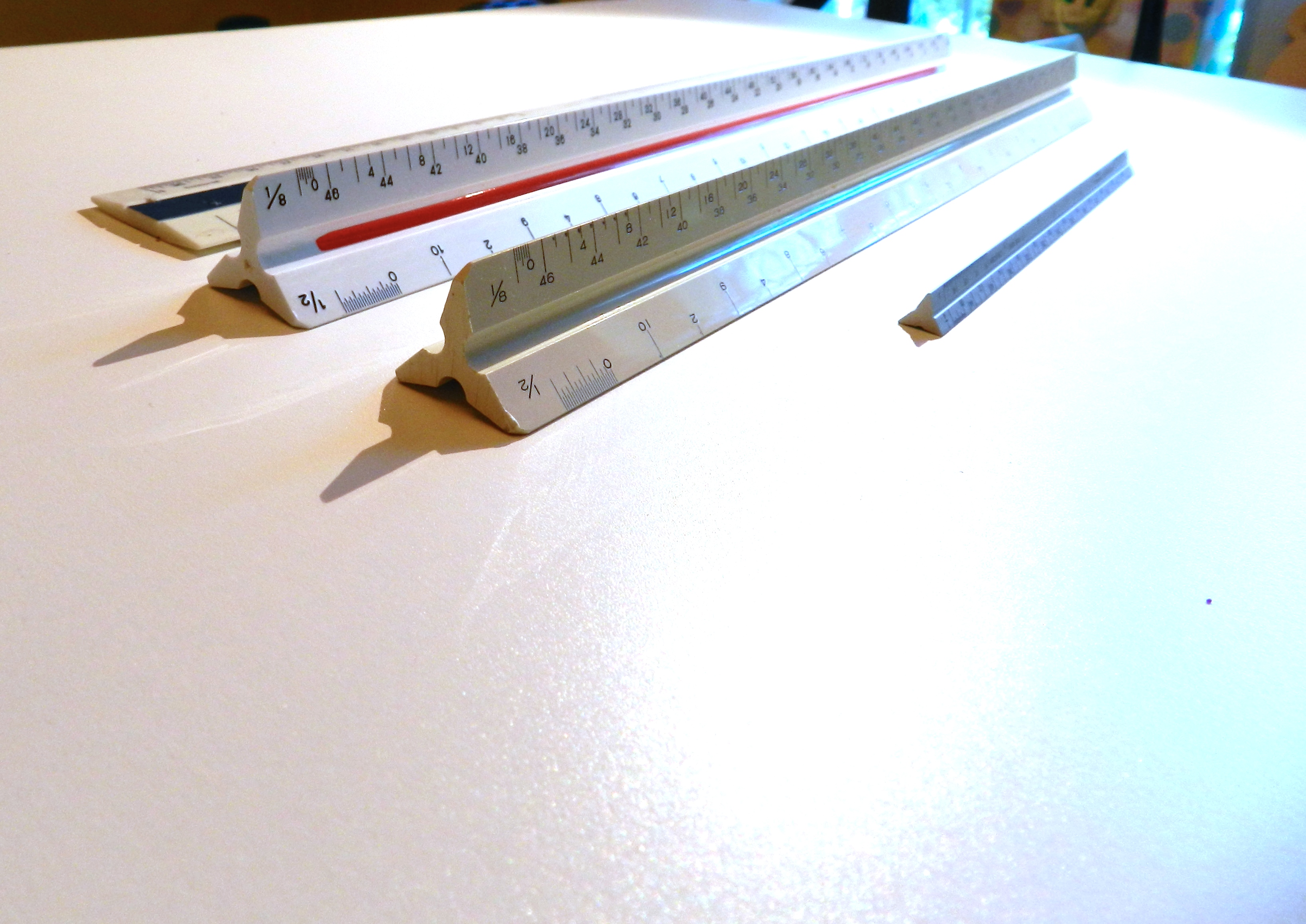
Architectural Scales

5 moreĀ  years down the road when I entered the North Bennet Street School I was able to apply those lessons to my drafting exercises and much like riding a bike it comes back to you quite fast. While in the program we had to draft every major project we worked on by hand — that not only helped with speed and accuracy in drafting but it also created a body of work that is handy to refer back to when needed. I still have many plans and story sticks from my time at the school.

Today in my work I usually draft an project by hand on paper — I can get my ideas down faster that way. Most of the time the hand rendered drawing is sufficient. Occasionally I’ll take my drawing and enter it into SketchUp — either to poke around a bit more in 3D, but most often just for the 3D renderings to dress up a blog post or presentation.

The ability to capture you thoughts and designs in a visual representation is quite powerful. A well thought out design on paper can save you considerable time and expense out in the shop. It’s much cheaper to fix a problem on paper than it is in wood — both the cost of the material and the labor involved. A clear working drawing also allows you to communicate to someone else how to fabricate your design.

If you are looking to learn the basics of drafting by hand, I encourage you to check out the Webinar I am teaching on September 10, 2014 8:30pm for Popular Woodworking University here. During the live event participants will have the opportunity to ask me questions etc. If you cannot make the event live the folks at Popular Woodworking will also offer a downloadable recorded version of the Webinar.

Sharpening
Sharpening

The course will cover the basic toolkit for drafting by hand, talk about how to draw a line, line weights, sharpening your leads, cleaning up your mistakes, laying out a basic drawing, lettering, adding dimensions and basic skill building exercises that will get you on the path to generating your own plans. With this basic set of skills under your belt you’ll soon be on your way to composing a great set of plans that will serve you well and make you a better, more efficient woodworker.

If you’d like to learn more about this course,Ā  please check out the official description on ShopWoodworking.com here. [Editorial Note: Live event link removed since the course ran as a live event. The link now will take you to where you can purchase the recorded version of the webinar]

I look forward to seeing you there.

Take care,
-Bill

P.S. Mr. Weick and Mr. Ermanovics — Thanks again for all that you taught me — I hope that I am making you both proud as I look to share these skills with the next generation of woodworkers and craftsmen.

Avoid a Sticky Situation: Choose the Right Glue for the Job

Most woodworking projects require some gluing-up. With the variety of glues on the market, how should you know which one is right for the job? The answer depends on what you are gluing up, and how the finished project will be used. Let’s take a look at some of the most popular types of glue.

The Wide Variety of Wood Glues Available

I recently wrote an article on this topic for Fix.com and thought you might also be interested in reading it. In the article I talk about:

  • Some of the more popular types of glue how to use them
  • Some of the less common wood glue variants and why you might want to use them
  • Simple tooling to help make sure your glue applications go well
  • Tips on using and storing glue

You can check out the full article here.

Below is a sample of some of the distinctive visuals from this article:

Fix.com Visuals from my Article on Choosing the Right Wood Glue for the Job

Take care,
-Bill

Building a Timeless House

Every house has a story to tell. Some homes have stories full of history, drama, beauty and mystery. Other homes tell a story of defiance, decadence or even austerity. Each of these homes is a unique reflection of the folks who built them, the times they lived and worked, how they were used and how they changed over time. When you picture a house with some of these memorable characteristics, what do you think of? Do you think of a massive modern McMansion which is often a huge cube with garish gables and conflicting architectural details tacked on? Or do you think of a well proportioned period home that has stood the test of time? Do you picture a New England connected farmstead with its collection of telescoping additions, ells and outbuildings? Or maybe a humble postwar cape?

Anyone who knows me from my writing, teaching or in person has likely heard me go on at length on many of the shortcomings of modern building with respect to to design, materials, size, quality and sustainability. More and more often I keep seeing new homes being thrown up by General Contractors who think they are also designers — they take a stock set of plans, tack on a few dozen more punch list items and ‘upgrades’ that result in a terrible composition and flow and then go on charge an arm and a leg for them. The fact that anyone buys these monstrosities is as sad a reflection on the consumer as it is on that builder.Ā  As of late I’ve driven by a few such properties that pained me enough that I took to posting them on my personal Facebook page and critiquing them with like minded friends — often with entertaining and enlightening results. I’m usually trying to espouse several tenets of my own views on traditional building and can often be heard saying “If you don’t buy a poorly designed and executed home, they won’t build them“, “Invest in quality not quantity” and similar things that seem straightforward enough in isolation but are often missed when folks actually go out to buy or build a home.Ā  I’m concerned that this sort of message is not reaching enough of the home buying and building public.

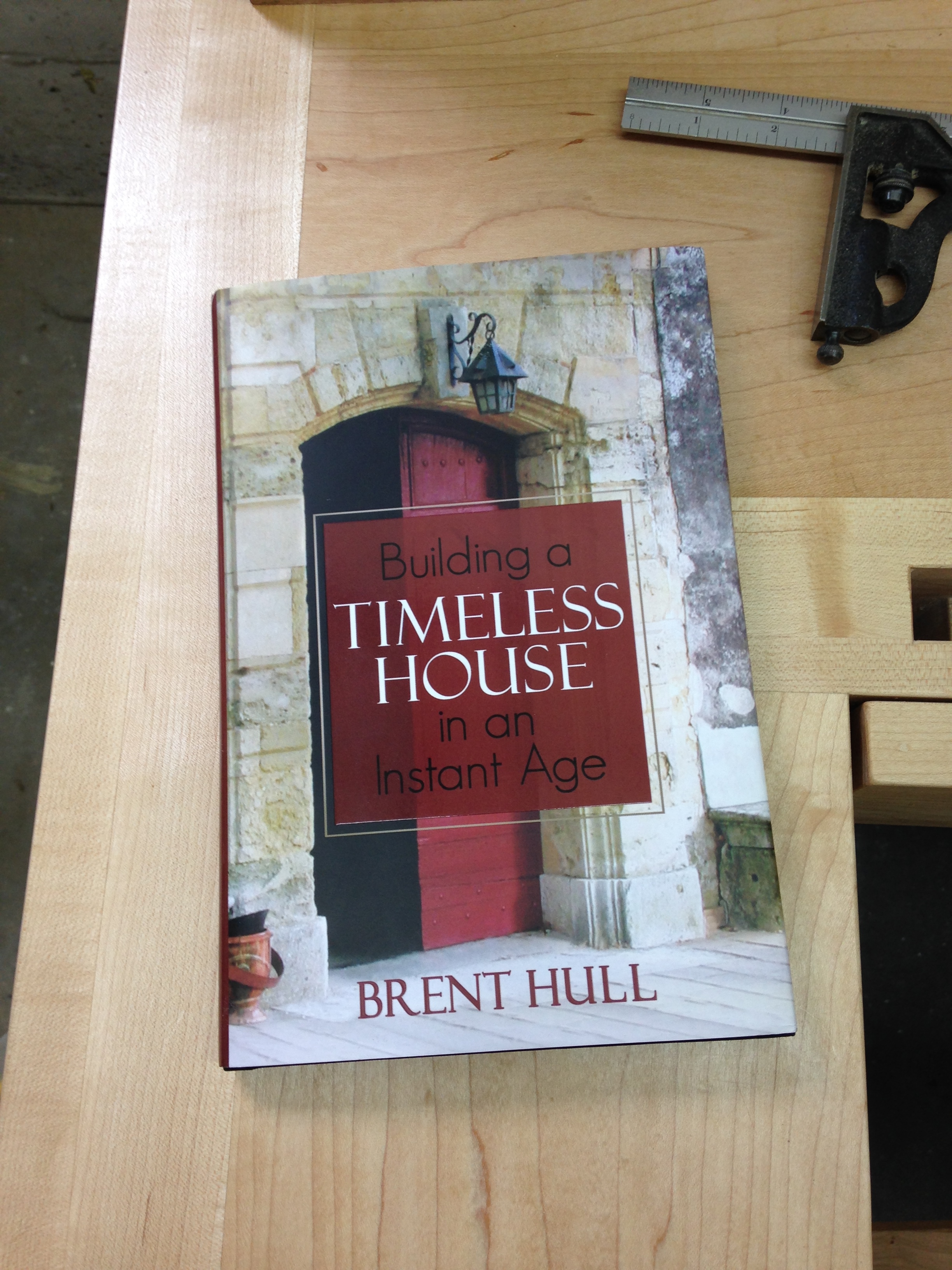
Building a Timeless House by Brent Hull

Thankfully I am not alone in having this view. I recently read a copy of Brent Hull’s newest book titled “Building a Timeless House in an Instant Age”.Ā  In this book Brent does a great job of articulating the need for consumers to understand the current state of home-building — from track houses, to higher end spec houses and grand mansions and why most houses being built today have lost a lot of what made those earlier houses so memorable and comfortable to live in. This is not a book for the tradesman to learn how to physically build such a house, but it is a thought provoking primer for homeowners and builders to engage in a more meaningful discussion and help get them on the path to building a house that will meet the owner’s needs now and well into the future.

He starts with an explanation of how many of the elements we often take for granted — and that are in plain sight — have a strong influence on how we interpret and live in a home. As a preservationist we often play the role of a house detective trying to suss out the story of how this home came to be, how it was situated on the original plot, how it changed over time and how it may have looked at a given time. In order to do this we need to understand how our forefathers built these homes — the tools and techniques as well as the layout and design. Brent goes on to talk about how the Classical Orders of Ancient Greece and Rome were based on the human scale and ideals and how they have had a profound impact on the later design of public and private edifices as well as how we as a society want to project our values and beliefs.

“What we build defines us” — Brent Hull

When building a ‘Timeless House’ we often have to address the question of how to judiciously make use of modern technology. In the general haste to always use the latest and greatest, or sometimes cheapest new building method or materials to meet a budget or a timeline the house design and/or execution can suffer. As Brent writes “A timeless house does not rely solely on new technology. It is crafted with a combination of products and skill in such a way that it is built to last. Most of these skills are grounded in historic method.” An investment in better design, materials and craftsmanship will yield a better livable, longer lasting and I would argue better selling home if we can educate the public on what to look for and what level of standards to expect. This is similar to the ‘Not So Big House’ philosophy advocated by Sarah Susanka (Sarah’s books are another great resource for homeowners looking to build a comfortable home).

Most residential construction today is lacking in architectural design with Architects spending their efforts on the more lucrative commercial market leaving the General Contractors and similar folks to try and fill the void. The Architects working in the residential space are note often well trained in classical orders which further compounds the issue.

“A doctor can bury his mistakes, but an architect can only advise his client to plant vines” — Frank Lloyd Wright

If you’ve ever visited a home designed by Frank Lloyd Wright you’ll see many of these ideals manifest themselves. I enjoy visiting many of Wright’s Usonian homes which were generally of a modest size but made use of modern and traditional materials, had a strong sense of unifying design, were executed under the supervision of someone who understood the owner’s plans/needs/desires/budget and have stood the test of time. Many of these homes exhibit timeless qualities that are often hard to articulate until you start breaking down the building into many of the aspects Brent covers in his book.

How did we lose our way? Since the end of WWII many things have changed in our built environment. There was a pent up demand from the leaner war years, many returning G.I.s looking to start a family, a rapid mechanization resulting from the ever advancing technologies and cheaper transportation means that were being developed and rolled out like that of an assembly line, and a culture that became increasingly materialistic and consumer driven. This perfect storm of circumstances really drove the craftsman from the scene. I grew up on Long Island, NY — about 15 minutes from Levittown which was one of the most iconic instances of production building. These cookie-cutter homes helped a lot of folks get out of the dirty overcrowded city can hopefully lead a better life, but it also lead to sub-urban sprawl and many of its maladies. When folks outgrew their starter cape they simply moved to the next development a few miles further out on the island and repeated the process with another builder. Trading up was encouraged everywhere — do you remember the GM ‘ladder of success‘? — if you were doing well you could trade up from your Chevy to a Buick or a Cadillac. Over time as this model of building became more and more common the average house became a poor approximation of what earlier generations produced. These modern homes were assembled rather than crafted, built from commodity materials that were designed to be replaced as a unit when they failed — rather than being fixed — and leaving many of the homes a rather boring set of boxes with simple trim that was often dictated by price and supplier availability rather than for aesthetic value or historic precedent.

So how do we avoid all this doom and gloom? The solution is education. The book calls out many very good resources for how consumers can educate themselves on what sorts of designs, styles and products they want to include in their homes. He also defines strategies that will help you focus in on what you are looking for, how to articulate it and how to evaluate the folks you decide to include on your team that will help make it all come together.

I’m glad to see that this book was written and I encourage anyone who desires a Timeless House to check out the book and then get out there and start exploring — drive around older neighborhoods and note the things you like. Travel to other locales. Talk to folks you see doing good craftsmen oriented work. Follow blogs that are interesting to you, note pictures you like on Pinterest, Houzz and similar sites. Talk with local preservation groups. All these data points will help you refine what you are looking for and get you on the path to something better.

Go out and tell a story with your home.

Take care,
-Bill

About Brent:

Brent is a friend of mine and a fellow graduate of the North Bennet Street School’s Preservation Carpentry program. Since graduating from NBSS Brent has gone on to develop a nationally recognized Architectural Millworks and Historic Preservation company call ‘Hull Historical Architectural Millworks‘ which is based out of Texas. He is the exclusive millworks supplier for DuPont’s Winterthur and has worked on many public and private projects that have resulted in many awards and accolades over of the years. You can read a bit more about him in an earlier blog post I wrote here, and you can see what he’s been up to on his blog here.


Getting the Most from your Combination Square

A combination square is such a ubiquitous tool that many woodworkers take it for granted and do not get the most from it.

Starrett Combination Squares and Accessories

I recently wrote an article on this topic for Fix.com and thought you might also be interested in reading it. In the article I talk about some of the more interesting uses and accessories that will help you get the most out of your combination square. You can check out the full article here.

Some of you might be asking — ‘What is Fix.com?’

The semi-official marketing answer is:
“We are Fix.com, a lifestyle blog devoted to bringing you expert content to make your life easier. We’Ā’ll cover everything in and around your home, like landscaping, gardening, outdoor activities, home maintenance and repairs. From products to projects, weĀ’ll be providing you with a daily fix of content from our experienced and knowledgeable team of writers.”

My less official answer is:
It’s a new blog site with a distinctive visual style that caters to folks who are passionate about woodworking, cars, exercise, fishing, gardening, grilling and motorsports. It will be interesting to see where this site goes as they produce more content and get a wider base of readers.Ā  If you have a few minutes, it’s worth checking out.

Below is a sample of some of the visuals from this article:

My trusty Starrett Combo Square in the limelight

I’ve got some more articles in the works with Fix.com and you’ll be able to check out those posts as they get linked to my Fix.com author page here.

Take care,
-Bill

A Visit with the Frid Family

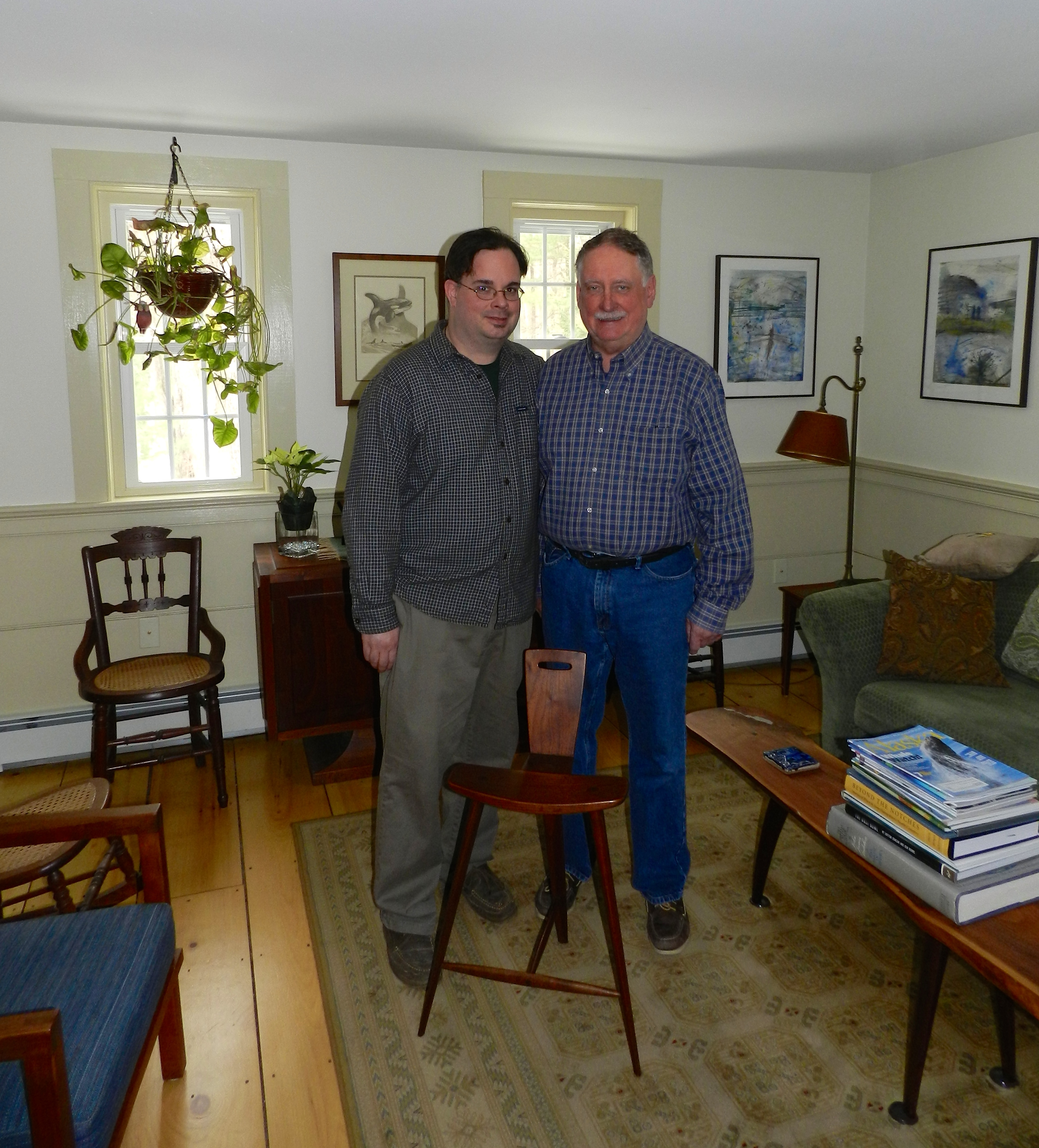
This past weekend I had an amazing opportunity to visit the home of Peter Frid — Tage’s son, and visit with his family.Ā  Beyond seeing some of the many items Tage made it was great to hear stories of what life was like with Tage and Emma from Peter, his wife Kathy, their son Oliver and his wife Cherie.

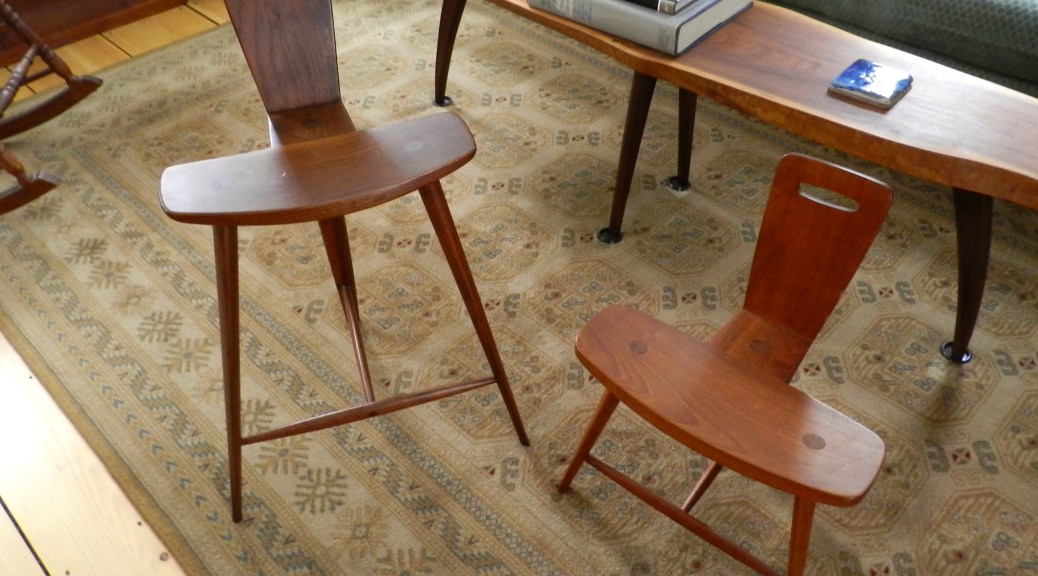
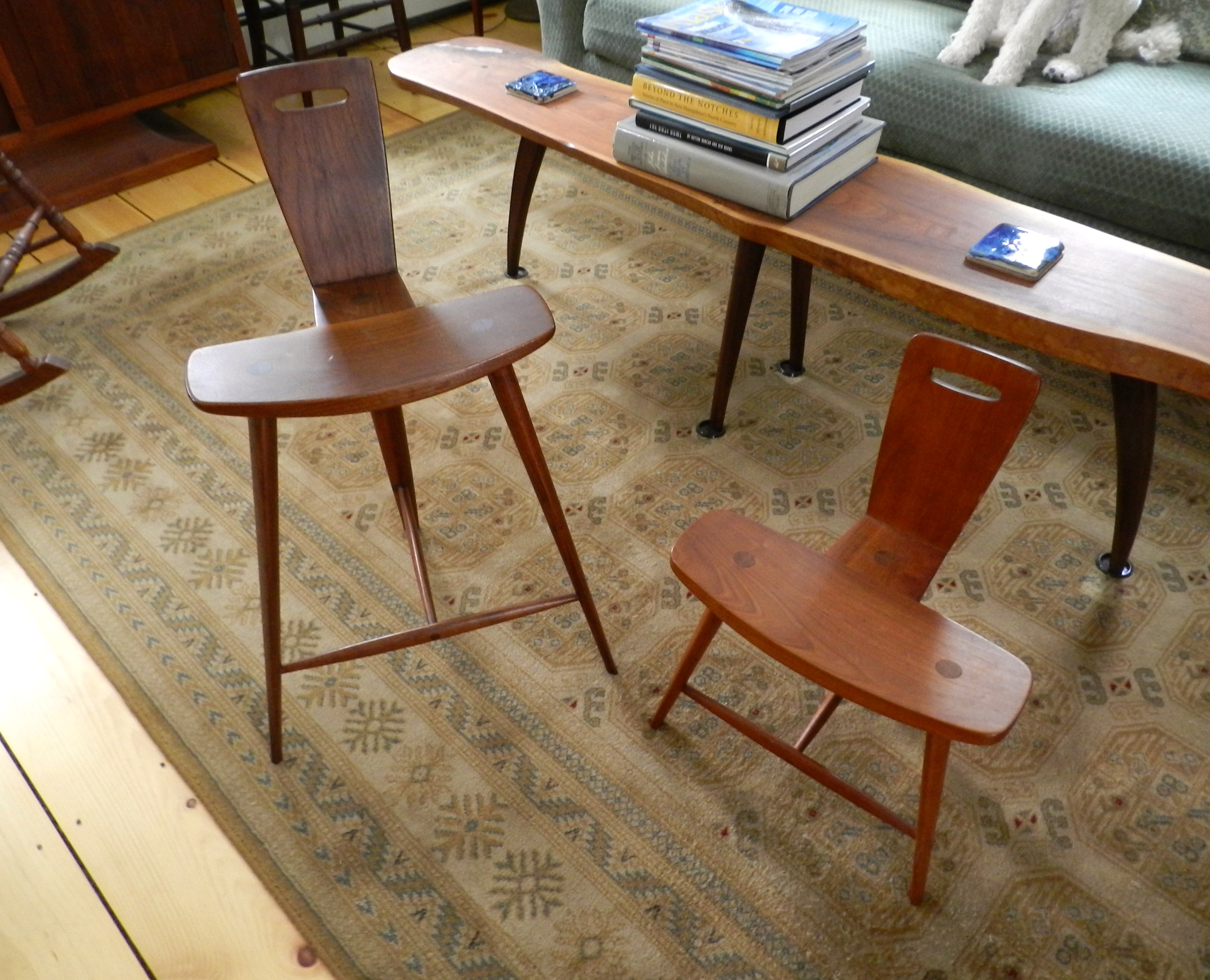
Tage Frid's iconic 3 legged stools and natural edge coffee table
Tage Frid’s iconic 3 legged stools and natural edge coffee table

I was very exited to see Tage’s iconic 3 legged stools in person — building a pair has been on my mile long todo list since I first learned about them years ago. I tried unsuccessfully to see these chairs at the MFA and RISD museum but every time I went they were not on display. Not only did I get to see them, but I got the chance to sit on one of them as well. The stool is very stable and surprisingly supportive given its seemingly diminutive stature. It was also just as comfortable to sit in it facing forward as it was to sit in it backwards. I had read the story about how Tage came up with the idea for the stool while sitting on a fence at a horse show, but it was neat to hear that the reason Tage and Emma were at the show was because Peter and his sister were riding in that very show.

Also shown in the picture above is a very nice natural edge coffee table with inlaid metal that is seen in the Gallery section of Tage’s 3rd book.

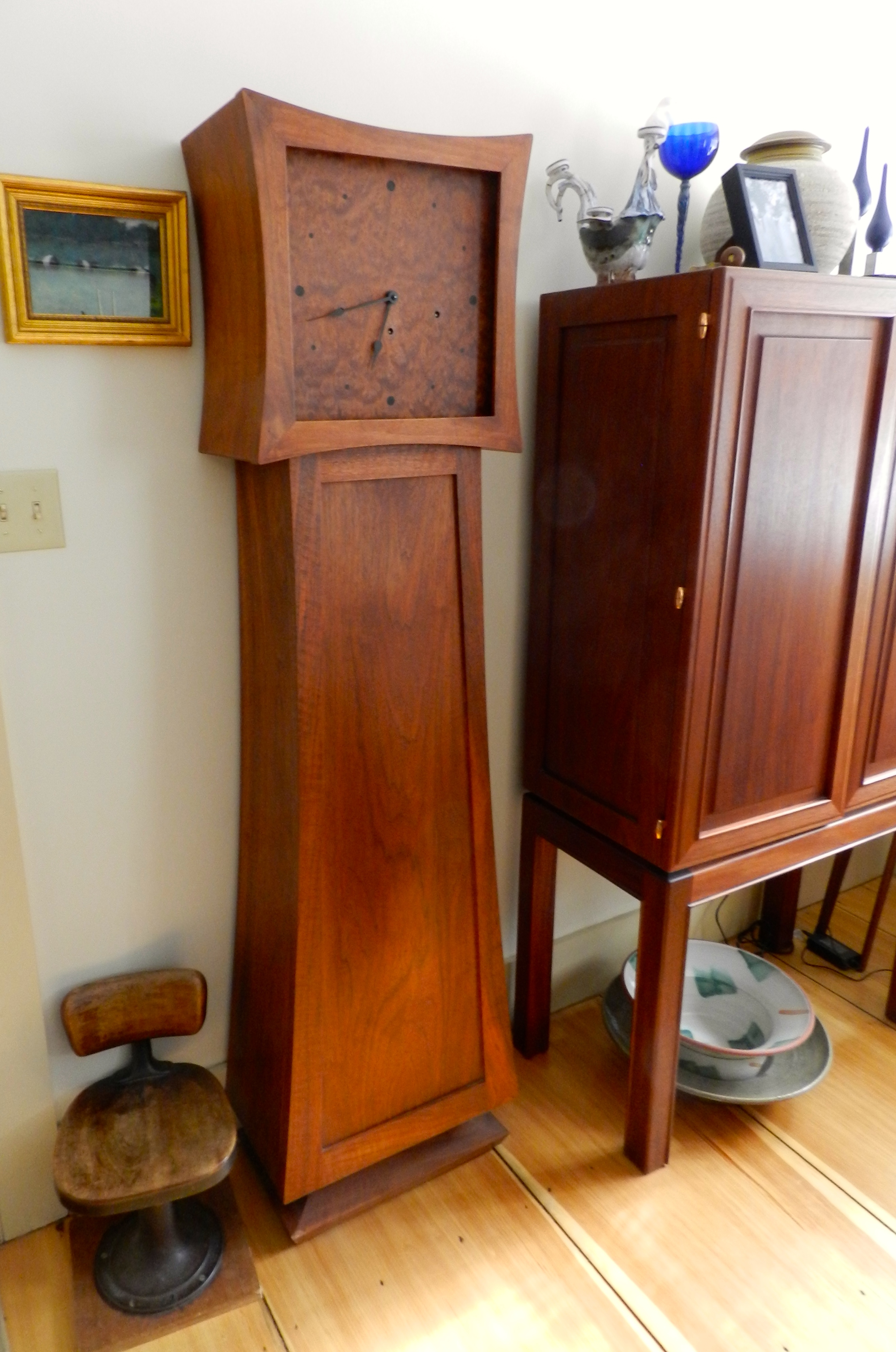
Tage Frid's Grandmother Clock
Tage Frid’s Grandmother Clock

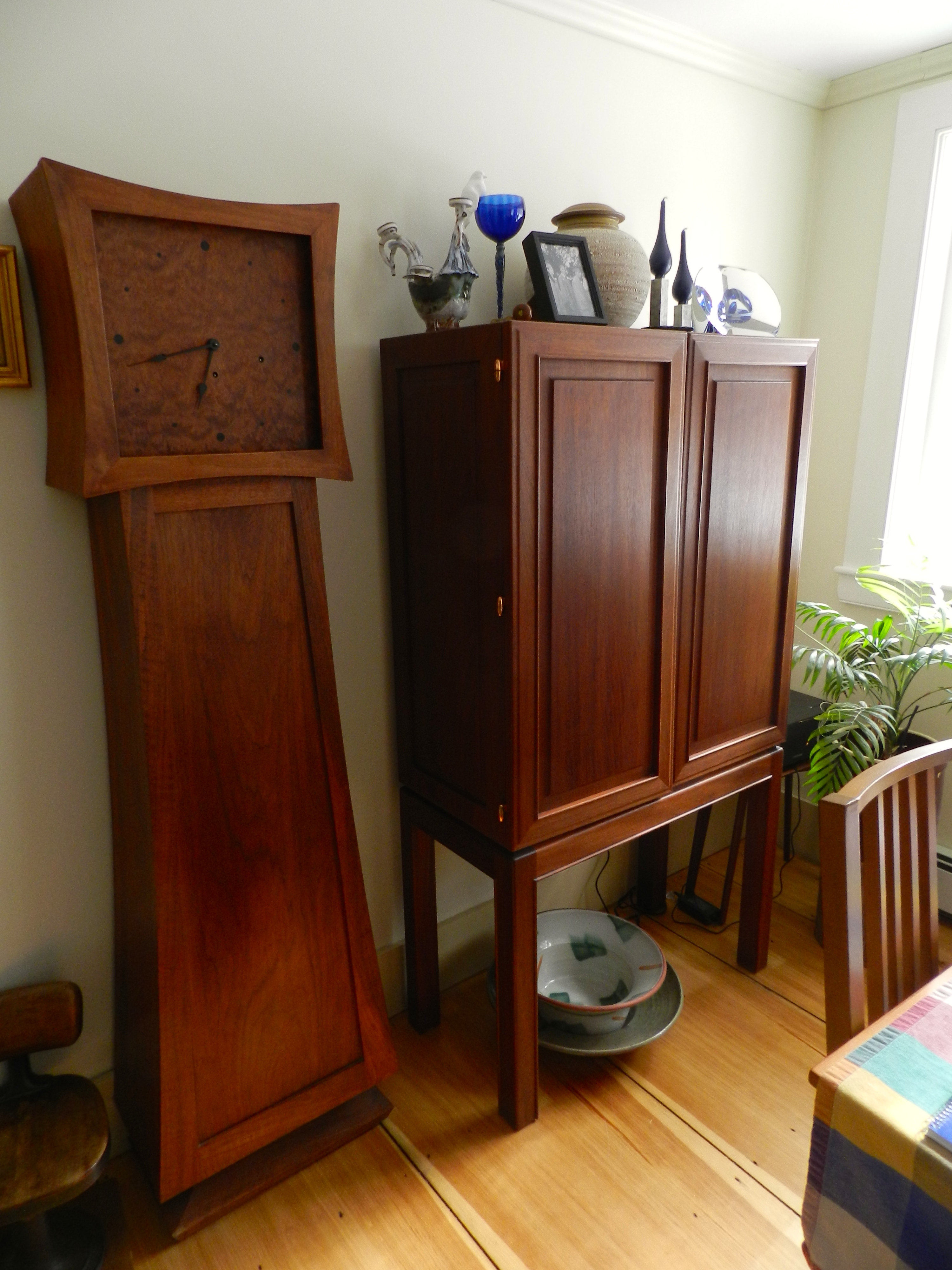
In another room was Tage’s famous ‘Grandmother Clock.’ The black and white photos of Volume 3 of Tage Frid Teaches Woodworking do not do it justice as the wood has aged beautifully. Inside the case are all the traditional polished brass movements you would expect to find in a large case clock.

Grandmother Clock and Bar Cabinet

Adjacent to the clock is a beautiful liquor cabinet that is also from the Gallery section of Volume 3. It is made from mahogany and the panel details on the side and top are carved in. The cabinet also has beautiful copper/bronze hinges that pivot on an egg shaped knuckle.

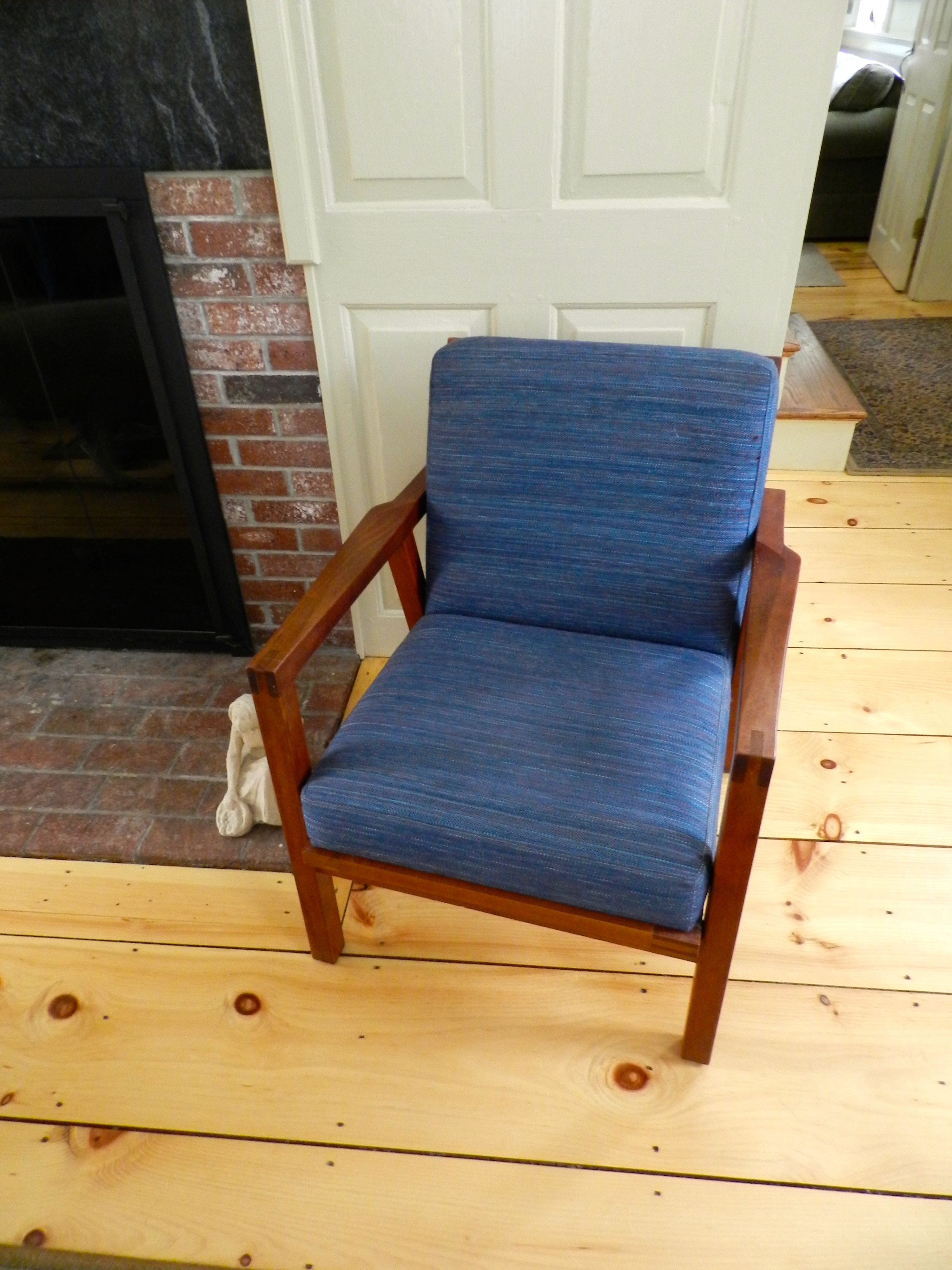
Tage's favorite chair to sit in
Tage’s favorite chair to sit in

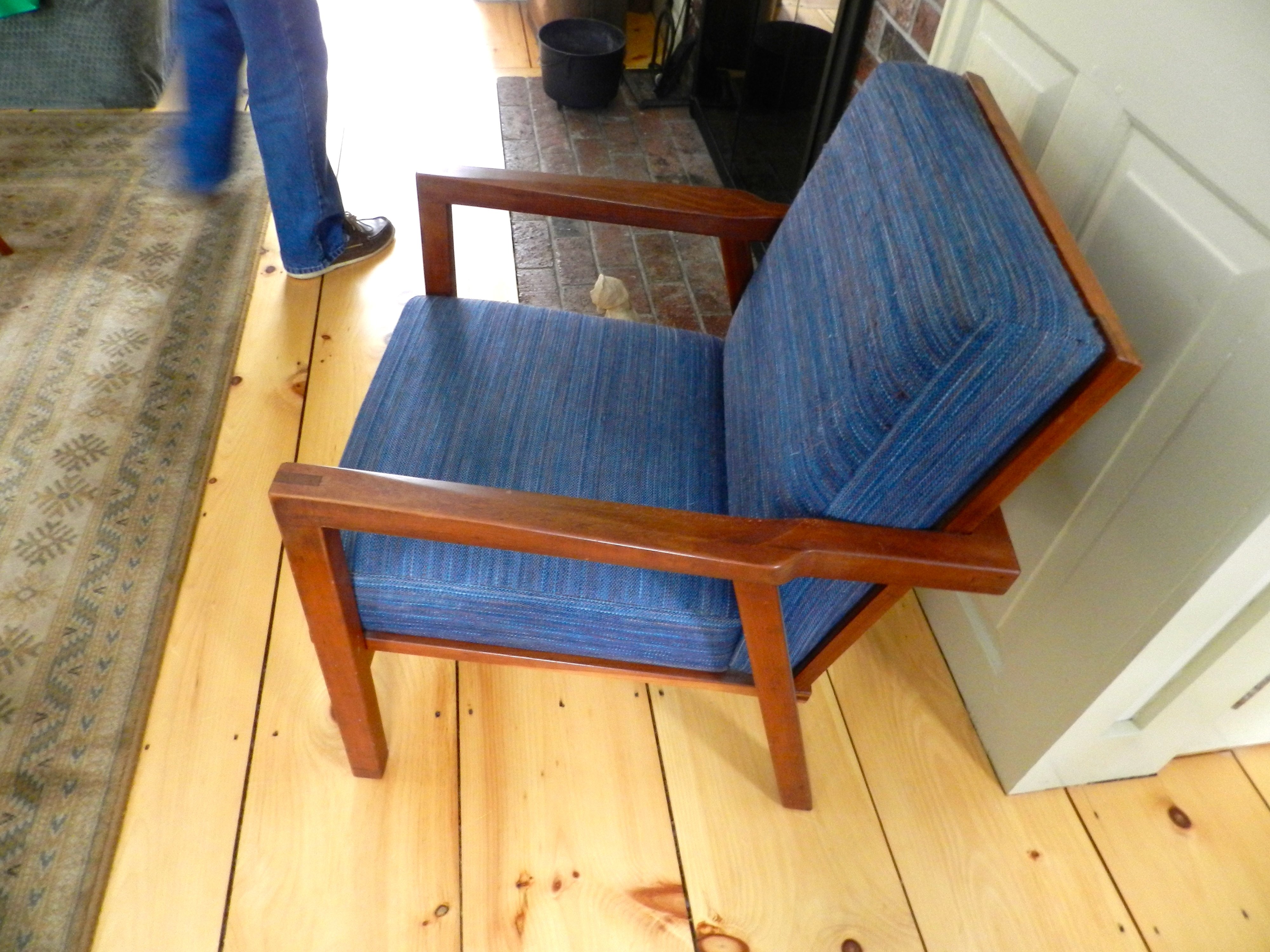
Shown above and below is Tage’s favorite chair to sit in. With clean lines, expressed construction, and thickly upholstered cushions I can see why he liked this chair a lot. Like most Danish modern furniture the lines are clean, the details are subtle and piece has a visually light feel.

Expressed joinery and clean lines on this comfortable chair

The profile view reminds me of some cues from a morris chair and the forward lean of the legs reminds me of some of the chrome accents on cars from the 1950s — even while standing still it wants to be moving.

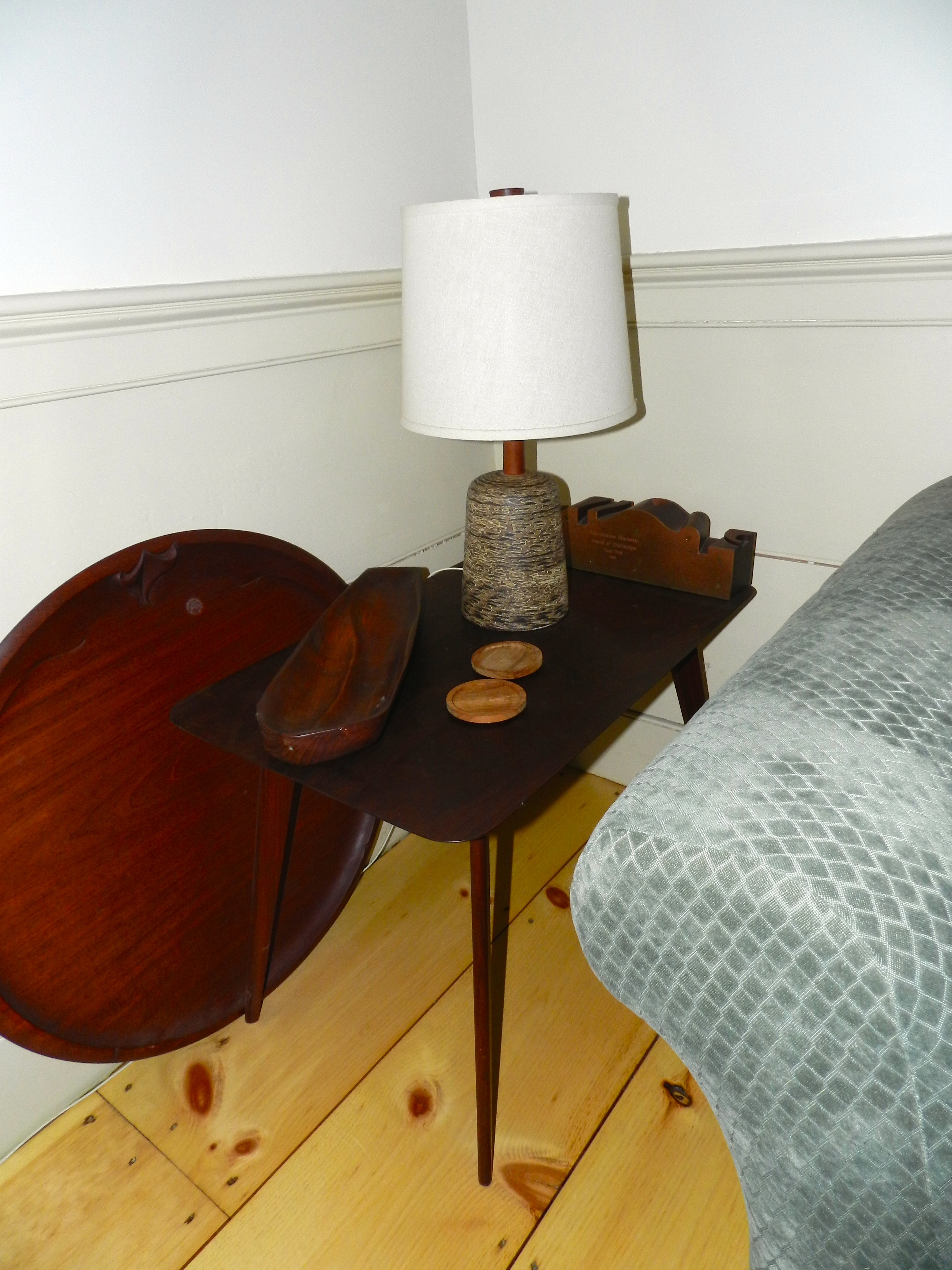
Tage Frid End Table
Tage Frid End Table

The end table above has another great story behind it. In some of Tage’s writings and articles he mentioned the rocky start he had when first arriving at the School for American Craftsmen wherein the facilities were not well setup and some folks were not eager to hear what Tage had to say. One morning while the students were attending lectures with another instructor Tage took a large board and started milling and working it. By mid-day he finished construction of the table and by the end of the day he even applied a scraped lacquer finish. This feat caused quite the sensation at the school and suddenly a lot more folks wanted to hear what Tage had to say as the existing way the program operated would have taken about 2 weeks for students to carry out this work and with inferior finish results. (You can read more about this story and many others in the Smithsonian interview of Tage Frid available online here.). The table has a delicate look that was ahead of its time and has aged well.

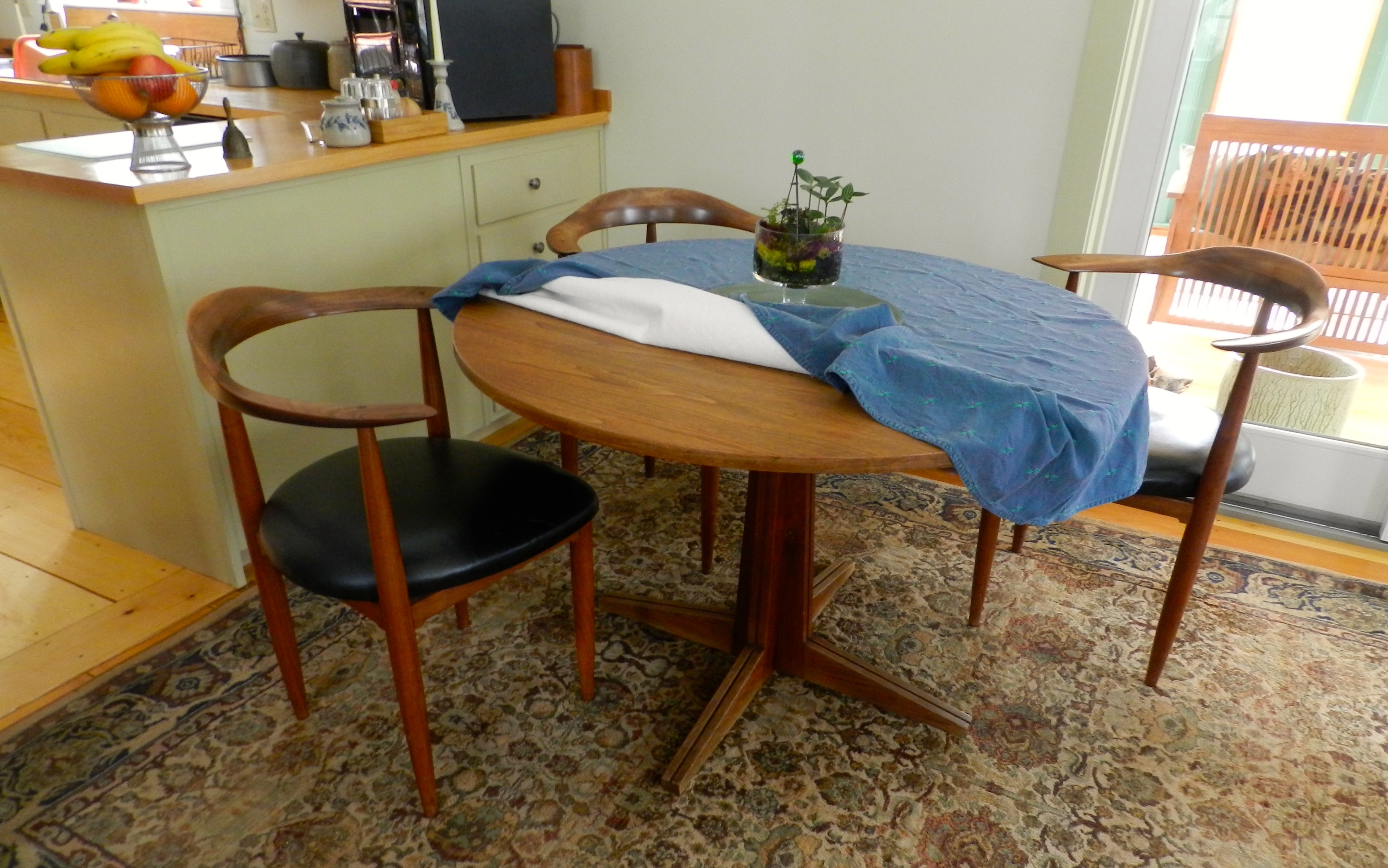
Round pedestal table and corner chairs
Circular pedestal pull-out table and corner chairs

In the above photo you can see the circular pedestal pull out table Tage made in Chapter 4 of Volume 3 of his book. The table base has some interesting design details that hide where the table expands from. The book details the intricate and interesting sliding mechanism that supports the removable table leaf. Also shown are some corner chairs with upholstered seats. They are comfortable when sitting upright and support you well even if you sit with a more relaxed or slouched posture.

While not a cabinetmaker by trade I suspect the knack for woodworking and artistic creativity is in the genes as Peter built numerous very nice cabinets and built-ins around the house, including the kitchen cabinets and tops shown in the background of the above photo and a very nice computer desk. Oliver is an art teacher and accomplished painter and you can see some of his work here.

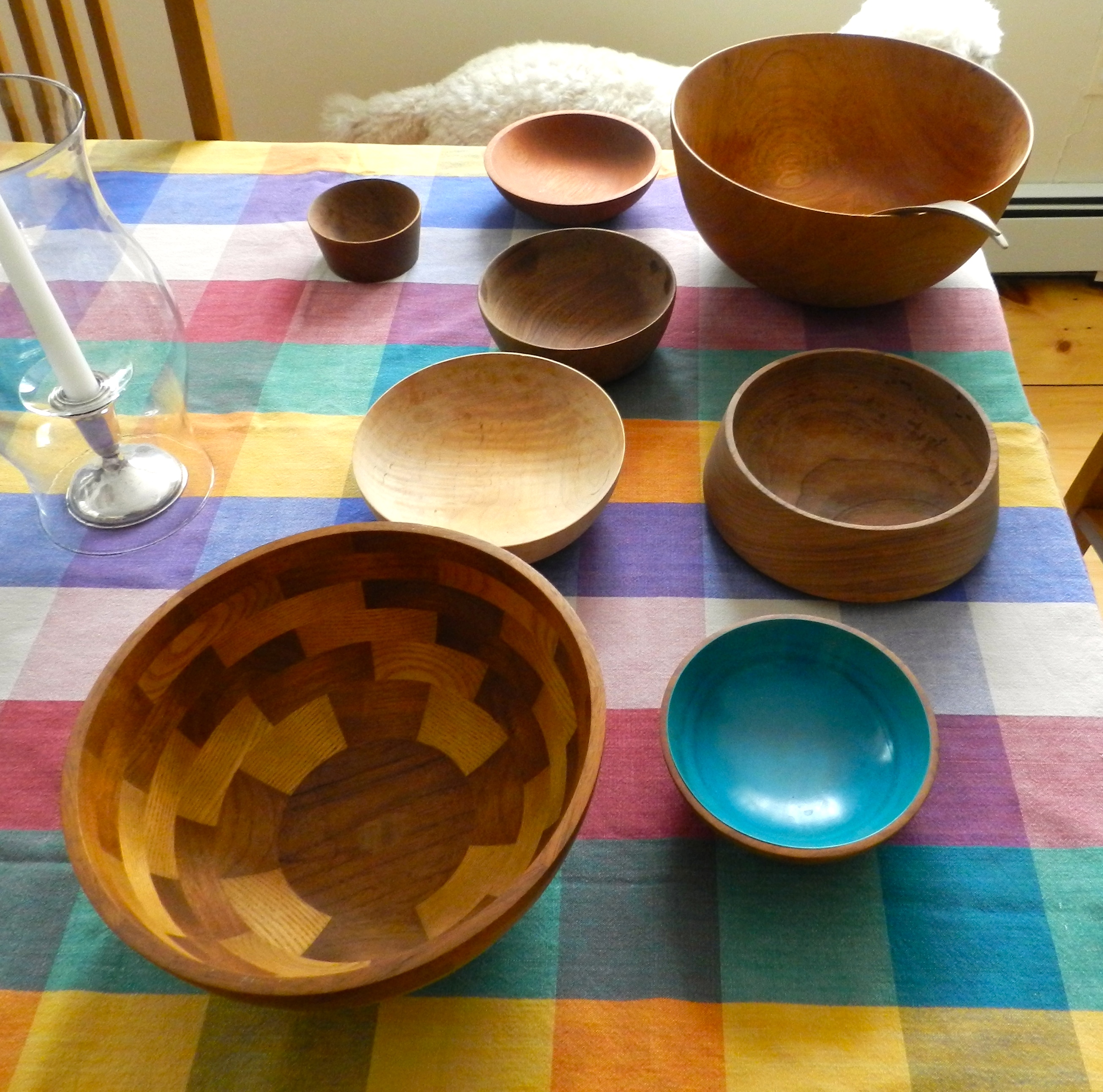
A sampling of Tage's bowl turning
A sampling of Tage’s bowl turning

Tage also did a fair amount of bowl turning especially in his later years. Above are a few samples of his turning work. The large checkered/segmented bowl and blue lacquered bowl in the foreground were two of my favorites. The large salad bow near the top of the photo is also interesting. Rather than create a large tenon or undercut a tenon for use with a bowl chuck it seems that Tage used 4 wood dowels to presumably affix the large bowl blank to a faceplate or similar — thus maximizing the size of the bowl he could get from the blank and also allowing him to easily cut it off of the faceplate when the turning was completed.

Peter Frid (Left) and Oliver Frid (Right)
Peter Frid (Right) and Oliver Frid (Left)

Pictured in this last photo are Peter Frid (Tage’s Son) on the right, and Oliver Frid (Tage’s Grandson) on the left. I want to thank Peter for opening up his home to me, a thank you to Oliver for the introduction and a big thanks to Kathy and Cherie and the whole Frid family for their hospitality and allowing me to poke around admire some of Tage’s work. It was an inspirational visit and reminds me how I need to get back out into the workshop and finish off my Frid inspired workbench.

Take care,
-Bill

P.S. If you’d like to learn more about Tage Frid and his work, please check out my earlier post about him here.

P.P.S I also got to see some of Tage Frid’s workbenches and will be exploring those more in a future post.

Boxes for every occasion…

Building customized storage solutions is one of the joys of being a woodworker. I never seem to have enough storage at home or in the shop. On days when I don’t have a lot of time in the shop, when I have some nice scraps I want to use or when I want a quick warm-up, I often find myself making boxes and other storage solutions for items I want to take care of. Below are three posts I recently made for Popular Woodworking on their ‘Woodworking Daily’ blog to explore some of my thoughts on this topic. I hope that they will inspire you to get out into the shop and make something today.

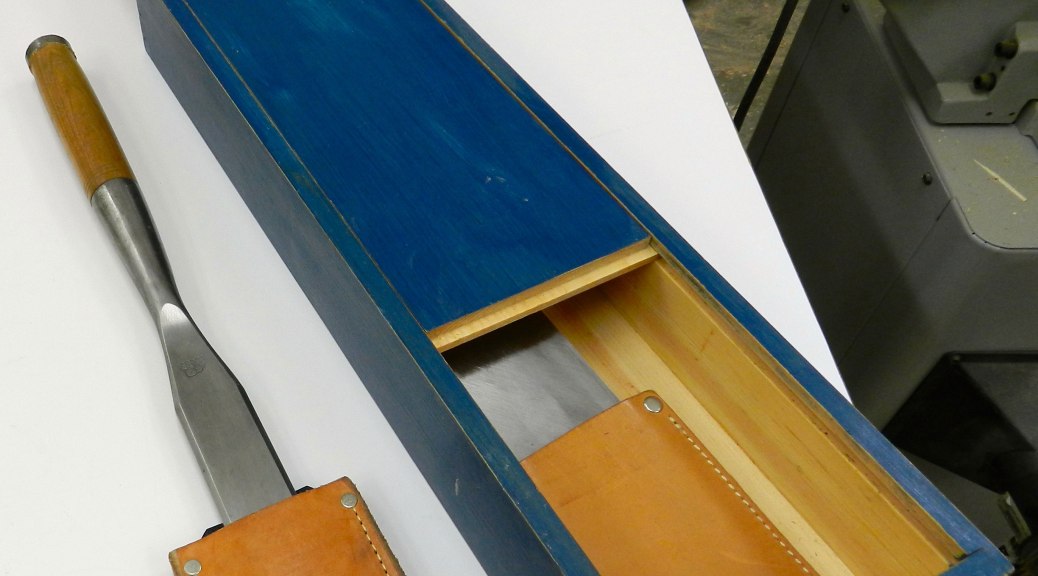
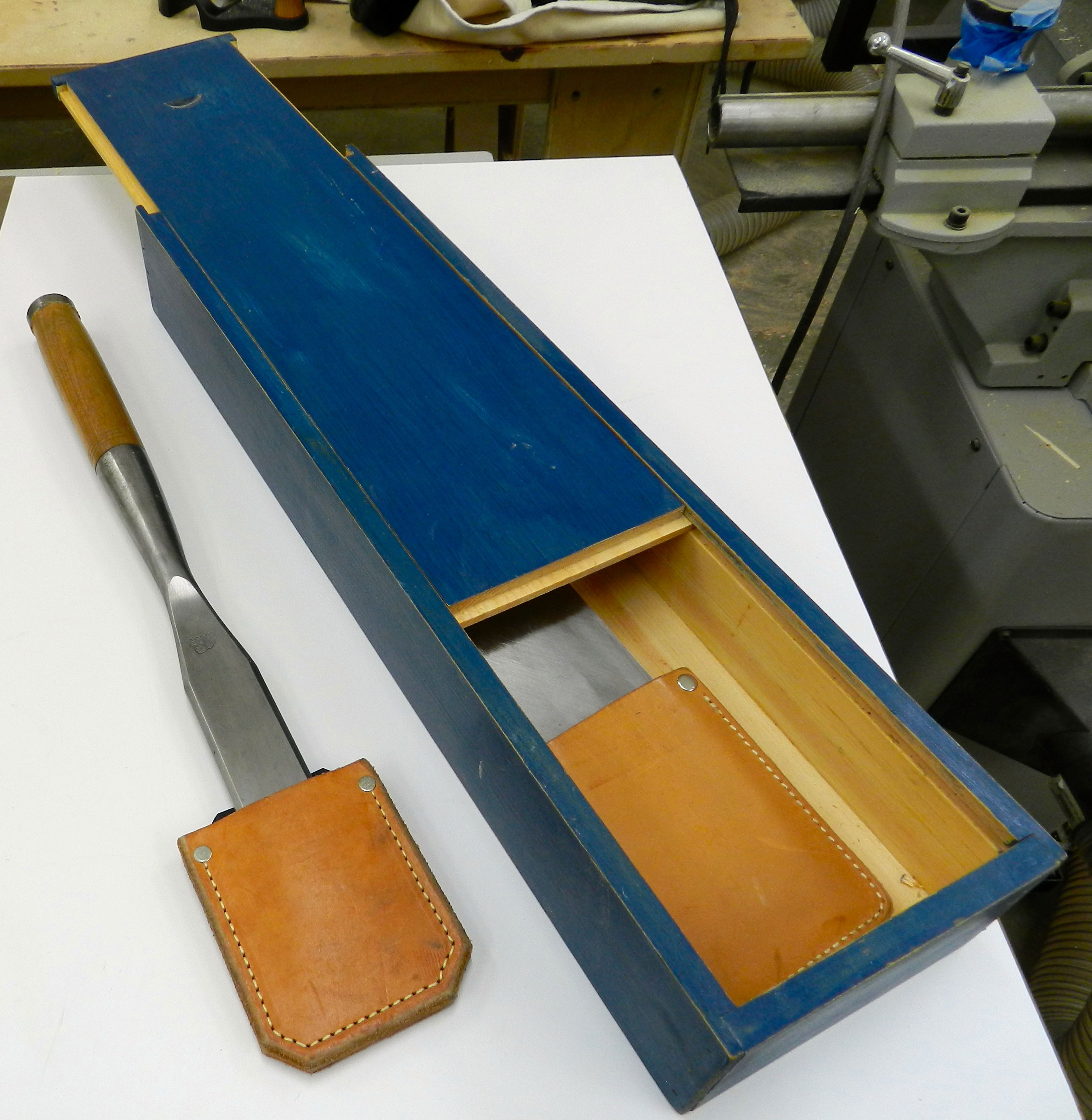
Aging 100 Years in a Day

Sliding top timber framing chisel box

You can check out this post on making a sliding top timber framing chisel box from eastern white pine, simple rabbet joints and cut nails. It features a weathered finish made from milk paint and wax that will only look better with age and use. You can read the post here.

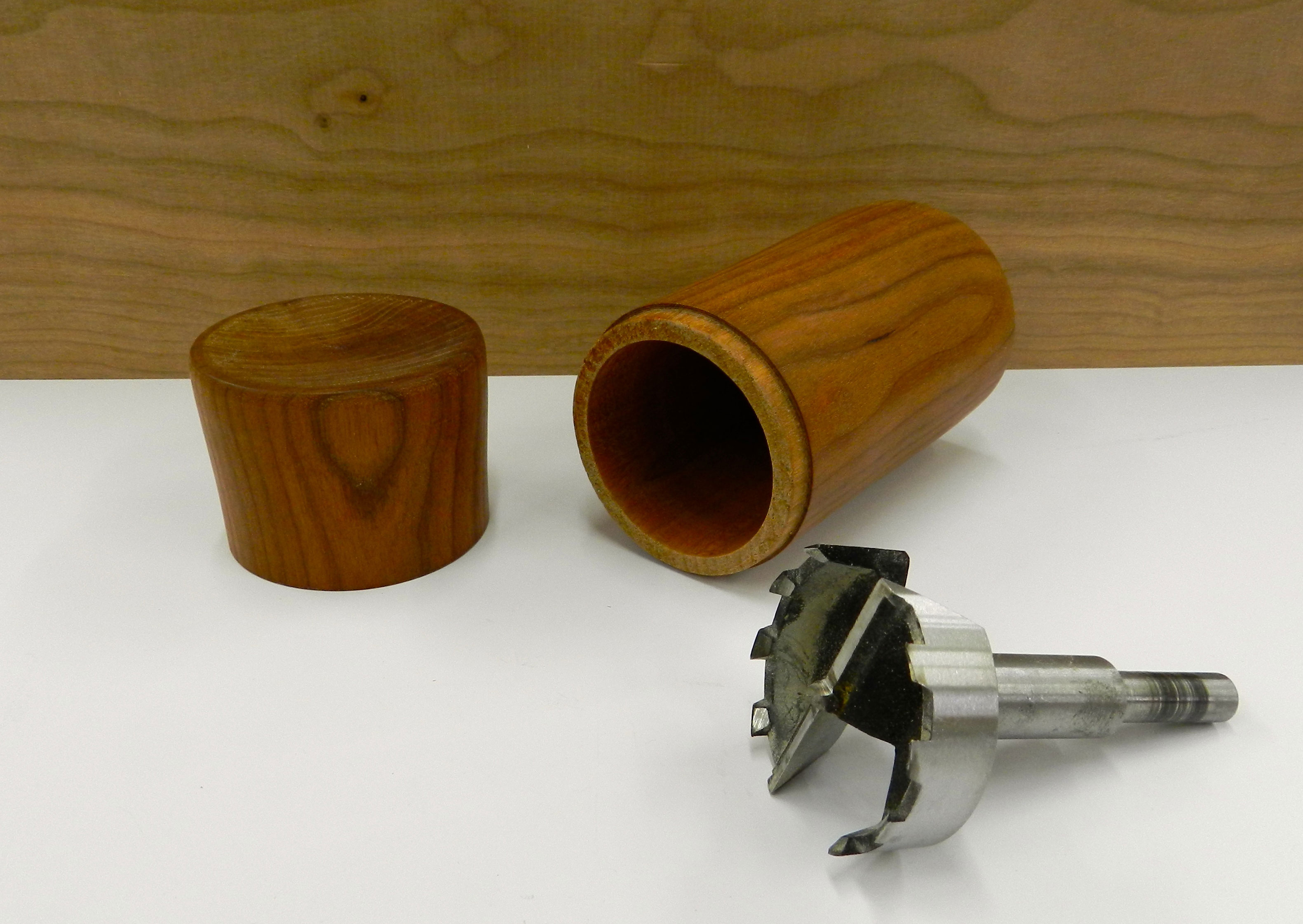
Working in the Round

Turned Box
Turned Box

This turned cherry box is a great way to start turning round boxes. The hollowing is done via a large Forstner bit. You can learn more about how to do this here.

A Great Box to Have Dinner With

Dovetailed Candle Box

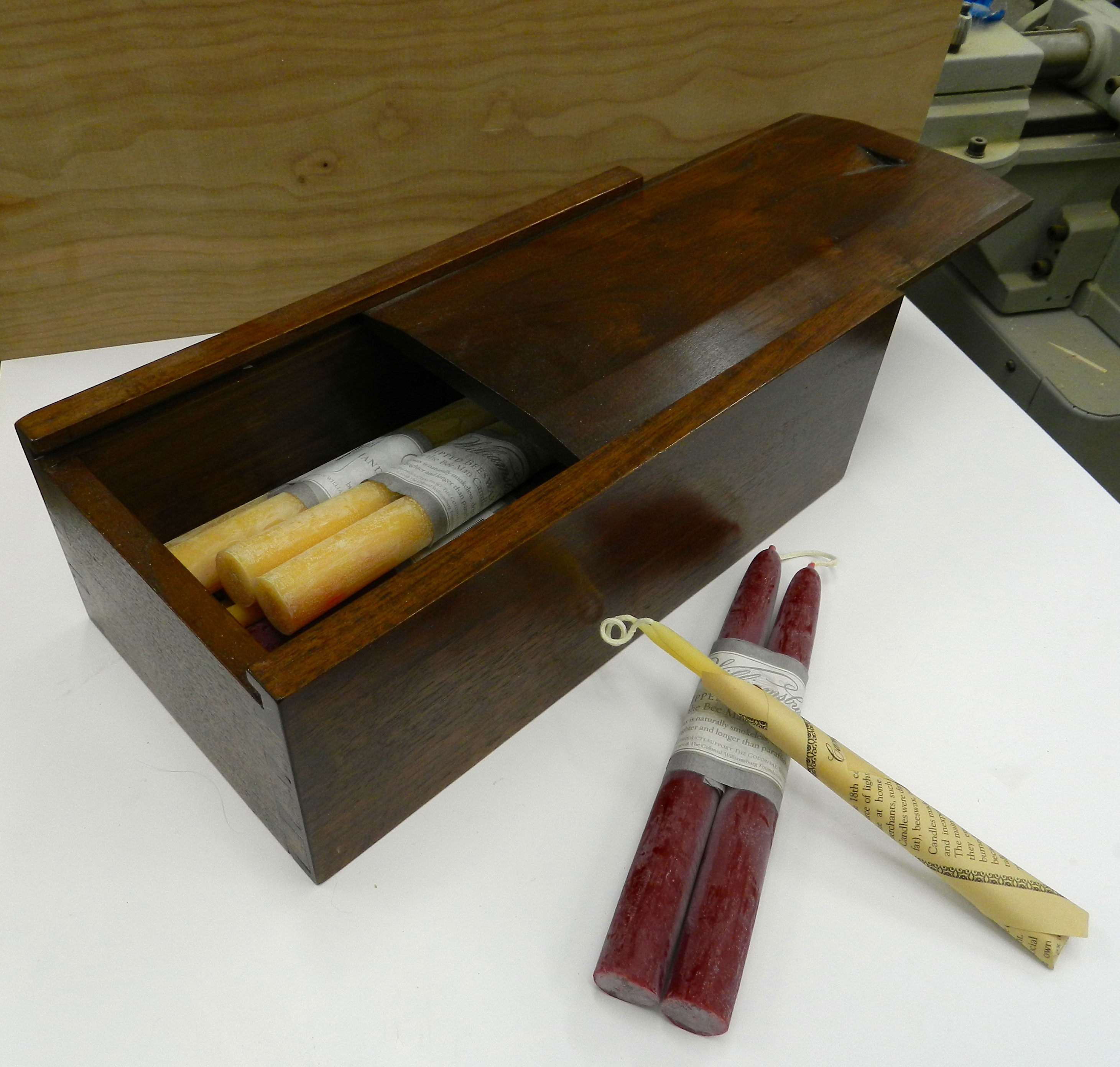
This walnut candle box was one of the first projects I built as a student at NBSS and we still use it today. I’ve seen similar boxes for sale at Colonial Williamsburg (Prentis Store) and various Shaker Villages, so even in our modern times there is apparently still some demand for candle boxes. Learn about some of the details you can apply to your own shop built version. You can read more about it here.

Take care,
-Bill

There’s a Better Way…

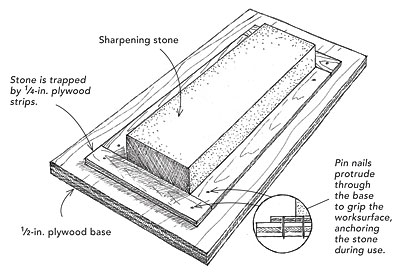
A tip I sent in to Fine Homebuilding was converted into a video clip as part of Chuck Miller’s “There’s a Better Way…” blog on FineHomebuilding.com

"There's a Better Way" To hold your sharpening stone on the job site
“There’s a Better Way” To hold your sharpening stone on the job site

You can watch the video for free here.

Self Anchoring Sharpening Stone Holder

You can also check out the original tip in an earlier post here.

Take care,
-Bill


Tage Frid — The Great Dane

Woodworking is a lifelong journey of discovery and rediscovery. Along the way you’ll meet a lot of great folks and interesting characters who are surprisingly willing to share advice and help you out. The craft has been passed down this way for millenia.

Everything Old is New Again

Modern woodworking media seems to go in cycles much like clothing styles or car designs. Right now it’s popular to study the early works of Moxon, Roubo and Nicholson etc., or prove you have the best router or table saw trick. Others are interested in espousing the mix of old and new tools and techniques which is not a new concept. Manual training programs like those at NBSS have been doing it for over 125 years and the Shakers before them etc.

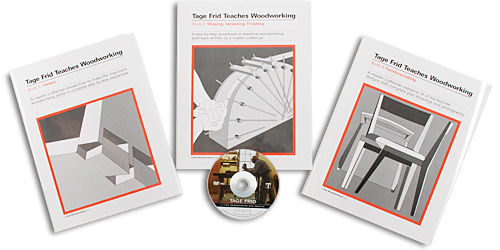
I want to buck the current trend and take a trip back to the 20th century. When I got started in traditional woodworking one of the first teachers I had was Tage Frid via theĀ  ‘Tage Frid Teaches Woodworking’ 3 volume set with its iconic white covers. I haven’t seen these books or Tage’s work come up much lately and thought it would be helpful to blow the dust off those books hopefully re-kindle some interest as I think they are a great resource.

Tage Frid

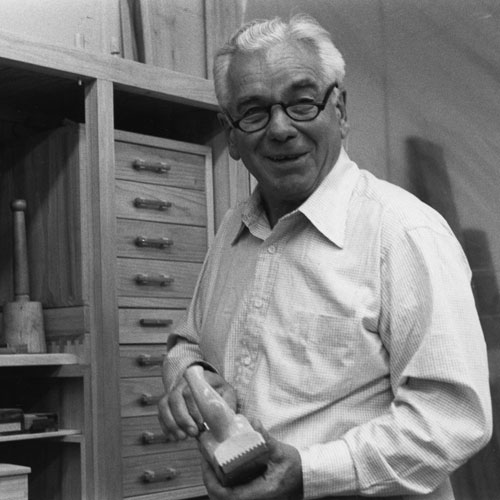
Tage (Pronounced ‘Tay’) taught me and countless other woodworkers the basics via his books and teaching.Ā  He grew up in Denmark and apprenticed as a cabinetmaker. His time as a journeyman took him to various other shops including the Royal Danish Cabinetmakers. In 1948, at the age of 33, the American Craft Council persuaded him to immigrate to New York and teach woodworking. Tage lead the woodworking program at the School for American Craftsman in Alfred NY which was later moved to the Rochester Institute for Technology. From 1962-1985 Tage was a professor of Woodworking and Furniture Design at RISD helping to propel that program to national prominence.

Tage Frid
Tage Frid

Also notable was Tage’s involvement with Fine Woodworking where he worked as an editor from it’s inception in 1975, through 171 issues until his passing in 2004. Described as having a sharp tongue and an ‘impish’ smile you can get a small taste it it through his writing and interviews which often have some memorable nuggets.

He could cut a dovetail while joking and flirting with the ladies. He referred to nails in furniture as ‘Swedish dowels.’ When critiquing a piece of work, which was nerve-wracking for students, the blow was slightly blunted by his sarcastic humor.Ā  Hank Gilpin recounts some memorable zingers:

“Oh, good curve. Too bad it’s the wrong one”
“Nice dovetails. What’d you use — a chainsaw?”
“Beautiful legs Henry. What were you thinking about — an elephant?”
And the classic: “Congratulations, you’ve just figured out the most complicated way to hold a board 30 inches off the floor.” [*]

The goal was not to put anyone down, it was to help each student stay humble and push him or herself to reach new heights in a fatherly kind of way. I had a similar experience during my own training and find myself rehashing some Frid one liners and Rich Friberg-isms in my own shop and classroom. Thankfully the flavor of sarcasm I learned from Rich is a little less harsh, but still fun.

Tage Frid Teaches Woodworking Boxed Set by The Taunton Press

Teaching

When asked about teaching repetitive topics Frid had the following to say:

Don’t you get bored demonstrating the same old dovetail?
“Maybe you left too early. I always demonstrate difficult joints and techniques depending on what the audience wants. The dovetail is just the overture. What I like about teaching is that I learn something new every day. A student asks me, ‘Why can’t I do it this way?’ and I think, ‘Why not?’ Then we figure it out.” — Tage Frid (excepted from an old interview in Fine Woodworking you can read here.)

Levity aside, Frid’s teachings focused on teaching solid joinery — form should follow function, wood has a beautify of its own that should be enhanced and not hidden and instilling an innate sense if proportion via a keen eye for detail.

“The best tool is the eye. Train the eye. The eye guides your hands to achieve the form. If the eye says ‘It’s right’, it is right” — Tage Frid [*]

With a solid grounding in the basics and exposure to a wide range of tools and techniques students are able to take on whatever challenge a project or shop can throw at them. During his lengthy career as a teacher, writer, editor and studio craftsman Frid helped teach several generations of woodworkers. You can see his work live on through his students and their students.

Tage Frid Stool
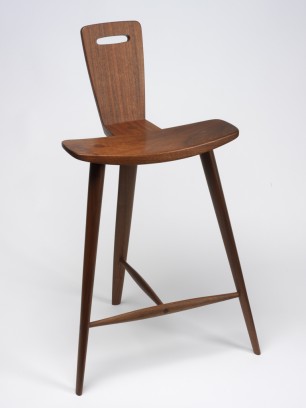
Tage Frid 3 Legged Stool

Design

Working in the Danish-modern style a lot of Frid’s pieces had a distinctive look compared to many of his American contemporaries. They were generally lighter looking with delicate lines and curves that celebrated the grain. The designs are especially interesting when you view them in the context of the time they were produced — the 1940s-1980s.Ā  Many of them were years ahead of what we think of as the the mainstream designs of the time .

For me, one of his most iconic pieces is the now famous 3 legged stool. If you read his 3rd book you’ll learn about how he came up with the design while watching a horse show and sitting on a fence. It was an interesting case study as he explains some of the revisions he went through to hone the design. These stools have been on my mental to-do list for about a decade now and I hope to eventually build some for myself.

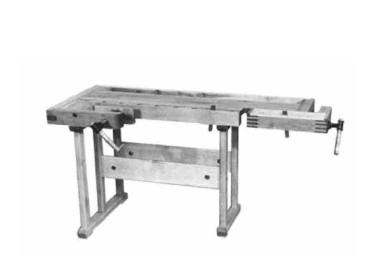
When he first arrived in the US in the 1940s there were no good places to get a solid workbench. As a result Frid had to design and build a bench for himself and for his classrooms.Ā  Based on a traditional continental design with a shoulder vise and a tail vise the bench below was well suited for a cabinet maker. Over the years many a student, both in person and via his writing, would build and use one of these benches or a similar variant.Ā  In some upcoming posts you’ll see me build a scaled up version for my own shop.

Tage Frid Workbench
Tage Frid Workbench

What’s with the book report on Tage Frid?

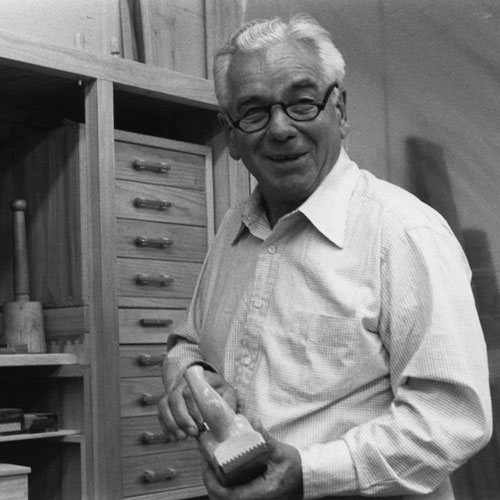
Tage Frid’s work has shaped several aspects of my woodworking, design and teaching and I had a laundry list of odds and ends I wanted to share with you here. I also have been working to finish off my Tage Frid inspired bench and wanted to set the stage for it.Ā  And lastly because once I saw it, I could not un-see it — my Dad (who was my first woodworking instructor) is a bit of a doppelganger for Tage Frid. (Check out the picture below and compare it to the first picture of Tage Frid in this post) They both have very similar body shapes, taste in glasses, hairline and half smiles. I can’t talk too much because I look a lot like my Dad, I’m just the taller model at 6′-2″, so I suspect there will be a similar picture of me someday in the shop.

William D. Rainford -- My Dad -- And Tage Frid Lookalike
William D. Rainford — My Dad — And Tage Frid Lookalike

If you are interested to learn more about Tage Frid please check out the links below, it’s worth the time.

Other Tage Frid Resources:

Time to get back out into the shop — it’s cold outside.

Take care,
-Bill

P.S. I never got to meet Tage Frid in person, he passed away while I was living out in Seattle but I would have loved to meet him. If anyone knew him personally I’d be curious to know a few things I haven’t been able to find online:

  • What happened to his shop, bench and tools? Are they in a museum somewhere? Did they go to his grandson?
  • Anyone have a picture of him in the classroom near the iconic benches he used to build?

A Few Good Carpenters

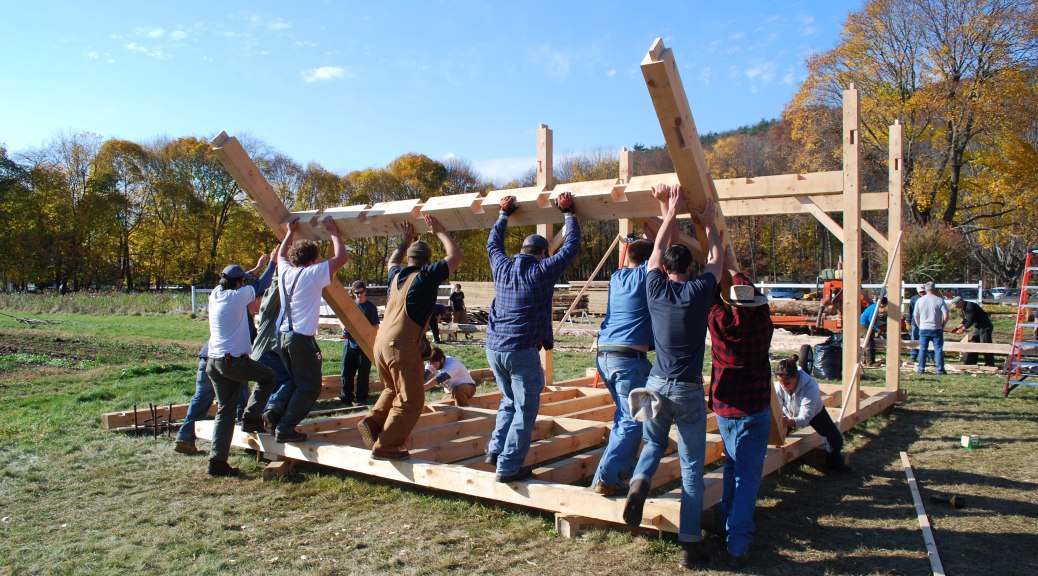
A good carpenter can be hard to find. Many of us like to think that in earlier times there were was an abundance of exceptional carpenters, but this sort of lament is not a new phenomenon. Check out the interesting except below from the 1850s:

“The Author’s Experience.

These facts and reflections have been impressing themselves upon the mind of the Author of this work for twenty years past, while he has been serving the Public as a practical carpenter. During much of this time it has been his fortune to have large jobs on hand, employing many journeymen mechanics, who claimed to understand their trade, and demanded full wages. But it has been one of the most serious and oppressive of his cares, that these journeymen knew so little of their business.

Few Good Carpenters

They had, by habit, acquired the use of tools, and could perform a job of work after it had been laid out for them; but not more than one man in ten could himself lay out a frame readily and correctly.

Why Apprentices do not Learn

Now, it is not commonly because apprentices are unwilling to learn, or incapable of learning, that this is so, but it is because they have not the adequate instruction to enable them to become master-workmen.”

— William E. Bell ‘Carpentry Made Easy: The Science and Art of Framing’ (1858)

I think Bell’s comments ring as true today as they did when he wrote the above in 1858. I won’t focus on the lazy workmen uninterested in learning, but I will focus on those who want to keep learning new skills. As with many of life’s pursuits, you’ll get out of it what you put into it, and there is much to be learned if you know where to look.

Finding a good carpenter

Most of the best carpenters and woodworkers I know get the majority of their work via word of mouth and are booking months out at a time andĀ  thus don’t have to invest much in marketing. If you’re looking to find one of the ‘few good carpenters’, ask around at a local woodworking school, shop, guild, club or friends and family for referrals and interview your next carpenter.

Learning More

One of the best ways to learn a woodworking skill is to take a class or workshop.

I have a few upcoming workshops this spring at the North Bennet Street School (details below) and there are some seats available if you are interested in joining me.

Molding planes
Molding planes

Making Traditional Moldings Using Hand PlanesĀ @ The North Bennet Street School

Saturday, April 12 – Sunday April 13 2014

8:30 AM – 4:30 PM Register

Instructor: Bill Rainford
$365

Learn to use traditional molding and joinery planes to produce beautiful traditional molding profiles. Learn the basics of tuning and using these planes. Build a basic sticking board, used to hold the moldings you are making. Layout and execute historic profiles. We discuss the history of traditional moldings, examine planes/profiles students bring (optional) and, if there is time, an introduction to carved moldings.

Shutters Workshop
Shutters Workshop

Introduction To Shutters @ The North Bennet Street School

Saturday, March 15 – Sunday March 16, 2014

8:30 AM – 4:30 PM Register

Instructor: Bill Rainford
$365

Learn about traditional wooden shutters in this two-day workshop. Using traditional joinery, students build a sample shutter and learn the skills needed to layout and build shutters for custom projects. Discussion includes interior and exterior uses, fielded panels and louvered styles. Students should be able to plane and square up a board by hand and have some experience laying out and cutting traditional mortise-and-tenon joinery by hand. Some experience with tuned hand tools and power tools is required.
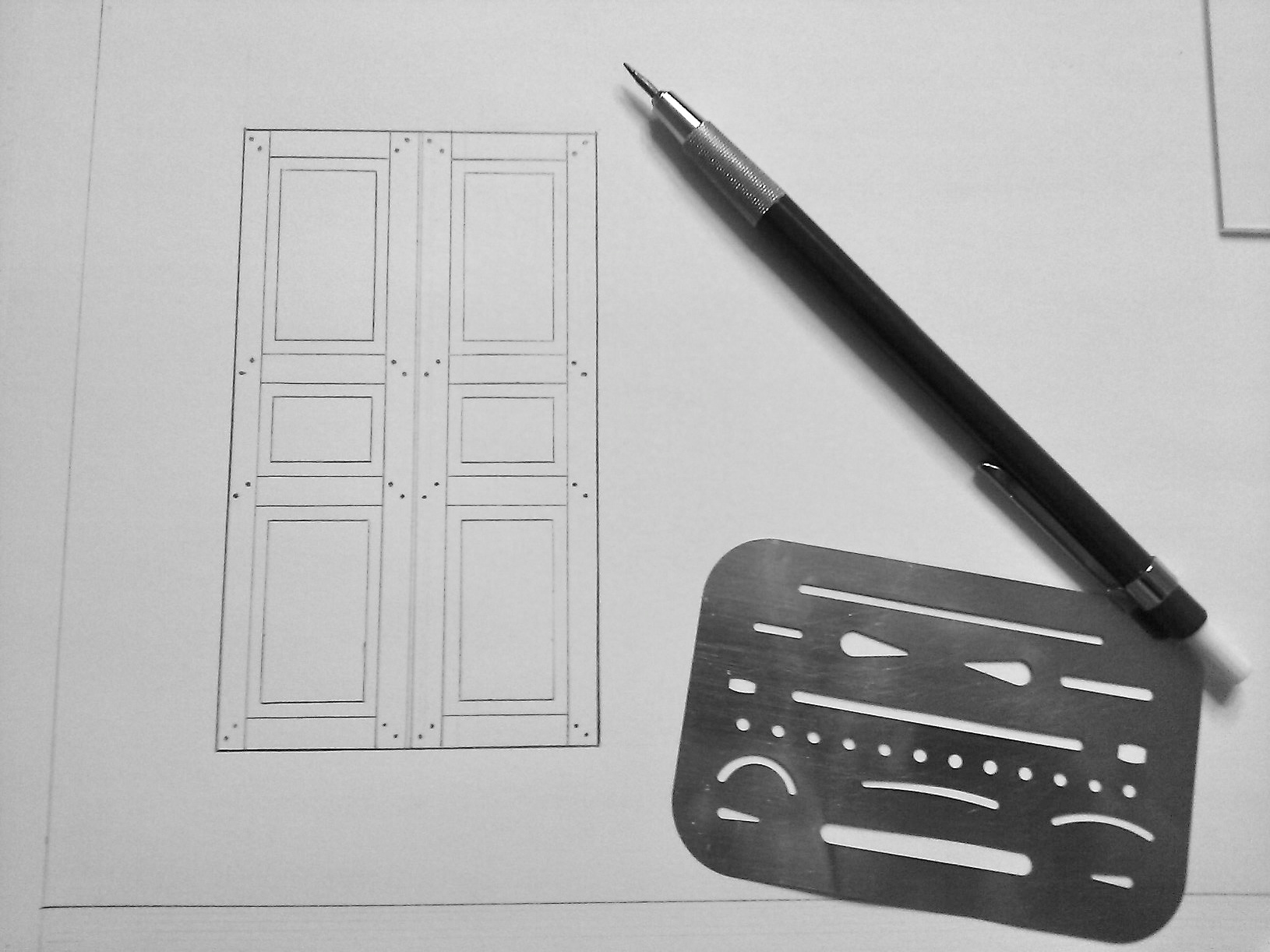
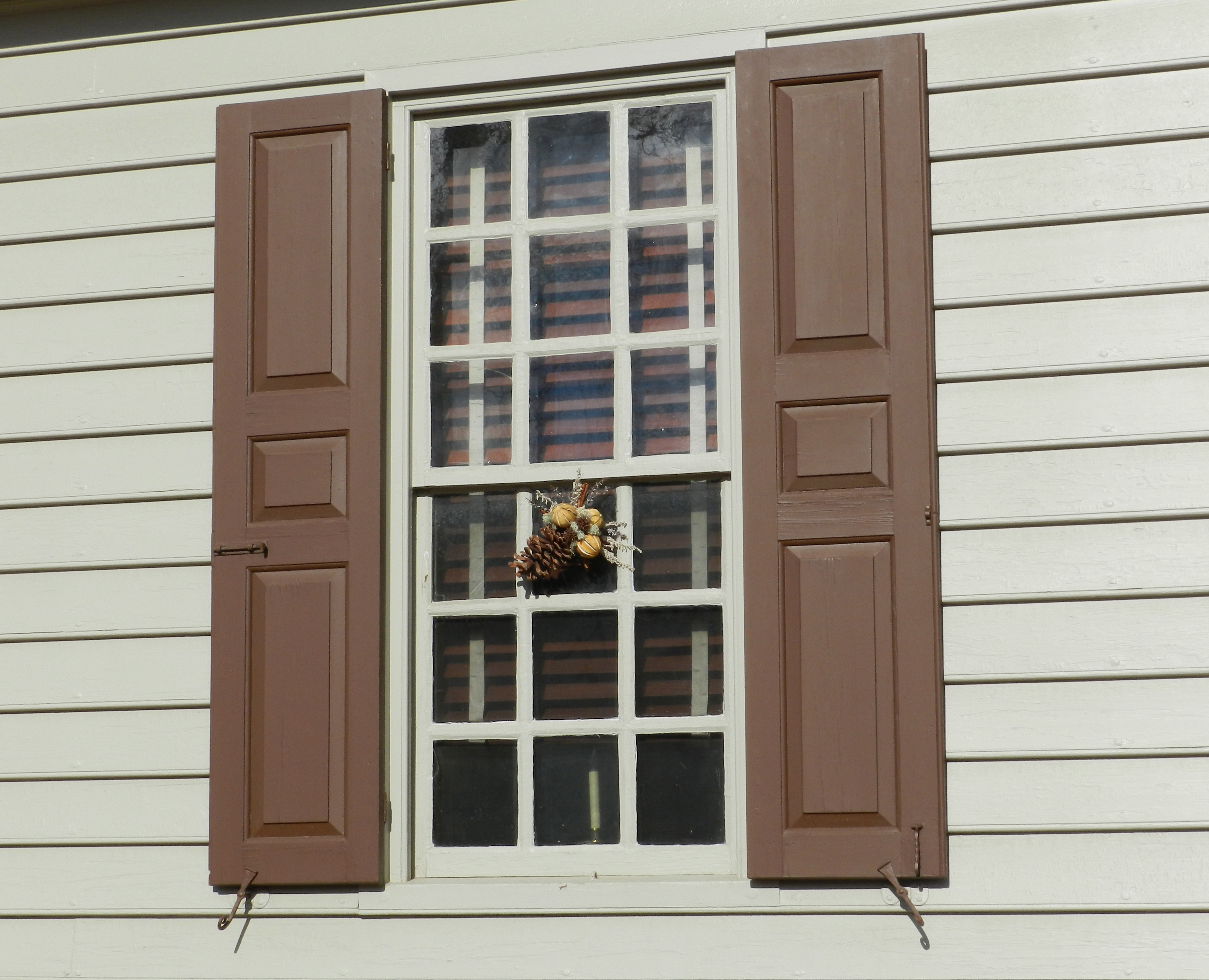
Traditional Shutters


If the above does not appeal to you, there are several schools around the country that teach solid woodworking and carpentry skills. I encourage your to explore classes at any of these schools: The North Bennet Street School in Boston, The College of the Redwoods in California, The Heartwood School, The Shelter Institute in Maine, Philadelphia Furniture Workshop, The Kelly Mehler School of Woodworking, Phil Lowe’s Furniture Institute of Massachusetts,Ā  Connecticut Valley School of Woodworking, and Roy Underhill’s The Woodwright’s School

If you’re not able to make it to one of the above schools there are scores of books that can help you along your woodworking journey. I think every carpenter would benefit from reading all 4 volumes of Audel’s Carpenter’s Guide, Tage Frid Teaches Woodworking Vol 1-3, Bell’s Carpentry Made Easy: The Science and Art of Framing, and Get Your House Right.

Woodworking is a life long journey and I hope that you will continue pursuing new aspects of the craft.

Take care,
-Bill