The Other Kind of Plumbing

Most of the time when I am plumbing something it means I am checking to make sure it is ‘plumb’ or straight up and down. This week I had to take care of the other kind of plumbing — the kind that involves water, pipes, fixtures, wrenches and the occasional bout of cursing.

As a preservation carpenter, handy-man or DIY-er having a little exposure to plumbing is a valuable skill. You never know when you’ll have to shut off a supply line, change a fixture or repair the work of overly aggressive plumbers that have hacked away at timber framed elements which do not handle the same way as modern stick frame construction.

In my adventures this week I had to take care of a plumbing issue at my own home. We’re lucky enough to live in a colonial home that was well built and only 12 years old. Unfortunately up here in NH the water is very acidic and on my street we have pretty high water pressure, both of which are tough on plumbing fixtures. The bathroom is pretty plain vanilla — nothing too fancy, but the builder picked all name brand fixtures etc — in this case Moen. We’re expecting our first child in August so while my wife and I would rather I get rid of the fiberglass jetted tub for something fancier with a tile surround the baby is fast approaching and I need to build a crib so we agreed on a modest refresh and making sure we have a nice complete and working bathroom ready for the arrival.

Here is what I was starting with — a plain chrome Moen ‘Legend’ Posi-Temp fixture and simple shower head:
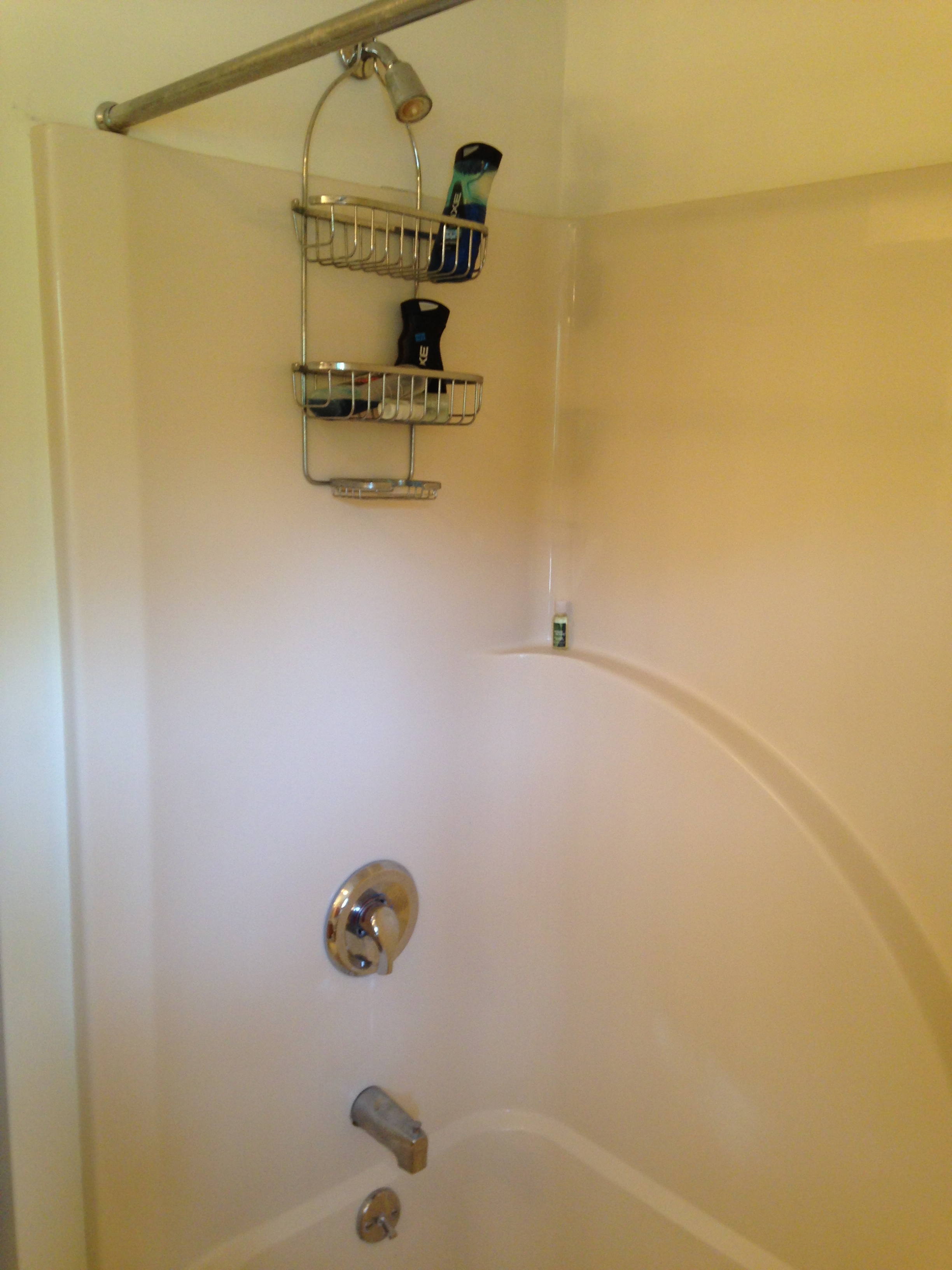
The Before Photo (Circa 2000 fixtures as that is when the house was built)

This tub had two problems:

  1. The downspout when used in shower mode would leak into the wall and water and the can lights on the lower level do not mix well.
  2. The valve was not mixing hot and cold well and unless you like cold and colder showers something needed to be done — and fast

I figured, no sweat I can change the cartridge — it’s a Moen after all I should be able to get parts at my local store and this will be a quick job. On closer inspection of the handle I came to find out the set screw in the handle had fused on. After trying every penetrating oil, WD40, heat gun, allen key and torx bit I could find I decided to drill out that set screw which made the handle and the piece it connected to useless. During this time I also noticed whomever installed the backing plate had tightened it on so tight it was deforming the metal and just about ready to rip through.

OK, if the tub spout leaks, the handle is shot and the cartridge is not working, I might as well buy a full new trim kit and a cartridge….

After getting the trim removed the valve looked fine the surround cleaned up easily and now it was time to examine that downspout. It was a slip-on compression fitting — the spout slips on 1/2″ copper tubing, has a couple of rubber washers to keep water from getting into the wall and is secured with a set screw from below. When I got it off I noticed that half the washer was stuck up in the front where the water should come out, the other was missing and there was a bunch of calking around the pipe at the wall opening. Without that washer holding back the water it made sense why water might be shooting back towards the wall and some dripping through. (Thankfully nobody seemed to use this bathroom much — there are others in the house — so there was virtually no interior wall damage)
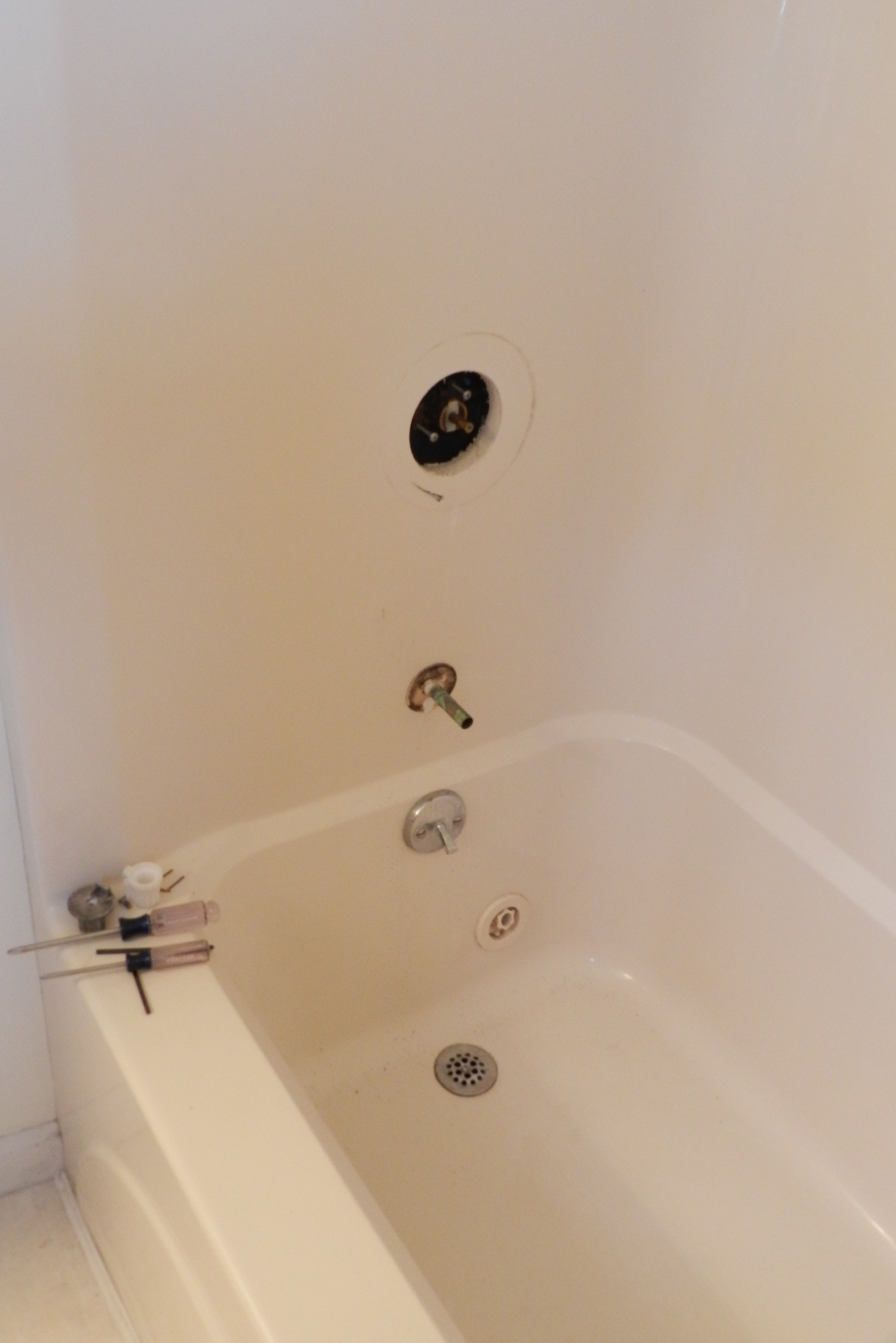
Old fixtures removed

So a quick search on Google and I found a replacement trim kit at Lowe’s that should have a compression fitting downspout, a nice new look, fancier handle and shower head. And the replacement Posi-Temp cartridge was another $39.  I got to the store and they told me they don’t stock the trim kits anymore (Even though the website said they should have 2 in stock). The in-store computer said all the stores in the area no longer stocked it as well. So now I had to buy the full kit which meant wasting an extra $20 on a rough in valve I’ll never use — but at least I now have a trim kit and cartridge in hand. Back at home again I used a dedicated Moen Posi-Temp cartridge extraction tool. This $12 tool works a bit like a steering wheel puller.

Moen cartridge extractor in use

Note which side of the cartridge is labeled ‘Hot’, then line up the jaws with the cartridge, tighten down the screw that goes through the body of the cartridge and then turn the big nut while holding the handle and the tool extracts the cartridge without damaging the valve body or the pipes.
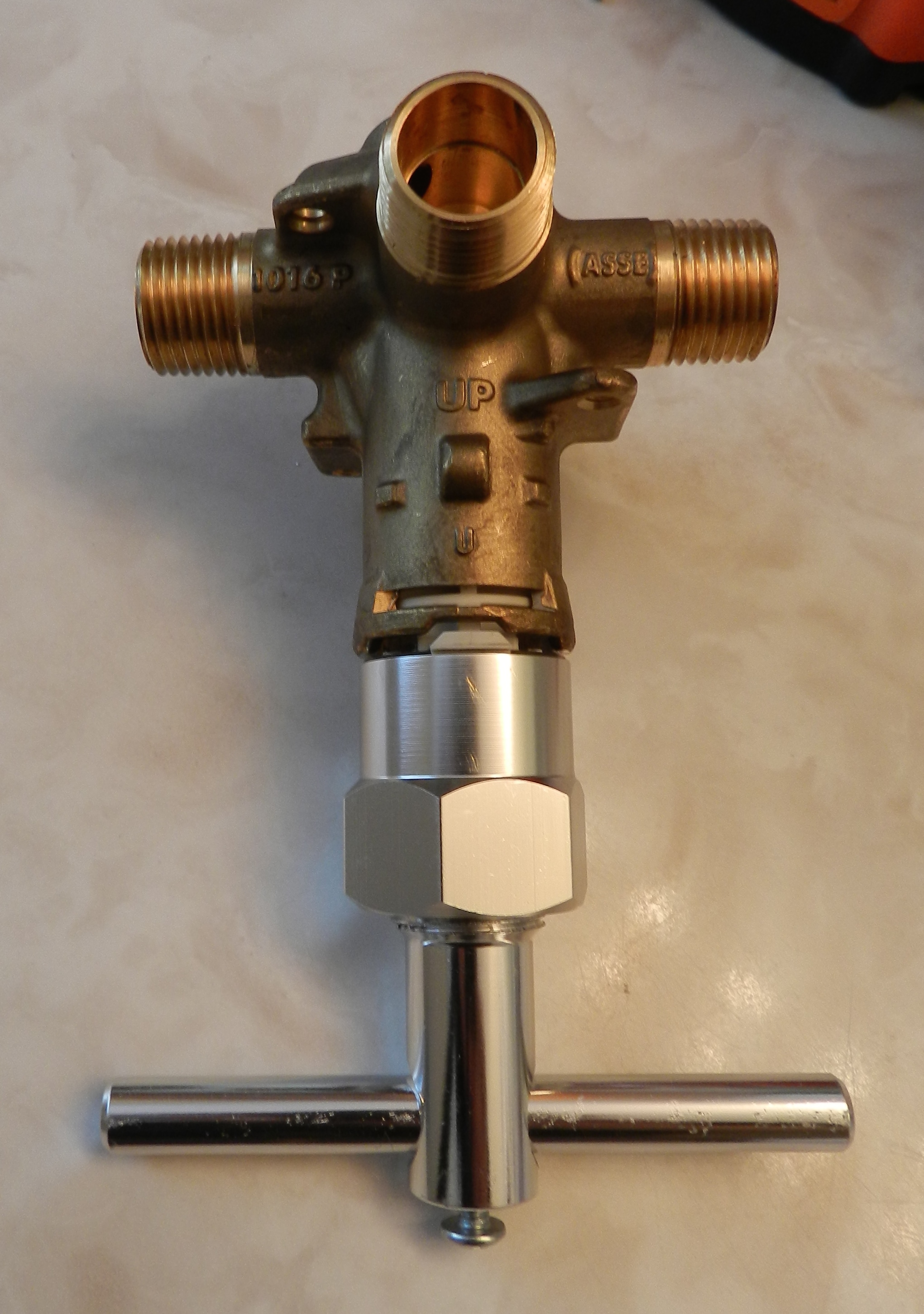
Cartridge extraction tool on a sample valve body

With the old cartridge out I could see all the mineral deposits etc. With no cartridge in the valve body put your finger in there to make sure there is no other debris or damage.
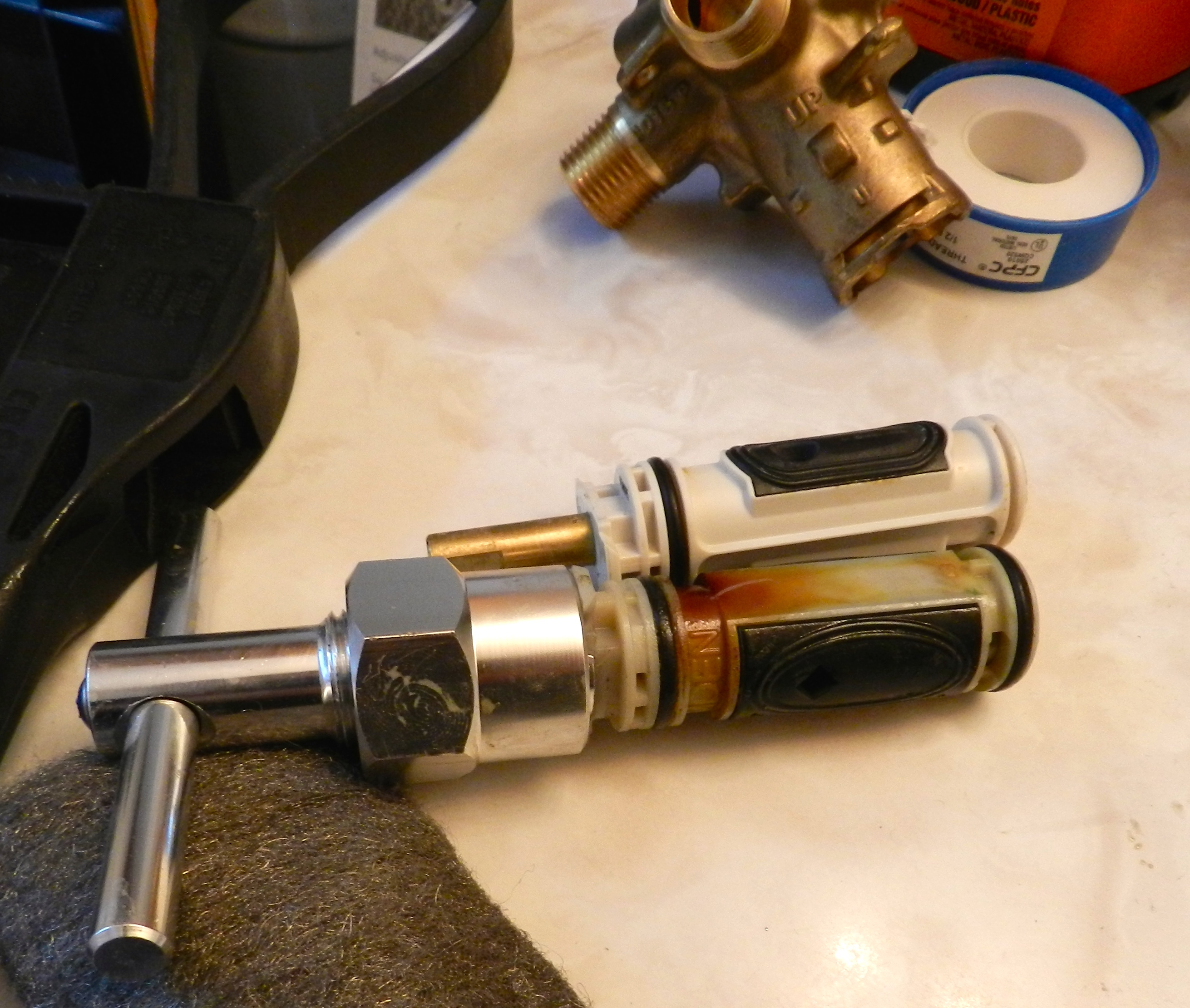
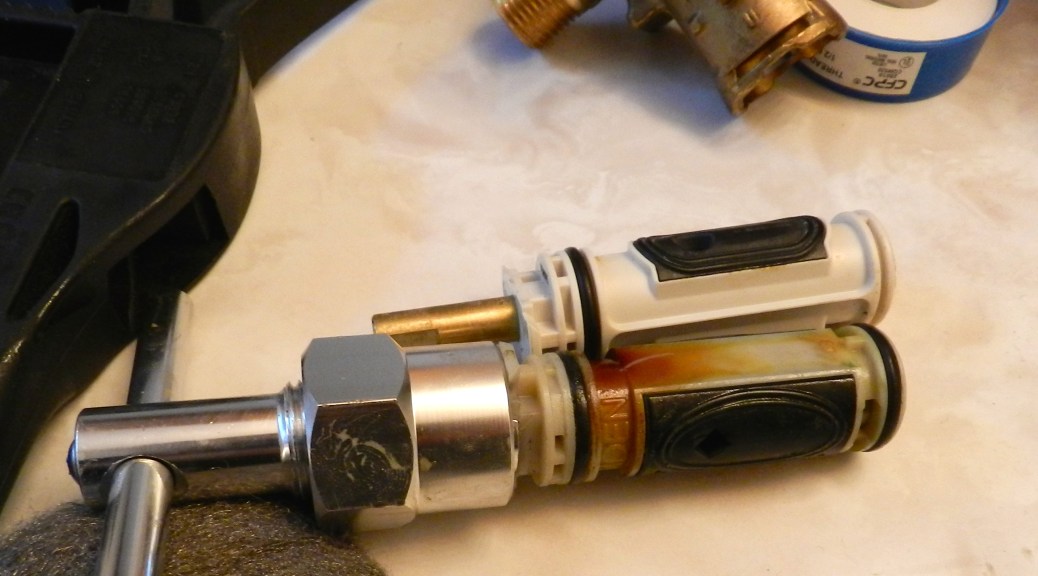
Old cartridge (near) and the new cartridge (far)

Install the new cartridge using hand pressure on the white plastic body — do not press on the brass stem as this can damage your cartridge. With the cartridge fully seated (and HC in the same orientation) I replaced the safety pin.
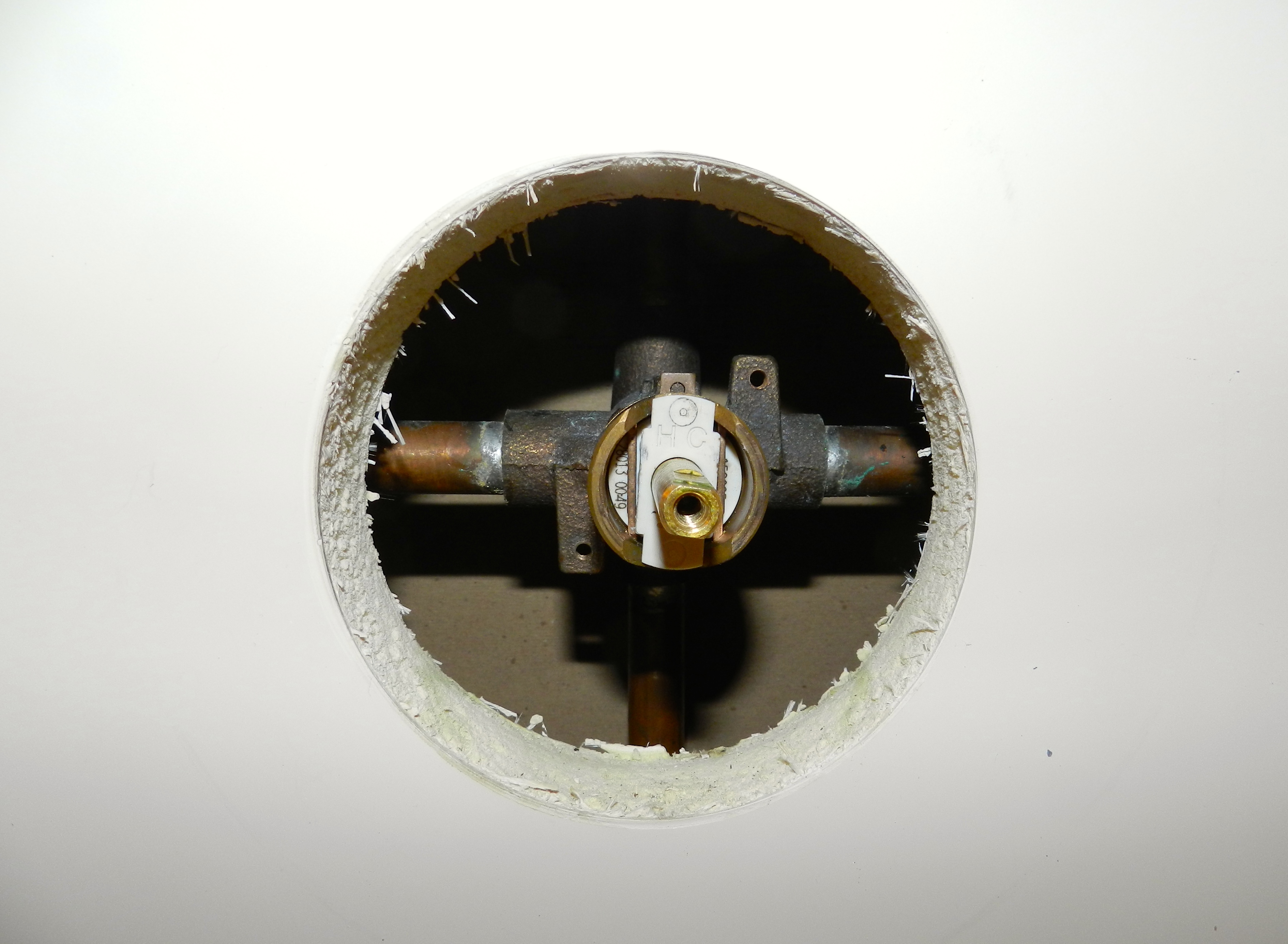
Replaced cartridge ready to go

I could now re-install the trim around the valve and the new knob. Installation was the reverse of removal.

Here’s a link to a great You-Tube video walking you through this process:

Now on to the tub spout….

I opened the box and was examining the nice looking metal tub spout when I realized it was a screw on fitting which requires a longer pipe with a threaded end. WTF?!  I figured this must be a mistake and I just had to exchange it. Back to the store with that part in hand the clerk told me that Moen came up with new numbering for their products and that both models are thread-on only. (The instructions in the box shows both screw on and compression spouts were made) A change like that is information that maybe they should put on the box and the website — but I guess I am old-fashioned that way — I expected the box to accurately tell me what was inside of it. They couldn’t order a kit with the compression spout fitting but they could order me a separate ‘genuine Moen’  slip-on downspout for $40 (which would be metal looking plastic and not matching the style of the kit they already sold me)  or they could sell me a POS plastic generic model. Judging by the fact that I could see about 6 of these generic compression fittings that were clearly returned and taped back together I could tell buying one would not be a good idea…
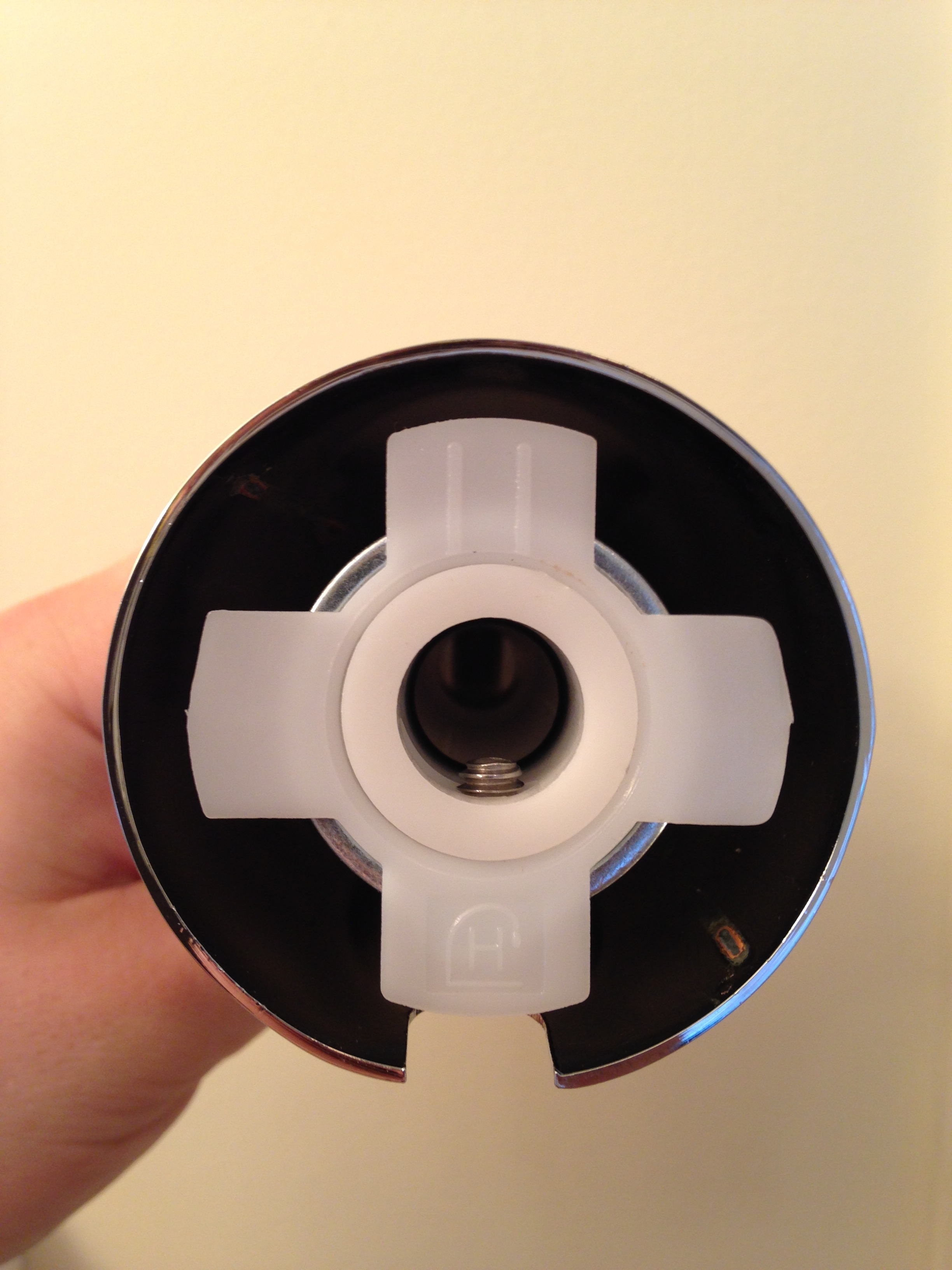
Interior of a compression downspout
Interior of a generic compression downspout

So I bought a 5′ piece of 1/2″ copper pipe — from which I only needed about 1.5″, a coupling,  a male threaded nipple, solder and flux. I followed the directions for pipe length and soldered on the nipple. A nice video clip from TOH on soldering can be viewed here. Now time to screw on the spout — 2.5 revolutions and it won’t go on any tighter and its still 3/16″ from the wall and not water tight.  At this point I was really not happy.  I took the spout off and could see that it was poorly milled. It had some slag in it that it embedded into the new copper thread. That slag would not melt with the propane torch and I could not pop it out so I had to file it out with some needle files being real careful not to damage the nipple. I tried re-installing it and it didn’t go any further.

As they say ‘it’s not a proper plumbing project unless you’ve been to the store five times‘…

Back at the store yet again, I exchanged the spout for another of the same model. In the plumbing department the clerk from the first visit said she found the trim kit that she insisted was no longer stocked —  (it was threaded spout only so still not all that useful to me) — and only a day late on finding that part…

On my way home I stopped at Home Depot and they had the same story about slip on tub spouts. In the plumbing aisle I found they did stock a Sioux Chief Smart Spout (which is a much nicer/heavier made, metal slip on/compression spout that has a patented mechanism that keeps it pressed tightly up against the wall, is made in the USA and seemed to have very good reviews online for that sort of fitting. If you decide to go the compression route I would suggest checking one of these spouts out here.) If you do find a slip-on spout you like here is a nice video on how you’d go about installing it:

In talking to the clerk at Home Depot he mentioned that they recently got a batch of bad copper nipples that looked fine visually but were defective and had to be sent back, so I figured I might as well try a nipple from Home Depot before giving up and using the Sioux Chief Smart Spout. I know my wife would not be happy if the spout didn’t exactly match the the faucet set….

 

"Propane and propane accessories" -- Hank Hill would be proud
“Propane and propane accessories” — Hank Hill would be proud

I fired up the propane torch, removed the previous day’s extension and nipple and installed the second attempt. The second Moen tub spout threading looked marginally better and I was holding my breath when I put the spout on. Thankfully the test fitting worked great. I took it off, added teflon tape to the threaded nipple, installed the spout and tested it under pressure — it works great and does not leak at all. We’re now back to having a working tub and shower etc. I also installed a curved Moen shower curtain rod that gives you a few extra inches of space in the shower — it screws into the wall as opposed to the old rods that were a friction fit and was a nice upgrade.

You can see the final result here:
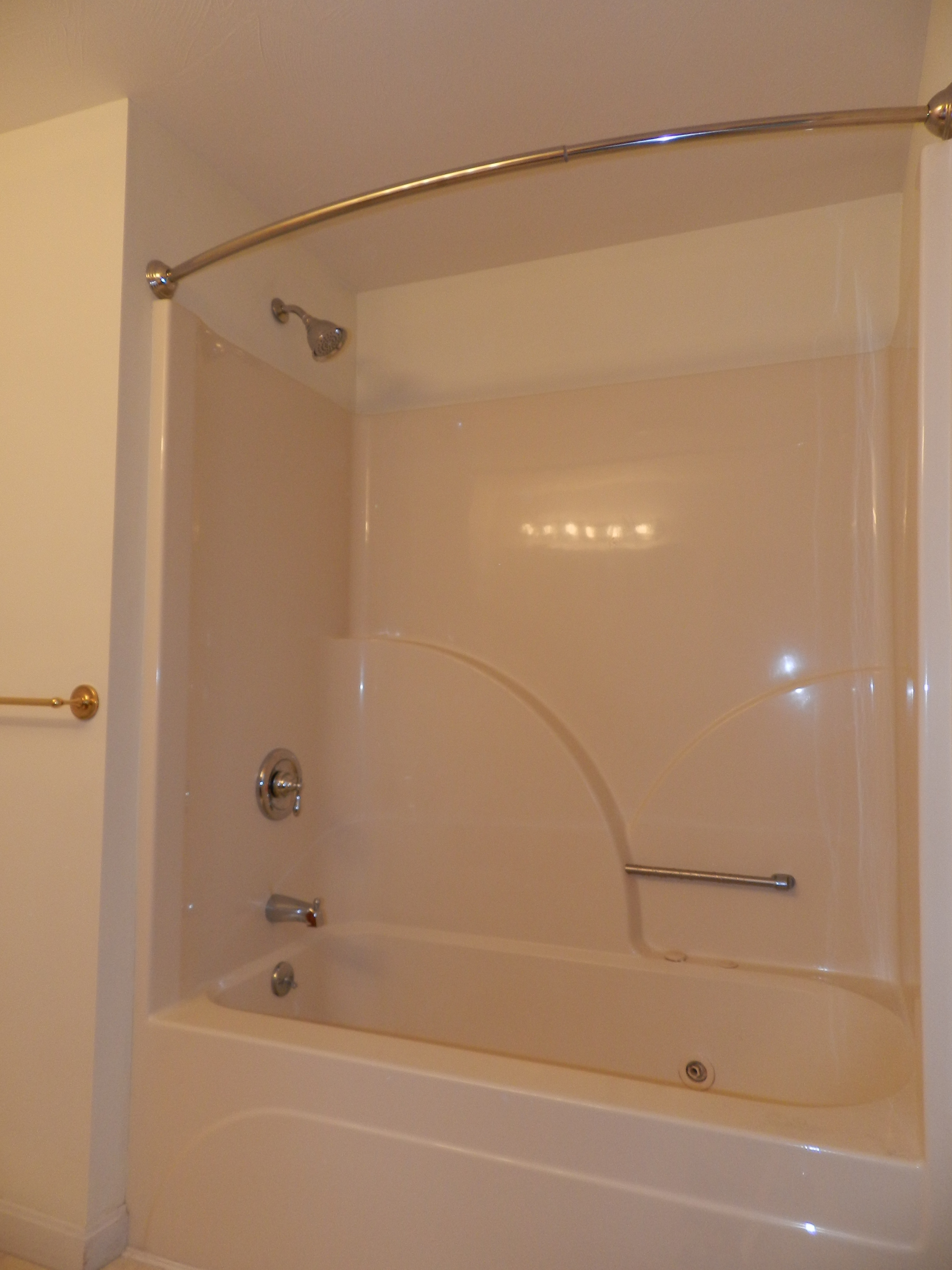
Newly refreshed bathroom

What are the lessons from this marathon blog post?

  • Plumbing is certainly a task you can tackle yourself, but you need to be patient and have the right tools for the job — don’t be afraid to look online or talk to others
  • Make sure you know what type of tub spout you have as the websites are often not clear on what will be in the box
  • Soldering copper tubing with a propane torch is something just about anyone can quickly learn to do
  • Stay away from generic fixtures. Stick with bigger brand names like Moen, Kohler, Grohe, Pfister, American Standard, Delta etc as they are more likely to be around and have parts. (If I were building from scratch I’d go with a Kohler or Grohe fixture with a ceramic cartridge over the plastic cartridge in the Moen Posi-Temp line, but for the price it is a reasonably nice faucet)
  • Make sure you use teflon tape and/or pipe dope on threaded fittings
  • Don’t be afraid to try new things and learn new skills

With all the attention the shower was getting the toilet got jealous and decided to have an issue of its own. If folks are not too turned off by this brief departure into plumbing I’ll make a shorter post on refreshing toilet hardware as well.

Take care,
-Bill

P.S. For plumbing, as we do in woodworking, make sure you follow any instructions, local building codes and use common sense. (Disclaimer)
P.P.S. The Sioux Chief Smart Spout went back to the store today unopened — so if anyone out there gets one and tries it out, I’ll be curious to hear what you think of it.


Tools for the New Frontier: 1790 to 1840 — EAIA Annual Meeting 2014

Fort Pitt Canon
Fort Pitt Canon

Things have been quiet on the blog front the past few weeks. Some folks wondered if I was kidnapped or worse. Thankfully I am safe and sound, though exhausted. I’ve been working 12+ hour days for the last three weeks straight at the day job. My volunteer night job has been developing a new website for the Early American Industries Association which is one of the oldest and most prolific groups of its kind. Any spare moments beyond that have been spent in the shop or preparing the baby’s room.

I’m proud to say that the new EAIA website has been online for a few weeks now and you can check it out here. It offers a new more modern feel and is built on the WordPress platform. My hope is that we can get more folks involved — especially the next generation of tool and early industry aficionados.  If you have an interest in blogging or would like to share some related content with the group (even if you are not a member) please contact me here.

If you are not already a member I highly recommend checking out this great organization. The two major publications — The Chronicle and Shavings alone are worth the cost of membership. You can find many other like minded folks who are into traditional hand tools, techniques and the study of industries that helped shape America.

The EAIA is also known for it’s Annual Meeting and regional meetings. They are a great opportunity to visit new areas and museums, get a behind the scenes look at a given venue and socialize/network with like-minded friends. You can see some highlights of last year’s meeting in my earlier blog posts here.

This year’s meeting theme is ‘Tools for the New Frontier: 1790 to 1840’ and will be this coming week in Pittsburgh PA. Highlights will include visiting the Heinz Center, Old Economy Village, the Fort Pitt Museum along with the usual EAIA events of the tool swap, tool auction, whatsits? and many mixer events. If you are interested you can learn more here.

I look forward to seeing many of you at the conference.

Take care,
-Bill

P.S. I’ve been busy working out in the workshop and after the conference will be posting some updates on what I’ve been up to. Stay tuned.

The Early Bird Doesn’t Always Get The Worm…

Every year the tool show gets earlier and earlier. I’m referring to the semi-annual ‘Live Free or Die Tool Show and Auction’ in Nashua New Hampshire which occurs every April and September. On Friday and Saturday the highlight for most folks is normally the tool auction at the Nashua Holiday Inn. Outside in the parking lot vendors setup to sell or swap tools — many fresh from the auction. That is where I spend my time and money — I’m into nice user tools.

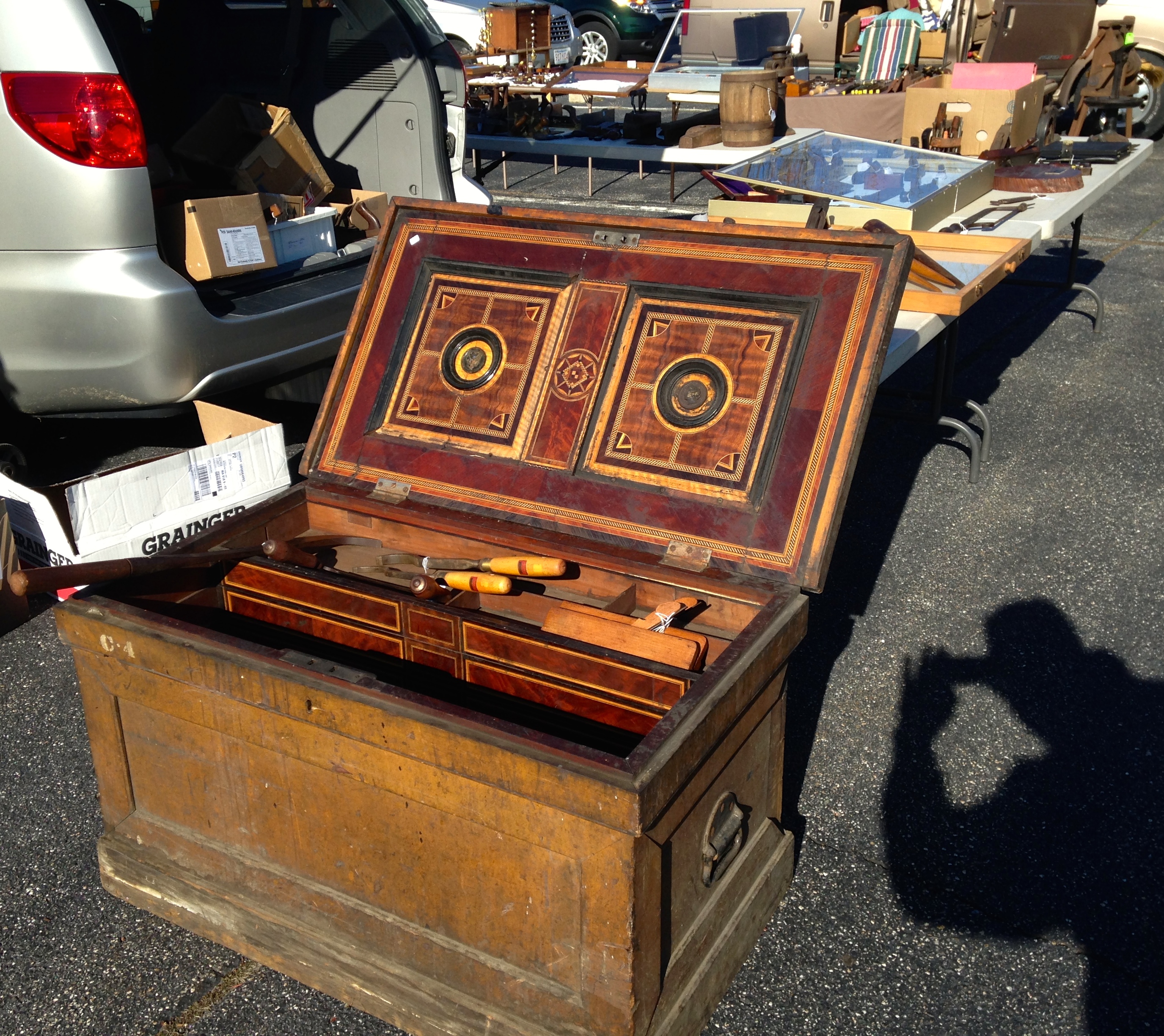
Nice inlaid tool chest

Folks would get there earlier and earlier on Friday. Vendors started getting there on Thursday to be ready. Eventually those folks figured — well if I am already at the hotel on Thursday I might as well setup and sell what I can. This process repeated itself and now some folks are dealing tools on Wednesday afternoon.

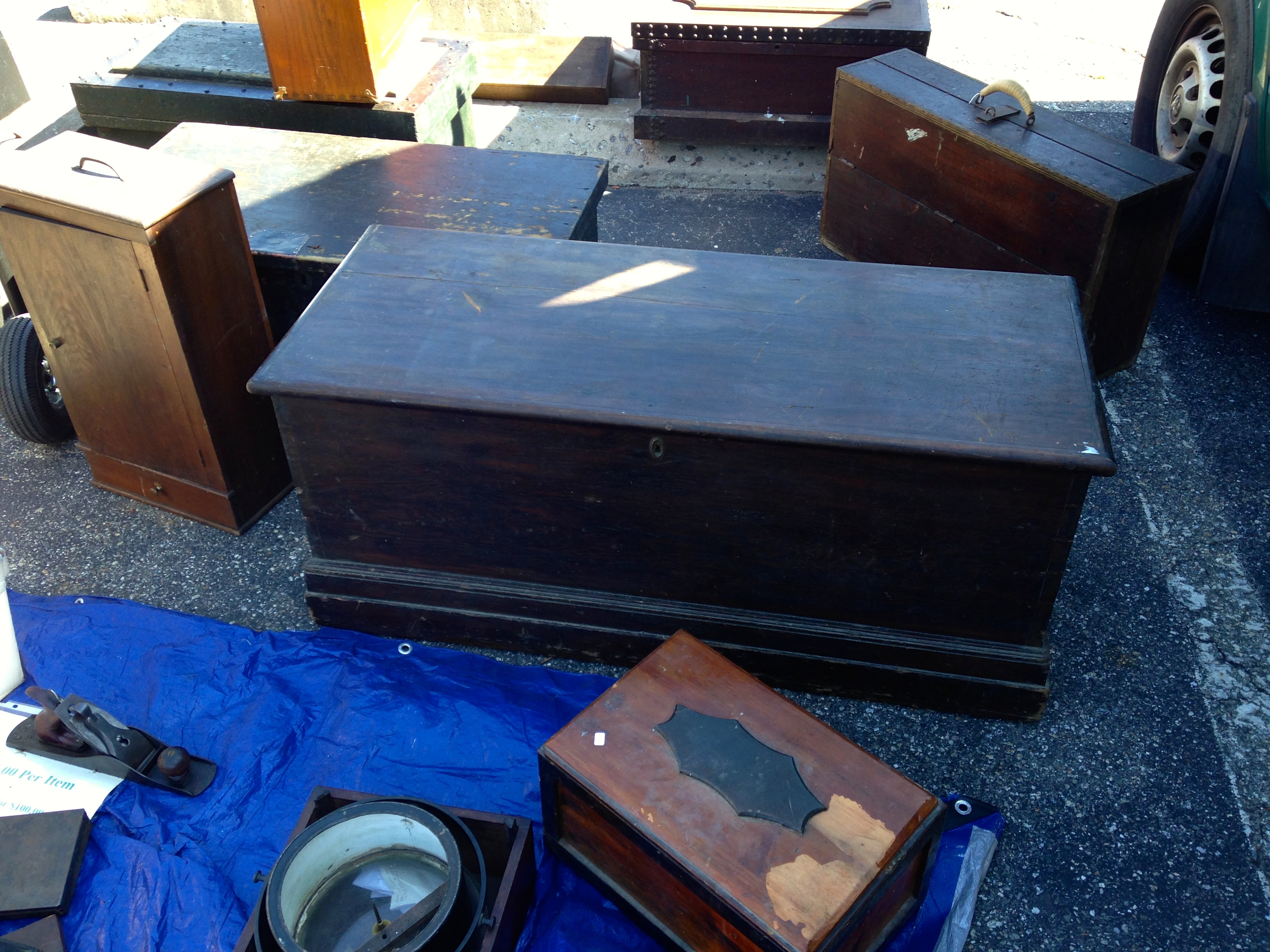
Nice selection of sea chests, cabinets and small chests

This year I went on Thursday morning again and about 80% of the usual vendors I like to buy from were there and I figured I’d have an edge in getting whatever tool I was hunting for or whatever new treasure I didn’t know I needed until I saw it. Unfortunately the early bird did not get the worm this year — I only bought a couple of small items and only saw a few friends from NBSS. Normally the tool show is one of my favorite days of the years but the meager haul left me wanting more —  so I decided to go on Friday morning to see a lot of my friends from NBSS and meet some more of the new students.

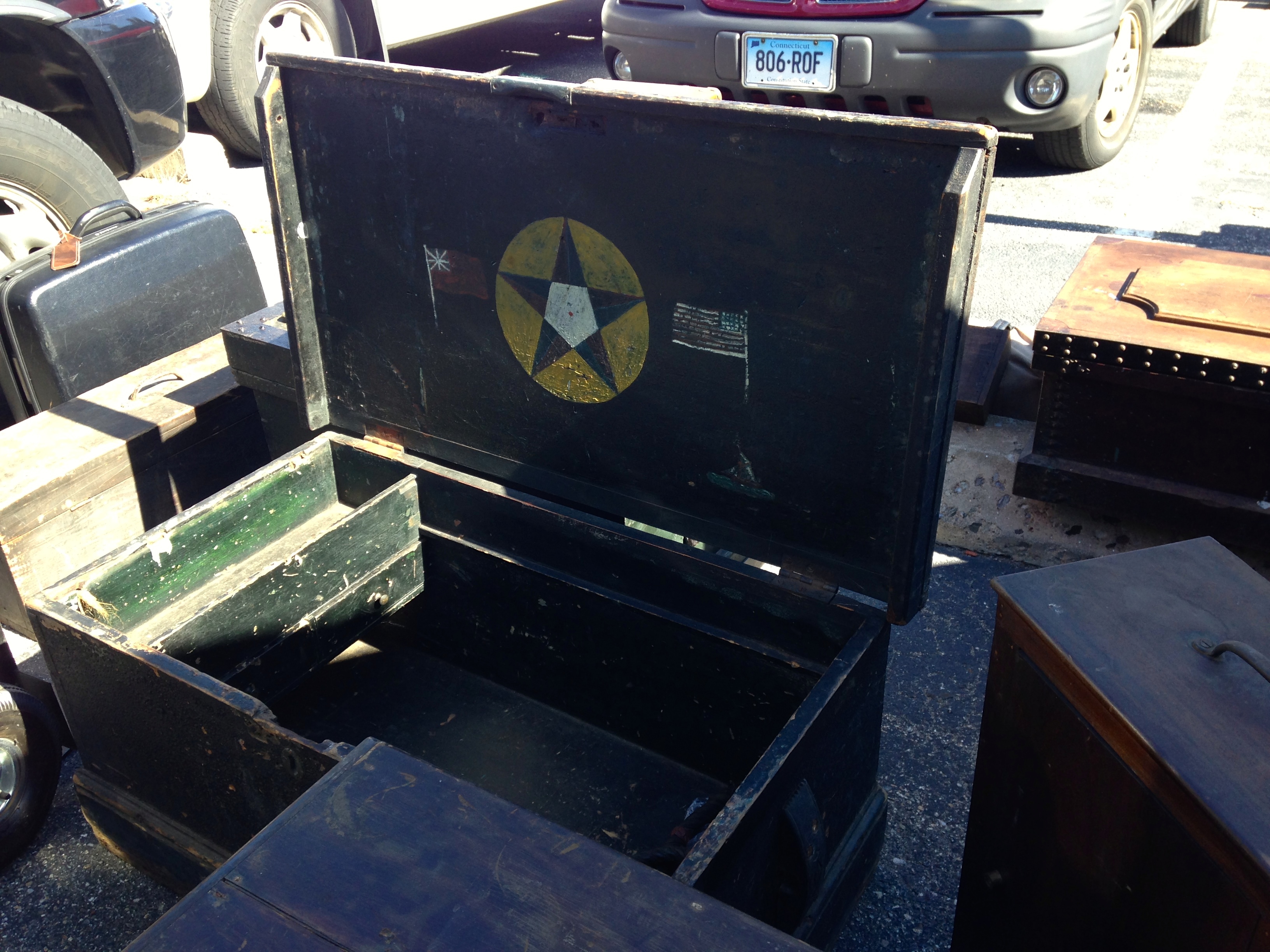
Interesting painted tool chest lid

Friday was a much better day — less wind and a little sunnier. It was great to see lots of old friends and the rest of the vendors I normally frequent.  I also found a couple of great items that made my day. Throughout this post you can see a sampling of some of the more interesting tool chests and cabinets at the show. It is interesting to see what has survived and how folks laid out their tills and decorated their tool chests.

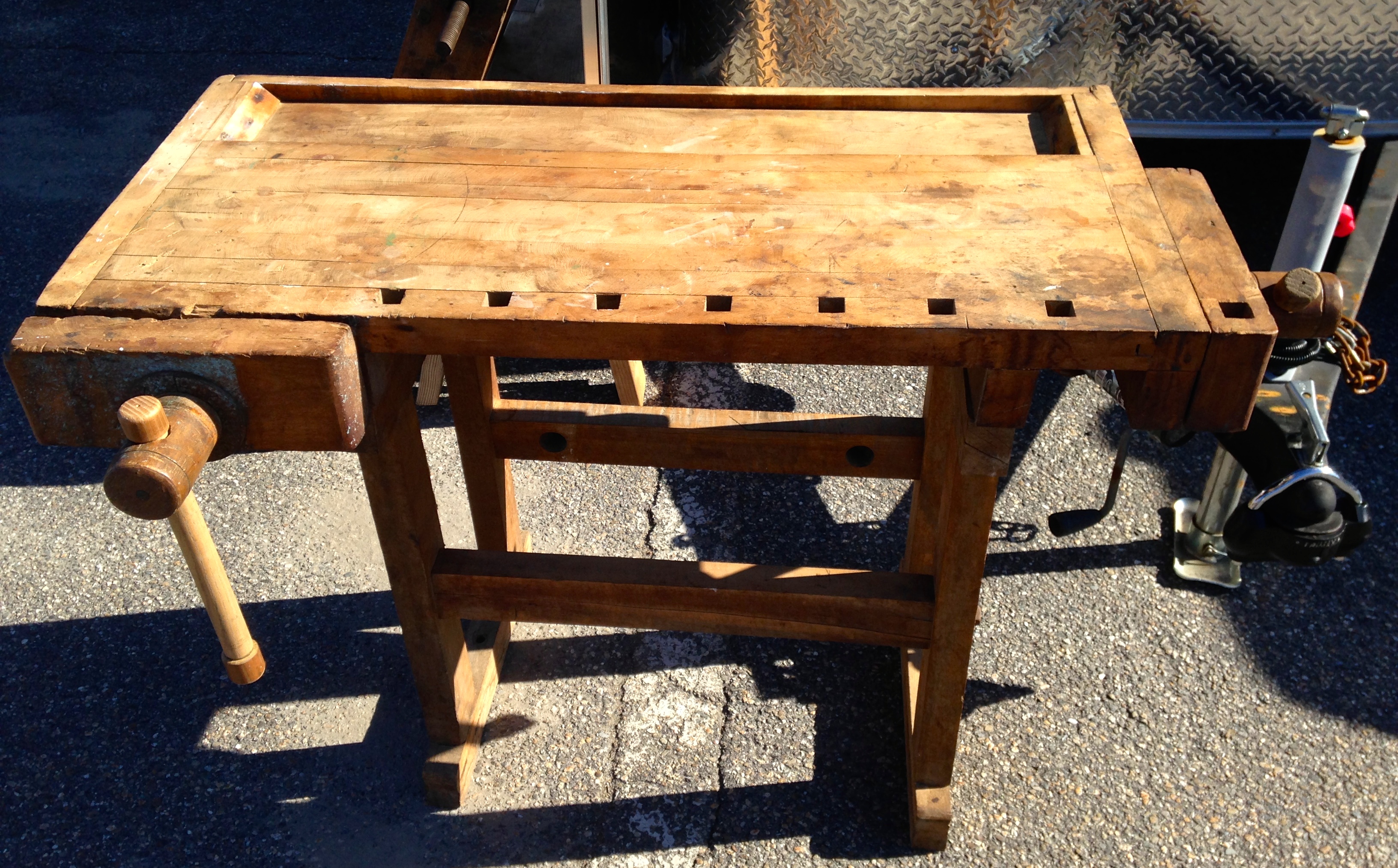
Sloyd style youth workbench -- though not a Larsson bench
Sloyd style youth workbench — though not a Larsson bench

Directly above you can see an interesting workbench. Designed for manual training or a similar classroom setting, this bench looks like it was a competitor to the Larsson Improved workbench I wrote about here.

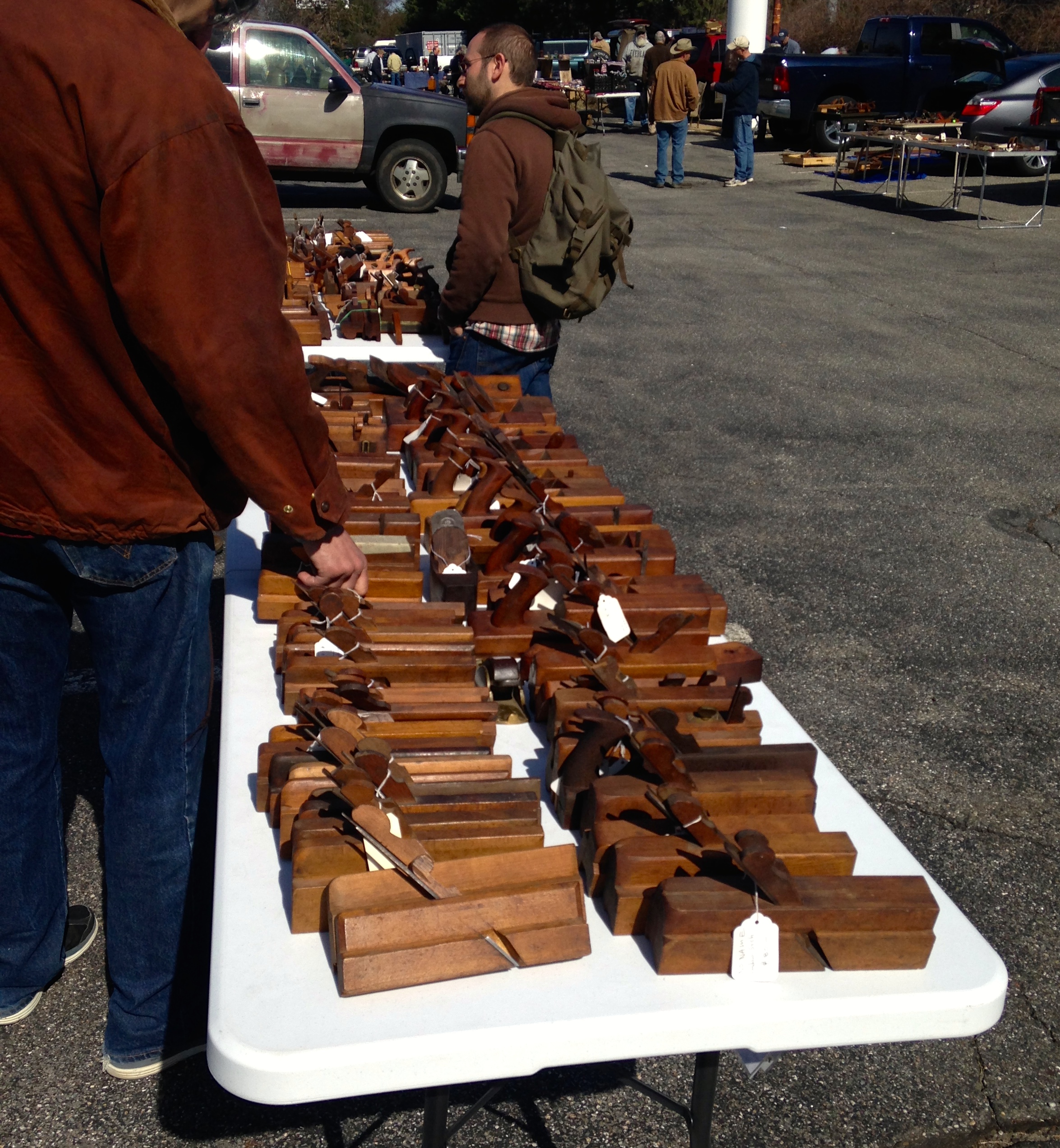
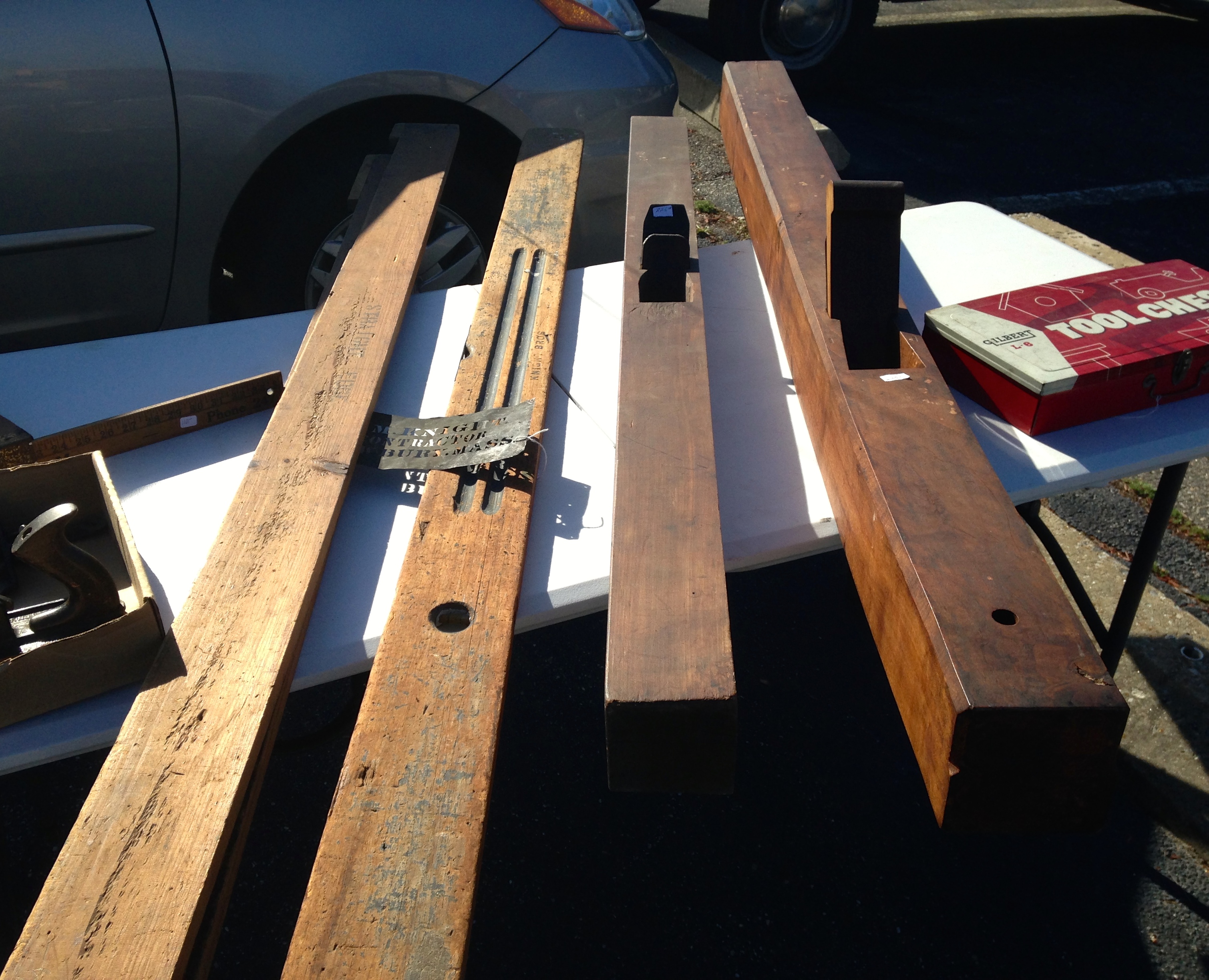
Great selection of molding and bench planes

This year there were more vendors compared to recent years and there was a particularly great selection of molding planes and bench planes.

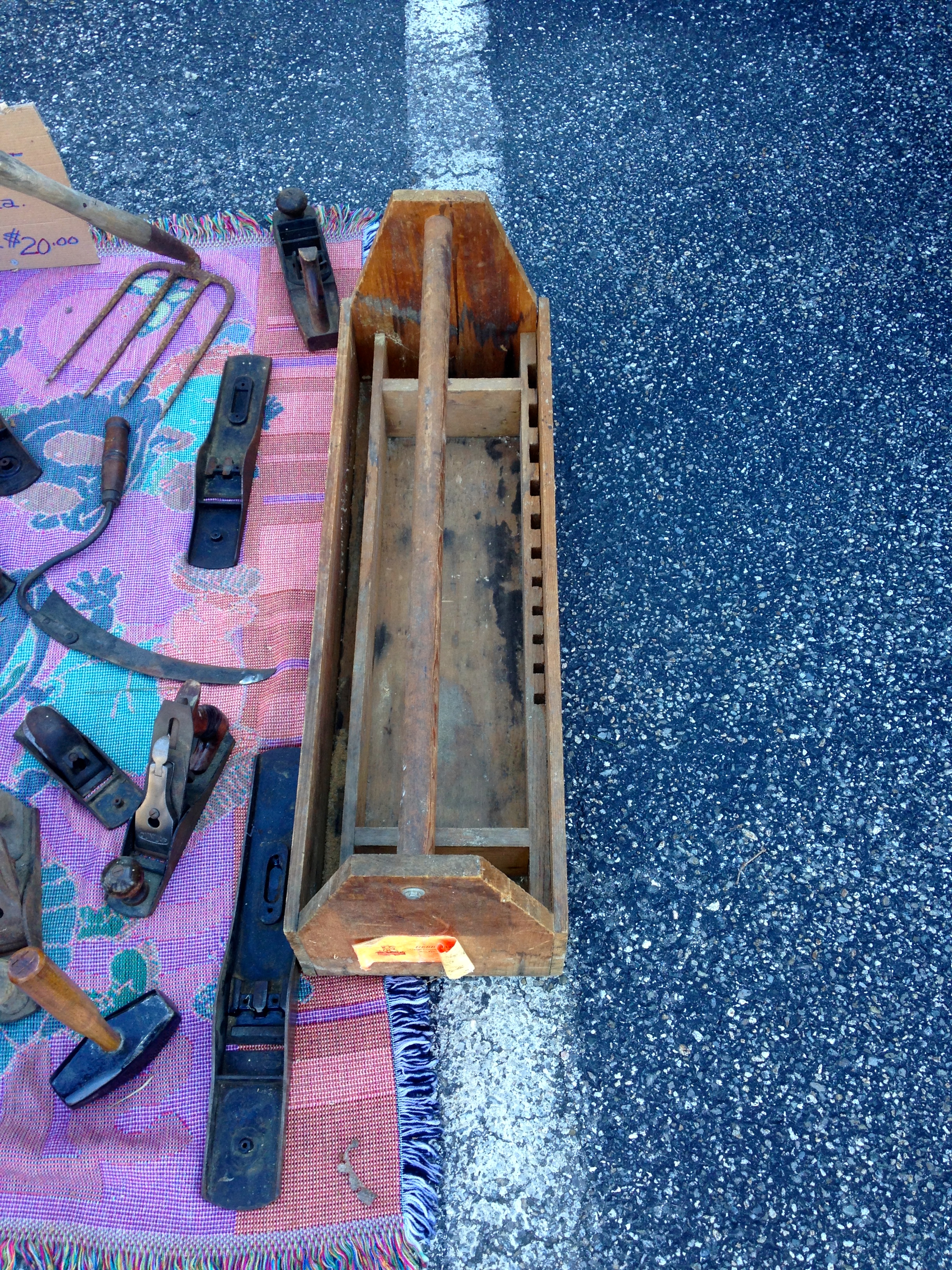
Classic tool tote
Classic tool tote

The iconic tool tote above looks like it had a long service life — hopefully it went to a new home where it will see some use.

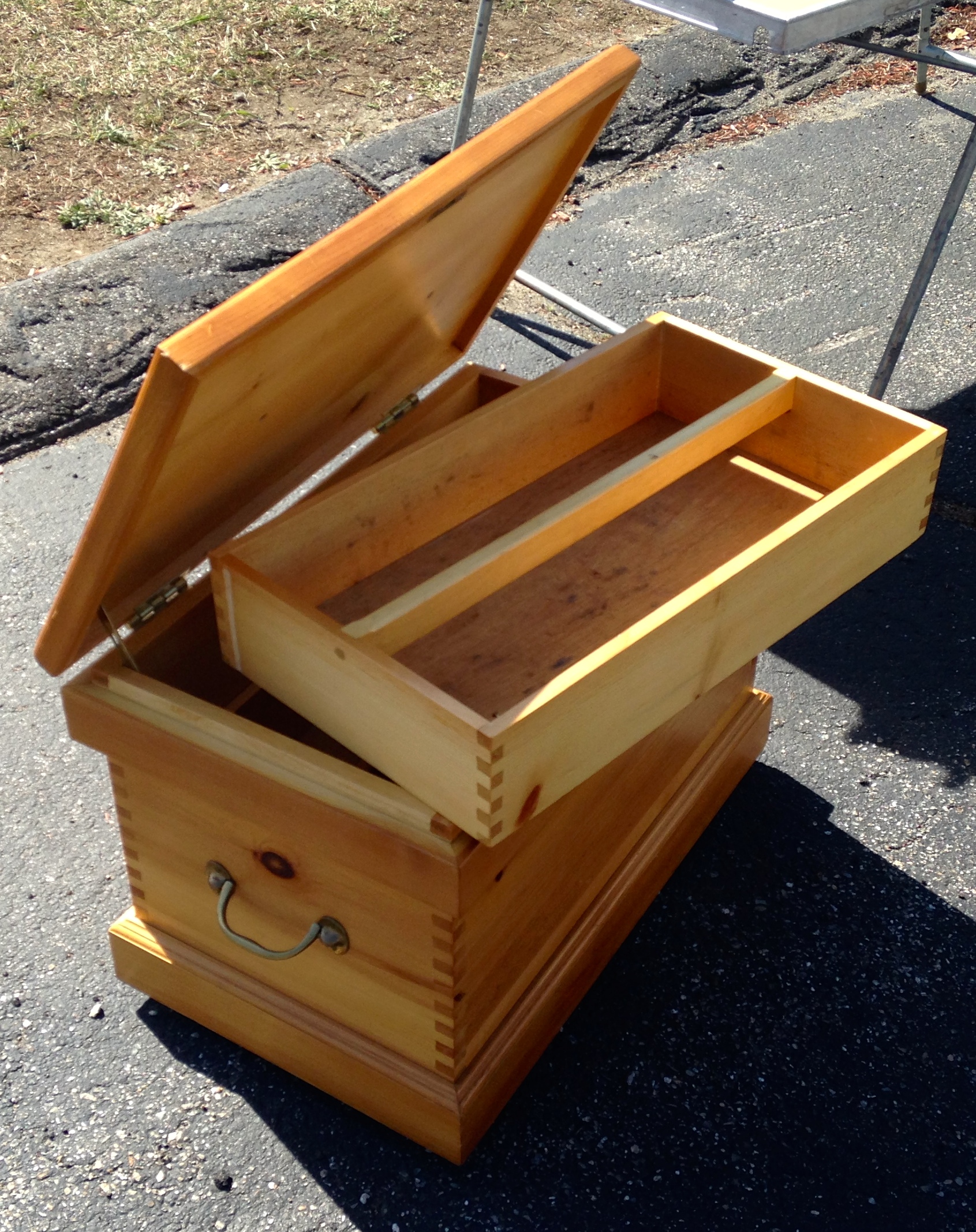
Nice clean modern tool chest with finger joints

The tool chest above with simple finger joints and nice hardware looks pretty new, but I am glad to see some more recent projects circulating around.

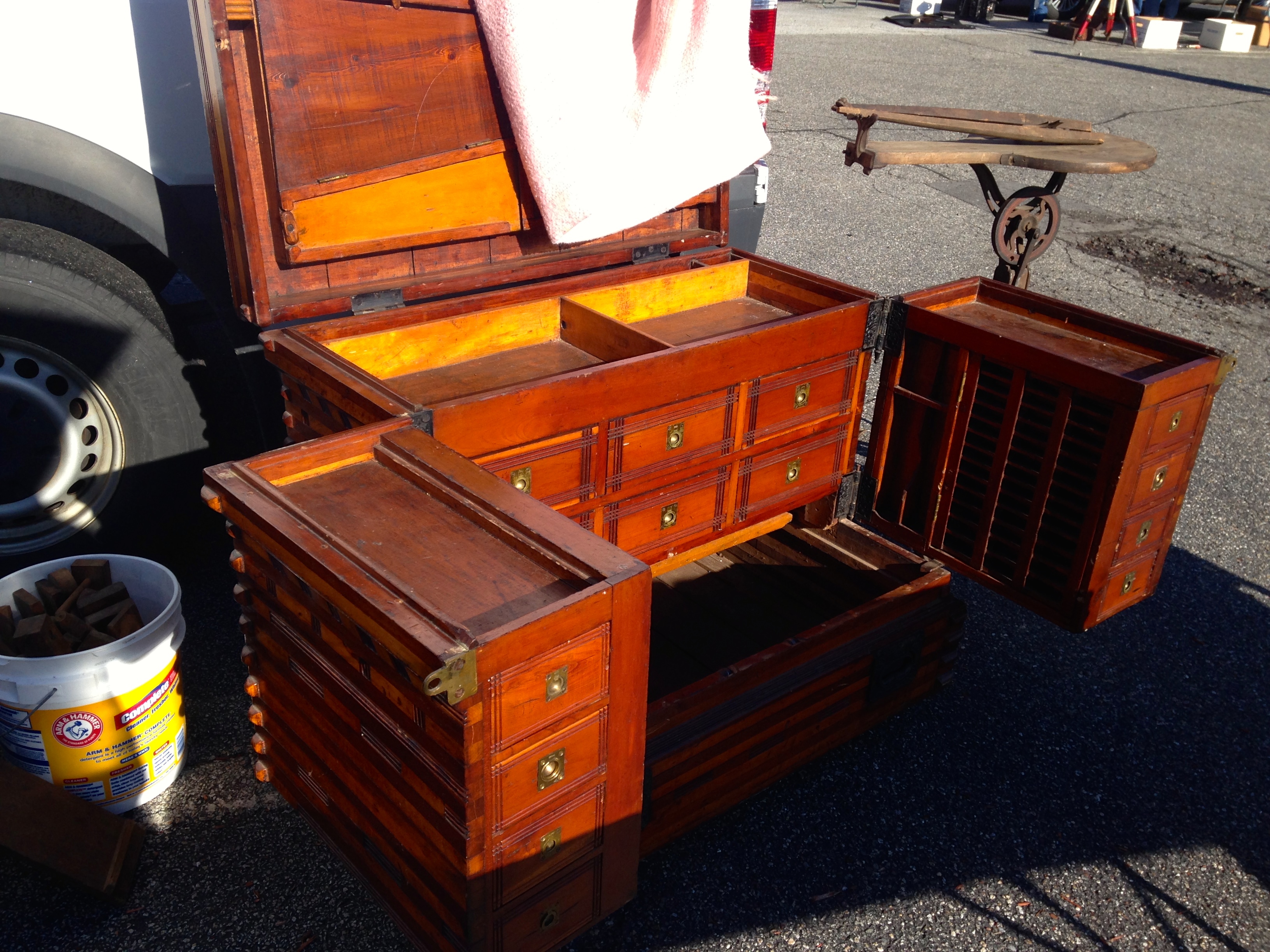
Incredible telescoping tool chest (for sale by Patrick Leach)

The chest above which I believe was being offered by Patrick Leach was an incredible piece. With multiple levels of till, some on hinges and some with telescoping elements this chest looked quite heavy even without any tools in it. It clearly showed off the skill and the massive tool set of its original owner.
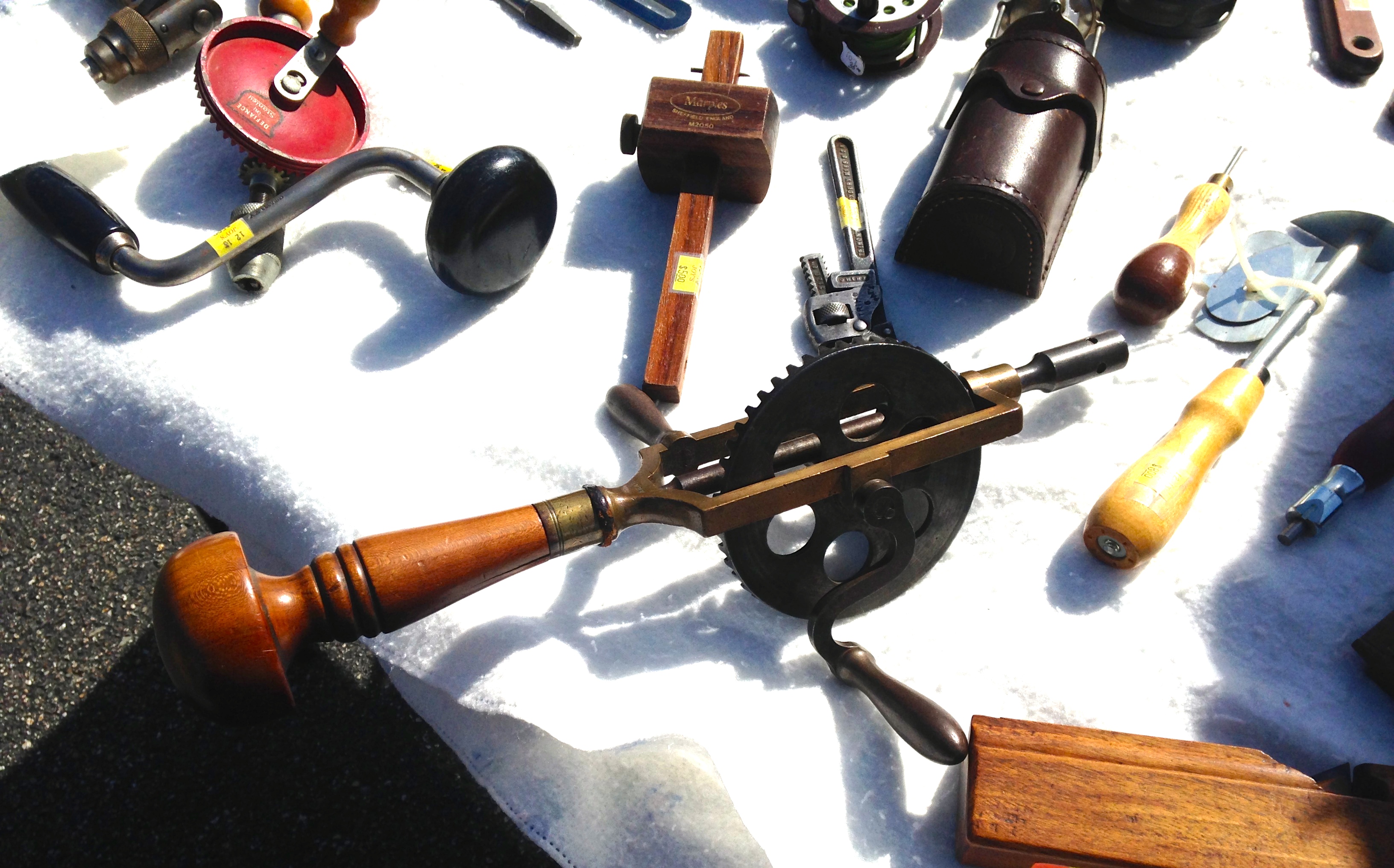
Interesting hand drill

I was drawn to this interesting hand drill with a nice turned handle and unusual machined elements.

Cooper's planes
Cooper’s planes

Shown above are a nice selection of cooper’s planes — used to plane down staves — the plane is fixed and the stave is moved along the sole of the plane to make a shaving.

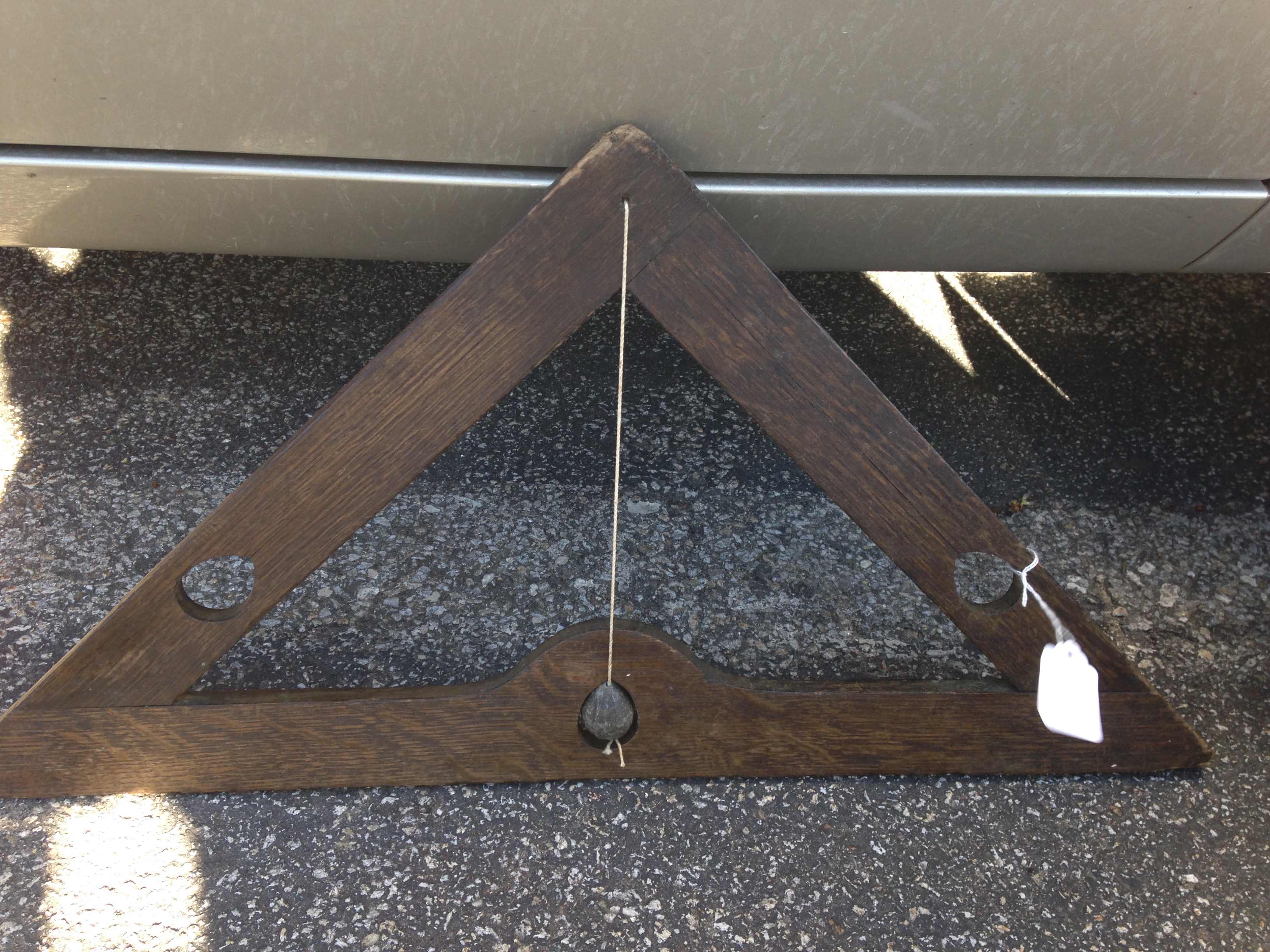
Nice plumb level
Nice plumb level

My friend Billy McMillen (Of Eastfield Village,  Historic Richmond Town, EAIA and CW Tinsmithing fame) had this nice plumb level for sale. The plumb bob and string is a age old way of determining level that dates back to ancient Egypt or earlier times.

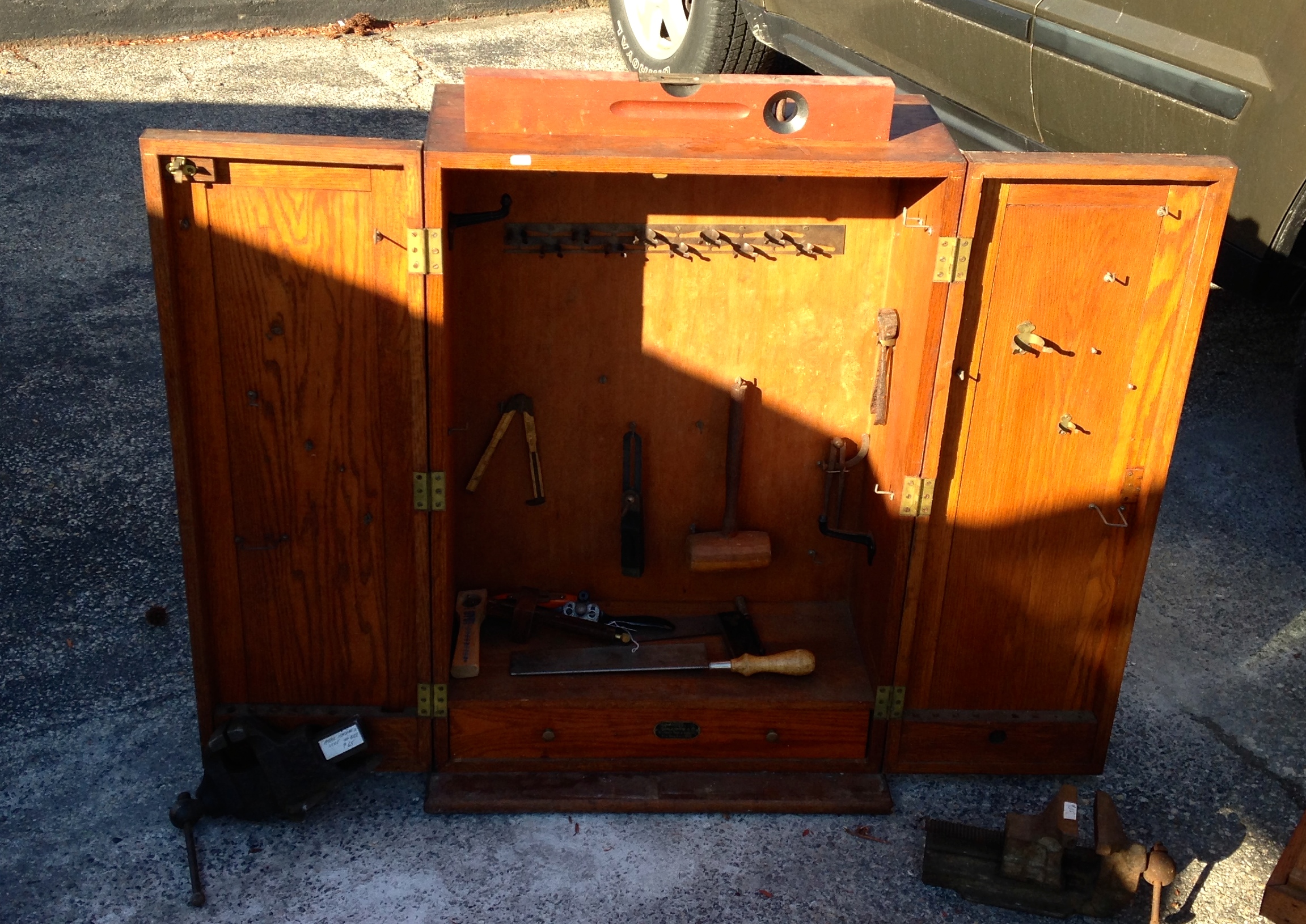
One of two Hammacher Schlemmer tool cabinets for sale this year

A larger cousin to the Sloyd Tool Cabinet — this Hammacher Schlemmer tool cabinet was home to a large set of tools targeting a high end home user market. I was surprised to see two of them for sale. One model was joined via finger joints and the other was held together via rabbets and nails. The cabinets had an austere look and did not seem to make good use of the space in the cabinets. I spent some time examining the hooks and clips that once held the tools in place, but most of of the clips and hooks were pretty simple and straightforward.
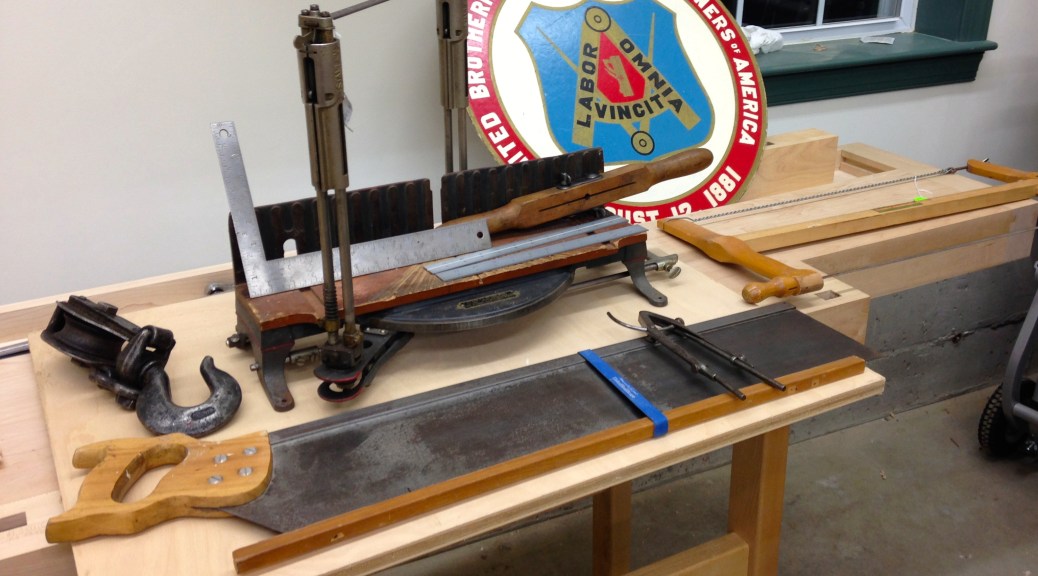
My finds this year -- Stanley 358 Miter Box _ Disston Saw, Carpenter and Joiner's Union Sign, Starret Rules and Dividers, Mini Framing Square, ECE Frame Saw, Heavy Duty Snatch Block, Auger Bit Handle
My finds this year — Stanley 358 Miter Box _ Disston Saw, Carpenter and Joiner’s Union Sign, Starret Rules and Dividers, Mini Framing Square, ECE Frame Saw, Heavy Duty Snatch Block, Auger Bit Handle

And now on to the big finale — what did I get this year? I got some nice items off the nice to have tools list in my head. I’m particularly excited about the large and complete Stanley 358 Miter Box and large Disston saw to use with it — I’ve wanted one of these boxes for a while. Once I clean it up and tune it, I’ll post about it. In the back of the photo you can see a round sign for the ‘United Brotherhood of Carpenters and Joiners’ that will look nice hanging in my shop. On the left side of the photo you’ll see a large and heavy duty snatch block that will come in handy when moving heavy timbers and the like around in the yard. On the miter box you’ll see a Stanley mini-framing square, a handle for square tanged auger bits, a Starret 12″ Satin Rule and a 12″ Starrett Rule that is metric on one site and 1/10ths of an inch on the other. In the foreground is a nice pair of Starrett loose leg dividers. On the right is an ECE/Ulmia frame saw — I seem to be going through a frame saw phase, and given I have more frame saw blades than frame saws I figured, what the heck. All in all, it was a good show. I look forward to putting these new tools to use in the shop. Now it’s time to start saving for the September show.

Take care,
-Bill

The Frame Saws of Colonial Williamsburg

Back in December 2013, I topped off the Mr. Fusion, warmed up the Flux Capacitor and headed back to the 1780s for our annual pilgrimage to Colonial Williamsburg Virginia. During this visit I wanted to check out some of the frame saws my friends are using and what they thought about the saws ahead of building my own.

My first stop was that Anthony Hay Cabinetmaker’ Shop…

The Anthony Hay Cabinetmaker's Shop at Colonial Williamsburg
The Anthony Hay Cabinetmaker’s Shop at Colonial Williamsburg

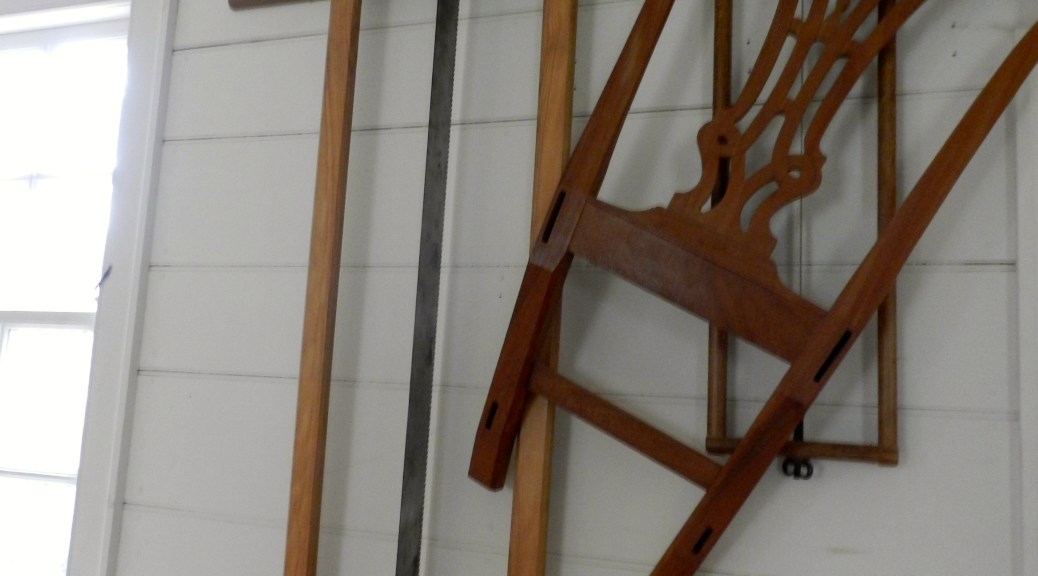
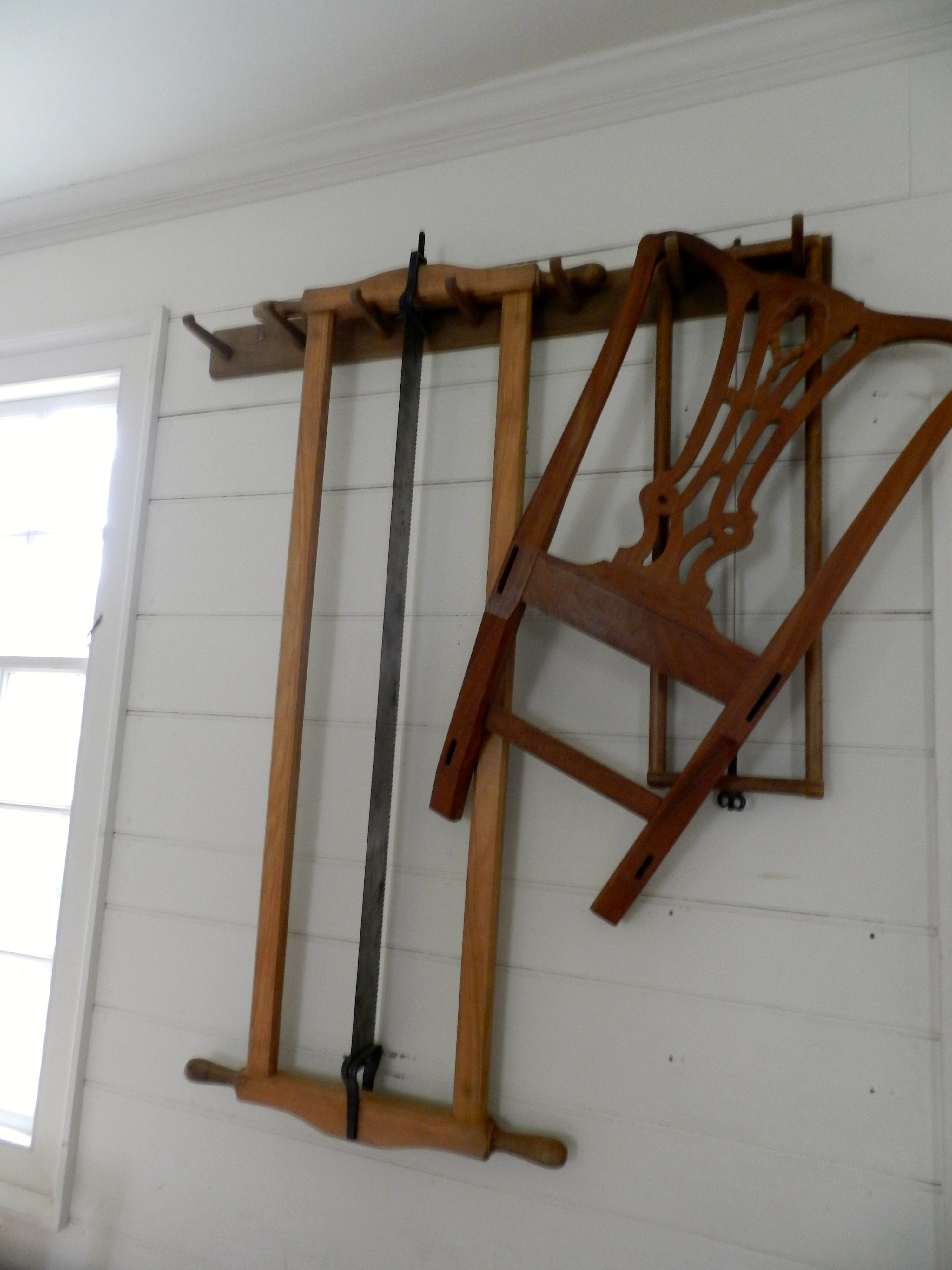
Hanging on the wall was a nice two man frame saw and a smaller veneer saw you may recall seeing in an episode of The Woodwright’s Shop. (Season 6, Episode 9 — Free Preview Here on YouTube )

Frame saws hanging on the wall of the Hay Shop

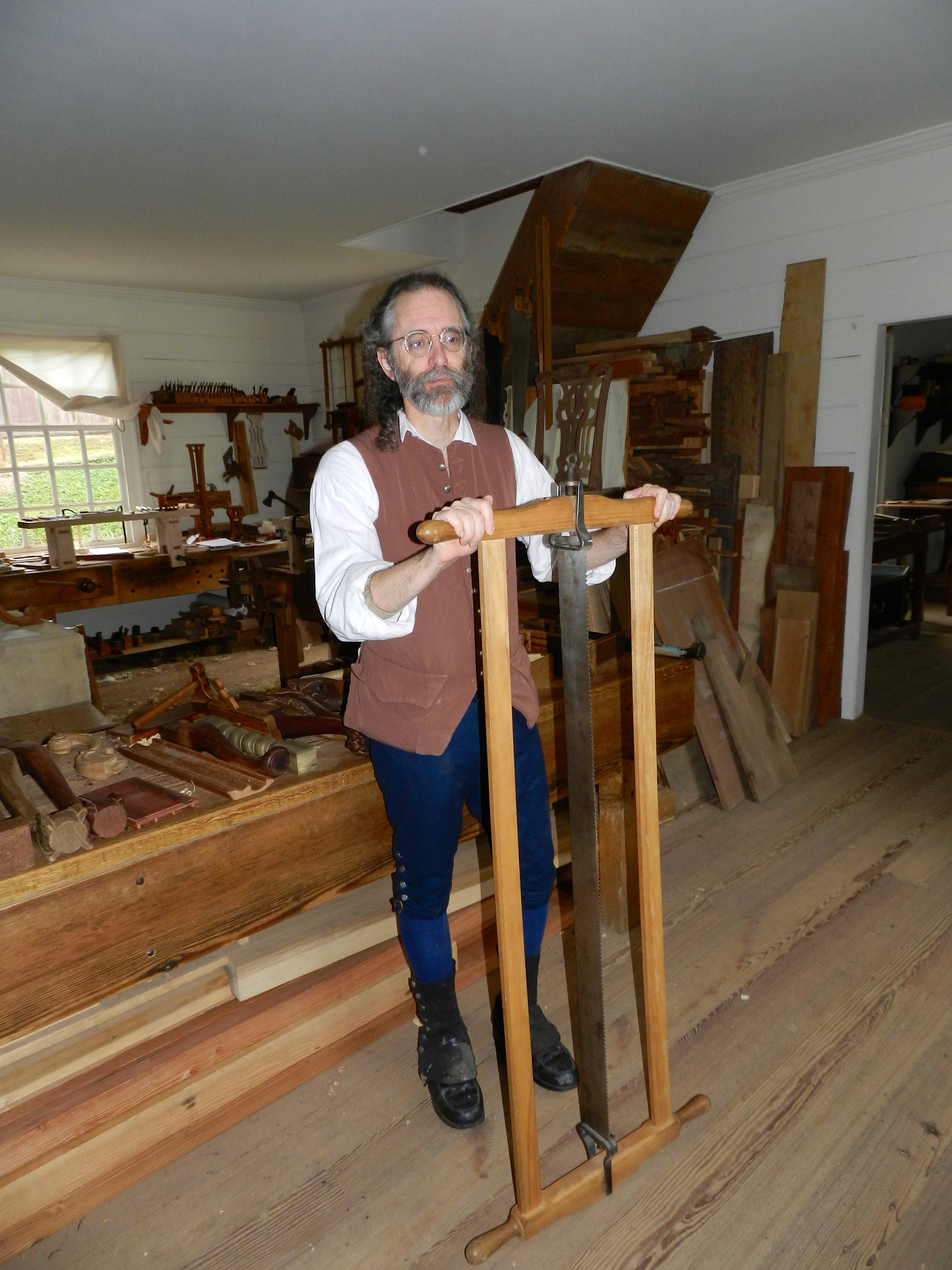
In talking to my friend Ed Wright, the master Harpsichord Maker in the Hay Shop, he showed me some of the finer details of the larger saw shown below.

Ed Wright with a frame saw in Anthony Hay Cabinetmaker's Shop
Ed Wright with a frame saw in Anthony Hay Cabinetmaker’s Shop

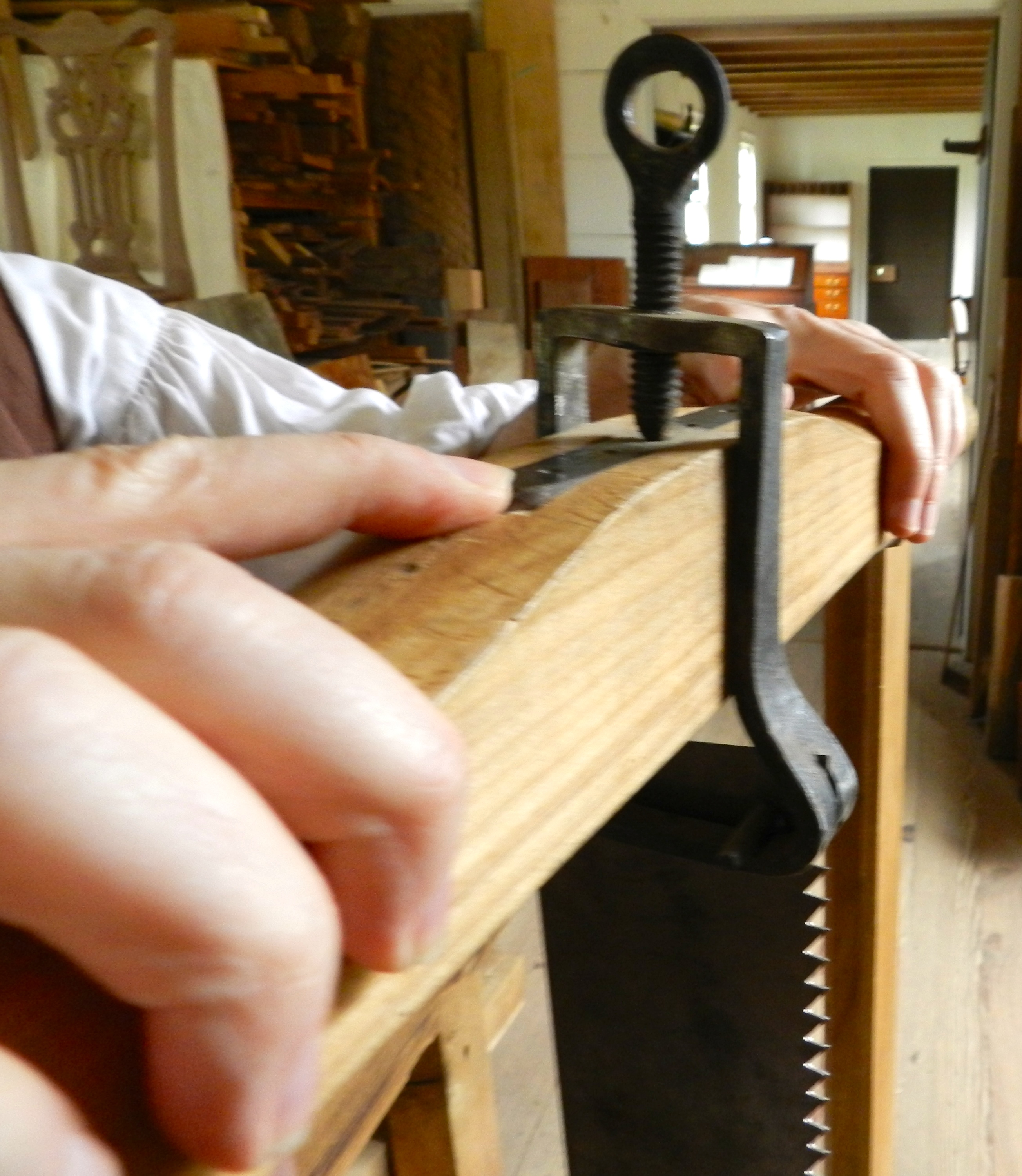
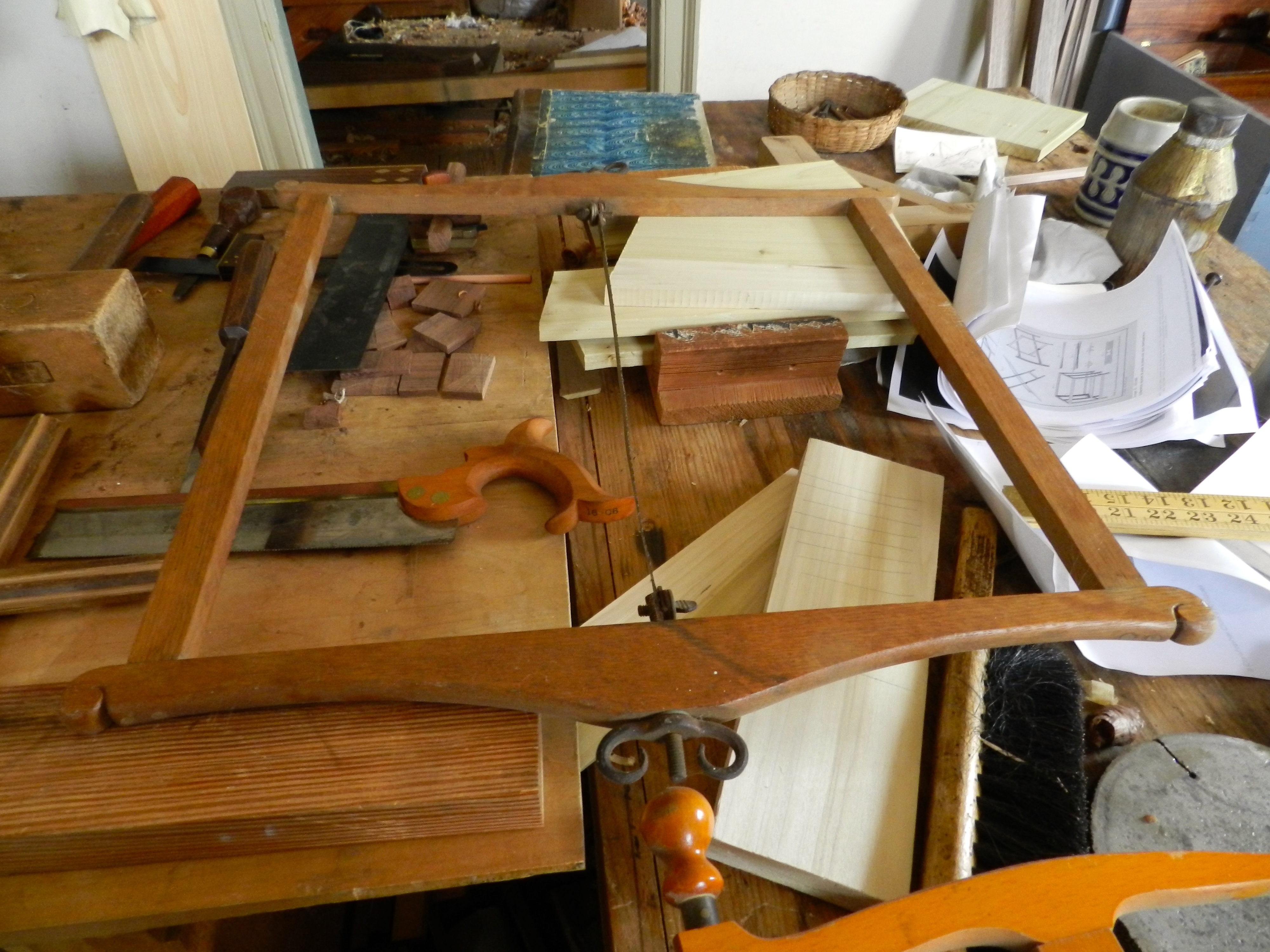
The saw’s size and details were derived from Roubo’s plates. The hardware was forged by Colonial Williamsburg’s Blacksmiths, not to be confused with Williamsburg Blacksmiths up in Williamsburg MA (I bought my hold fasts and log dogs from the former, and barn hardware from the latter and I am very happy with both). You can see the forged eye bolt below, passing through a threaded square section and pressing against a metal wear plate.

Close up detail of the tensioning mechanism of a frame saw

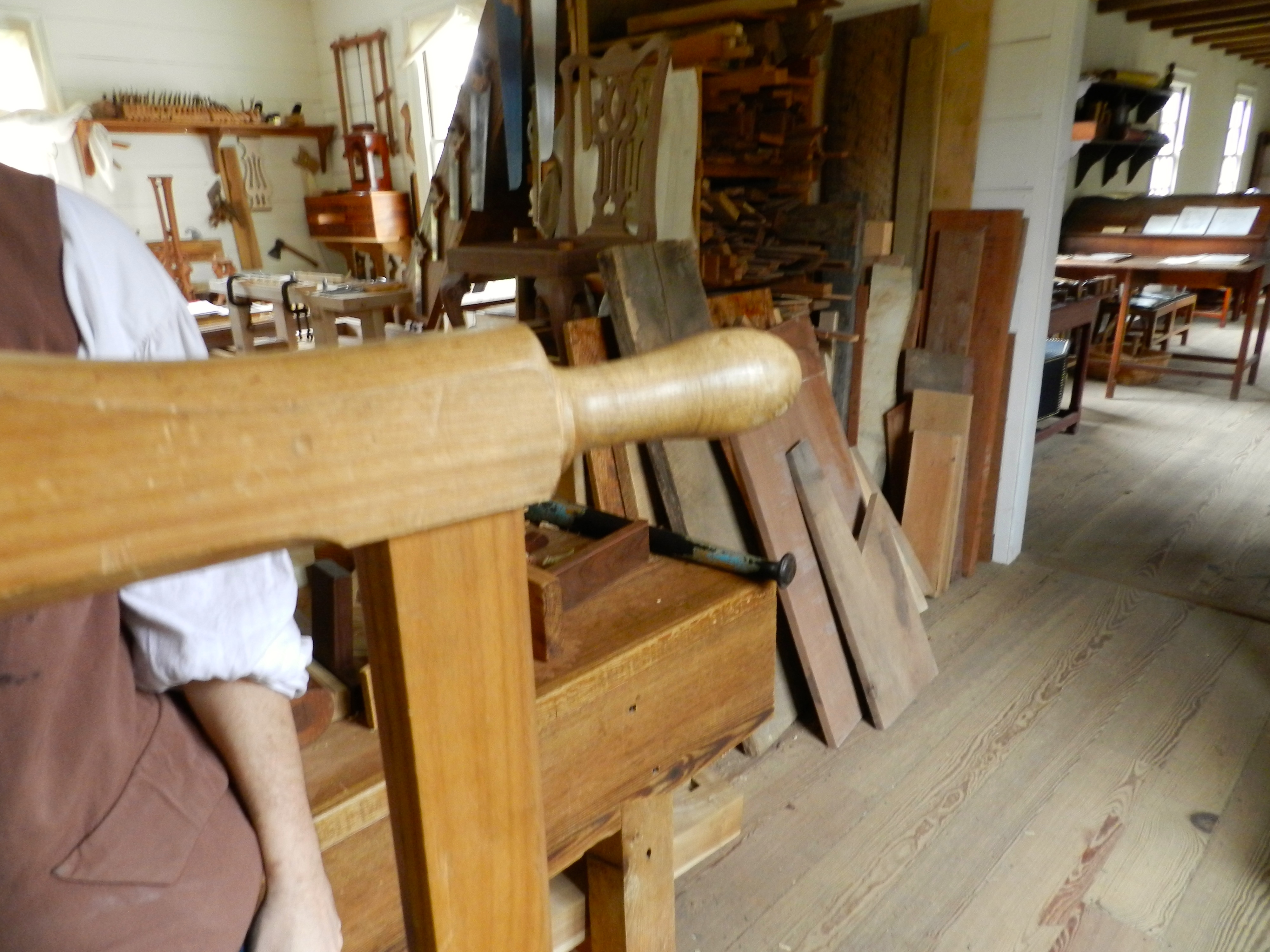
The saw deviates from the Roubo plate a bit with the offset turned handles shown below. (Check out Don’s post here — which includes a copy of the plate I am referring to and is related to the recent LAP reprint of Roubo on Marquetry which includes a nice translation of this plate and Don’s experiments with his own reproduction saw) Ed said that the turned handles worked well over the years even if they give the saw a slightly more modern (Say 19th century) appearance compared to the simple carved volutes in the Roubo print. If you were to use this saw all day long vigorously sawing fine veneers I could see wanting this sort of turned handle and it seems to be popular in other reproductions I’ve seen. While the carved volutes seem like they’d be tougher on the modern sawyers’ hands I suspect the likely simple volutes were contoured to fit in the sawyers hand and would have forced him to have a lighter grip on the saw which might have allowed him to react more directly to the wood and make fine adjustments as he goes. From examining Figure 10 of the Roubo print it looks to me like the sawyer on the right has a very light grip and is sighting down the saw to gently steer it on an appropriate course as the the left sawyer is sighting as well as pulling the saw through the cut. Don’s translation talks about the advantages of sawing on a slight incline and lifting the saw on the return stroke to clear sawdust and not bind the saw. Sawing with a second person can be like having a dance partner — if you are in sync and can communicate well verbally and non verbally you have a shot, if you are out of sync things can go south quick as the narrow blade is unforgiving and wants to follow the path of least resistance.

Close up detail of turned handles on the frame saw

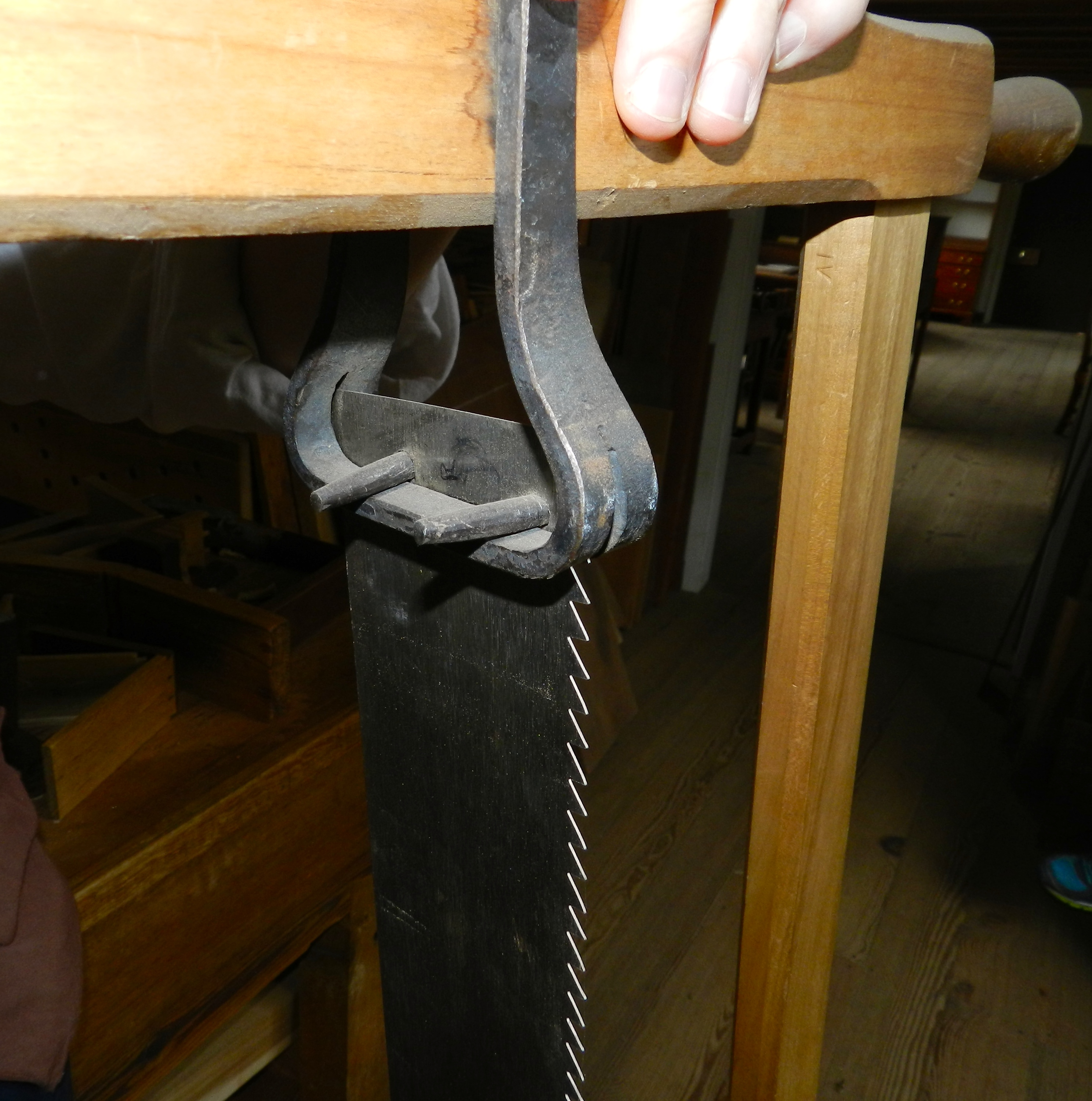
The saw blade is held in place via pins that are held in tension, thus tensioning the blade. The blade shown here is quite wide, though not quite as wide as the ~4″ Roubo suggested. When using this type of saw you need to be careful not to over tension it as you can deform/stretch the holes in the blade. The impression I got was that this saw was a little slow cutting at times. A lot of folks online have experimented with saw tooth geometry and similar variations. Adam Cherubini had an interesting and somewhat controversial post regarding his experiences with frame saws which you can check out here.  (Be sure to read the comments as several other folks who have been experimenting in this space weighed in).

Close up detail of the pins the secure the blade to the frame

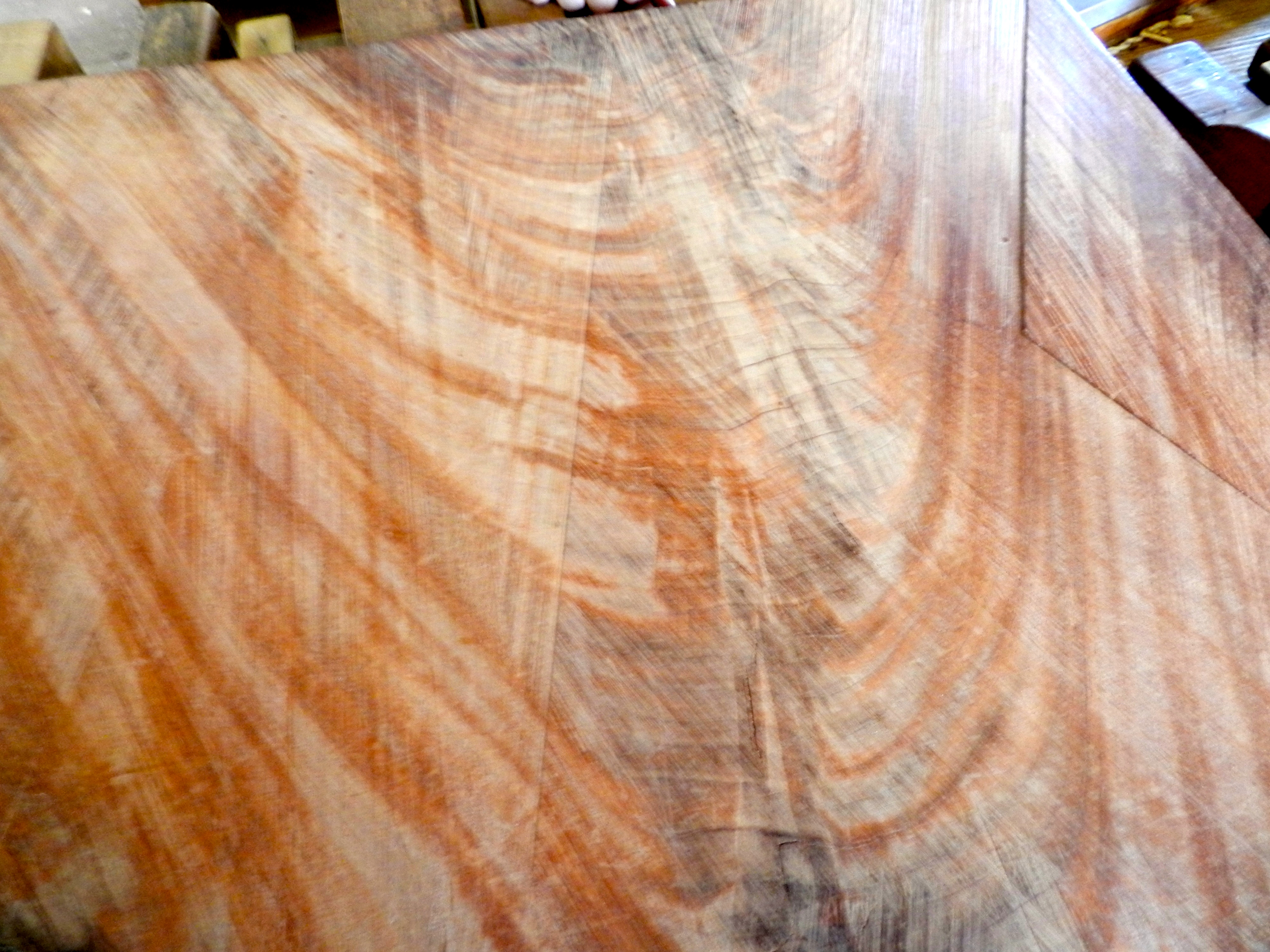
When using a frame saw to re-saw planks or make veneers you can see some of the telltale marks of the tool as it slices through the figured wood. (See below). In general the blade wants to follow the path of least resistance, so cutting in with another saw to start as Roubo describes or using a ‘kerfing plane’ as Tom Fidgen suggests are great ways to better your chance of success. If you’ve seen any of the many great projects to come out of the Hay Shop you’ll have no doubt Ed and the others in the shop have mastered many uses of the frame saw.

Panel that was cut with a frame saw -- shows the telltale pattern of tool marks showing how the saw progressed through the wood
Panel that was cut with a frame saw — shows the telltale pattern of tool marks showing how the saw progressed through the wood

My next stop was to visit Master Carpenter Garland Wood in the Joiner’s shop. Every time I visit I want to pull up a bench and take up residence in the shop as another member of the crew. The benches, tools and projects all feel like home.

Garland Wood in the Joiner's Shop
Garland Wood in the Joiner’s Shop

In the Joiner’s shop Garland showed me the frame saws he had on hand in the shop. Shown below is a nice felloe saw with its narrow blade used to cut curves. In the wheelwright’s shop you can see some larger versions of this style of saw. The example below has nice delicate lines, a simple volute detail, and nicely wrought wing nuts on both ends of the saw. In the foreground of the photo below you can see a tiny bit of a simple bow saw which we’ll talk about in a future post.

Small frame saw in the Joiner's Shop
Small frame saw, a ‘felloe saw’ used for cutting curves and the like, in the Joiner’s Shop

There are very few places you can drop by and pick the brains of talented folks who share the same level of enthusiasm for traditional woodworking and sharing the craft with others — Colonial Williamsburg is one of those places. I’m thankful to Ed and Garland for their time and advice. I look forward to putting some of it to use in building my own frame saw.

Take care,
-Bill

P.S. I’m of the mindset that we still have more to learn about these saws and look forward to experimenting a bit with my own. I ordered the first production frame saw kit blade from Bad Axe Toolworks based on a saw from Tom Fidgen’s Unplugged Woodshop and will be posting about that in the future.

A Visit with the Frid Family

This past weekend I had an amazing opportunity to visit the home of Peter Frid — Tage’s son, and visit with his family.  Beyond seeing some of the many items Tage made it was great to hear stories of what life was like with Tage and Emma from Peter, his wife Kathy, their son Oliver and his wife Cherie.

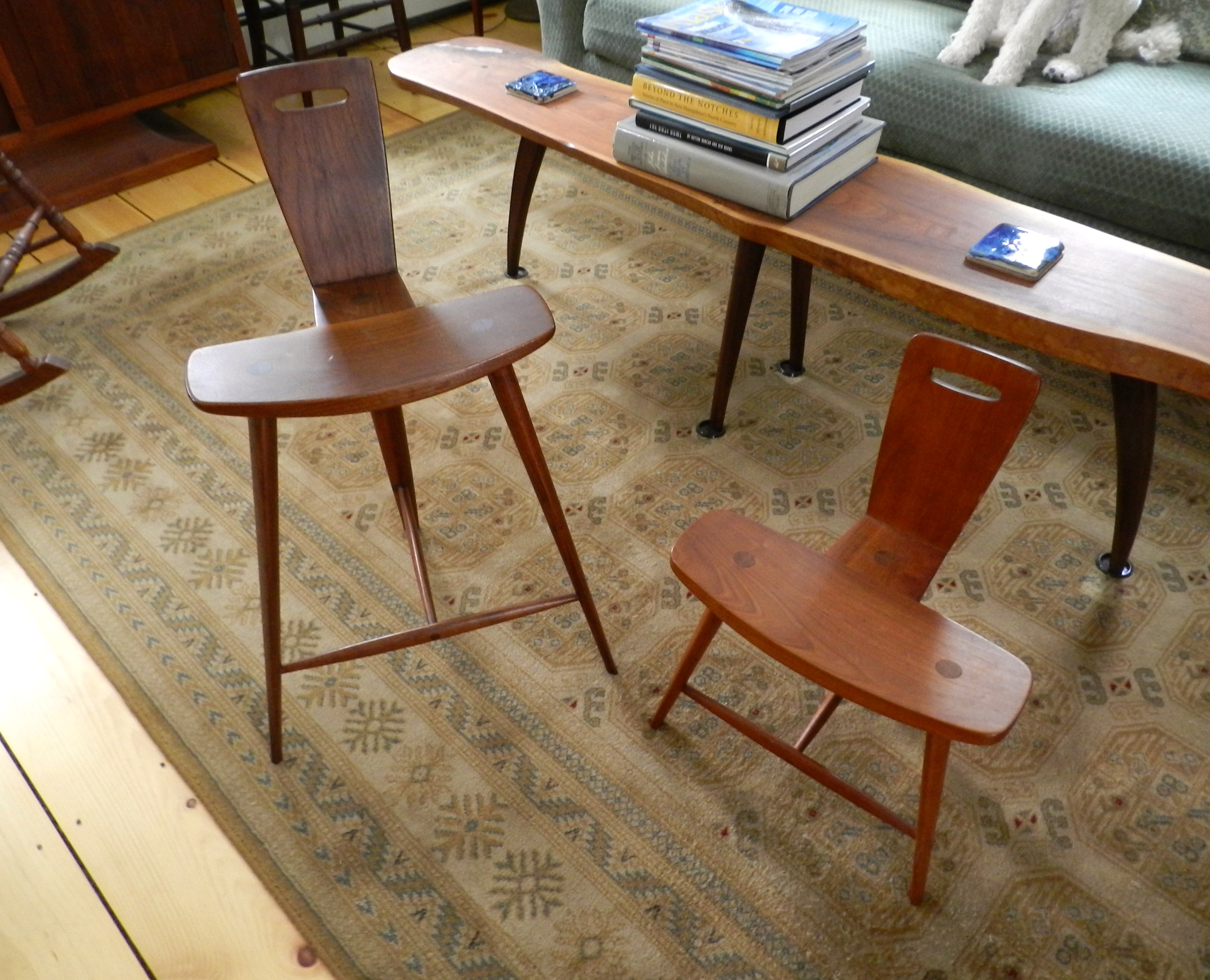
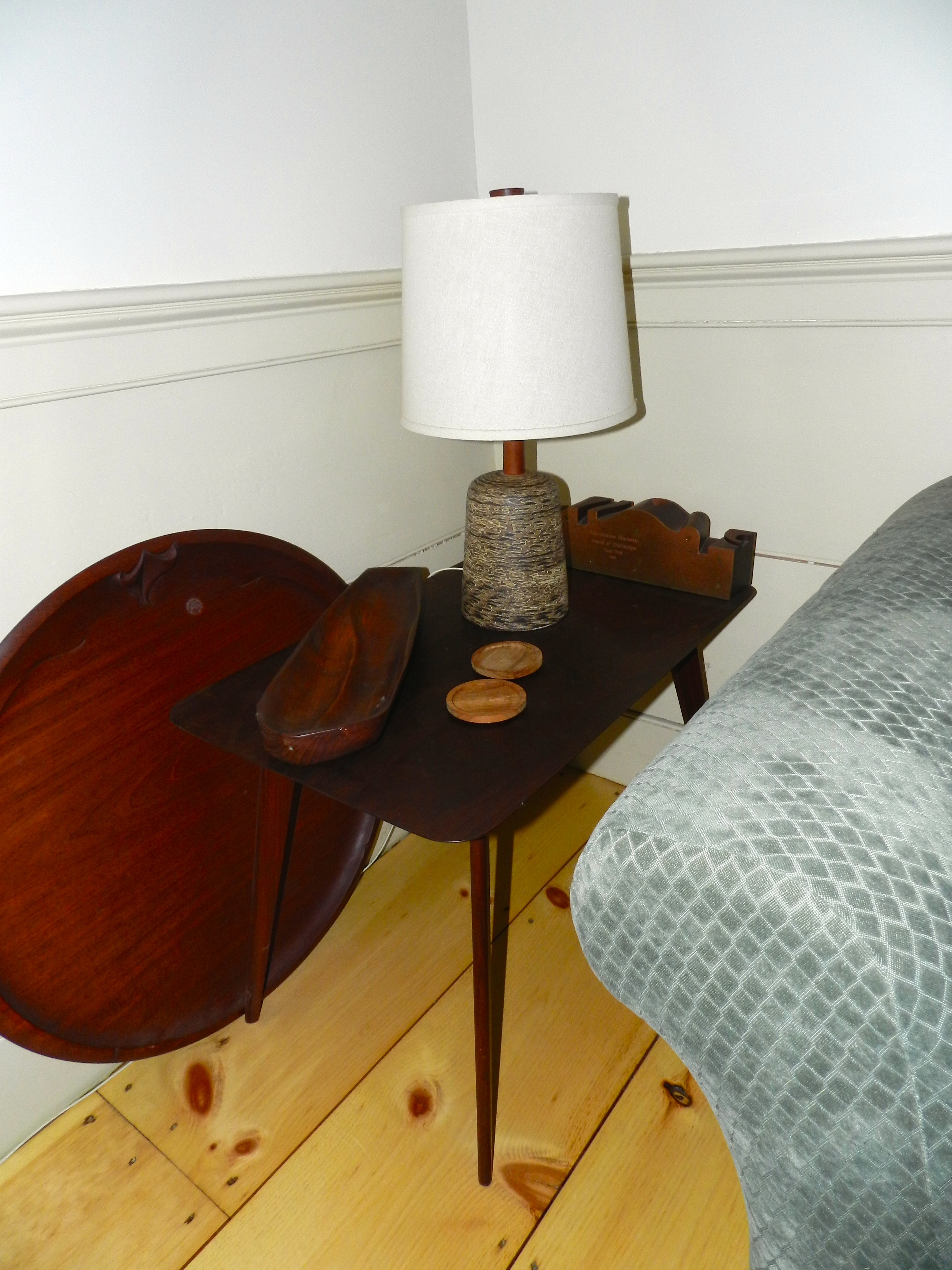
Tage Frid's iconic 3 legged stools and natural edge coffee table
Tage Frid’s iconic 3 legged stools and natural edge coffee table

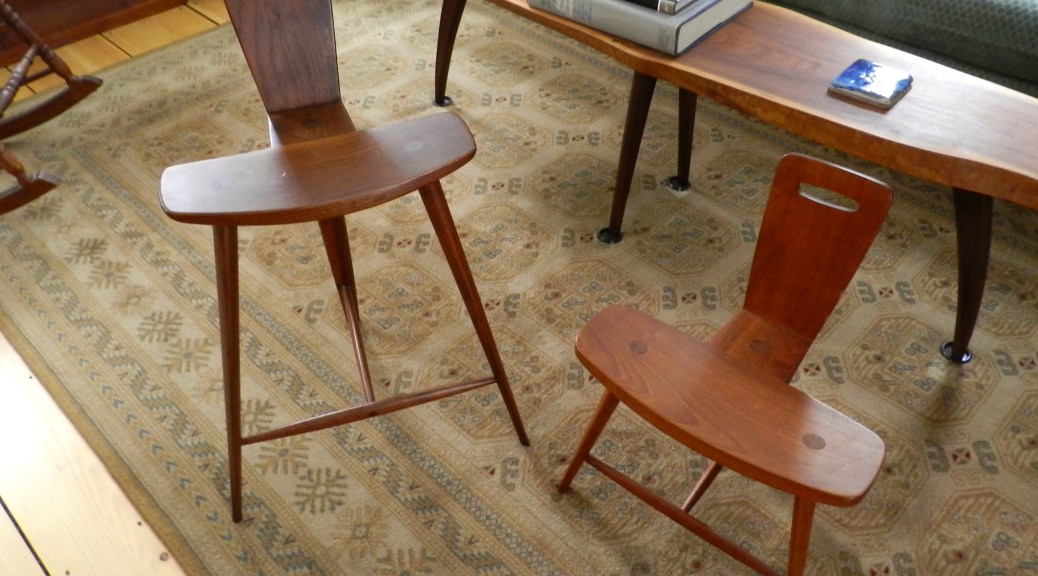
I was very exited to see Tage’s iconic 3 legged stools in person — building a pair has been on my mile long todo list since I first learned about them years ago. I tried unsuccessfully to see these chairs at the MFA and RISD museum but every time I went they were not on display. Not only did I get to see them, but I got the chance to sit on one of them as well. The stool is very stable and surprisingly supportive given its seemingly diminutive stature. It was also just as comfortable to sit in it facing forward as it was to sit in it backwards. I had read the story about how Tage came up with the idea for the stool while sitting on a fence at a horse show, but it was neat to hear that the reason Tage and Emma were at the show was because Peter and his sister were riding in that very show.

Also shown in the picture above is a very nice natural edge coffee table with inlaid metal that is seen in the Gallery section of Tage’s 3rd book.

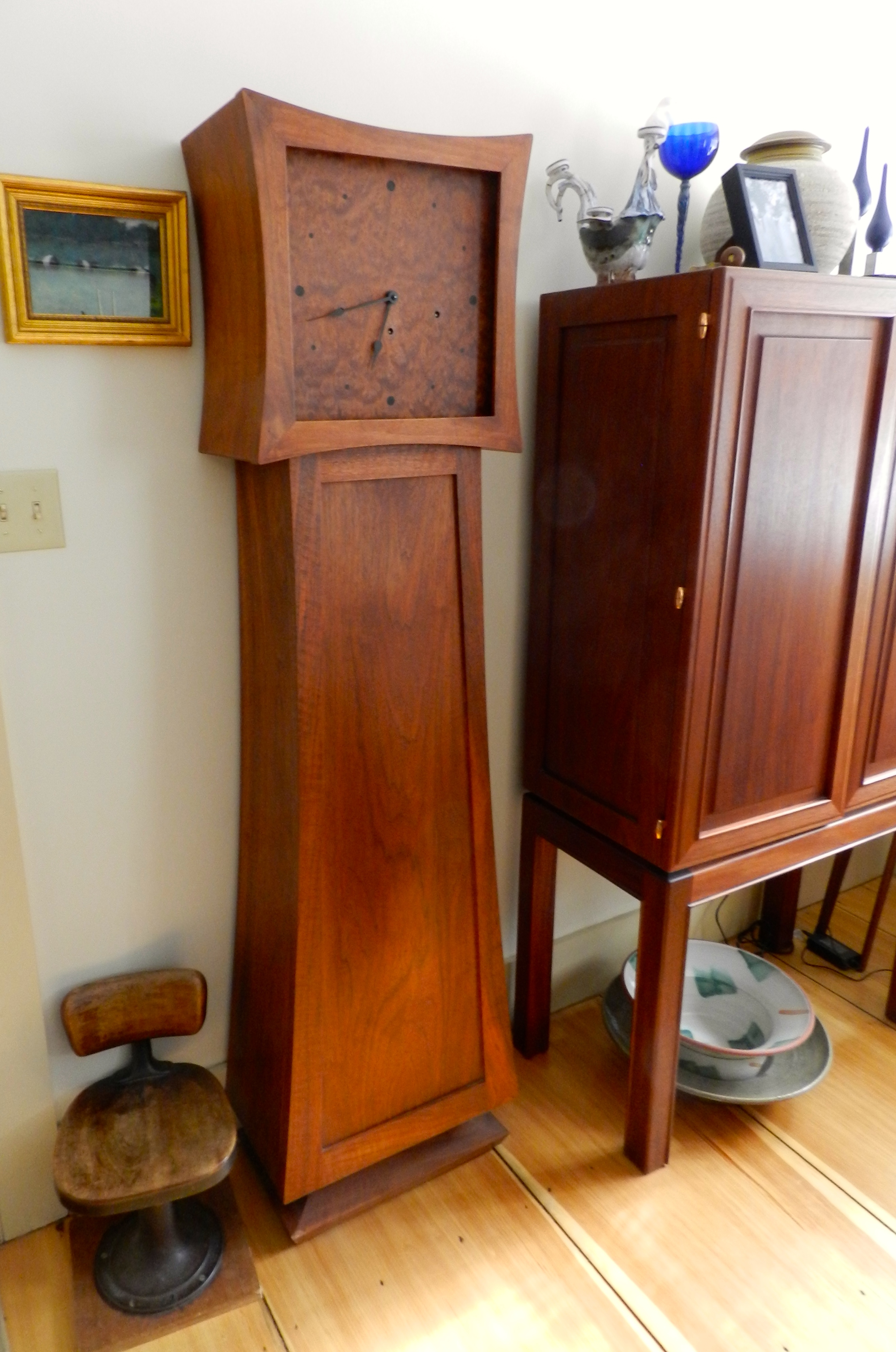
Tage Frid's Grandmother Clock
Tage Frid’s Grandmother Clock

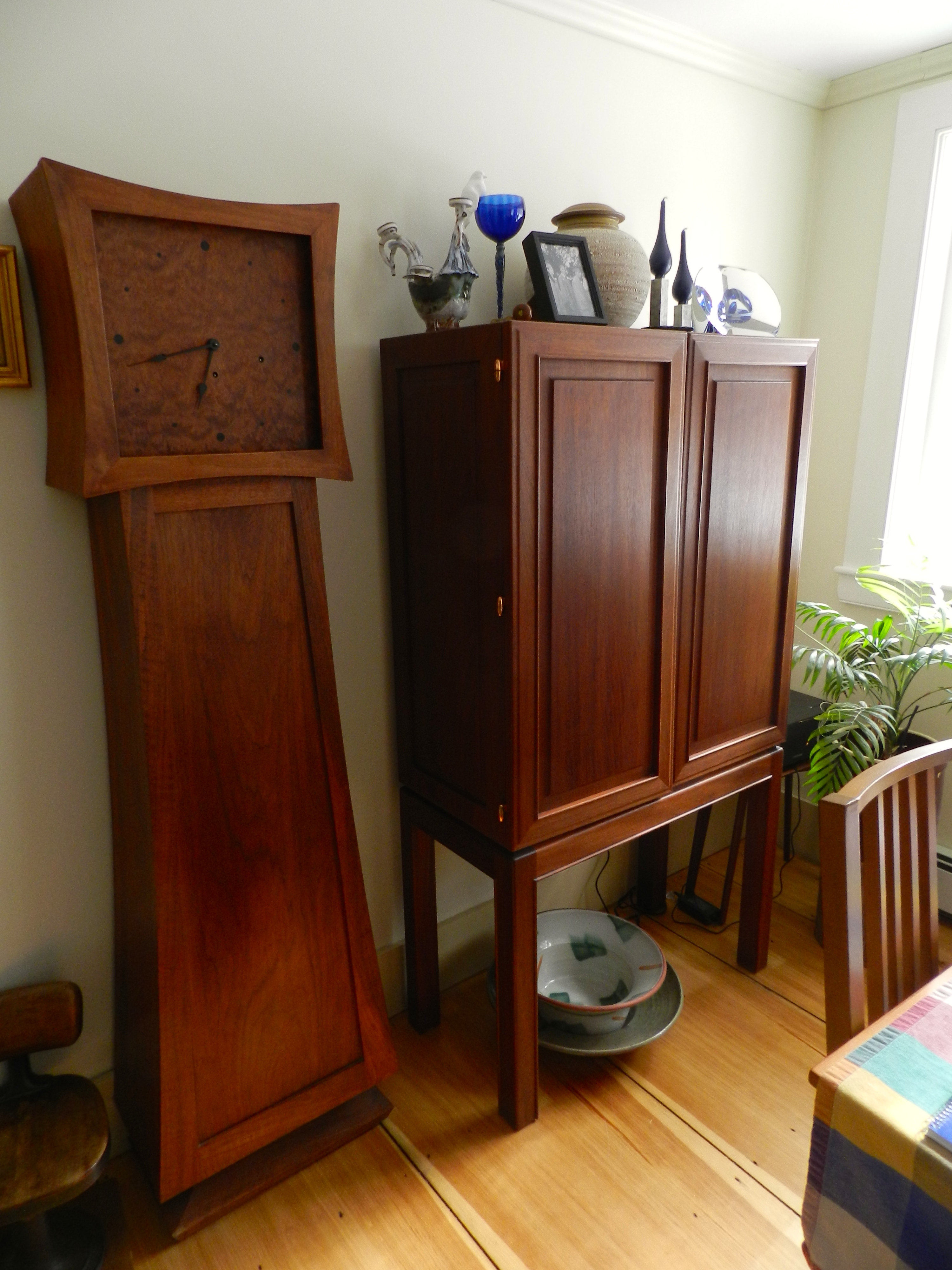
In another room was Tage’s famous ‘Grandmother Clock.’ The black and white photos of Volume 3 of Tage Frid Teaches Woodworking do not do it justice as the wood has aged beautifully. Inside the case are all the traditional polished brass movements you would expect to find in a large case clock.

Grandmother Clock and Bar Cabinet

Adjacent to the clock is a beautiful liquor cabinet that is also from the Gallery section of Volume 3. It is made from mahogany and the panel details on the side and top are carved in. The cabinet also has beautiful copper/bronze hinges that pivot on an egg shaped knuckle.

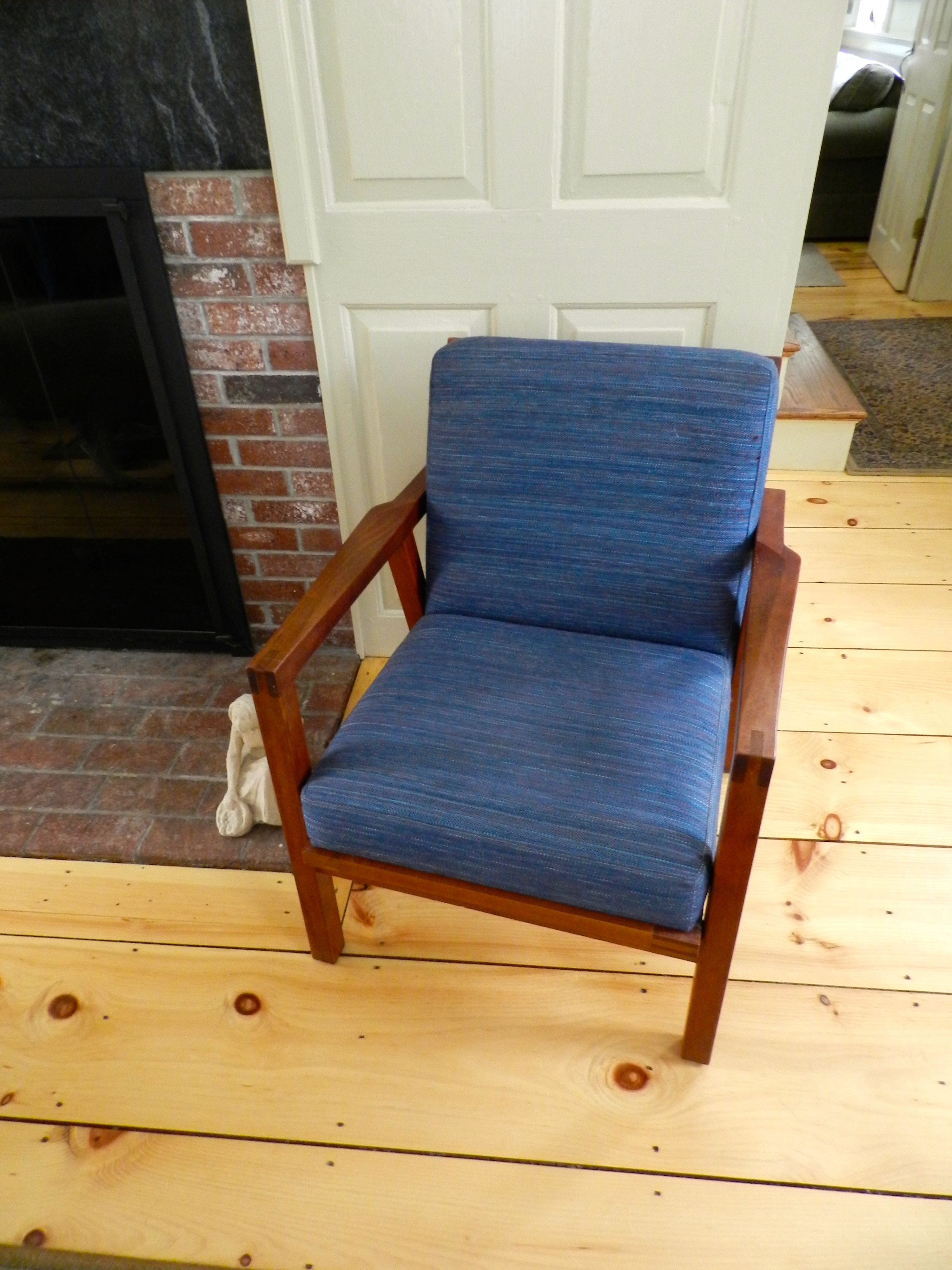
Tage's favorite chair to sit in
Tage’s favorite chair to sit in

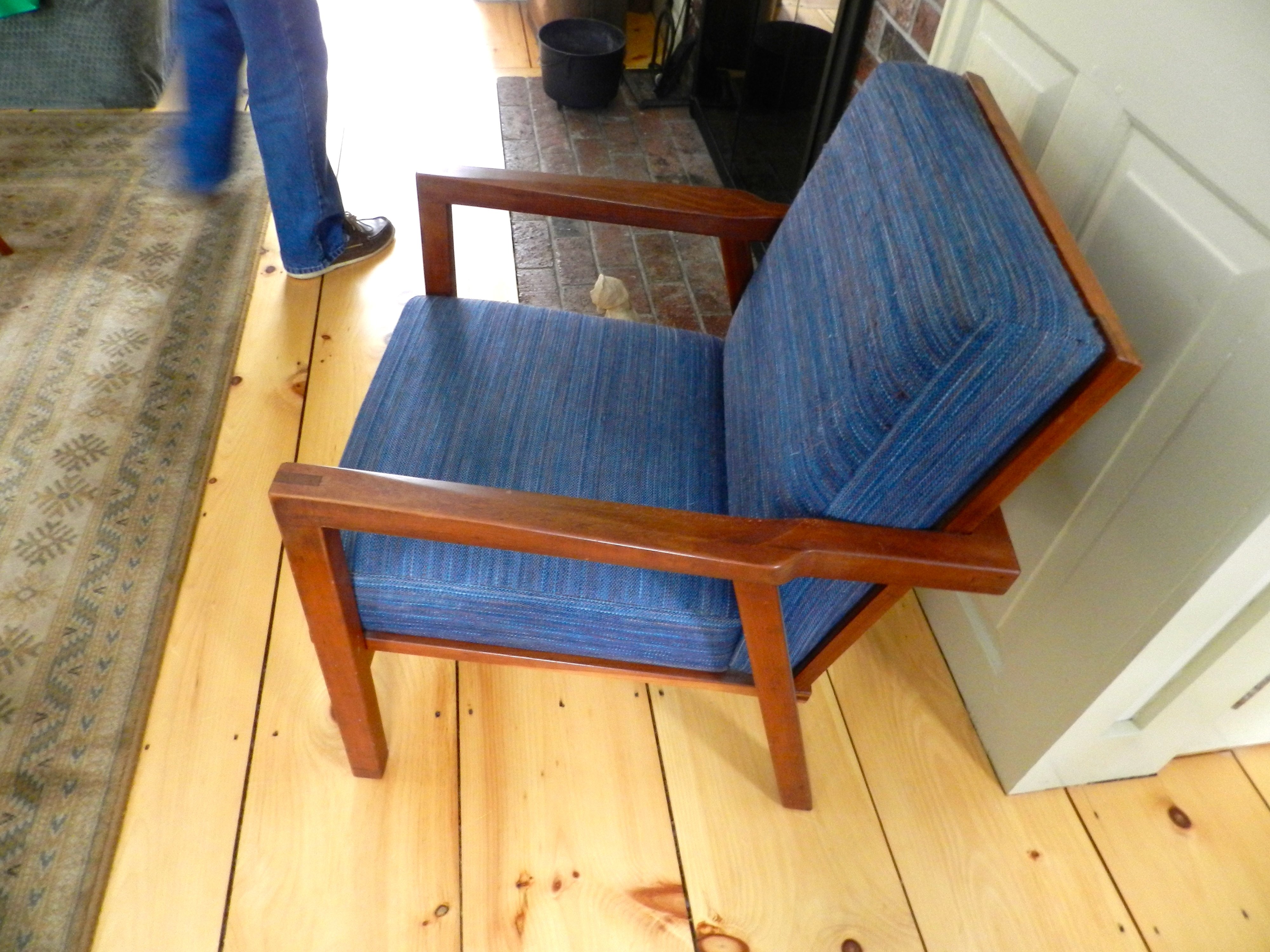
Shown above and below is Tage’s favorite chair to sit in. With clean lines, expressed construction, and thickly upholstered cushions I can see why he liked this chair a lot. Like most Danish modern furniture the lines are clean, the details are subtle and piece has a visually light feel.

Expressed joinery and clean lines on this comfortable chair

The profile view reminds me of some cues from a morris chair and the forward lean of the legs reminds me of some of the chrome accents on cars from the 1950s — even while standing still it wants to be moving.

Tage Frid End Table
Tage Frid End Table

The end table above has another great story behind it. In some of Tage’s writings and articles he mentioned the rocky start he had when first arriving at the School for American Craftsmen wherein the facilities were not well setup and some folks were not eager to hear what Tage had to say. One morning while the students were attending lectures with another instructor Tage took a large board and started milling and working it. By mid-day he finished construction of the table and by the end of the day he even applied a scraped lacquer finish. This feat caused quite the sensation at the school and suddenly a lot more folks wanted to hear what Tage had to say as the existing way the program operated would have taken about 2 weeks for students to carry out this work and with inferior finish results. (You can read more about this story and many others in the Smithsonian interview of Tage Frid available online here.). The table has a delicate look that was ahead of its time and has aged well.

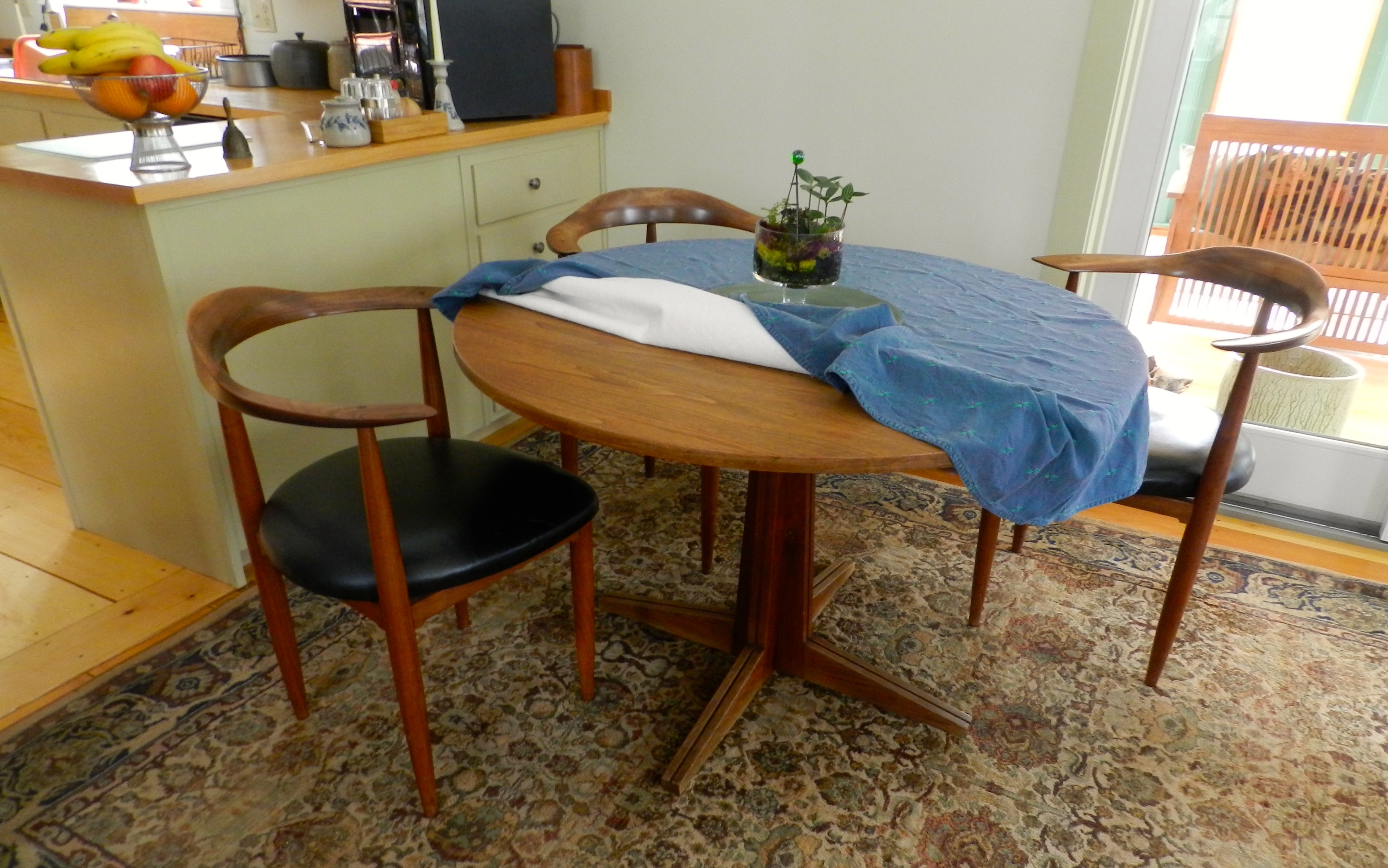
Round pedestal table and corner chairs
Circular pedestal pull-out table and corner chairs

In the above photo you can see the circular pedestal pull out table Tage made in Chapter 4 of Volume 3 of his book. The table base has some interesting design details that hide where the table expands from. The book details the intricate and interesting sliding mechanism that supports the removable table leaf. Also shown are some corner chairs with upholstered seats. They are comfortable when sitting upright and support you well even if you sit with a more relaxed or slouched posture.

While not a cabinetmaker by trade I suspect the knack for woodworking and artistic creativity is in the genes as Peter built numerous very nice cabinets and built-ins around the house, including the kitchen cabinets and tops shown in the background of the above photo and a very nice computer desk. Oliver is an art teacher and accomplished painter and you can see some of his work here.

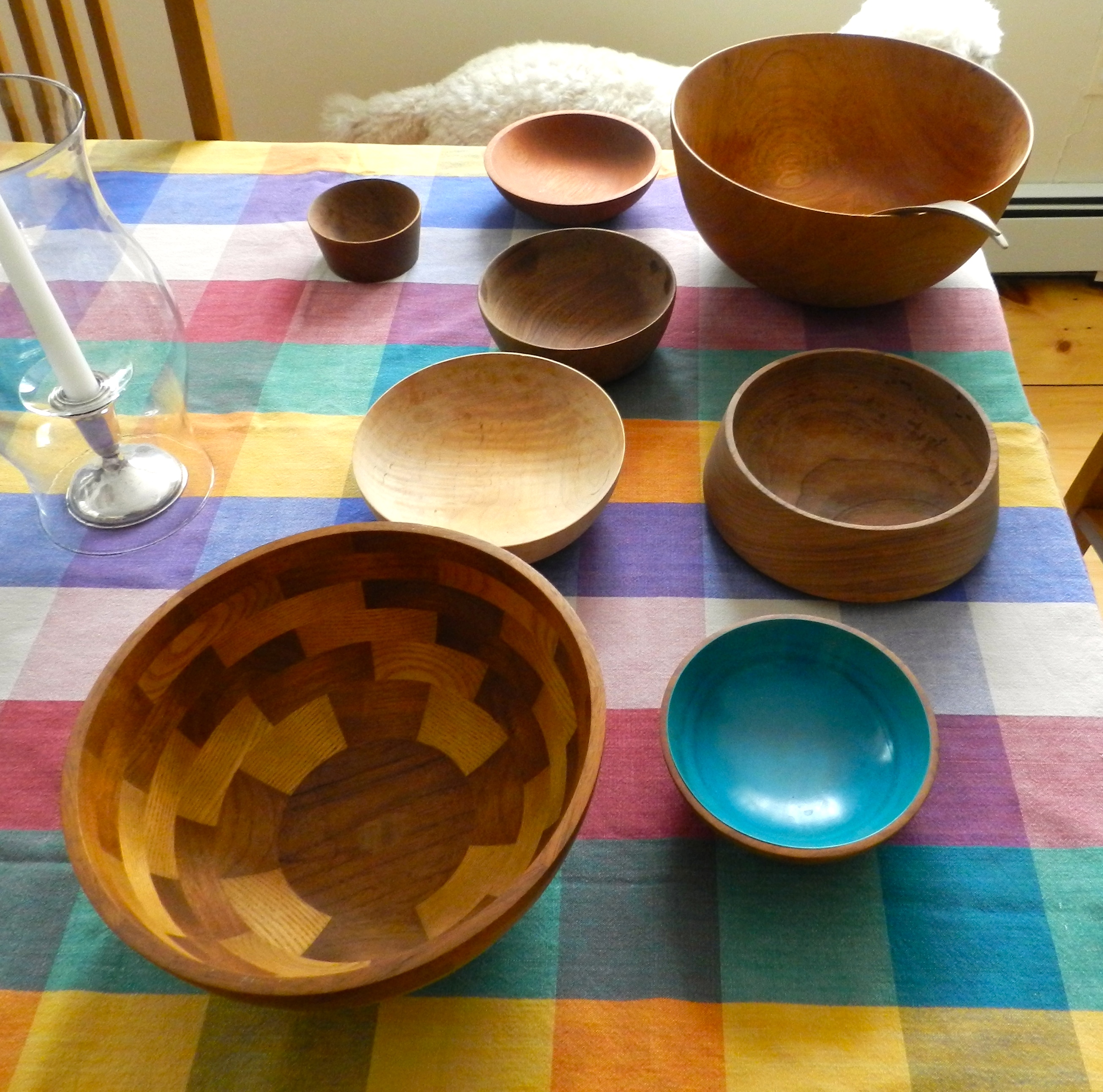
A sampling of Tage's bowl turning
A sampling of Tage’s bowl turning

Tage also did a fair amount of bowl turning especially in his later years. Above are a few samples of his turning work. The large checkered/segmented bowl and blue lacquered bowl in the foreground were two of my favorites. The large salad bow near the top of the photo is also interesting. Rather than create a large tenon or undercut a tenon for use with a bowl chuck it seems that Tage used 4 wood dowels to presumably affix the large bowl blank to a faceplate or similar — thus maximizing the size of the bowl he could get from the blank and also allowing him to easily cut it off of the faceplate when the turning was completed.

Peter Frid (Left) and Oliver Frid (Right)
Peter Frid (Right) and Oliver Frid (Left)

Pictured in this last photo are Peter Frid (Tage’s Son) on the right, and Oliver Frid (Tage’s Grandson) on the left. I want to thank Peter for opening up his home to me, a thank you to Oliver for the introduction and a big thanks to Kathy and Cherie and the whole Frid family for their hospitality and allowing me to poke around admire some of Tage’s work. It was an inspirational visit and reminds me how I need to get back out into the workshop and finish off my Frid inspired workbench.

Take care,
-Bill

P.S. If you’d like to learn more about Tage Frid and his work, please check out my earlier post about him here.

P.P.S I also got to see some of Tage Frid’s workbenches and will be exploring those more in a future post.

Jordan’s Toolbox

Some woodworking projects are for fun, some are skill builders, some are to keep the lights on and some are for necessity. As they say “necessity is the mother of invention.” When taking a woodworking workshop at the North Bennet Street School one of the challenges is often lugging all your tools to class. The school is set in the North End of Boston and most folks take public transportation to get to the school as parking in that area is expensive and in short supply. I’ve seen folks use bags, backpacks, plastic toolboxes, 5 gallon buckets, rolling carts, suitcases, you name it. I can still remember lugging big toolboxes on the subway when I was student.

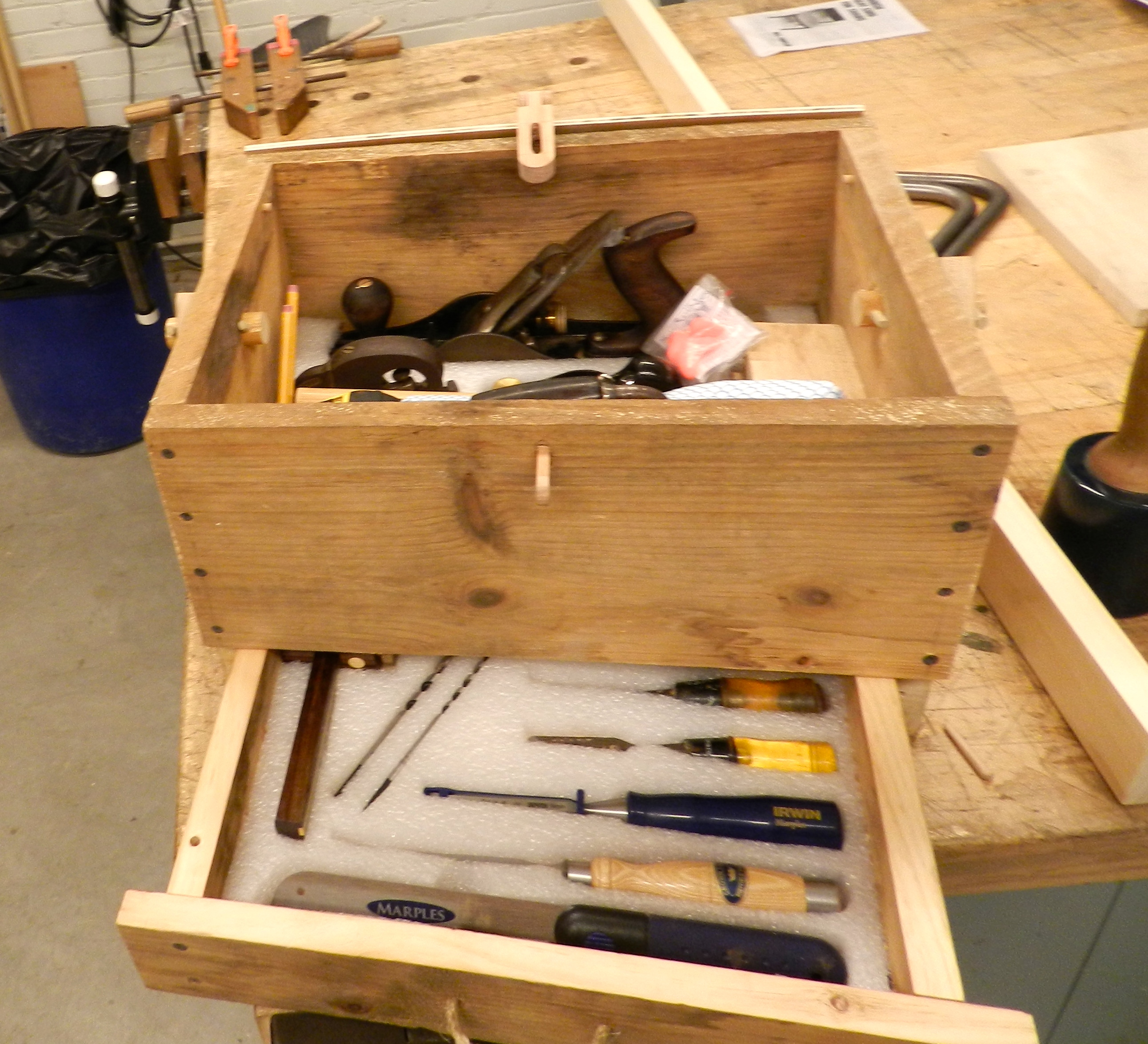
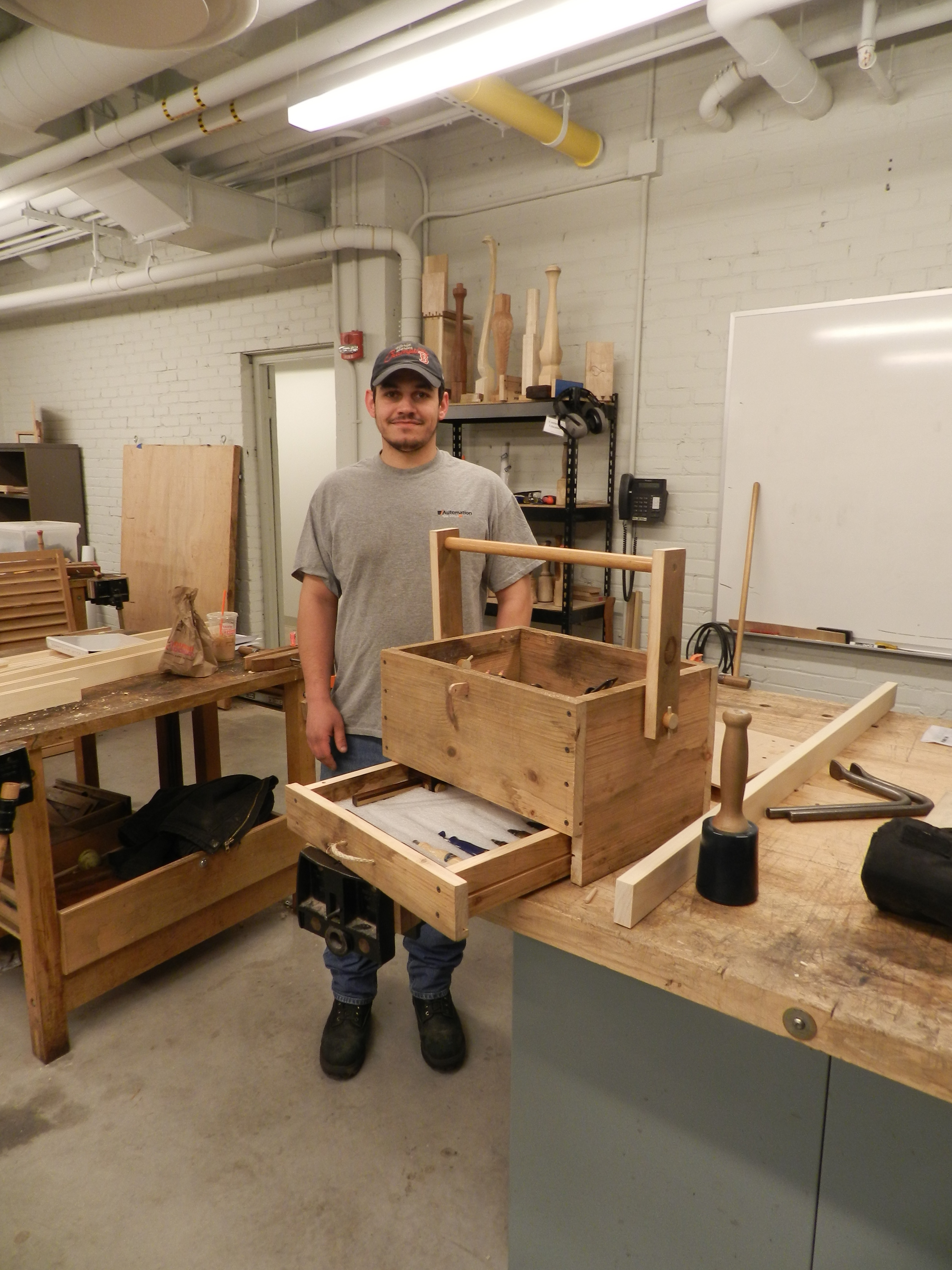
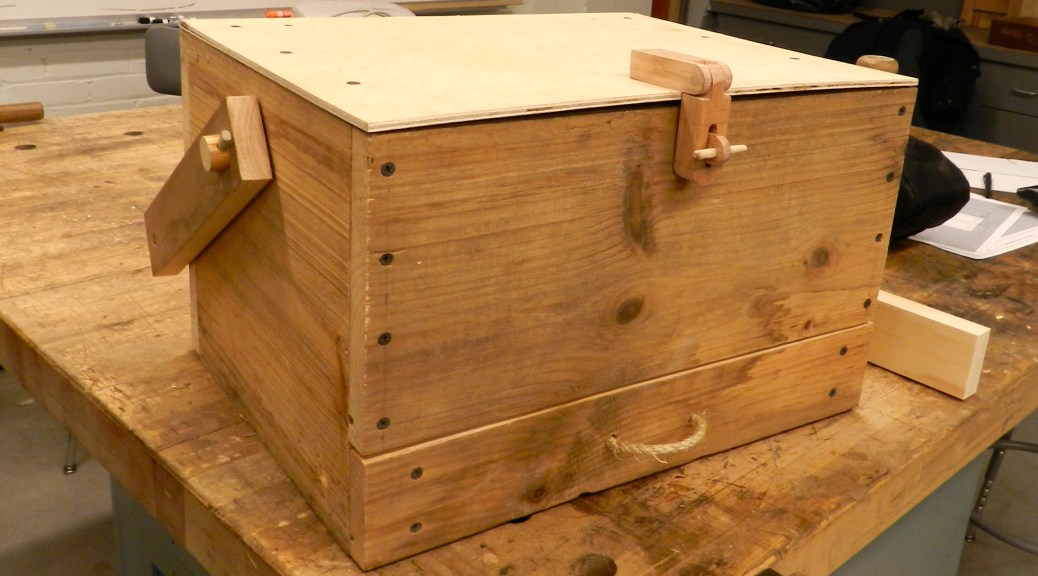
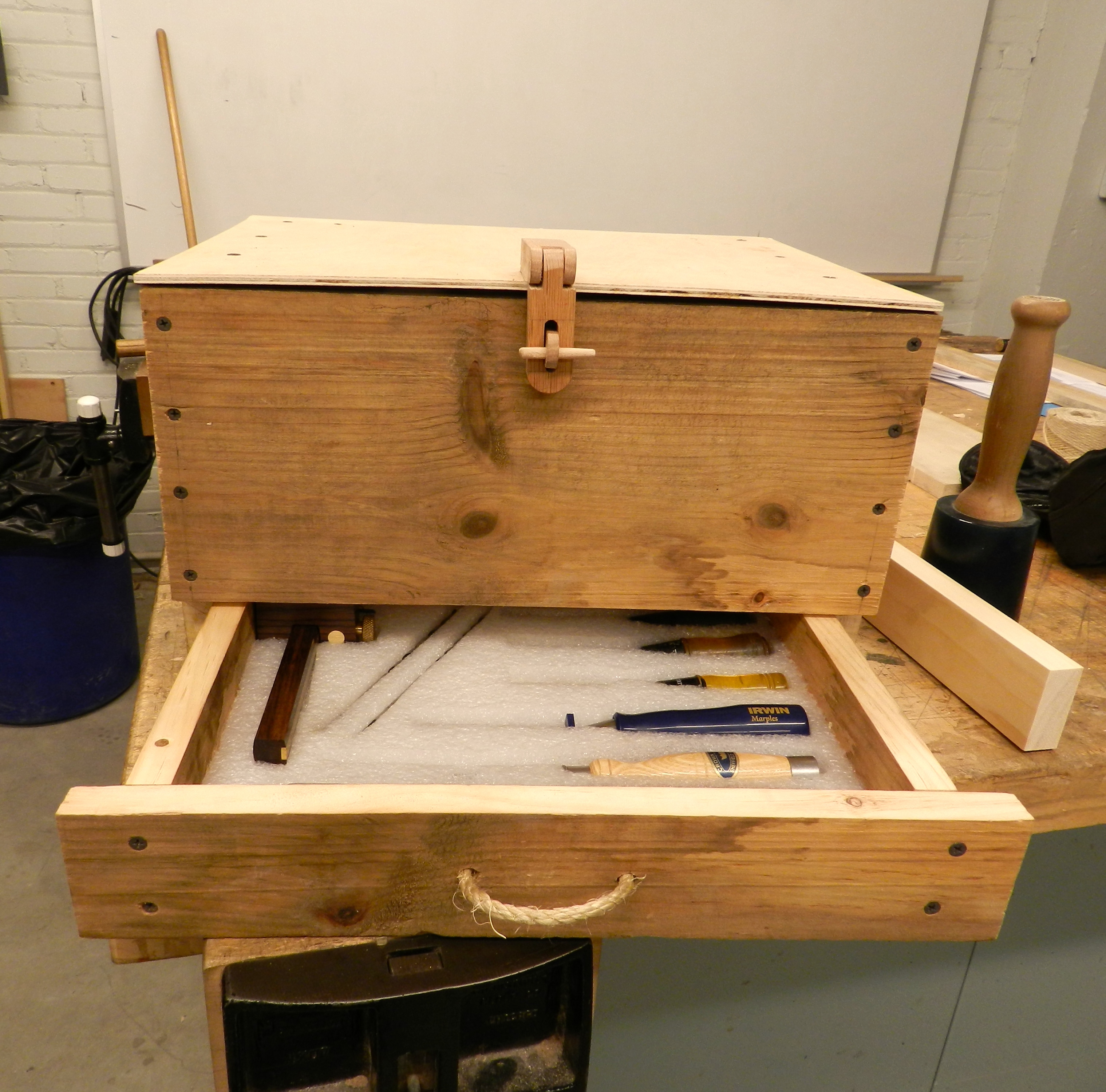
This past weekend one of my students, Jordan Ruiz, showed up to my Introduction To Shutters Workshop with the toolbox you see below:

Closed toolbox with oak hasp

He designed it off the top of his head and made it mostly from a single pine board.

Open drawer
Open drawer

What I like about his utilitarian design is how he translated a lot of the traditional hardware needs into wooden or other natural equivalents. Note the oak hasp which is articulated and secured with wooden pins. A hemp rope drawer pull. Dowels to secure the moving wooden tote handle, sliding top secured by a captured dowel etc.

French fitted packing foam to keep the tools in place

I also like how Jordan used some packing foam to ‘French Fit’ all of the tools into his toolbox.

Jordan Ruiz with his toolbox

If he’s willing to do all that work to prepare for a workshop I can only imagine the dedication and creativity he’ll have at the job site. I think Jordan has a bright future ahead of him in the woodworking field. (He also made a very nice shutter as seen in the previous post)

Take care,
-Bill

A Good Shutter Can Be Hard To Find

You don’t often see a good working pair of shutters on a newly constructed home. Most times you see a pre-fab set of vinyl shutters screwed on to the side of a house or no shutters at all. The vinyl shutters usually have no hardware and often are not properly sized for the windows they are adjacent to. I want to reverse that trend and make sure at least a few folks know how to make a traditional wooden shutter.

Shop plans for my Shutters Workshop

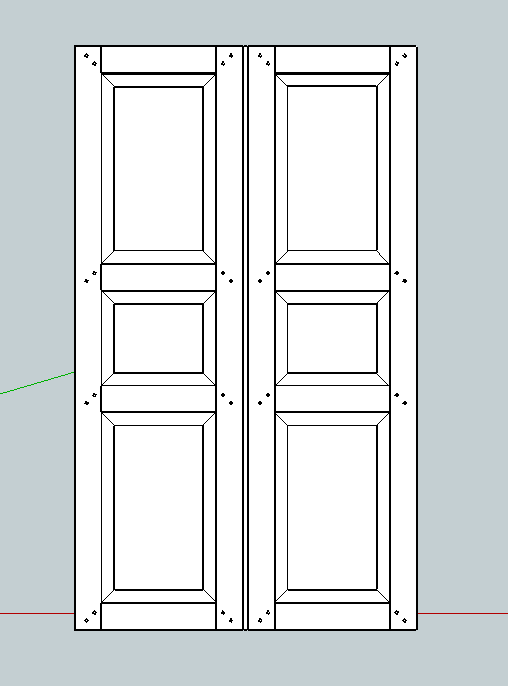
I designed and taught an Introduction to Shutters Workshop at the North Bennet Street School this past weekend which was a lot of fun. Beyond my usual hand drawn plans I also modeled this project in SketchUp. (You can read more about that effort here).

The class hard at work

In the class students learned how to make a shutter using traditional hand tools and via power equipment. They were able to weigh the pros and cons of each against their skill sets and use what was most appropriate to their project. (Some folks will be repairing a few shutters, others will be making enough for an entire home)

Making octagonal pins

After building the frames, cutting all the mortises and tenons, and fielding the panels, everyone learned about traditional draw-boring. By making and using tapered octagonal pins and driving them through the offset hole drilled into the tenon, the joint is drawn together. This joint uses no glue, is quite strong and can be serviced in the future if a rotten piece needs to be replaced.

John finishing up his shutter

We also discussed many design options, regional variations and examined several examples we had on hand. It was a busy two days, but I’m hopeful that we’ll see some proper new shutters start popping up in the area.

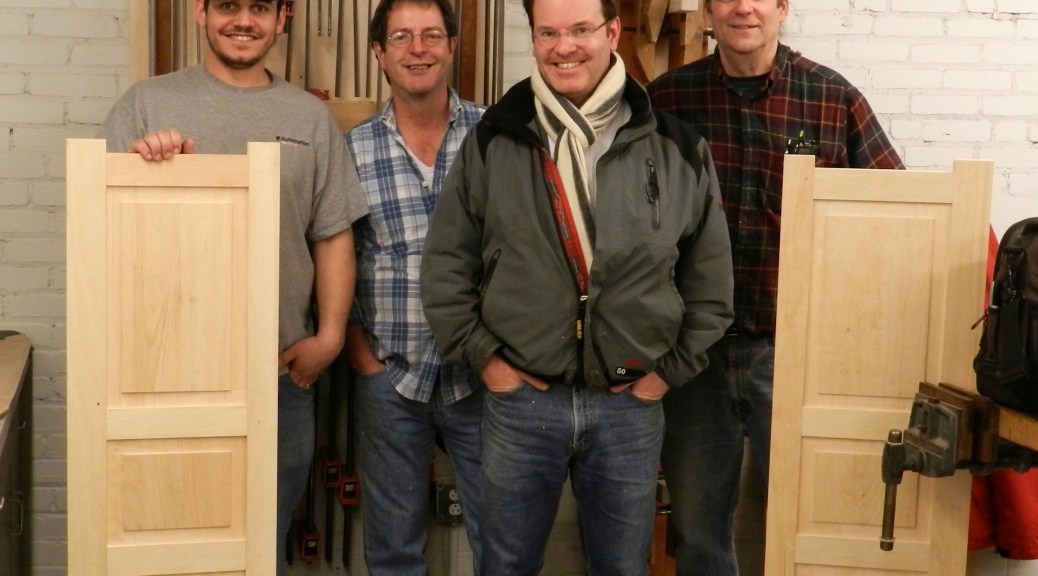
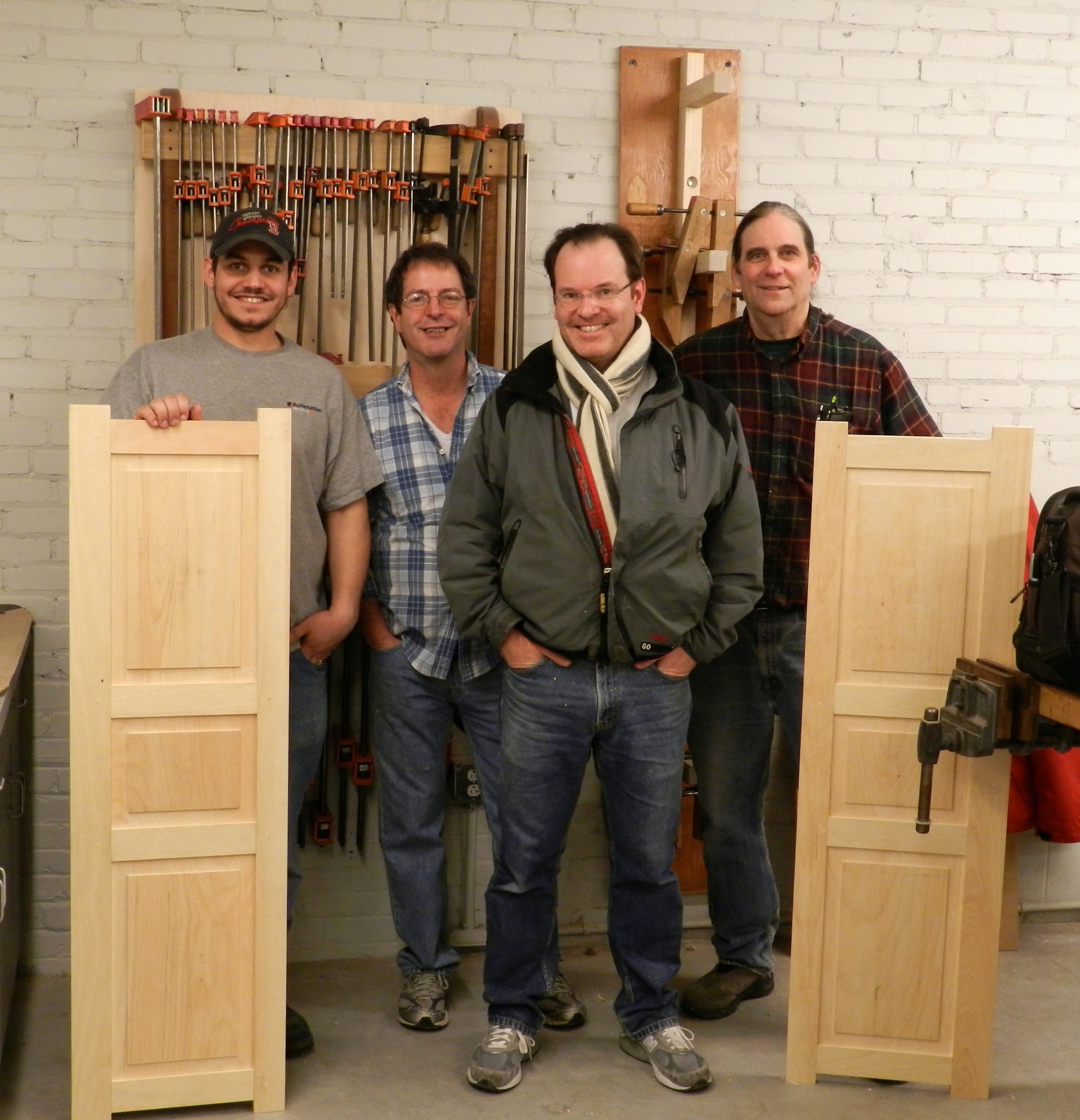
Group picture with some finished shutters

Take care,
-Bill

P.S. I have several more workshops coming up at NBSS over the next 3 months if you are interested in joining me — there are still a few seats available. Up next is Traditional Molding with wooden Molding Planes in April, Saw Horses and Saw Hurdles in May, and Making a Window Sash in June.  You can learn more about each of them here.

Boxes for every occasion…

Building customized storage solutions is one of the joys of being a woodworker. I never seem to have enough storage at home or in the shop. On days when I don’t have a lot of time in the shop, when I have some nice scraps I want to use or when I want a quick warm-up, I often find myself making boxes and other storage solutions for items I want to take care of. Below are three posts I recently made for Popular Woodworking on their ‘Woodworking Daily’ blog to explore some of my thoughts on this topic. I hope that they will inspire you to get out into the shop and make something today.

Aging 100 Years in a Day

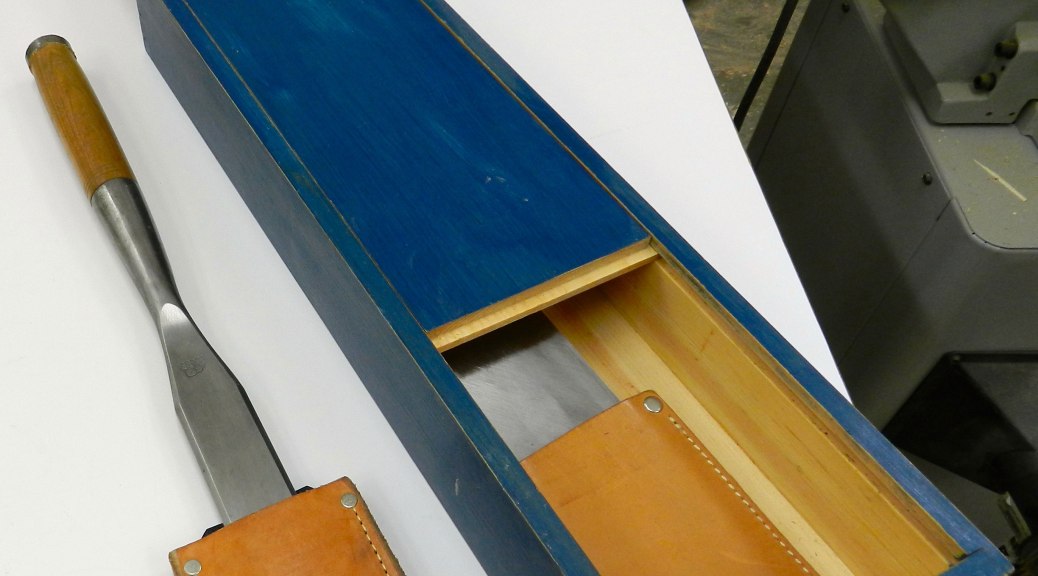
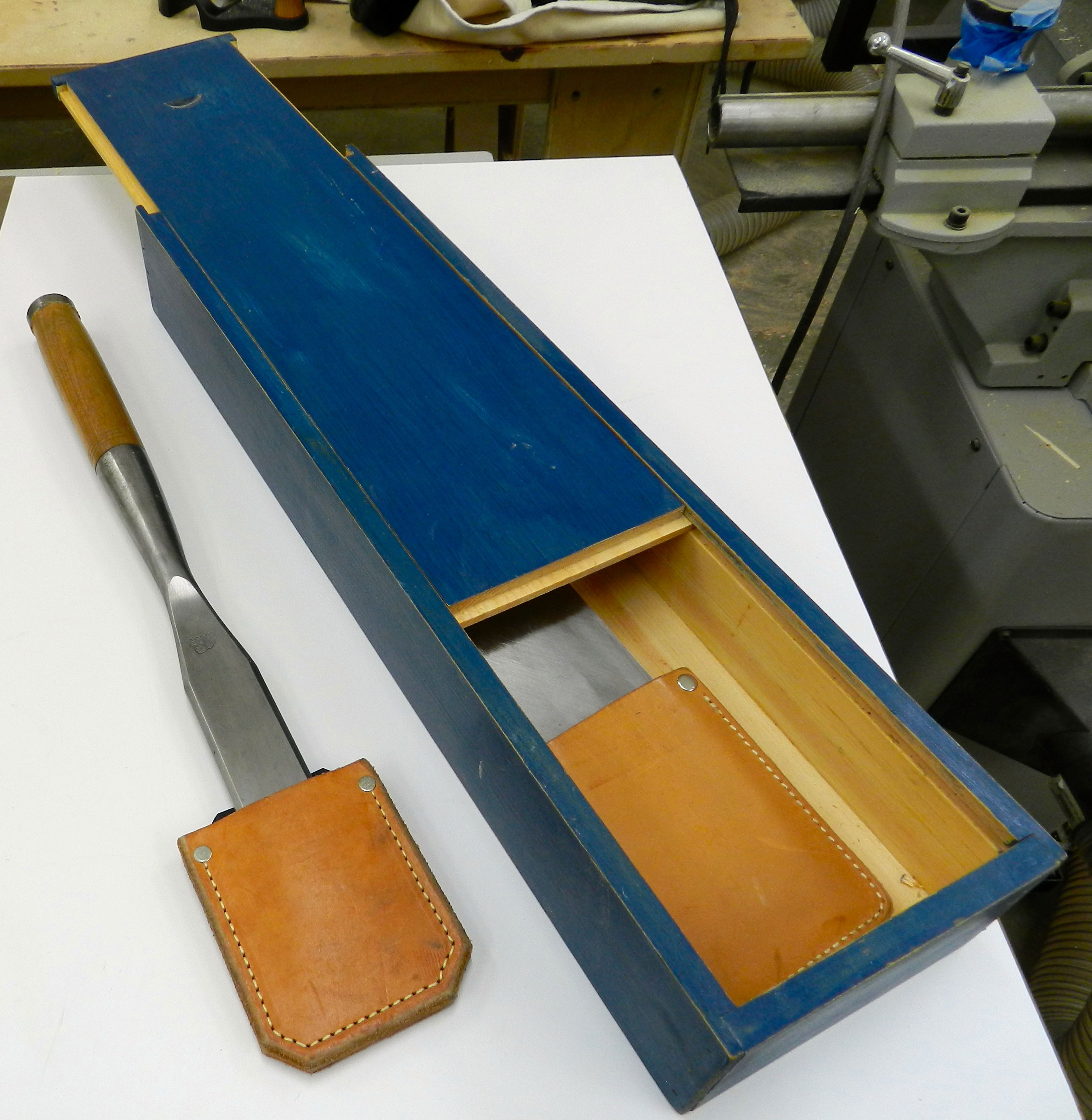
Sliding top timber framing chisel box

You can check out this post on making a sliding top timber framing chisel box from eastern white pine, simple rabbet joints and cut nails. It features a weathered finish made from milk paint and wax that will only look better with age and use. You can read the post here.

Working in the Round

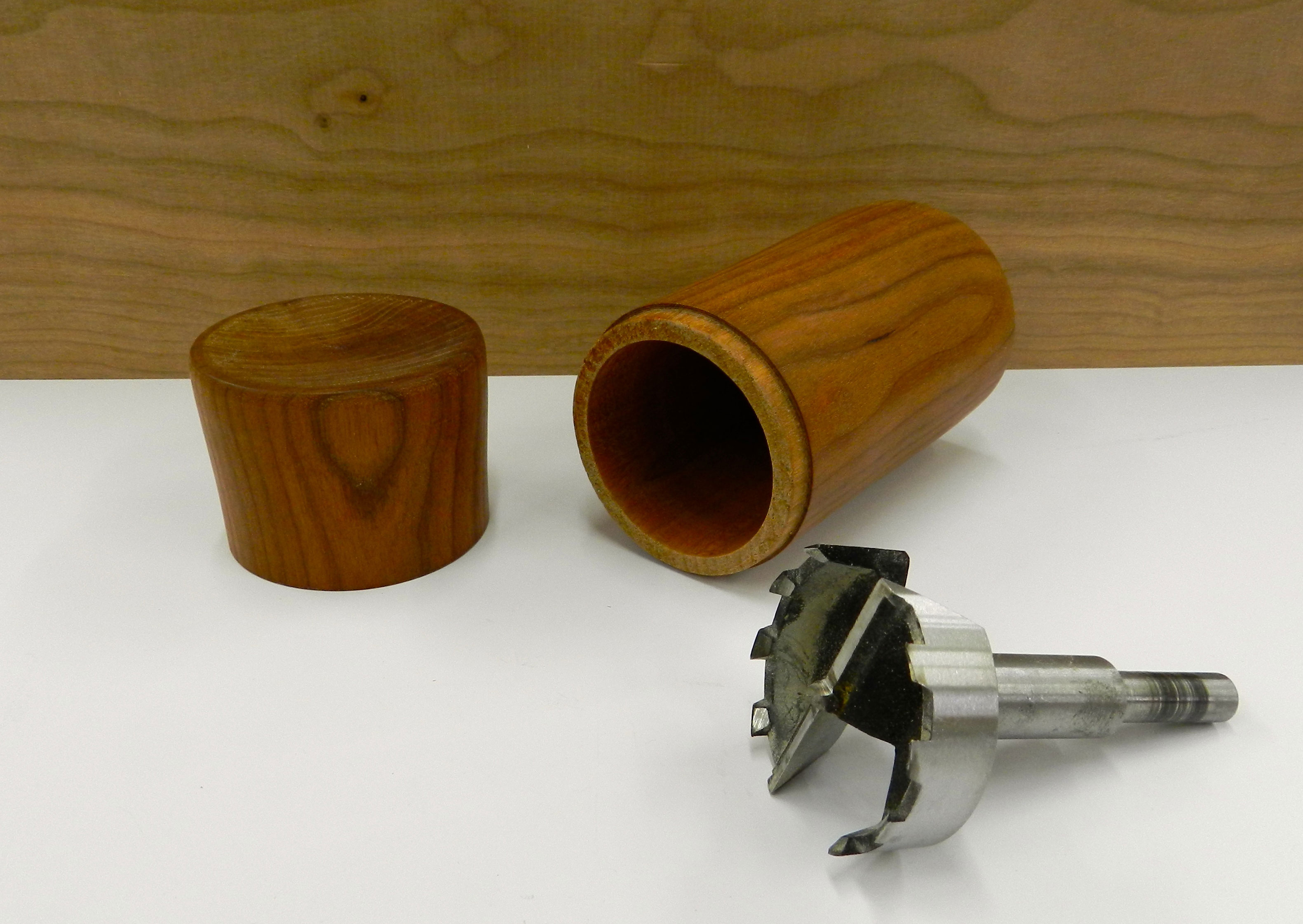
Turned Box
Turned Box

This turned cherry box is a great way to start turning round boxes. The hollowing is done via a large Forstner bit. You can learn more about how to do this here.

A Great Box to Have Dinner With

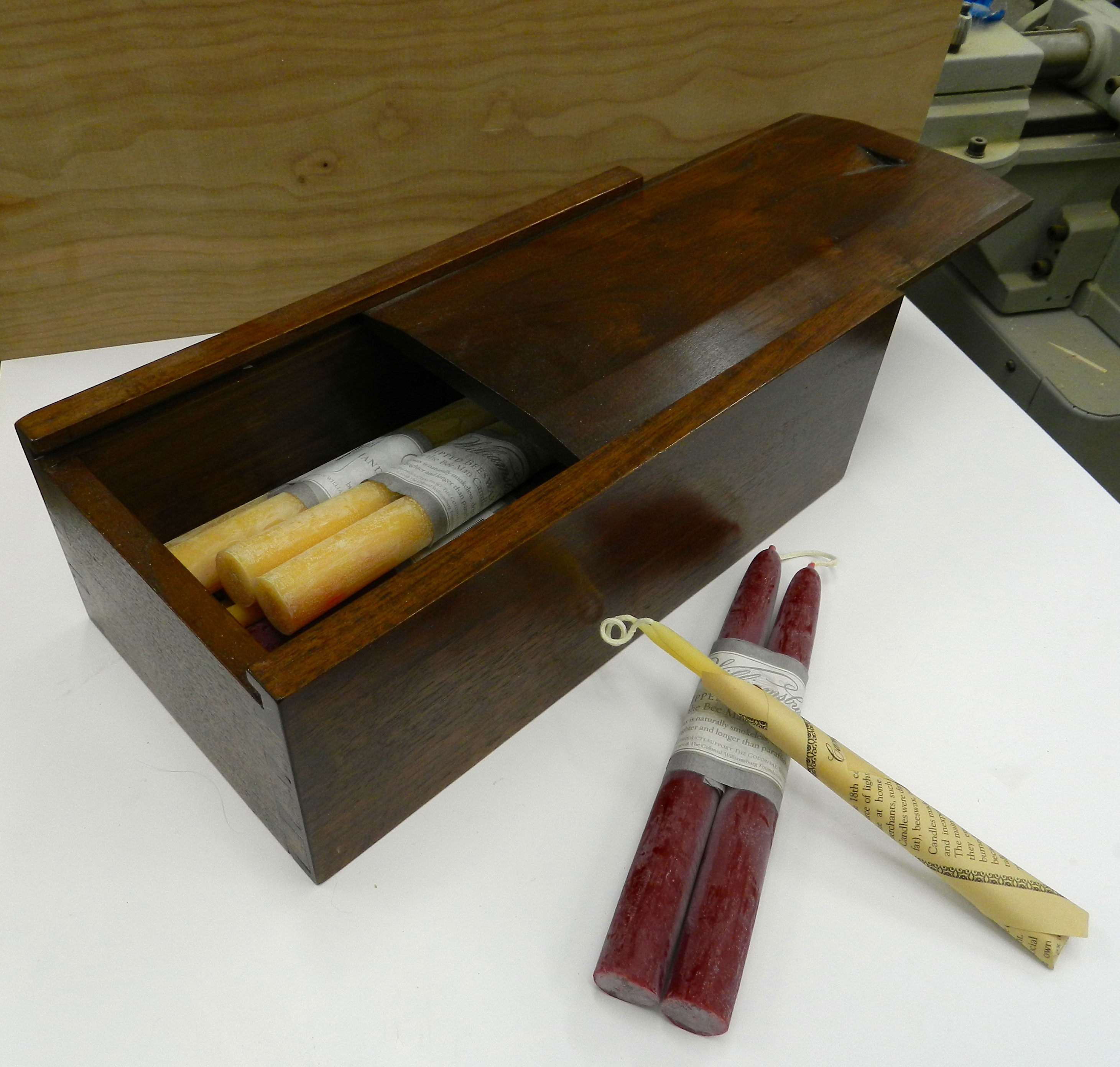
Dovetailed Candle Box

This walnut candle box was one of the first projects I built as a student at NBSS and we still use it today. I’ve seen similar boxes for sale at Colonial Williamsburg (Prentis Store) and various Shaker Villages, so even in our modern times there is apparently still some demand for candle boxes. Learn about some of the details you can apply to your own shop built version. You can read more about it here.

Take care,
-Bill

There’s a Better Way…

A tip I sent in to Fine Homebuilding was converted into a video clip as part of Chuck Miller’s “There’s a Better Way…” blog on FineHomebuilding.com

"There's a Better Way" To hold your sharpening stone on the job site
“There’s a Better Way” To hold your sharpening stone on the job site

You can watch the video for free here.

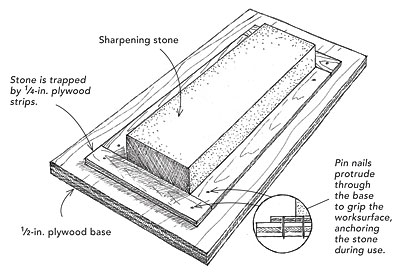
Self Anchoring Sharpening Stone Holder

You can also check out the original tip in an earlier post here.

Take care,
-Bill


Drafting in the Digital Age

“An ounce of prevention is worth a pound of cure” — Benjamin Franklin

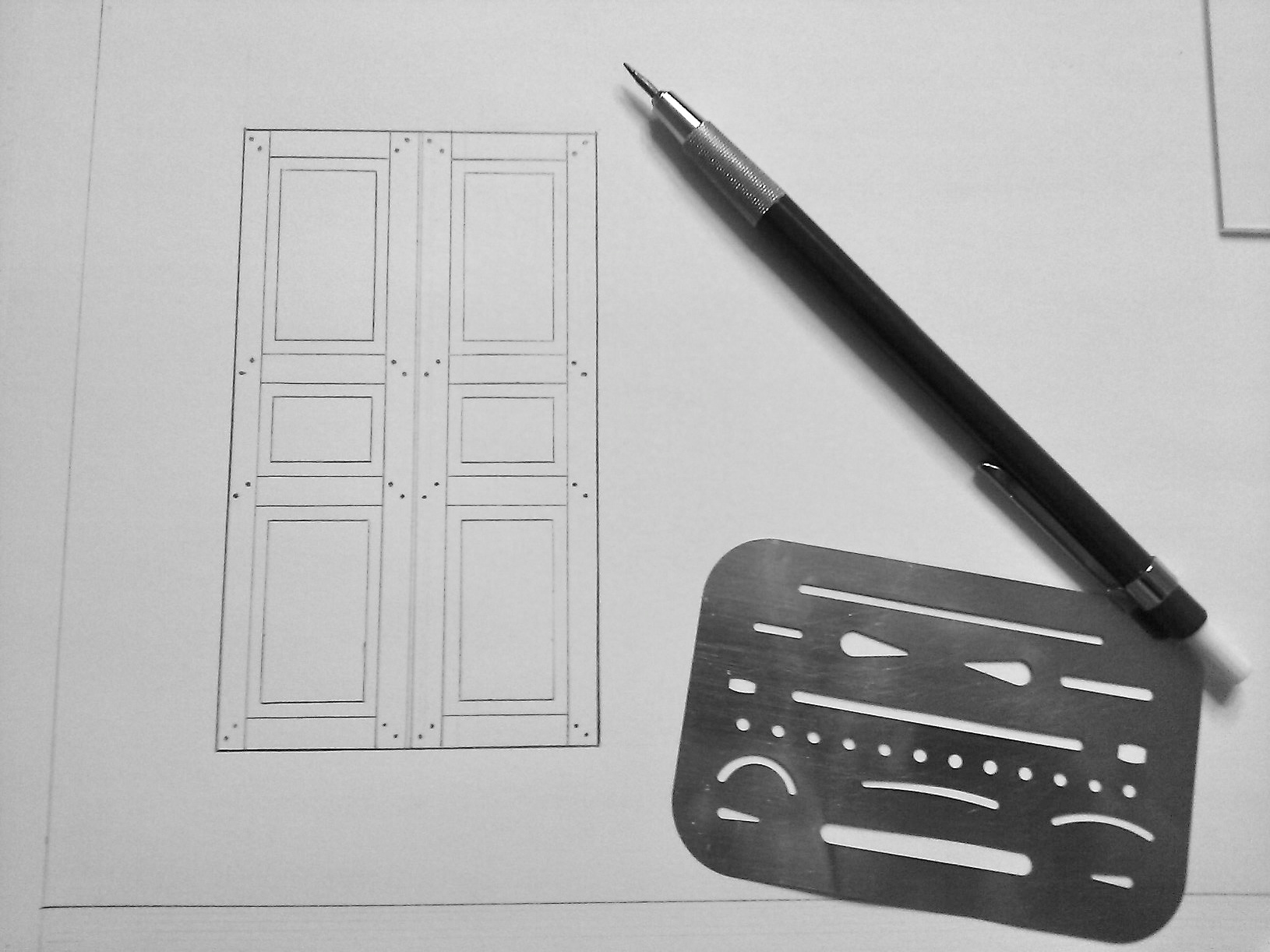
When it comes to design and drafting old Ben’s quote rings as today as it did in the 1700s. A good design and a clear set of plans can spare you from a lot of unnecessary frustration or wasted material. When I went to High School in the 1990’s I had the opportunity to take classes in traditional drafting on paper and using AutoCAD on old DOS based PCs that were old even at the time. The computer was viewed as the future, but the extra time for smaller projects and prices/availability of good software was a hindrance. For the sake of expediency and my wallet I generally broke out the drawing board when I needed to make a set of plans.

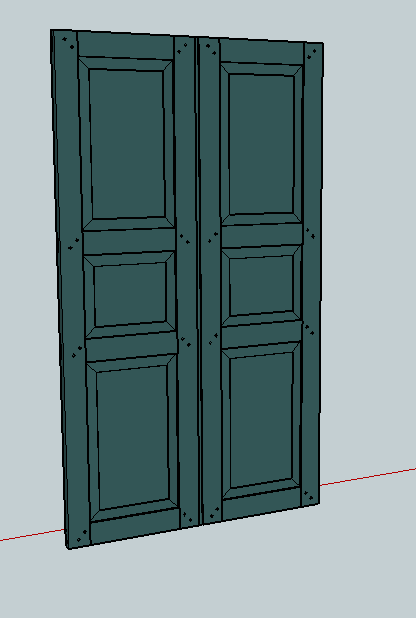
Workshop Shutters In Color + Perspective

Years later when I went to the North Bennet Street School they also espoused the use of traditional drafting with leads and full size drawings. No messing with expensive computers and ever-changing software. This works great for chairs and pieces with lots of complex curves. But for timber frames and buildings, often with many repeating elements a small change in the design could literally send you back to the drawing board for hours.

Workshop Shutters
Workshop Shutters

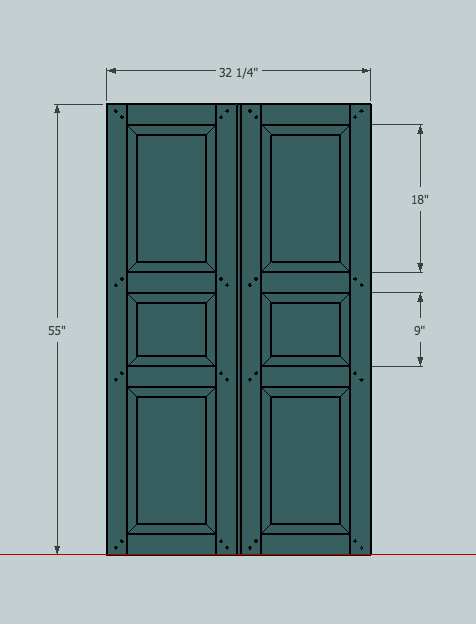
I recently got a copy of SketchUp and around the holidays found a real good deal on Robert Lang’s SketchUp for Woodworkers Shop Class on Demand Videos and watched them around Christmas. SketchUp took a bit of getting used to compared to my old AutoCAD days, but after watching Bob’s videos, and with my background as a software engineer and traditional draftsman I got up to speed quickly. (You may have noticed a proliferation in some computer generated renderings in recent posts) Bob Lang’s videos start with simple projects and tools and increase in complexity. I recommend getting both videos as the second video (‘Advanced Techniques’) was the most interesting to me wherein he shows the user how to create dovetails, work in the round, layout the model for printing dimensioned renderings etc.

Shutters Workshop
Hand Drawn Shutters

Save a Tree, Burn some Pixels

About a year ago I designed some traditional interior shutters for my workshop — I started out drafting them by hand. The plans sat on my TODO list for a few months and now with SketchUp in hand I decided to explore some other design possibilities with the raised panels.

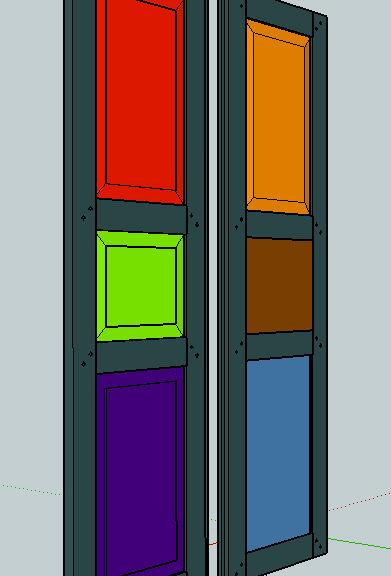
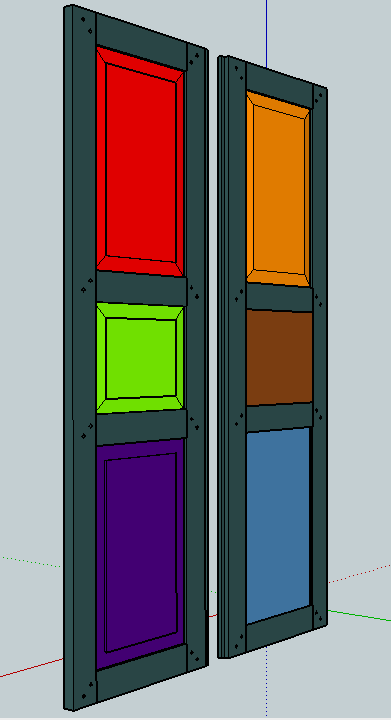
Various Panel Options

Design Options Explored (Colors added for easier reference here, I’m not planning to build any shutters for a circus):

  1. Red — Raised, Sunk Fielded Panel
  2. Orange — Raised and Fielded Panel
  3. Green — Raised and Fielded Panel (rounded fielding)
  4. Brown — Flat Panel
  5. Purple — Raised Panel
  6. Blue — Bead and Butt
Panel Details
Panel Details

In the end I settled on #1 above which was part of my original design, but this software saved me from having to experiment with a few test panels to see how things looked from different angles — a nice time and effort saver which offset the perceived longer time it took me to draft this project in SketchUp in the first place. Each project I get a little faster with SketchUp and I think part of why I feel like it takes longer is you generally need to complete your model in most if not all details as opposed to some shortcuts I can take when drafting by hand. (Though I think I am getting a bit OCD as I created all the mortises, draw bored pins etc in full 3D)

Dimensioned Shutters in Color -- Rittenhouse Blue
Dimensioned Shutters in Color — Rittenhouse Blue

With SketchUp you can also experiment with colors and textures. Above you can see my shutters in Rittenhouse Blue to match my existing trim out in the shop. For other projects I’ve used actual textures which help give you a feel for how a surface would look with real wood grain etc.

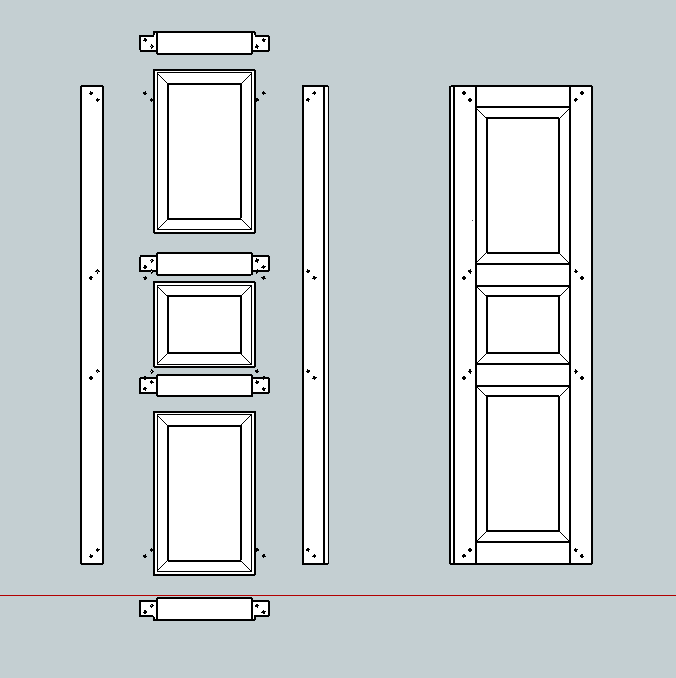
Exploded View
Exploded View

The other big time saver is how fast you can generate other views — beyond top, bottom, front and back you can quickly generate an exploded view….

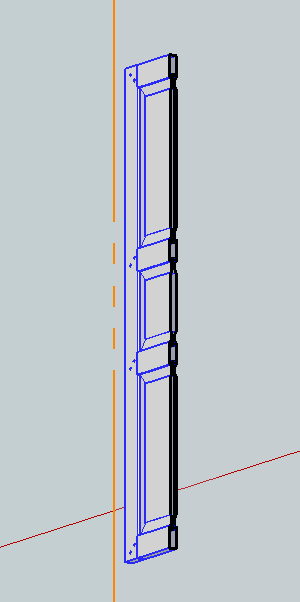
Section View
Section View

Or a section view…

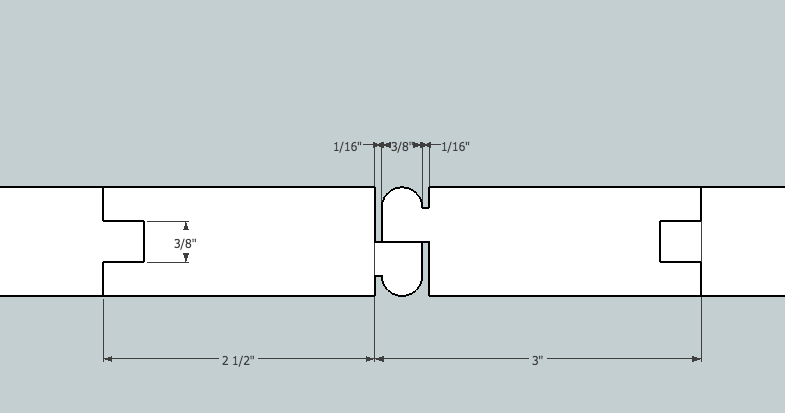
Molding Details Dimensioned

or a dimensioned detail view. The dimensioning goes in quickly and the model can be probed in the future if you missed a dimension and want to see exactly how big a part or detail should be. All of these views help me create additional visual aids for this blog and for my teaching as I think a lot of woodworkers are visual learners. You can also share your models with other users or download thousands of models from the 3D Warehouse to save you some time.

I also like the fact that I can draft from the couch in front of the TV at night when I am too tired to be out in the shop and don’t want to be in another room hunched over the drafting board. If you have been waiting for a good reason to try out SketchUp, or draft something new you have no excuse — if you are reading this blog you are likely on a device that can be used to run SketchUp.  🙂

I look forward to seeing some of your new creations and hearing what others think about using the program.

Take care,
-Bill

P.S. If you’d like to build one of these shutters with me in person, there are still 1 or 2 seats left in my upcoming workshop at NBSS on this very topic. You can find more details here.
P.P.S. If you’d liked to check out Robert Lang’s SketchUp For Woodworker’s Shop Class on Demand Videos or DVDs  I bought my copies from here. (I don’t get any sort of kickback for this, just recommending a good resource)